
Catalin vs Jade Mahjong Tiles: Which Should You Buy?
Last updated: Nov 23, 2026
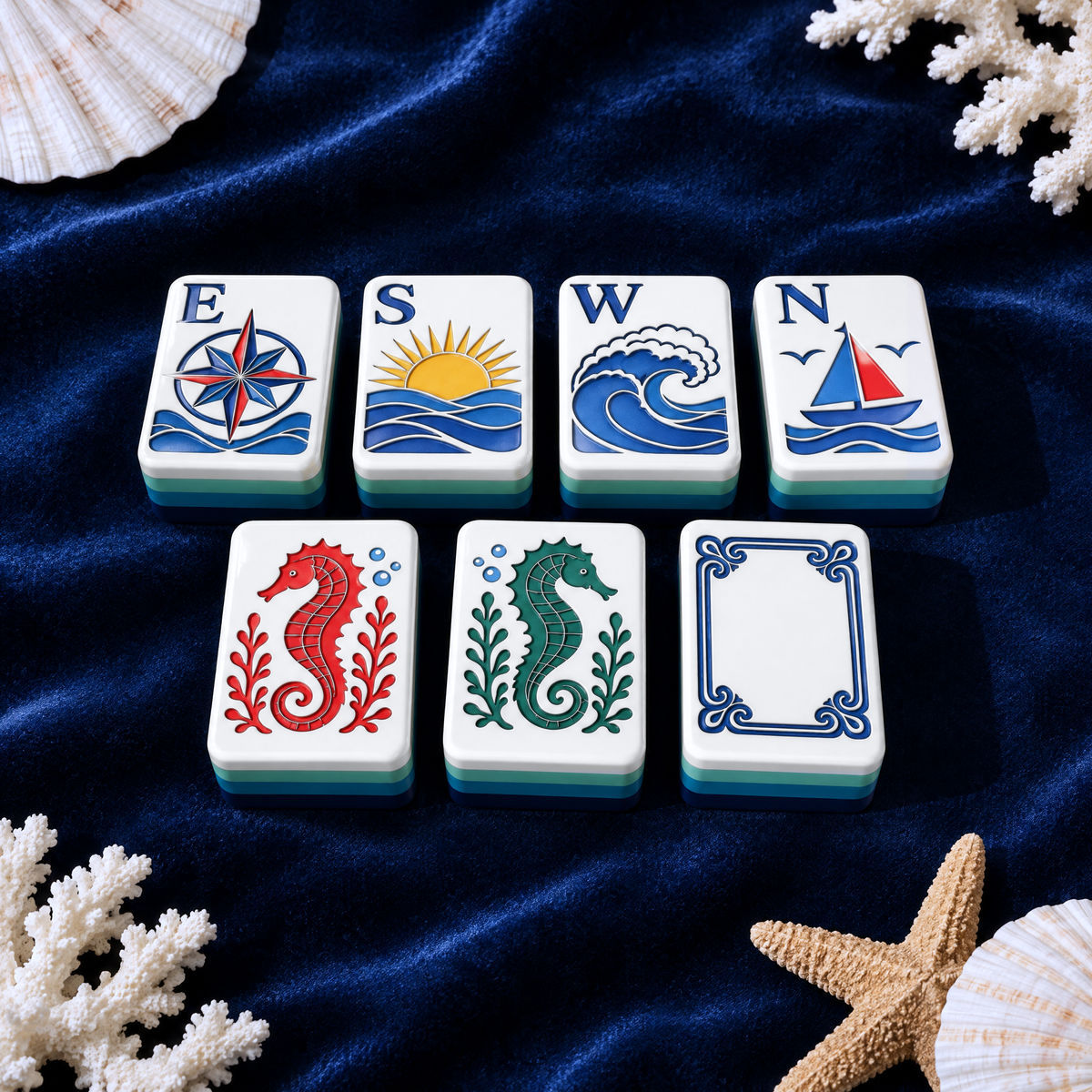
Catalin acrylic (a thermosetting plastic) and jade (carved stone) are the two dominant tile materials in American mahjong sets. Catalin tiles are lighter, louder when shuffled, easier to engrave with custom designs, and more affordable; jade tiles feel heavier and warmer in hand, produce softer clicks when played, and carry a premium price. Both work perfectly within American mahjong rules—neither affects gameplay legality. Catalin dominates among casual and tournament players because it's durable (acrylic resists chips and stains), ships safely, and accepts detailed engraving without cracking. Jade appeals to players who value the tactile weight and prestige of stone, though it's fragile in transit and nearly impossible to customize. At Mahstead, we specialize in engraved catalin sets; catalin's forgiving surface lets us deliver personalized designs that jade simply cannot match. Your choice depends on whether you prioritize durability and customization (catalin) or heft and tradition (jade).
Catalin acrylic and jade tiles represent two fundamentally different philosophies in mahjong set design. Catalin is lighter, louder when shuffled, easier to engrave with custom designs, and more affordable; jade is heavier and warmer in hand, produces softer clicks when played, and carries a premium price. Both work perfectly within American mahjong rules—neither affects gameplay legality. Catalin dominates among casual and tournament players because it's durable, ships safely, and accepts detailed engraving without cracking. Jade appeals to players who value the tactile weight and prestige of stone, though it's fragile in transit and nearly impossible to customize. Your choice depends on whether you prioritize durability and customization (catalin) or heft and tradition (jade).
What does catalin acrylic feel and sound like?
Catalin is a thermosetting plastic developed in the 1920s and perfected for mahjong in the decades after. When you draw and shuffle catalin tiles, they produce a distinctive bright clack—satisfying, audible across a room, almost musical. The tiles feel smooth and slightly cool, weigh about 8–10 grams each, and warm slightly in your hand after a few minutes of play. Catalin is not flexible; it snaps cleanly under pressure rather than bending, which is why older sets sometimes show hairline cracks on corners. Modern catalin tiles are far more impact-resistant and rarely fail during normal play or casual drops. You can wash catalin with warm soapy water without risk; it resists stains better than porous stone. The real appeal for active players is that catalin accepts laser and hand engraving beautifully, letting you personalize tiles with family names, initials, wedding dates, or jokes.

How does jade compare in durability and feel?
Jade is quarried stone—typically nephrite jade or serpentine—cut and polished into uniform tiles. Each jade tile weighs 12–15 grams, roughly 50% heavier than catalin, which some players experience as a "premium" sensation; the extra mass can slow tile draw slightly and feel more substantial during shuffling. Jade tiles produce a softer, more muted click when played, a quality longtime players often describe as refined. Jade tiles are genuinely harder than acrylic and resistant to scratches. However, jade is porous and can absorb stains from sweaty hands or spilled drinks; water seepage into micro-cracks can eventually cause tiles to chip or split, especially in temperature swings. Jade tiles are far more fragile during shipping and packing; even with bubble wrap, corner impacts can fracture them. Most critically, jade cannot be engraved or personalized after production—the stone's grain and fragility make custom work nearly impossible without risking breakage. If you want a generic set, jade works; if you want your set, catalin is the only realistic choice.
Price: how much more does jade cost?
Jade tile sets typically command 2–3 times the price of catalin sets of equivalent quality, based on material sourcing and labor-intensive hand-polishing. A mid-range catalin set from our best-selling collection generally costs less than entry-level jade. The gap widens if you add engraving—catalin engraving is standard and affordable; jade engraving is either unavailable or prohibitively expensive. If your group plays weekly and you want custom tiles, catalin's lower base cost plus personalization capability often proves cheaper than buying multiple generic jade sets over time. Shipping costs also differ: catalin sets are insured at lower value and arrive safely; jade sets require premium packaging and insurance, which sellers often pass to the buyer. For casual players or gift-givers on a budget, catalin makes economic sense.
Can you engrave catalin but not jade?
Yes—this is the defining practical difference. Catalin's uniform, non-porous surface accepts laser engraving, hand-painting, and inlay work with precision and permanence. We can engrave names, dates, team logos, or tournament brackets directly onto tile faces or on the wooden racks and cases that accompany your set. Engraved catalin tiles remain legible through years of play and washing. Jade's crystalline structure and micro-fractures make engraving extremely risky; the tool pressure can cause the stone to split unexpectedly along grain lines. Engravers who attempt jade work charge premium rates and often decline custom orders. Blank jade tiles can be purchased and hand-painted by artisans, but the paint wears off with use, and the aesthetic differs sharply from catalin. If you're hosting a tournament, celebrating a milestone, or building a set your group will treasure, catalin's engraving capability is a decisive advantage.

Who should buy each type?
Player Profile | Best Choice | Why |
Weekly casual game at home | Catalin | Affordable, durable, easy to replace a set if damaged; no shipping fragility risk. |
Gift for a new player | Catalin | Lower price point, forgiving if the recipient is still learning; no pressure from fragile materials. |
Custom/personalized set (wedding, family name, tournament) | Catalin | Only material realistically accepting permanent engraving; catalin sets in our engraved collection showcase this directly. |
Serious tournament player seeking prestige | Either, depends on venue rules | Check tournament rules; most accept both equally. Jade appeals to players who value traditional heft; catalin appeals to practical players. |
Serious collector investing in display pieces | Jade or both | If display-only, jade's weight and aesthetic appeal. If actually played regularly, catalin's durability trumps prestige. |
Player wanting maximum impact per dollar | Catalin | Superior durability, customization, and lower total cost of ownership. |
🀄 Shop best-selling mahjong sets →
What to check before you buy
Before committing to catalin or jade, answer these five questions:
Will you play weekly or monthly? Frequent players benefit from catalin's durability and stain resistance.
Do you want to personalize your tiles? Only catalin makes this feasible.
Is shipping safety a concern? Catalin arrives intact; jade requires premium packaging and can still fail in transit.
What's your total budget for the set plus case, mat, and racks? Catalin lets you invest in matching travel bags and quality mats without overspending. Jade often leaves little budget for accessories.
Are you buying as a gift or for yourself? Gifts benefit from catalin's lower risk and engraving options; personal players who value tradition might choose jade.
If you're uncertain, catalin is the safer choice: proven durability, easy customization, and reasonable cost make it the default for 95% of American mahjong groups. Visit our engraved mahjong tiles collection to see catalin's engraving potential firsthand, or explore new arrivals to compare current designs.
🎁 See our most-loved mahjong sets & accessories →
Maintenance: which material needs more care?
Catalin tiles thrive with minimal upkeep: warm soapy water, a soft cloth, and air dry. Sunlight and extreme heat can slightly fade catalin over decades, but color stability is excellent for normal indoor use. Catalin does not require oil or conditioning. Jade tiles demand more attention. Avoid submerging them in water; wipe with a barely damp cloth. Do not expose jade to direct sunlight for extended periods, as temperature shifts can cause microfractures to expand. Some players oil jade tiles to enhance color, though opinions divide on whether this helps long-term. Jade's porosity means stains may set permanently if not cleaned immediately. If you own jade, store it in a stable environment (not a hot garage or unheated shed). This ongoing care burden is another reason catalin dominates in households with active, casual games: you buy the set, play it, rinse it, and forget it.
✨ Find your Mahstead set — free US shipping →

FAQ
Are catalin tiles legal in official American mahjong tournaments?
Yes. The National Mah Jongg League recognizes catalin acrylic tiles equally with jade, ivory, bamboo, and bone. Legality depends on tile count and joker compliance, not material. Catalin sets meeting the 152-tile standard (plus jokers) pass all tournament rules.
Can I mix catalin and jade tiles in the same game?
Technically yes, but we don't recommend it. Catalin and jade tiles differ slightly in weight and thickness, which can affect how they slide and stack. Mixed sets also look visually inconsistent. Keep a game to one material for best play experience.
How long do catalin tiles typically last?
With normal play and care, catalin tiles remain fully functional for 20+ years, often much longer. We've seen vintage catalin sets from the 1960s still in weekly rotation. Jade lasts as long physically, but fragility in transit and storage raises the practical lifetime risk.
Does engraving reduce a catalin tile's durability?
No. Laser engraving and hand engraving do not weaken catalin's structural integrity if done by a professional. Engraved areas may show slightly faster cosmetic wear from handling, but the tile remains fully playable. Poorly executed or DIY engraving can create stress points; that's why we handle it in-house.
Which material is easier to clean after spills?
Catalin is much easier. Wipe immediately with warm soapy water and air dry; stains rarely set. Jade absorbs liquid and stains often become permanent. If you have young kids or play while eating/drinking, catalin's stain resistance is a major practical advantage.
Can I find both catalin and jade sets in one store?
Most retailers specialize in one or the other. Mahstead focuses exclusively on engraved catalin acrylic sets, reflecting the material's superiority for customization and durability. If you need jade, independent importers and specialty dealers typically stock it, though inventory and quality vary widely.


View More
View More
View More
