
Mahjong Lessons in Chattanooga: Where to Learn & Get Started
Last updated: Nov 23, 2026
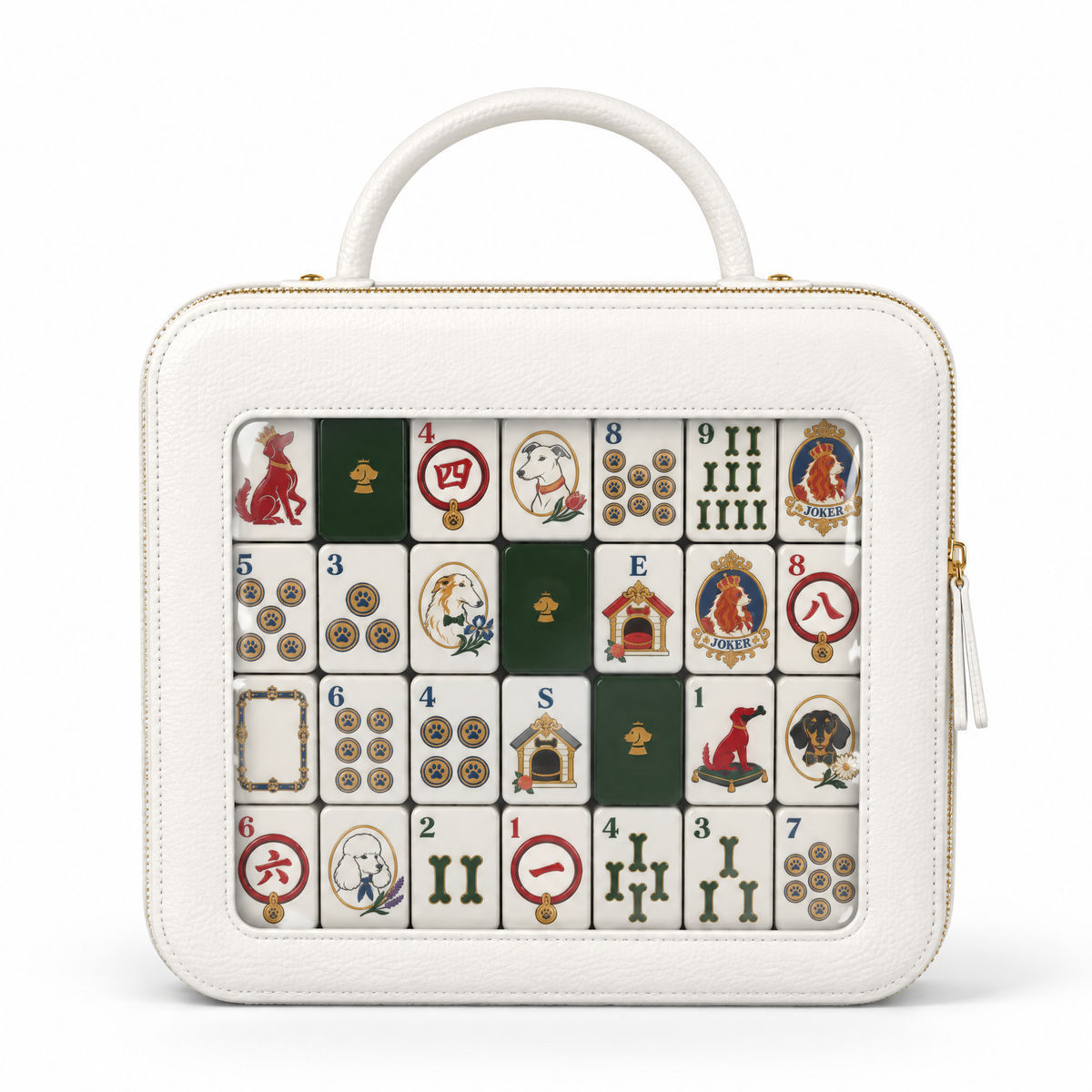
Mahjong lessons in Chattanooga are available through community centers, libraries, senior centers, and informal weekly game groups—search your local Parks and Recreation department website, library bulletin boards, or ask at synagogues and country clubs, which often host games. Most beginner lessons run 1–3 hours and cost between community-center fees (usually modest) or free for member groups. American mahjong uses 152 tiles plus eight jokers, follows the current-year National Mah Jongg League card for legal hands, and takes 1–2 weeks to grasp the basics. Join a group first to observe, learn from experienced players, and avoid the mistake of buying a set before you're sure of your commitment; once you're in, a quality American mahjong set with a mat and rack makes hosting or joining weekly games easier and more enjoyable.
Chattanooga's mahjong scene is quietly active. You'll find games at community centers, synagogues, senior living communities, country clubs, and recreational leagues—the same places bridge and poker groups gather. We've played in towns this size, and the best way to start is to call ahead or show up to an open game rather than wait for a formal "lesson." Most groups welcome newcomers and teach as they play.
Where do I find mahjong groups in Chattanooga?
Start with your city's Parks and Recreation department—search their website for mahjong classes or clubs listed under adult programs. Check your local library's community bulletin board or ask the reference desk directly; librarians know which groups meet in the building. Call ahead to synagogues, senior centers, and private country clubs; many host weekly or monthly games. Meetup.com and Facebook groups sometimes list informal game nights. Visit in person if you can—watching a game for 10 minutes teaches you more than reading rules online.

What does a typical beginner lesson include?
A good lesson covers the 152 tiles, their suits (Bams, Craks, Dots), winds, dragons, and flowers; how to read the current year's National Mah Jongg League card; the Charleston (the tile-passing ritual before play); and one or two sample hands. Most instructors teach hand-reading first—matching a set of tiles to a valid hand pattern on the card—because that's the mental skill American mahjong demands. You'll spend 20–30 minutes on rules, 40 minutes on the card, then play a practice round. Expect to feel confused for the first two hours; that's normal. Most people need four to six sessions before they play confidently, so commit to showing up weekly rather than treating it as a one-off class. Bring a notebook; write down which hands you see others win to build pattern recognition faster.
What's the honest time commitment?
Learning to play casually—enough to enjoy a weekly game without slowing everyone down—takes three to four weeks of playing once per week. Becoming confident at reading the card and making quick decisions takes two to three months. If you want to understand scoring and strategy deeply, add another two months. The barrier isn't intelligence; it's repetition. We've seen players pick it up in a single long afternoon, and others take a month. Don't compare yourself to experienced players—they've seen thousands of hands. Your only job in week one is to show up, ask questions, and follow along.
How much does it cost to get started?
Community-center classes usually charge a per-class fee (check your city's catalog), and some community groups ask for a small table fee per player or play for free. Synagogues and senior centers sometimes charge membership or ask for a donation. Once you're playing regularly, you'll want your own set and mat so you can host or join games at different venues. A quality American mahjong set with a mat runs considerably less than a dining table, and if you host even three games a year, it pays for itself in convenience and social return. See current pricing on our best-selling mahjong sets page.
🀄 Shop best-selling mahjong sets →
What equipment do I need before my first game?
You don't need anything for your first lesson—the host group provides tiles. But once you're in a regular game, having your own American mahjong set removes friction. A set includes tiles, a mat to organize your hand and wall, and a rack with pushers to hold tiles neatly. Many groups share equipment, so ask before buying. If you're the type who enjoys having your own gear or thinks you'll host games, invest in a set with a mat you like—it shows respect for the game and makes shuffle and setup faster. A travel case or bag keeps everything safe if you're moving sets between homes or venues.
What to check before you buy
Set completeness: American mahjong sets are 160 tiles (152 playing tiles plus eight spare jokers). Confirm the count matches the description.
Tile size and grip: Acrylic tiles in the standard American size are easiest for new hands. Hold a sample tile if possible; they should feel solid and not flimsy.
Mat fit: A mat should fit your play table or the groups' table. Measure before buying if you can.
Rack quality: Check that pushers move smoothly and don't jam—you'll use them dozens of times per game.
Spare jokers: A 160-tile set includes extra jokers in case you lose or crack one during play; this is normal and expected.

Can I learn from online videos or books alone?
You can learn the rules from videos or the Mahstead beginner guide, and that's valuable. But American mahjong is a pattern-recognition game played in real time with other people. Online learning teaches you what to do; group play teaches you how fast to do it and which patterns come up most often. We recommend combining a video overview with at least one in-person session before you play in a real game. The social element—seeing how experienced players think, laugh at close calls, and help newcomers—is half the learning. Don't isolate yourself.
How do Chattanooga groups compare to other U.S. regions?
American mahjong rules are identical everywhere in the U.S., so a hand that wins in Chattanooga wins in Dallas or Boston. Some groups play with house rules (like bonus scoring for certain hands), so ask before your first game. The culture varies: some groups are competitive and fast; others are social and relaxed. If your first group doesn't fit, try another. Most cities have multiple venues within 20–30 minutes, so you have options.
Aspect | Community Center Groups | Synagogue/Senior Groups | Informal Home Games |
Atmosphere | Structured, mixed skill levels | Social, often 60+, welcoming | Relaxed, tight friendships |
Time commitment | 1–2 hours per session | 2–3 hours per session | Flexible, often weekly |
Cost | Per-class fee (modest) | Free or membership-based | Usually free or potluck-based |
Learning pace | Slower, beginner-focused | Mixed, but patient | Fast, expect to keep up |
Equipment | Provided | Usually provided | You may bring your own |
🎁 See our most-loved mahjong sets & accessories →
How do I avoid common beginner mistakes?
Mistake 1: Buying a set before playing. You might hate the game, find the community unfriendly, or dislike the time commitment. Play first, buy later.
Mistake 2: Skipping the Charleston. New players sometimes want to skip the tile-passing ritual because it feels slow. The Charleston is essential; it randomizes the game and sets the wall. Play it every time.
Mistake 3: Expecting the card to make sense immediately. The National Mah Jongg League card shows hundreds of valid hand patterns. You won't memorize it. Instead, learn to scan the card quickly by category (Like Numbers, Pairs, Kongs, etc.). This skill builds over weeks, not days.
Mistake 4: Not asking questions. Experienced players expect beginners to ask. "Is that a legal hand?" and "How do I read this pattern?" are questions everyone loves answering. Ask loudly and often.
Mistake 5: Playing with broken tiles. If a tile cracks during shuffle, set it aside and use a joker. Damaged equipment slows the game and frustrates everyone. Acrylic tiles from established makers are durable and rarely break with normal play.
What's next after your first month?
By week four or five, you'll have a preference: do you enjoy the competitive, strategic side, or the social, relaxed side? Or both? Join a group that matches that energy. If you're hosting games or want to build a collection, add a mat in a style you love and consider engraved sets for gifts for friends who catch the bug. Learn to score hands correctly, understand when to push and when to pass, and absorb the unspoken etiquette (never touch another player's hand, announce your tile clearly, keep the pace moving). After three months, you're no longer a beginner. After a year, you're experienced. After five years, you'll be teaching others.
How do I know if mahjong is for me?
If you enjoy puzzles, love playing cards or board games with friends, and don't mind learning a new skill slowly over weeks, yes. If you prefer games where the rules are simple and the strategy is shallow, no. If you like the social aspect—gathering with the same people weekly—mahjong is ideal; the game is just the frame for friendship. If you're looking for a way to keep your mind sharp in retirement or to meet people in a new city, mahjong communities are welcoming and genuine. Most importantly, visit a game before committing. Watch for 15 minutes. You'll know.
✨ Find your Mahstead set — free US shipping →

FAQ
Are Chattanooga mahjong groups beginner-friendly?
Yes. American mahjong communities actively welcome new players. Most groups have a mix of skill levels and expect to teach during play. Call ahead or show up to an open game; avoid assuming a group is "too advanced" without visiting first.
How long before I can play a full game without help?
Most players can follow a game after three sessions. Playing confidently (reading the card quickly, making decisions fast) takes four to eight weeks of weekly play. Expect to be slow and ask questions for the first month; that's entirely normal and expected.
Can I learn American mahjong if I've played Chinese or other variants?
Yes, but unlearn your old rules first. American mahjong has no chows (sequences), no calling off the wall, and a completely different hand system. The tiles look similar, but the game is distinct. Start fresh and don't mix rule sets.
Do I need to own a set to play in Chattanooga?
No. Most community groups and weekly games provide tiles. But if you want to host games or prefer your own equipment, owning a set removes friction. Many players own a set after three months of regular play.
What should I bring to my first lesson?
A notebook to write down patterns you see, a pen, and an open mind. If the group asks you to bring anything (snacks, tiles, or a donation), they'll tell you. Arrive 10 minutes early; watch other players shuffle and sit quietly until someone invites you in.
How do I find a group if my search turns up nothing?
Post a message on local Facebook groups asking "Anyone play mahjong in Chattanooga?" Join Meetup.com and set a search for mahjong within 20 miles. Call your city's Parks and Recreation directly and ask if they're aware of any informal groups. Communities often play quietly—word of mouth will find them.


View More
View More
View More
