
Mahjong Lessons in Boise: Where to Learn & What You Need
Last updated: Nov 23, 2026
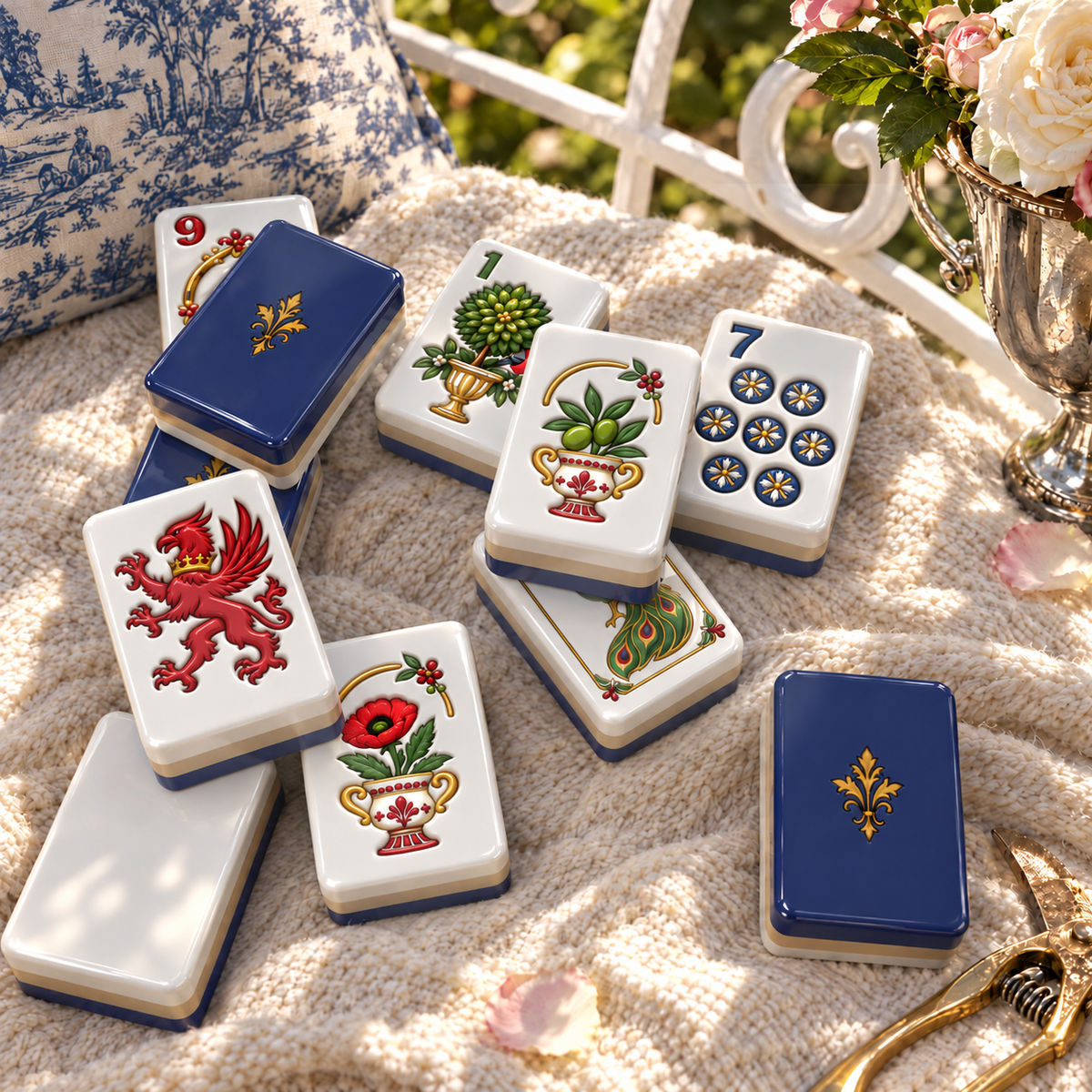
Formal mahjong instruction in Boise is not widely advertised; your best paths are community centers (check Parks & Recreation or library bulletin boards), synagogues and Jewish organizations (often host beginner circles), country clubs with bridge or game rooms, and online instructors via Zoom who teach American mahjong rules, tile recognition, and hand-reading from the current year's National Mah Jongg League card. Lessons typically run 2–4 hours in a group setting or one-on-one; some charge a modest fee, others are free social groups. Before signing up, confirm whether they teach American (152-tile, current card-based, exposed melds only), Chinese, or Hong Kong variants—American is the most common in the western U.S. Between lessons, practice with our best-selling mahjong sets so you build speed and tile memory without confusion during live games.
Where do community mahjong lessons happen in Boise?
Start by calling Boise Parks & Recreation and your local library's community room coordinators; they often know which groups meet weekly and whether instruction is available. Synagogues—particularly those on the north and downtown cores—frequently host beginner mahjong circles on weekday afternoons or Sunday mornings; ask if they welcome non-members. Country clubs and retirement communities sometimes offer lessons; if you have connections, ask directly. Check community bulletin boards at coffee shops, community centers, and the Basque Block—word-of-mouth referrals are how these groups stay alive. Finally, search "Meetup mahjong Boise" or "Facebook groups mahjong Boise" to find players organizing casual game nights that welcome learners.

What should I ask an instructor before signing up?
Ask: Which mahjong variant do you teach—American, Chinese, or Hong Kong? American mahjong uses 152 tiles, requires hands from the current League card, and allows exposed melds (pungs, kongs, quints, sextets) and jokers in flexible positions. Chinese and Hong Kong use 144 tiles, no League card, and different winning rules. How many students per session and how long? Beginner groups work best at 3–6 players; 90 minutes to 2 hours is standard. Will I learn tile names, the card, and meld recognition or mainly play? Solid instruction covers all three in order. Do I need my own set, or is one provided? Most groups supply sets; you're welcome to bring your own engraved set after lesson one.
How do I practice between lessons at home?
Set up a mahjong mat (18" × 24" is standard and defines zones for each player's hand, melds, and discard pile). Lay out all 152 tiles from your set, face-up, grouped by suit (Bams, Craks, Dots), winds, dragons, flowers, and jokers so you recognize each one by sight and touch—speed matters in live play. Use racks with pushers to hold 13 or 14 tiles upright at a comfortable angle; this prevents hand strain and lets you organize by potential melds. Study the current year's National Mah Jongg League card (order it or request it from your instructor) and practice reading the notation: sections are listed by pung/kong/pair combinations and ranges. Pick a hand from the card at random, build it with tiles, and time yourself—3 to 5 minutes is a realistic goal for a beginner. Play slow-motion games with one friend or a Zoom group where players narrate each move; this builds pattern recognition faster than passive watching.
What's the difference between learning American vs. other variants?
Mahjong Variant Comparison
Variant | Tiles | Winning Hand | Exposed Melds | League Card | Discard Strategy |
American | 152 + 8 jokers | Hand from current card only | Yes: pungs, kongs, quints, sextets | Required | Card dictates all melds |
Chinese | 144 | Combinations of pungs + chow (1-2-3 sequence) | No; hidden until win | None | Flexible; chows strategy-heavy |
Hong Kong | 144 | Pungs + chow; complex scoring tables | Limited; mostly hidden | None | Hand-reading, luck-based |
American mahjong is the easiest to learn systematically because the card removes guessing: every winning hand is printed and ranked by point value. You memorize shapes, not endless combinations. Chinese and Hong Kong require learning which hands are legal through practice and memorization—no card. If your Boise group says "American," stick with our mahjong for beginners guide and the League card; you'll progress faster than if you jump between variants.

What equipment makes home practice actually stick?
A dedicated setup is the difference between dabbling and building real skill. Invest in a mat with a durable playing surface—the zones guide tile placement, preventing the chaos of tiles sliding on a bare table. Racks hold your hand upright and stable so you're not squinting or hunching; this matters during long practice sessions. Use a single, high-quality set; switching between sets confuses tile recognition because acrylic sets vary slightly in size, color saturation, and character font—your eyes and hands learn one set fast. Store your set in a padded bag or case so tiles don't crack, and you're not hunting for the missing 5 Crak when your study buddy arrives. Keep the League card laminated and at the table so you reference it without fumbling. This sounds fussy, but Boise players who own their own set and mat practice 2–3× more often than those who borrow kits. 🀄 Shop best-selling mahjong sets →
How long until I'm ready to join a regular game?
Most learners need 4–6 weeks of 1–2 hours weekly practice before they're comfortable joining a casual game. By week two, you recognize all tiles and can read the League card. By week four, you're building hands without hesitation and calling melds confidently. By week six, you understand the discard rhythm and basic strategy—when to hold onto Flowers, how exposed melds shift the table's flow. Expect to be slightly slow the first game; that's normal and forgiven. Bring a printed card, ask before calling a meld, and thank the table for the experience. Most groups are warm to genuine learners. Once you've completed a full game (about 2 hours), you're no longer a beginner; you're a player who keeps improving with each round.
🎁 See our most-loved mahjong sets & accessories →
What to check before you buy a set for home practice
Set completeness: Verify your set has all 152 playing tiles (3 suits × 9 numbers × 4 copies = 108, plus 16 winds, 12 dragons, 8 flowers, 8 jokers). Our sets come with 160 tiles, so you have spares if one cracks.
Tile clarity: Ensure characters are large, crisp, and in high contrast (dark on light). Boise's sunlight is bright; avoid sets with tiny fonts or thin printing that fades.
Rack fit: If buying racks, check the specifications match your set's tile size—usually 1.25" wide. A loose tile wobbles and breaks focus.
Mat surface: Look for a non-slip backing and raised wall edges to contain tiles during shuffles. A mat that slides on your table will drive you crazy.
Storage: Pick a bag with foam dividers if you plan to transport your set; cardboard boxes work for home-only storage.
Read reviews from other Boise or Pacific Northwest buyers on product pages—they mention weather, humidity, and how long sets last in our climate.
✨ Find your Mahstead set — free US shipping →

FAQ
Do I need to find an in-person lesson, or can I learn mahjong online?
Both work. Online lessons (often via Zoom) let you learn rules and card-reading on your schedule; you'll need to join a live game to build speed and table etiquette. In-person is faster for recognizing tiles and reading body language. Ideally, combine both: one or two online sessions to grasp rules, then a local group for practice.
Is American mahjong actually played in Boise, or should I learn Chinese?
American mahjong is far more common in the western U.S., especially in Boise's larger Jewish community and among retirees. Ask your instructor which variant the local groups play before investing in a set. A 152-tile American set won't help you in a Chinese-only game.
What's the minimum number of people needed for a mahjong game?
American mahjong is designed for exactly four players. We have rules for two and three players, but they're unofficial variations; learn the four-player game first, then adapt if needed.
Can I practice mahjong alone, or do I need other people?
Solo practice builds tile recognition, card-reading, and hand combinations—all essential. But mahjong is a social, four-player game; you must practice with others to learn rhythm, discard strategy, and the pressure of a live call. Practice alone 30 minutes, then find a group for the real game.
How much should I expect to spend on a beginner set and mat?
See current price on the product pages for specific sets and mats; prices vary by design and material. Most learners start with a mid-range set and a standard mat, then upgrade once they commit to regular play. A mat and racks last years; a set is a one-time investment.
Should I buy a personalized or engraved set, or will a plain one teach me just as well?
A plain set teaches the game just as well. Personalized sets are gifts or rewards for committed players. For home practice and first games, any clear, durable set from our collection works fine; pick one that speaks to you visually so you actually use it.


View More
View More
View More
