
Mahjong Lessons in Baltimore: Where to Learn & How to Start
Last updated: Nov 23, 2026
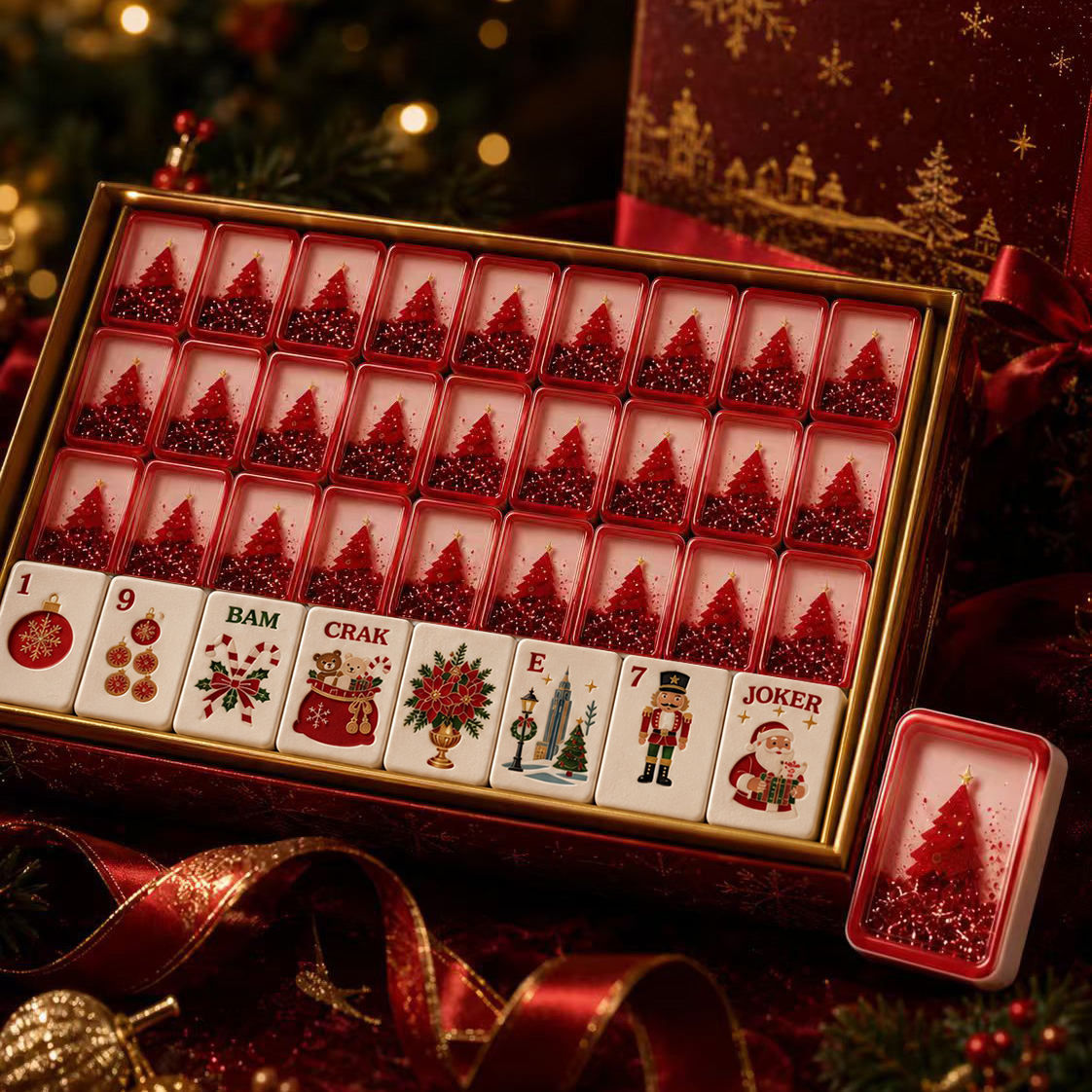
Mahjong lessons in Baltimore are available through community centers, libraries, synagogues, country clubs, and meetup boards—search those venues directly for current schedules. Most beginner lessons run 90 minutes to two hours and cover tile anatomy, hand-reading basics using the National Mah Jongg League card, and the Charleston (the tile-passing ritual). Expect to learn American mahjong, which uses 152 tiles across three numbered suits, winds, dragons, flowers, and jokers—no sequences allowed, only pungs, kongs, and special shapes from the annual card. Group lessons typically meet weekly or biweekly and cost vary by instructor; private tutoring is pricier but faster. Once you're ready to host, a best-selling acrylic set with a padded mat makes play comfortable for four players.
Where do Baltimore players actually find lessons?
Check your local community center first—many in Baltimore neighborhoods run beginner mahjong classes, often led by long-time players. Public libraries sometimes host open game nights where experienced players teach newcomers informally; call or visit their website. Synagogues and country clubs in the greater Baltimore area frequently run mahjong groups; inquire by phone or check their activity calendars. Facebook Meetup groups and Nextdoor boards list current game times—search "mahjong Baltimore" and "mahjong near me." Word of mouth from friends already playing is gold; ask if they know a weekly game accepting new learners. Many groups have a "teaching Thursday" or beginner slot before regular play starts. Start with wherever meets your schedule and comfort level; switching groups later is easy once you know the basics.

What will a first lesson actually cover?
A typical first lesson introduces the 152-tile deck: three numbered suits (Bams, Craks, Dots from 1–9), winds (North, East, West, South), three dragons (Red, Green, White), eight flowers, and jokers. The instructor will show you how to hold tiles on a rack, explain the four players' roles (East, South, West, North), and walk through the Charleston—the pre-game tile exchange that randomizes your hand. Expect one to two hours of hands-on practice with a real set. You'll learn to read the National Mah Jongg League card, which shows all legal winning hands for that year; memorizing it is unnecessary at first, but recognizing patterns matters immediately. Most lessons skip scoring on day one and focus on spotting a pung (three identical tiles) versus a kong (four), and how jokers act as wild cards in combinations. Bring a notebook; write down any terminology that sticks and any hand shapes that confuse you.
🎁 See our most-loved mahjong sets & accessories →
How long until a beginner can play a real game?
You can play a legal game after three to four lessons—about four to six weeks of weekly practice. A beginner's mind learns tile recognition, hand-reading speed, and the flow of play (drawing, discarding, calling hands) in that timeframe. The tricky part is not speed but confidence: calling a hand means declaring it complete and collecting payments. Most teaching groups let you play with "trainer" rules the first few times—lighter penalties for mistakes, patient table-mates, optional play. Real games with full scoring come naturally after two or three casual group plays. Some learn faster (two weeks), some need eight; experience with cards or games helps but isn't required. The key is weekly practice with the same set of players and access to a real National Mah Jongg League card so you're reading the same hands as everyone else.
What equipment do you need to host your first home game?
Once you've taken lessons, hosting is straightforward. You need a complete American mahjong set (152 tiles, 8 jokers, paid tiles for scoring), a flat surface or a padded mat to protect tiles and define play zones, and individual racks with pushers so each player can hold tiles neatly. A scoreboard or paper tracker works; a bell or chime signals the end of a round. Print a current National Mah Jongg League card for each player or display one centrally. Store your set in a reinforced bag or case if you plan to travel. Acrylic sets are durable and loud enough to enjoy the click of tiles, and engraved designs add a personal touch if you're hosting regularly. Light, good sight lines, and a quiet room matter more than fancy furniture; a dining table and four chairs work perfectly.
Setup Element | Why It Matters | Beginner Approach |
Tile set (152) | Legal play requires exact count | New acrylic set, 160-tile includes spares |
Padded mat | Protects tiles, defines zones | Folds for storage, free shipping on Mahstead |
Racks & pushers | Holds tiles upright, hides your hand | One per player, easier than hand-holding |
Current card | Reads legal hands for 2026 | Print or photo from NMJL; update yearly |
Scoreboard | Tracks points clearly | Pen and paper fine; phone app optional |
✨ Find your Mahstead set — free US shipping →

What are the most common beginner mistakes, and how do you avoid them?
Mistake 1: Not learning to read the card first. The National Mah Jongg League card shows the only hands you can declare. Trying to win with a shape you think is legal but isn't kills a game. Fix: Spend 15 minutes before your first game scanning the card's sections—flowers with numbers, winds, dragons, pairs—so you know where to look mid-game.
Mistake 2: Calling a hand too fast. Declaring a mahjong prematurely (when your hand isn't actually complete) costs you. Fix: Count your tiles twice—you need 14: one pair plus four melds of three or four tiles each—and match the exact pattern to the card before saying "Mahjong."
Mistake 3: Misplacing jokers. Jokers can replace any tile within a meld (pung, kong, or longer), but never in a single tile or a pair. New players accidentally use jokers as a second pair or discard them by mistake. Fix: Always place your jokers in a visible line on your rack; before playing, confirm each joker is inside a meld of at least three tiles.
Mistake 4: Discarding tiles without thinking ahead. Throwing live tiles (tiles that could win hands for opponents) too often gifts wins to better players. Fix: In early rounds, discard the most unusual tiles first—high winds or dragons—and save pairs and number runs longer.
Mistake 5: Forgetting the Charleston. This tile-passing ritual before each game sets your starting hand. New players sometimes skip it or lose track of who passes where. Fix: Practice the Charleston once solo with a friend—pass right, pass left, pass across—before your first real game. It's mechanical but critical.
Mistake 6: Playing with an incomplete or incorrect set. American mahjong must use exactly 152 tiles (108 in suits, 16 winds, 12 dragons, 8 flowers, 8 jokers). Short sets or substitutes break the game's odds. Fix: Buy a complete new set from a reputable maker rather than mixing old tiles or using hand-me-downs of unknown origin.
How does Baltimore's mahjong culture compare to other US cities?
Baltimore has steady beginner interest, especially in the Roland Park, Federal Hill, and Inner Harbor neighborhoods, but fewer high-level tournaments than New York or California. Most Baltimore games are casual, four-player home groups or weekly meetups—perfect for learners. Instructors here often teach American mahjong exclusively; you won't encounter Hong Kong or Riichi variants in local beginner classes. Tile sets are easier to source now than a decade ago; acrylic designs with custom engravings appeal to gift-givers and new hosts. The city has no single mahjong hub, so the learning curve depends on finding one regular group and sticking with it. Once you do, word spreads, and you'll be invited to other games. Baltimore players tend toward friendly, slower-paced tables that welcome questions—a real advantage for new learners compared to speed-focused regions.
🀄 Shop best-selling mahjong sets →
What to check before you buy a set for home practice
When you're ready to buy, verify the set includes exactly 152 playing tiles plus 8 jokers (Mahstead 160-tile sets include spare tiles for durability). Confirm the tiles are acrylic or bamboo—durable, not resin or plastic that chips. Check that the set has pushers for each player; racks alone are incomplete. Read whether jokers are included (non-negotiable; you cannot play without them). Verify the set ships with a mat or confirm you're buying one separately. If you're gifting, choose a design or engraving style that matches the recipient's taste—we offer engraved sets with custom titles if they're a regular host. All Mahstead sets ship free across the US, so compare what's included on the product page rather than total cost. Ask the seller or check FAQ if you're unsure; a $X difference might mean missing a mat or spares.

FAQ
Can I take online mahjong lessons instead of in-person classes in Baltimore?
Yes. Video tutorials and Zoom classes work for learning tile anatomy and card-reading. However, in-person lessons with a real set are faster—you feel tile weight, practice the Charleston with partners, and get immediate feedback on mistakes. Hybrid learning (online basics, then in-person practice) is ideal for busy adults.
Do Baltimore instructors teach American mahjong or other variants?
Most beginner lessons in Baltimore teach American mahjong, which uses the National Mah Jongg League card and no sequences. If a group mentions Hong Kong, Chinese, or Riichi mahjong, ask upfront; rules differ significantly. Stick with American for your first game so you're aligned with local play.
What's the typical cost for a beginner mahjong lesson in Baltimore?
Costs vary by instructor and group; community center classes are usually lower than private tutoring. Contact your local center or meetup organizer directly for current pricing. Casual weekly game groups often charge a small table fee or ask for voluntary donations, or play for fun with no stakes.
Can I learn mahjong if I've never played cards or board games?
Absolutely. Mahjong is pattern-recognition and probability, not card strategy. Beginners with zero game background learn as quickly as experienced players—often faster because they don't carry habits from other games. All you need is focus and weekly practice.
How often should I practice before hosting my own game?
After 4–6 weeks of weekly lessons and casual play, you're ready to host. Invite your fellow learners or friends who've played before; mix experience levels. Your first host game is informal; scoring and strict adherence matter less than everyone having fun and playing full rounds without confusion.
Is it worth buying an expensive engraved set, or should I start with a basic one?
Start with a best-selling basic set if you're new—tile quality and durability matter; aesthetics matter less. Once you're hosting weekly and know your taste, upgrade to an engraved or designer set as a long-term investment. Sets last decades if stored properly, so quality pays off.


View More
View More
View More
