
White Mahjong Accessories: What to Buy & Why
Last updated: Nov 23, 2026
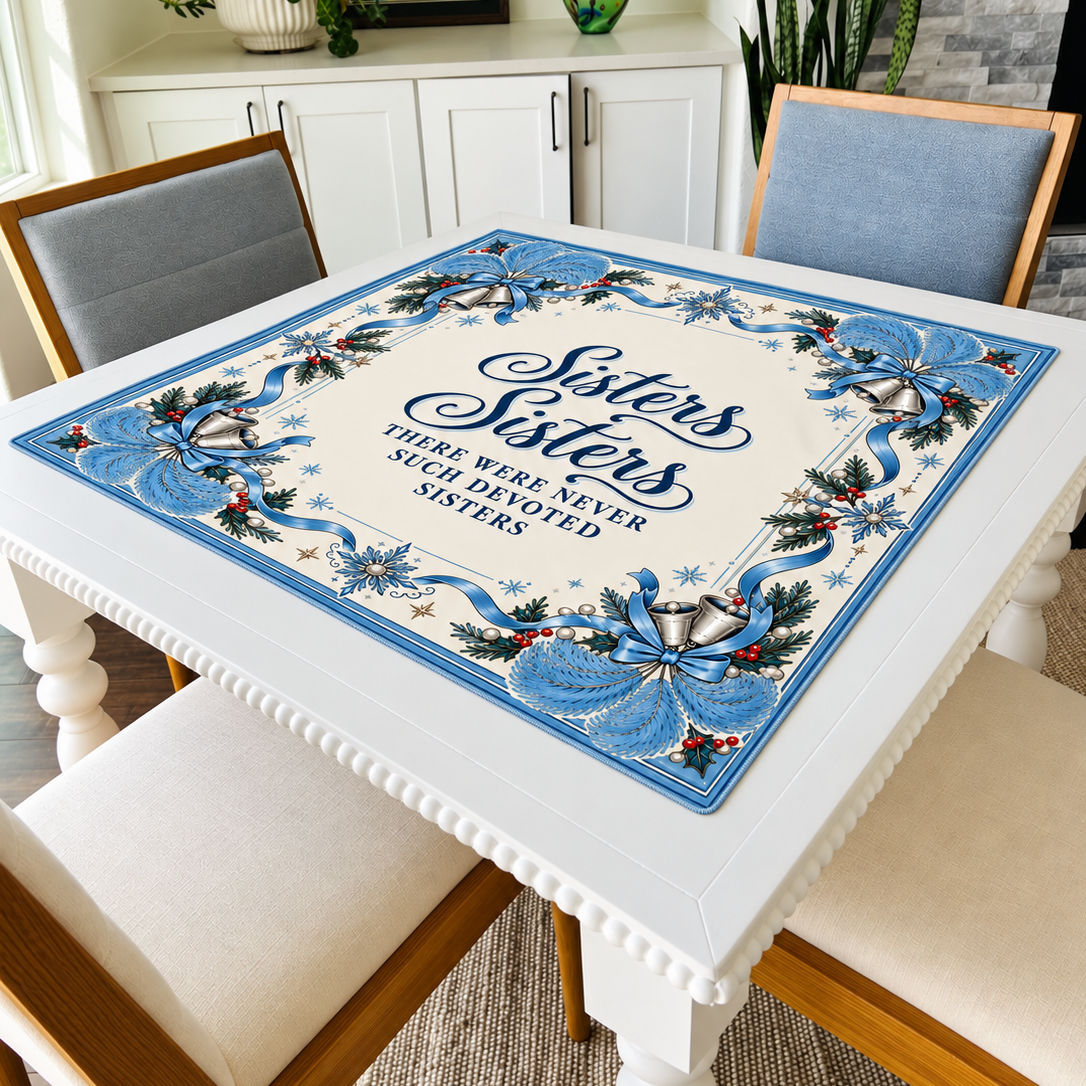
"White" in American mahjong refers to the Soap dragon tile (the zero in Dots) and the white/blank tiles in competitive sets, but colloquially players often search for sets with cream, ivory, or pale stone-colored tiles overall. White accessories—mats, racks, cases, and dice—serve three purposes: durability, visual contrast (so tiles read clearly on the playing surface), and aesthetics for home games. Our best-selling white-toned and light-colored mahjong sets come in acrylic (shatter-resistant), bamboo-composite, and bone-look finishes; the choice depends on whether you prioritize portability, tradition, or professional-grade longevity. Most players pair a light set with a matching mat and padded case for protection during storage and travel. White accessories cost less than specialty designs but wear faster under heavy play; we recommend checking tile-face durability (stamped vs. painted) and set weight before ordering. 🀄 Shop best-selling mahjong sets →
What does "white" mean in a mahjong set?
In American mahjong, "white" has two precise meanings. The Soap dragon (the fourth dragon type) is literally white and represents zero in the Dots suit—it appears on the current year's card in specific hand patterns. Separately, players often refer to light-colored sets (cream, ivory, pearl, or pale stone) as "white" even if the official dragon tile is ornately printed. When searching for accessories, clarify whether you want traditionally white Soap dragons (they're in every American set) or a pale-toned aesthetic for your entire collection. The confusion arises because vintage bone-and-bamboo sets naturally age to cream tones, while modern acrylic "white" sets are manufactured in uniform pale shades.
Which white accessories do weekly players actually use?
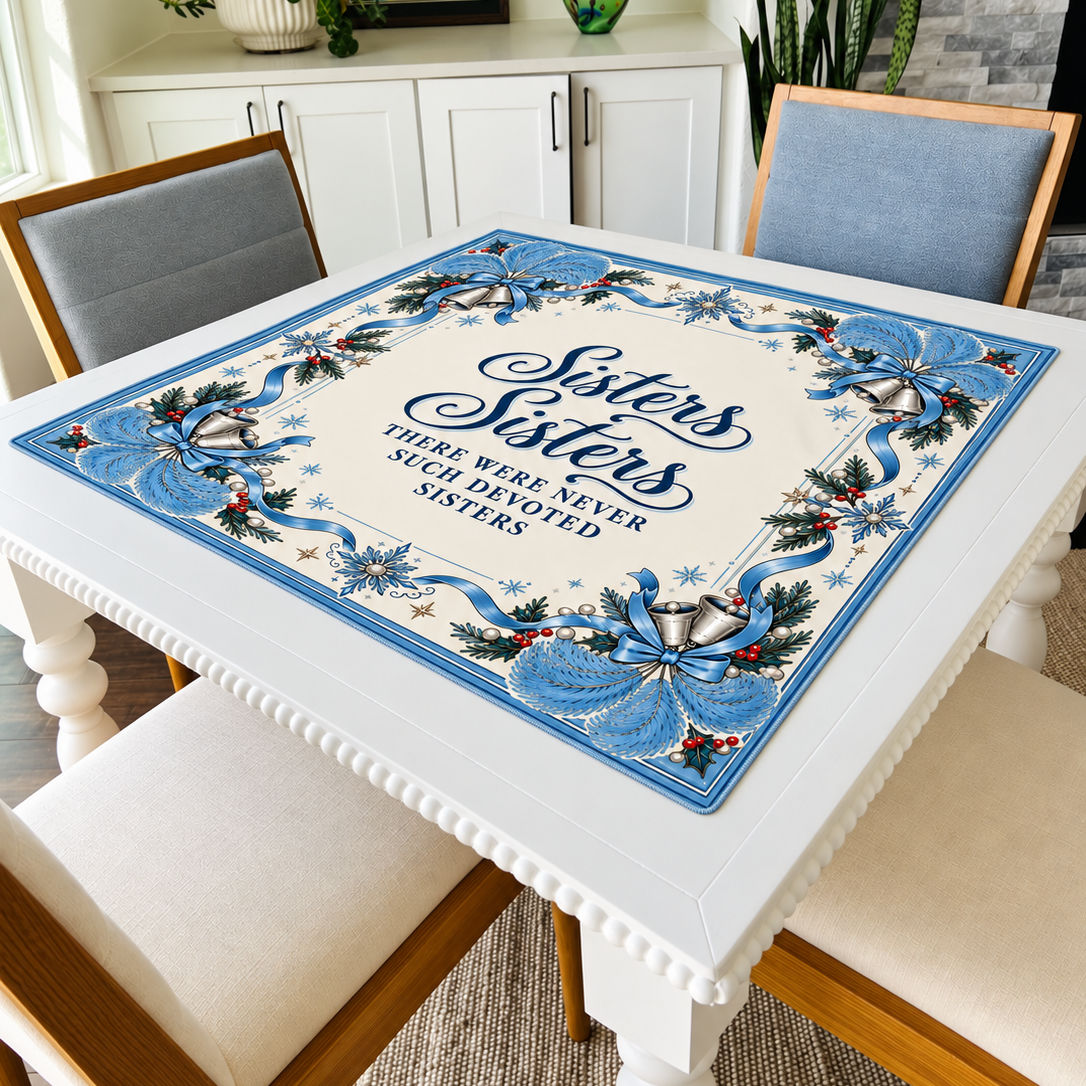
We host games with four standard white accessories on the table: a padded mat (6' × 3'), racks with pushers for each player, a tile case for storage, and a pair of white or pale-colored dice. The mat protects tiles and muffles sound; racks with pushers hold tiles securely during play so nothing tips during the Charleston or a close game. A travel bag or case keeps tiles, dice, and rule cards organized between sessions. White mats and light-colored racks reduce glare compared to dark surfaces and make tiles easier to read—especially important if your game group includes players with vision concerns. Most casual groups add a single case; competitive players carry mats, racks, dice, and backup jokers in a dedicated bag.
🎁 See our most-loved mahjong sets & accessories →
How do white tile durability and finish types compare?
Finish | Durability | Best for | Maintenance | Cost basis |
Acrylic (painted) | High; 5–10 years casual play | Weekly home games, travel | Wipe with soft cloth | Mid-range |
Acrylic (engraved) | Very high; 10+ years | Competitive, frequent play | Clean cloth only | Mid to premium |
Bone-bamboo blend | Medium; 2–5 years | Traditional aesthetics, display | Occasional oiling needed | Premium |
Resin (pale stone-look) | High; 5–8 years | Tournament backup sets | Dry cloth | Mid to premium |
Acrylic tile faces hold paint or engraving well under repeated shuffling; engraved designs outlast painted ones because the text is carved into the tile rather than applied on top. Bone-bamboo sets have charm but require care—humidity and temperature shifts cause warping, and the face paint (often watercolor-based on vintage sets) fades faster than modern epoxy. If you play weekly, acrylic or engraved acrylic white accessories outlast bone by years. Resin and composite materials split the difference: durable and low-maintenance but slightly heavier to carry.
✨ Find your Mahstead set — free US shipping →
Should you buy a white set with matching mat, racks, and case together?
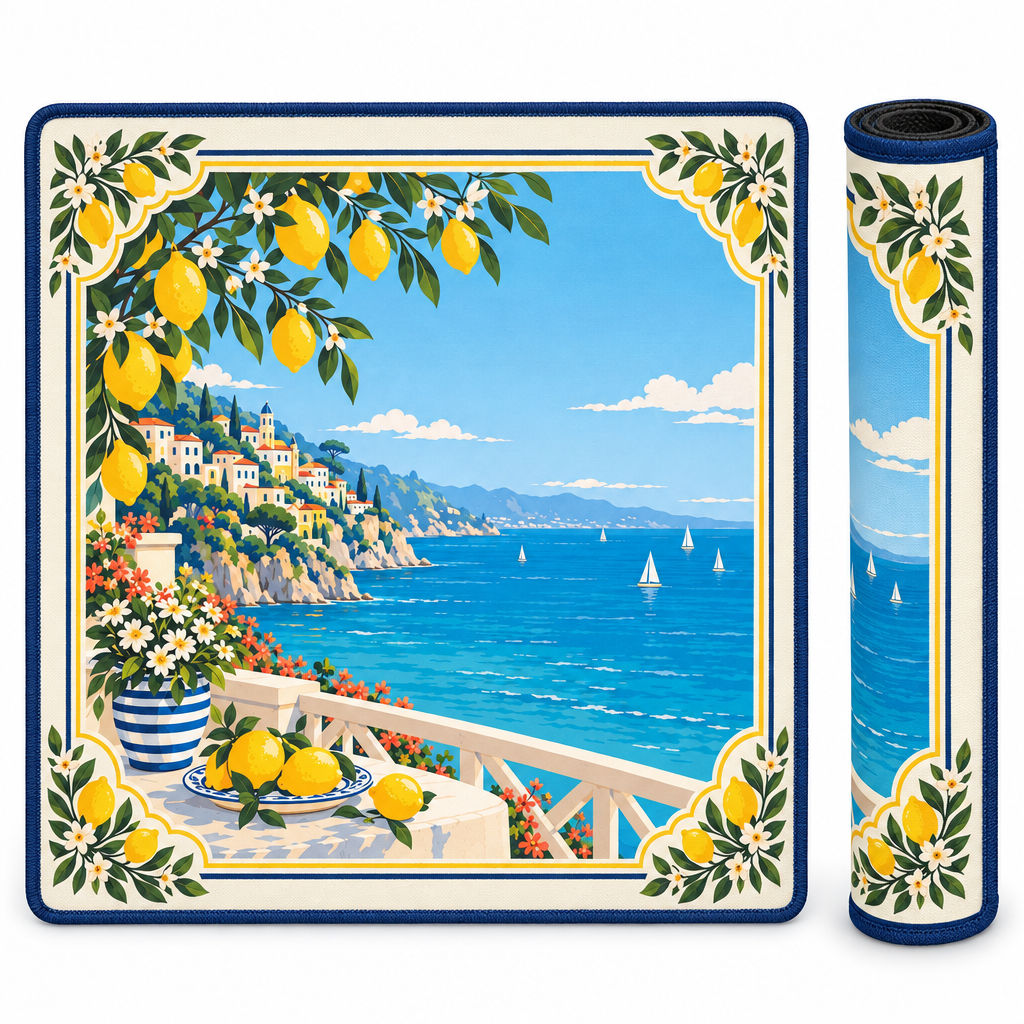
Matching your set to your mat and racks creates visual cohesion and makes teaching new players easier—everyone sees the same aesthetic. Sets from our best-selling collection pair naturally with cream or ivory mats and pale-colored racks. However, you don't need to buy all at once. Start with a durable set; add a mat after your first month if you play weekly on a hard table (it prevents tile movement and protects the table surface). Racks with pushers come next if you notice tiles tipping during the Charleston. A padded case is essential only if you travel or store the set away from the playing table. Many groups buy sets and mats as a bundle and add racks and cases over time as their commitment deepens.
What should you check before ordering white mahjong accessories?
Before you buy, verify five details. Set size: our standard American sets contain 152 playing tiles plus spare jokers in 160-tile packaging—confirm your set matches the official 152-tile count (not 144 or 166, which aren't compliant with the National Mah Jongg League card). Tile weight and feel: heavier tiles (bone or thick acrylic) feel premium but are harder to shuffle if you have arthritis; lighter acrylic suits faster, noisier play. Face legibility: engraved designs remain readable after 1,000 shuffles; painted faces may chip. Mat compatibility: measure your table and choose a mat that fits (most are 72" × 36"); white and cream mats work with light sets. Shipping and spares: we offer free US shipping, and spare tiles (extra jokers and blanks in the 160-tile package) cover accidental losses—check that your order includes them.
White accessories: a quick buying guide
For casual weekly home games: Choose a light-colored acrylic set with a cream or white mat. Racks with pushers are optional but recommended. Budget for the set, mat, and one case. This setup costs less than a single premium set and lasts 5+ years.
For competitive or frequent play: Invest in an engraved white or pale set (face text won't fade), a padded tournament-grade mat, and racks with non-slip bases. Carry everything in a dedicated travel bag. Engraved tiles justify the cost if you play 2+ times weekly.
For display or gifting: Consider our engraved mahjong sets with custom titles or designs. Paired with a white mat, they double as decor. These don't need heavy-duty cases—a soft fabric bag preserves them.
For beginners: Buy a white starter set (acrylic, standard) with one mat. Skip specialty racks at first; use the paper racks included in most sets to learn the game. Upgrade as you play more.
What to check before you buy:
Set count: Does your set contain exactly 152 playing tiles (not 144 or 166)?
Tile thickness: Are tiles 3⁄8" to 1⁄2" thick? Thinner tiles feel cheap and crack easily.
Engraving or paint: Engraved faces survive 5+ years of heavy play; painted faces fade after 2–3 years.
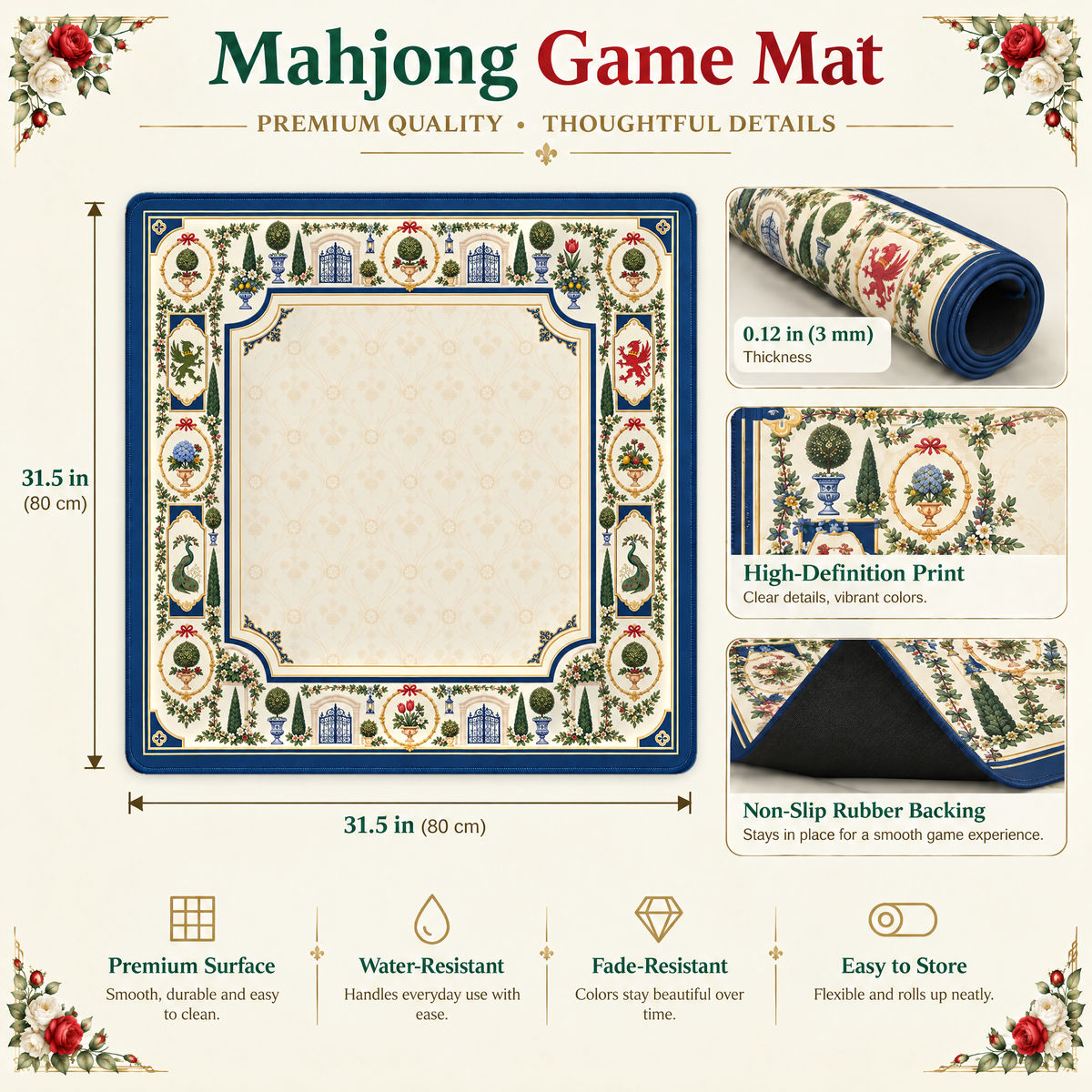
Mat padding: Is the mat at least 1⁄4" thick and non-slip underneath?
Rack stability: Do racks have rubber feet? Tiles should not slide during tile-taking.
Case compartments: Can the case hold tiles, dice, rule card, and spare jokers separately?
Free shipping: Confirm your order includes free US shipping before checkout.
FAQ
Can I use white accessories with any color mahjong set?
Yes. White mats, racks, and cases work with any set color. We pair them most often with light-colored sets (cream, ivory, pale stone) for visual continuity, but a white mat under a dark set increases contrast and readability—both work fine.
Do white tiles show dirt more than darker tiles?
Yes, pale tiles show dust and oils faster. Wipe tiles with a soft, dry cloth before and after play. Store them in a closed case to minimize dust settling on the faces.
Are white acrylic tiles the same as white bone tiles?
No. Acrylic is plastic and extremely durable; bone is porous, prone to warping in humidity, and more fragile. Acrylic is easier to clean; bone requires occasional oiling and careful drying.
What size white mat do I need for a standard four-player game?
Most mats are 72" long × 36" wide, which fits a standard 36"–48" dining table. Measure your table first; some larger tables need 84" mats (we can advise based on your table dimensions).
Should I buy matching white racks and pushers, or are generic ones fine?
Mahstead racks with pushers are designed to grip acrylic tiles securely and reduce noise. Generic racks may slip or wobble. If you play weekly, matched racks pay for themselves in stability and tile protection.
Can I mix white accessories from different brands?
Yes, but fit may vary. Mats from one maker might not align perfectly with racks from another. We recommend keeping mat, racks, and case from the same collection for reliable compatibility.
How often should I replace white mahjong tiles?
Acrylic tiles last 5–10 years of casual play (1–2 games weekly); engraved acrylic lasts 10+ years. Bone tiles last 2–5 years depending on humidity and storage. Replace individual cracked tiles rather than entire sets if possible—we sell spares.


View More
View More
View More
