
Clear Mahjong Tiles: Which Style & Set Works for You?
Last updated: Nov 23, 2026
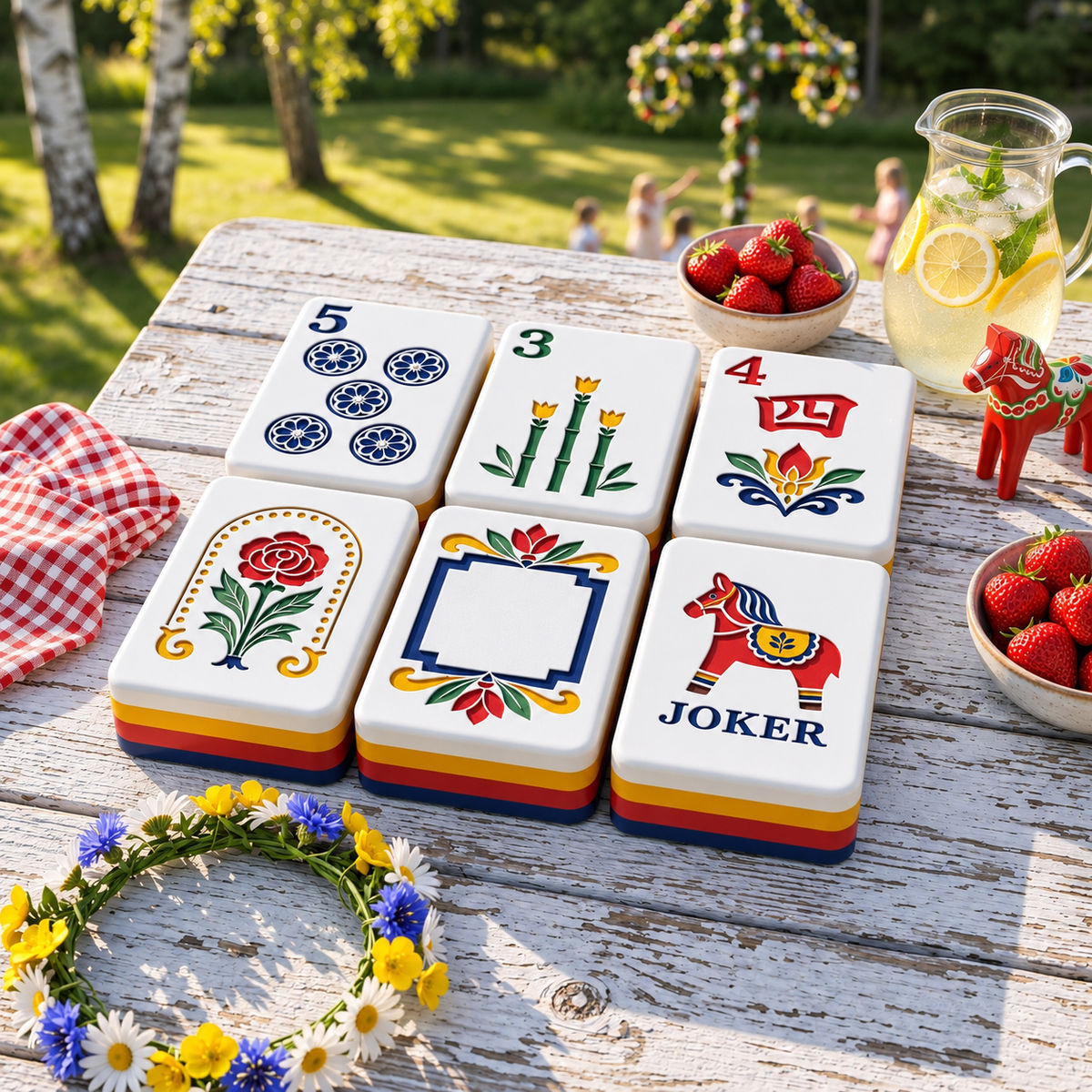
Clear acrylic mahjong tiles are transparent tiles made from durable polymer, engraved with Bam, Crak, and Dot symbols plus winds, dragons, flowers, and jokers in one complete 160-tile American set. The clarity lets all players see tile faces instantly—no squinting—while engraving (etched or painted details) remains visible from any angle. You'll find clear sets in solid transparent, frosted finishes, and designs with colored accents or hand-painted artwork on each tile. They cost more than bamboo-and-bone sets but last decades with normal care; they're less prone to warping and easier to wash. Choose clear tiles if you host regularly, value durability, or need accessibility; avoid them only if you prefer traditional bamboo aesthetics or have a very tight budget. Mahstead's engraved American mahjong sets include clear acrylic options in multiple designs, each shipped with a protective case and pushable racks.
What exactly makes clear tiles better for gameplay?
Acrylic transparency eliminates the main pain point of tile reading: you see the face instantly from across the table, even during the draw phase. Light reflects through the tile, making symbols—especially fine details on 1 Bams (the bird) and flowers—sharp and unmistakable. Bamboo-and-bone tiles require you to tilt them toward your lamp or squint at painted surfaces that wear thin over years. Clear tiles also never yellow or fade; the engraving stays legible forever because it's etched into the material itself, not painted on top.

How do engraving styles affect what you see?
Deep etching—where grooves are carved into the acrylic—catches light and creates shadow contrast, making symbols pop even under dim overhead lighting. Light etching or hand-painted designs rely more on pigment color; they're beautiful but can feel less readable in poor light. Some clear sets combine both: etching for the basic outline and colored paint inside the groove for a two-tone effect (e.g., red Craks, green Bams, white Dots with red accents). When you're comparing tiles in our collection, ask whether the set photo shows close-ups under normal table light—that's your real-world view.
Which finish—crystal clear or frosted—matters for play?
Crystal clear (full transparency): Light travels straight through; symbols are sharp and high-contrast. Best for serious players who want maximum readability and enjoy the jewel-like aesthetic. Reflects table light and surrounding colors, which some find distracting.
Frosted (semi-transparent, milky surface): Diffuses light evenly; reduces glare and gives a softer, more elegant look. Symbols are equally readable but feel less bright. Better for players with light sensitivity or those hosting in well-lit rooms where glare matters. Frosted tiles cost slightly more due to surface treatment.
Comparison for decision-making:
Finish | Best For | Light Conditions | Aesthetics | Durability |
Crystal Clear | Serious play, accessibility | Dim to moderate | Bright, jewel-like | Excellent |
Frosted | Long game sessions, glare-sensitive | Any (even bright) | Elegant, soft | Excellent |
Colored Accents | Visual interest, gift sets | Moderate | Playful, modern | Excellent |
Pick crystal clear if readability is your top goal; choose frosted if you play in bright spaces or prefer a refined look.
What about hand-painted versus engraved symbols?
Hand-painted tiles feature artwork—dragons might be illustrated as mythical creatures, flowers as botanical scenes, winds as directional symbols with calligraphy. This approach appeals to collectors and players who value artistry; each set becomes a conversation piece. The downside: painted details can chip under heavy use (shuffling, stacking), and you're investing more upfront for aesthetic pleasure than gameplay advantage.
Engraved tiles (symbols carved into the acrylic) are more robust for weekly play. The symbol is permanent, no maintenance needed, and the tactile groove feels good in your hand. Engraving costs less than hand-painting, so sets tend to be more accessible. Most American players prefer engraved because the focus stays on the game, not the tile art.
Our recommendation: Start with engraved clear tiles if you're a newer host; upgrade to hand-painted sets for special occasions or as a gift.
🀄 Shop best-selling mahjong sets →
What should you check before ordering clear tiles?
1. Full tile count: Confirm the set includes 160 tiles (152 playing tiles + spares) and 8 jokers. Don't assume; some sellers list tile counts vaguely.
2. Engraving photo close-up: Look for high-resolution photos under actual table lighting, not studio lighting. Symbols should be crisp and easy to read in your home's lighting.
3. Set comes with: Verify the box includes a protective case (to prevent tile cracking during transport and storage), racks with pushers, and a carrying bag if you plan to host at friends' homes. Mahstead sets include these by default; some competitors don't.
4. Finish sample: If the listing offers both frosted and clear versions, order whichever matches your table's lighting and your eye comfort. You can't fully judge finish from photos alone.
5. Joker visibility: Ask whether jokers are blank acrylic or engraved with a joker symbol or number. Blank jokers are traditional but easier to misplace; marked jokers simplify hand tracking.
6. Shipping protection: Clear acrylic tiles can crack if shifted in transit. Confirm the packaging includes padding around each tile stack (most reputable makers use foam inserts). Mahstead ships all sets with protective cases included.

How do clear tiles compare to bamboo-and-bone for hosting?
Feature | Clear Acrylic | Bamboo-and-Bone |
Readability | Excellent (translucent) | Good (painted surface) |
Durability | 20+ years, no warping | 10–15 years, may warp |
Maintenance | Wipe with soft cloth, no special care | Dry immediately after washing |
Aesthetics | Modern, elegant | Traditional, warm |
Cost basis | Higher upfront | Lower upfront, replace sooner |
Best for | Weekly games, serious play | Casual, gift (nostalgic appeal) |
For regular hosting, clear acrylic saves money long-term and eliminates tile-reading friction. Players appreciate the clarity, and hosts love the durability.
Are clear tiles good for beginners?
Absolutely. Beginners benefit most from tile clarity—they're still learning symbols and combinations, so squinting at painted surfaces adds frustration. Clear tiles let them focus on strategy and the National Mah Jongg League card instead of struggling to see what they're holding. Pair clear tiles with a beginners' guide and a printed card holder, and you've built a welcoming first experience.
Should you buy a set with matching mat and case?
Yes, for most home players. A matching mat protects your table and contains tiles in a defined play area; a case protects tiles during storage and transport. Buying a bundled set ensures all pieces fit together logically. However, if you already own a mat you love, you can buy tiles separately—Mahstead offers standalone options as well as full best-selling collections with mat and case included.
🎁 See our most-loved mahjong sets & accessories →
Red flag: what NOT to do when buying clear tiles
Don't assume all clear sets are the same. Photo quality varies wildly; a poorly lit photo can make excellent engraving look cheap, and vice versa. Always read the product description for finish type, engraving method, and what's included.
Don't skip the case. Transit damage is the only real risk with acrylic; a cracked tile ruins a hand and costs more to replace than buying a good case upfront.
Don't buy based on price alone. Clear tile sets range in cost depending on design complexity and engraving depth. A lower price might mean lighter engraving (less readable) or fewer accessories. Compare what's in the box, not just the tile cost.
Don't assume "frosted" means dull. Frosted clear tiles are just as elegant as crystal; the finish simply suits different lighting and preferences.
✨ Find your Mahstead set — free US shipping →

FAQ
Can you use clear tiles with an older wooden rack?
Yes. Clear acrylic tiles are standard size (about 1 inch × 1.3 inch); they fit any traditional wooden rack designed for bamboo tiles. However, newer racks with pushers (small sticks that help you move tiles smoothly) are designed for acrylic and make gameplay much easier.
Do clear tiles get cloudy over time?
No. High-quality acrylic remains transparent for decades. Dust or residue on the surface can make them look hazy, but a soft cloth and lukewarm water restore clarity instantly. They don't yellow or degrade like cheaper plastics.
Are frosted tiles harder to clean than crystal clear?
Slightly. The frosted surface texture can trap dust in microscopic pits, so you may need a soft brush or microfiber cloth instead of just wiping. But this is minor and doesn't affect the tile's longevity or readability.
What's the difference between "engraved" and "embossed" tiles?
Engraved means the symbol is cut into the surface (carved deeply); embossed means it's raised outward. Embossed tiles feel slightly different in hand but are equally readable. Both work well; it's personal preference.
Can you play American mahjong with hand-painted clear tiles the same way as regular tiles?
Yes. Hand-painted tiles are 100% functional; the artwork is purely aesthetic. They shuffle, stack, and score identically to simple engraved tiles. The only consideration is care during shuffling—some players handle painted tiles slightly more gently, though high-quality hand-painted sets are durable.
Do I need special lighting to play with clear tiles?
No. Clear tiles are actually easier in dim lighting because the acrylic transmits ambient light through the tile, making symbols visible even when the room is not bright. They perform best in moderate lighting (overhead lamps, good table light). Avoid playing in complete darkness with any tile type.


View More
View More
View More
