
Mahjong in Movies and TV: What You're Seeing on Screen
Last updated: Nov 23, 2026
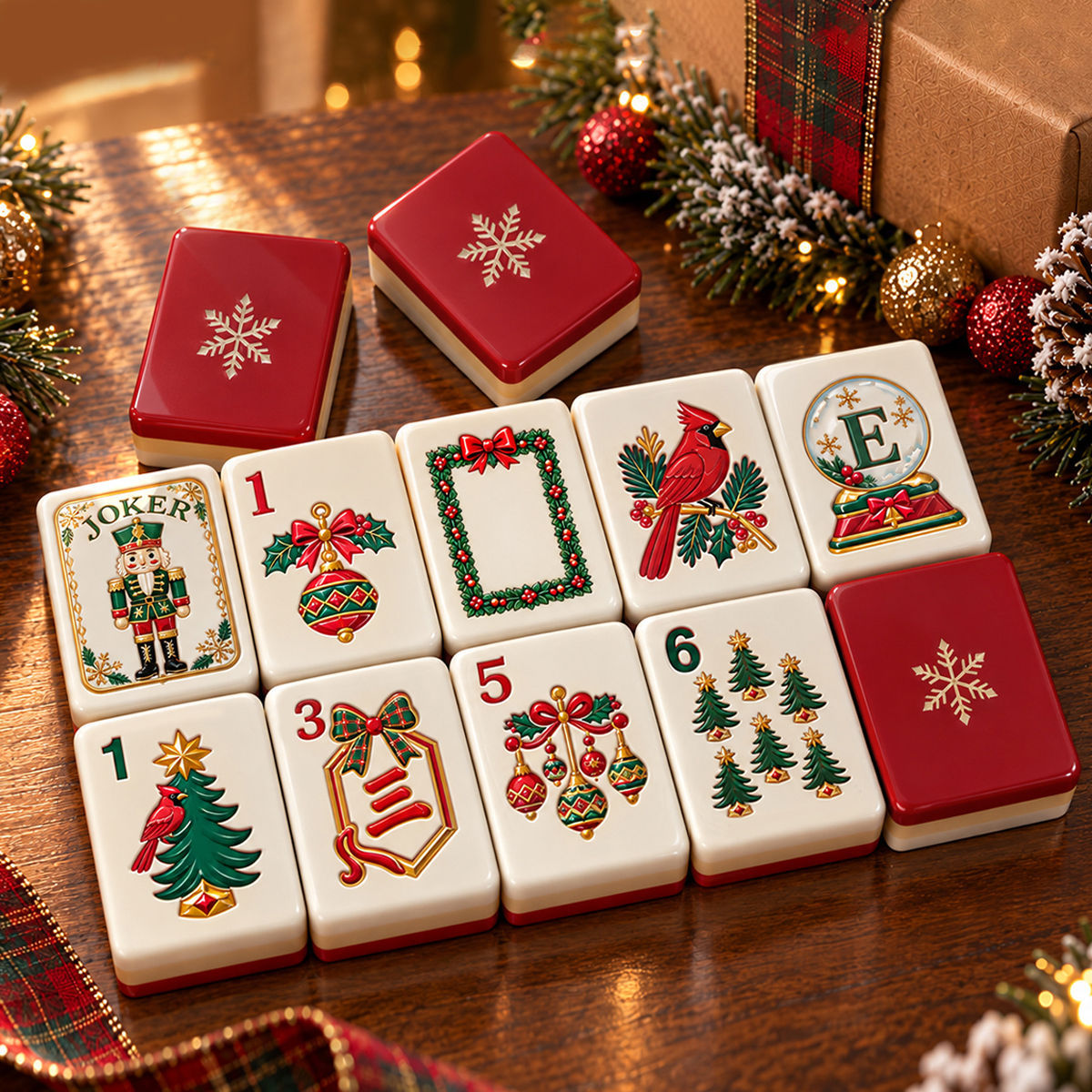
Mahjong has become a visual shorthand in cinema for sophistication, family tension, wealth, and cultural identity. Films like Crazy Rich Asians, The Joy Luck Club, and Mahjong (2024) feature the game; TV shows including Fresh Off the Boat and The Marvelous Mrs. Maisel use it to anchor character moments. Hollywood typically shows the American variant—tiles on racks, a mat, fast-paced calling—but often compresses rules, exaggerates stakes, or mixes in Chinese or Hong Kong rules for visual effect. The tiles themselves are usually acrylic or bone-and-bamboo sets designed for drama rather than play. Most scenes are aesthetically accurate (the tiles look right, the sounds are convincing) but rule-wise invented; real American mahjong follows the current National Mah Jongg League card, not the improvised hands Hollywood stages. Understanding the difference between entertainment and actual play helps you recognize what's real and what's performance.
Mahjong appears in dozens of films and shows, from tense thrillers to comedies. Most portrayals mix real rules with fiction—here's what's genuine and what's invented for drama.
Why do filmmakers choose mahjong as a story device?
Mahjong works on screen because it combines visual richness, cultural weight, and narrative tension. The clacking of tiles, the ritual shuffling, the silent concentration of players, and the sudden eruption of emotion at a win create immediate drama without dialogue. For directors, it's also a shorthand: a mahjong scene signals family legacy, immigrant experience, wealth, exclusivity, or character conflict in seconds. In The Joy Luck Club, mahjong grounds the mother-daughter relationships. In Crazy Rich Asians, it becomes a battleground for social hierarchy. The game's accessibility—anyone can learn the basic idea—means audiences don't need expertise to follow; they sense the stakes emotionally.

What does Hollywood get right about mahjong rules?
Hollywood usually nails the aesthetic of American mahjong: the 152 tiles, the racks, the Charleston (pre-game tile exchange), the mat layout, the jokers, and the frantic moment of winning. Filmmakers consult prop departments or play consultants to ensure tiles look authentic and calling rhythms feel genuine. The four players, the discarding pattern, and the tension around drawing and claiming tiles are real. What often gets fuzzy is the specific hand needed to win. American mahjong hands come only from the current year's National Mah Jongg League card, updated each spring; a winning hand must match exactly one pattern from that card. On screen, characters often invent hands or play by looser, improvised rules—or mix in Chinese mahjong (which allows sequences called chows, unlike American) to add flexibility for narrative. If you watch closely, you'll see real tile names (Bam, Crak, Dot, winds, dragons) and real hand types (pungs, kongs, quints) spoken or shown, but the winning condition is usually softened for story rather than strict card play.
How does Hollywood portray Chinese versus American mahjong differently?
Chinese and Hong Kong mahjong appear in films set in Asia or featuring immigrant communities; American mahjong dominates diaspora narratives and U.S.-based stories. Chinese variants allow chows (sequences: 1-2-3 of the same suit), melds that expose on the table, and hands built around patterns like "all pungs" or "all simples." American mahjong forbids chows entirely—you can only expose pungs (3 identical tiles), kongs (4), and higher, plus jokers—and all hands come from the card. On film, Chinese mahjong scenes show more exposed tiles and faster exchanges, which reads as looser and more social. American scenes are quieter, with tiles hidden on racks and drawn one at a time in ritual order, which photographs as more intense. Mahjong (2024), a Hong Kong production, uses Hong Kong rules throughout; Crazy Rich Asians mixes conventions because the scene blends traditions. Most U.S. TV shows (Fresh Off the Boat, The Marvelous Mrs. Maisel) use American rules but don't enforce the card strictly—they're not tutorials, just backdrop.
Film/Show | Variant | Accuracy | Rule Shifts for Drama |
Crazy Rich Asians | American/mixed | Tiles, racks, Charleston authentic | Hand winning conditions invented |
The Joy Luck Club | American | Setting, tiles, structure real | Specific hands softened |
Mahjong (2024) | Hong Kong | Full Hong Kong rules followed | None—film is a mahjong narrative |
Fresh Off the Boat (TV) | American | Tiles, calling, social play real | Card not referenced; hands informal |
The Marvelous Mrs. Maisel (TV) | American | Aesthetic, mat, racks shown | Winning hands improvised |

What tiles and sets do production designers use on set?
Film and TV productions typically order custom or high-quality acrylic or bone-and-bamboo sets for visibility and durability under lighting. Acrylic tiles photograph well—crisp, colorful, easy to read on camera—and survive repeated takes and transport. Bone-and-bamboo sets look luxurious and photograph with warmth but are fragile and expensive for single-use props. Production designers often choose sets with larger lettering or contrasting colors (reds and greens pop on film) to ensure tile faces read in close-ups. Some productions commission custom engraving with character names, production logos, or scene-specific details to add authenticity or humor. The mat underneath is usually a custom felt or velvet surface in a jewel tone (emerald, burgundy, navy) to frame the action and muffle sound for clean audio recording. Our own best-selling mahjong sets serve real players with the same clarity and durability that photo and video demand—tiles that stay readable and hold their color across years of play or production use.
How do real mahjong players react to on-screen inaccuracy?
Dedicated players notice immediately when rules are bent, hands invented, or calling sequences skipped. Most watch with amusement rather than annoyance—they know Hollywood prioritizes story over rulebook. Casual viewers who then take up mahjong often say, "I thought we could play any hand," or "Why can't we use sequences?" because films have shown them a looser game. This actually works in mahjong's favor: the on-screen version is welcoming and visually exciting, so people try the real game and often prefer its structure and social ritual. Real play is slower, more rule-bound, and more social than film; the silence between turns, the constant reference to the card, and the genuine stakes of money or friendly competition create a different but equally gripping experience. If you learn American mahjong after watching a movie, you're essentially learning a new, more demanding rule set—which most players find more rewarding. How to play American mahjong covers the real game step-by-step.
🀄 Shop best-selling mahjong sets →
Do any films or shows actually teach you how to play?
Mahjong (2024) comes closest—it's structured around teaching Hong Kong rules as plot unfolds, so viewers learn hand types, melds, and winning conditions organically. The Joy Luck Club gives brief explanation but assumes familiarity. Fresh Off the Boat uses mahjong as scene-setting without tutorial. Most shows and films assume the audience doesn't need to understand every rule; they just need to feel the tension and recognize the cultural weight. If you want to learn from screen, start with Mahjong (2024) for Hong Kong variant, or watch Crazy Rich Asians for American aesthetic, then pivot to actual teaching resources. Real rules are best learned from the National Mah Jongg League card (updated yearly), a patient teacher, or detailed guides for beginners. Hollywood has made mahjong cool; real play makes it addictive.
🎁 See our most-loved mahjong sets & accessories →
What to check before you buy after watching mahjong on screen
Don't assume the rules are the game. Movies compress, invent, and mix variants. You'll need the current National Mah Jongg League card (released each spring) and a teacher or guide—not the film.
Acrylic tiles are camera-ready and player-friendly. If you're inspired to host a game, acrylic sets offer the same durability, color pop, and legibility that production designers choose, plus they're durable across years of weekly play.
Start with American rules if you're in the U.S. Most on-screen portrayals in American films and TV use American mahjong (even when rules are softened). The real American game uses racks, the Charleston, the yearly card, and no sequences—fundamentally different from what film suggests.
Gather the full set: tiles, mat, and racks. Movies show a mat and tiles but rarely zoom on the racks or pushers that make play smoother. A mahjong mat and racks with pushers elevate your game from "I have tiles" to "I can actually play."
✨ Find your Mahstead set — free US shipping →

FAQ
Is the mahjong in *Crazy Rich Asians* played by real rules?
The scene is visually authentic—real American tiles, racks, mat, and calling—but the winning hand is invented for drama. Real American mahjong requires a hand from the current year's National Mah Jongg League card, not improvised combinations.
Can you learn mahjong by watching movies?
You'll learn aesthetics and atmosphere, not rules. Films omit specifics, mix variants, and compress play for time. Watch for inspiration; learn from the card, a teacher, or a beginner guide for actual gameplay.
Why does Hollywood use mahjong so often in family dramas?
Mahjong is compact, visually rich, culturally loaded, and instantly signals family legacy, immigrant experience, and social tension without exposition. A single scene conveys generational conflict or belonging.
Do acrylic mahjong sets work as well as bone-and-bamboo on film?
Yes—acrylic tiles photograph sharper, hold color better under lighting, and are nearly indestructible. Production designers choose acrylic for durability; bone-and-bamboo is chosen for luxury or period authenticity.
What's the difference between the mahjong shown in American TV versus Asian films?
American TV typically portrays American mahjong (racks, no chows, tiles hidden until winning). Asian films often show Chinese or Hong Kong variants (exposed melds, chows allowed, looser structure). The speed and social rhythm differ visually.
If I watched mahjong in a movie, can I play immediately?
No. Films show versions of the game, not the complete ruleset. You'll need the current National Mah Jongg League card, a teacher, or a structured guide to play American mahjong correctly. Plan 2–4 hours of practice before your first real game.


View More
View More
View More
