
Mahjong In Error: What the Rule Actually Means
Last updated: Nov 23, 2026
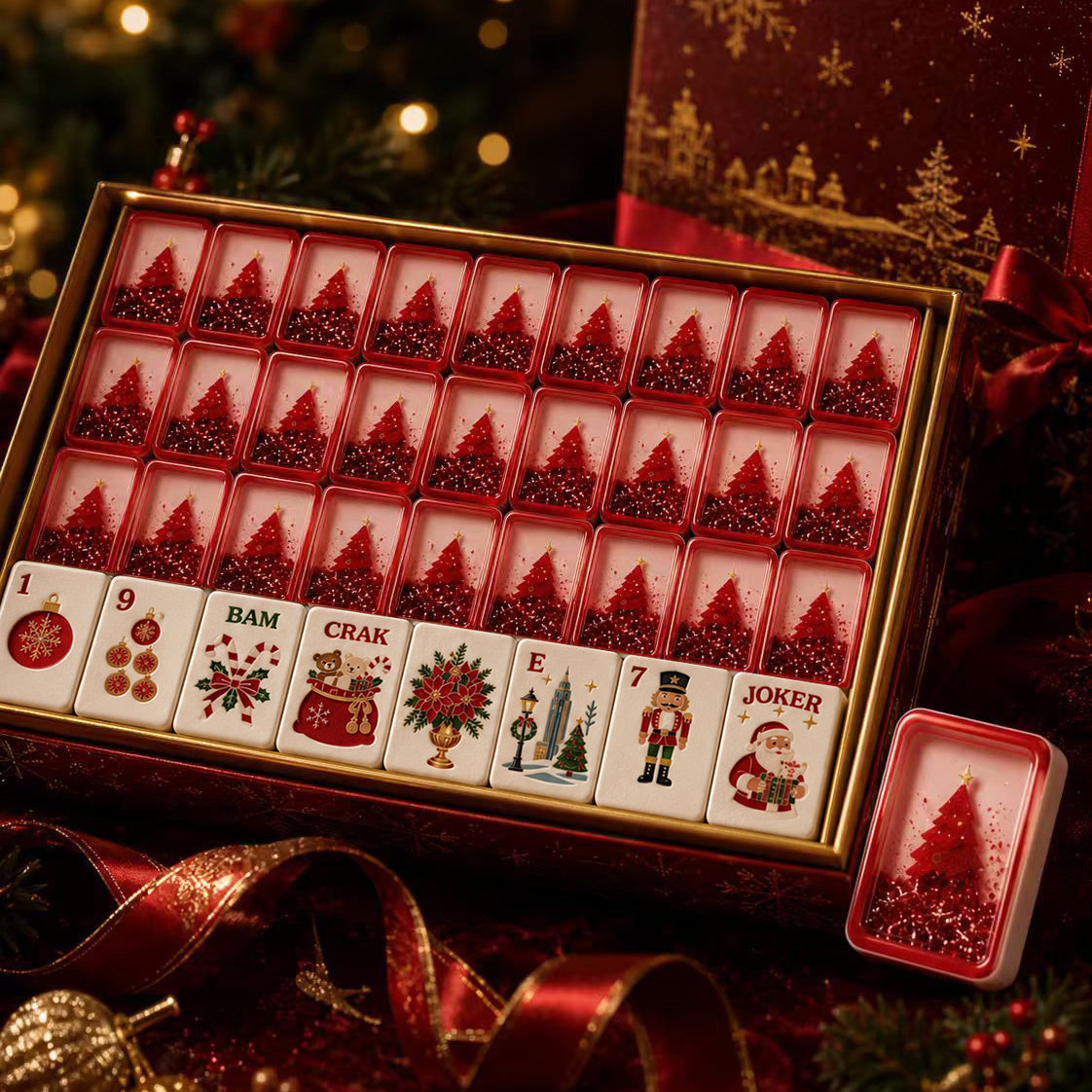
"In error" means a hand, exposure, or discard violates American mahjong rules—and play stops at once. The most common triggers: exposing an illegal pung (tiles that don't match), calling a tile that doesn't fit the current year's National Mah Jongg League card, discarding out of turn, or drawing from the wrong wall. The player who made the error cannot win that hand; typically, play resets to the next dealer. Errors differ by variant: Chinese and Hong Kong mahjong have no legal hand list, so "error" applies only to sequence violations or drawing mistakes. You'll need clear rules agreement before the game starts, access to how to play American mahjong, and a current year's card to reference discreetly.
"In error" in American mahjong is the signal that stops everything. A player or dealer has broken a rule, and the hand is void. Understanding when and why this happens keeps your table fair and your games honest.
What counts as "in error" in American mahjong?
An "in error" call means a play—discard, exposure, draw, or call—violates the rules. The most common triggers in American mahjong are: exposing three tiles that don't form a legal pung (e.g., a 1 Crak, 2 Crak, and 3 Crak together); calling a tile someone discarded when that tile isn't on the current year's card for your hand; drawing from the wall out of sequence; and discarding a tile you shouldn't own. Once declared, the hand ends immediately and cannot be won. Some groups penalize the error-maker's next hand; others simply move to the next dealer. The rule prevents abuse and keeps the game transparent.

Who declares "in error" and how?
Any player at the table can call "in error" if they spot a violation. The player who notices must speak up before the next live tile is drawn; once play continues, the error passes. In some home games, only the dealer rules on disputes; in others, three players must agree. Most organized play uses a referee or relies on mutual honesty. If a player exposes tiles illegally (for example, a pung with mismatched suits), the other players should call it at once—not after they see their own hands. Delaying the call muddies the game and breeds resentment. Establish your group's error protocol before the Charleston begins so no one is surprised mid-hand.
Common "in error" scenarios: exposure, calling, and drawing
Exposure mistakes happen when a player flips a pung or kong that contains mismatched tiles. Example: two 5 Bams and one 5 Dot cannot be a pung; it's in error. The exposed tiles go back to the player's hand, and play continues (or resets, per your house rules).
Calling errors occur when a player calls a tile—announcing they'll win—but that tile is not on the current year's card for their hand. Or they call a tile and later cannot show a complete, legal hand. This is automatic in error.
Drawing errors arise when a player draws from the wrong end of the wall, draws twice in one turn, or draws before the previous discard is fully played. These are less common but serious; they can invalidate an entire hand if caught early.
Discard errors: A player throws a tile they don't actually hold, or discards out of turn. In error. Play stops, and the tile goes back to the discard pile.
The rule is: if you can't prove it's legal from the card and the tiles you own, it's in error.

How "in error" differs across mahjong variants
American mahjong relies on a single card each year, so "in error" mostly means "not on the card." Chinese and Hong Kong mahjong have no card—hands are formed from fixed patterns (pungs, chows, eyes). There, "in error" refers instead to drawing or discarding out of turn, failing to follow suit, or revealing concealed tiles illegally. Riichi and Taiwanese mahjong also use pattern-based hands and have strict draw/discard sequences; errors are mechanical rather than reference-based. Japanese Riichi has its own declared-winning rules; calling "in error" there means the winning claim was false or the hand was invalid. If you play multiple variants, clarify which rulebook governs before you sit down.
Preventing errors: a pre-game checklist
Before dealing:
Confirm the year's National Mah Jongg League card is accessible to all players.
Verify all 152 tiles plus 8 jokers are present and no blank spares are mixed in.
Agree on who rules disputes (dealer, referee, or majority vote).
Define the penalty: hand void only, or next hand penalty too?
During the game:
Call errors before the next draw.
Never assume; always check the card if a hand looks odd.
Mark your own tiles clearly so you know what you hold.
Use mahjong racks with pushers to keep your hand organized and prevent accidental exposure.
When in doubt:
Stop play, check the card together, and decide by consensus.
If the card is ambiguous, stick with the last agreed rule.
Scenario | Rule | Action |
Three mismatched tiles exposed as a pung | In error | Tiles retract; hand continues or resets |
Player calls a discard not on the card | In error | Call void; player cannot win |
Drawing from wrong wall end | In error | Hand ends; next dealer |
Discard out of turn | In error | Tile returns; next player's turn |
Exposing a tile by accident, not by play | Not in error (usually) | Player retracts; no penalty if unrevealed to others |
🀄 Shop best-selling mahjong sets →
What to check before you buy a set to avoid error disputes
A quality acrylic set with clearly marked tiles and organized mahjong bags and cases reduces confusion and accidental errors. Verify your set includes all 152 playing tiles (8 jokers are built in; spares beyond that are never mixed into play). Order from a maker that designs engraved American mahjong sets with legible numerals and suit symbols so no one misreads a tile mid-game. A durable mahjong mat with clear marked zones also helps: the discard area stays separate from hands, reducing mix-ups. If you're hosting regularly, invest in a set built for clarity and longevity—it will save disputes and keep your table smooth.
🎁 See our most-loved mahjong sets & accessories →
Once everyone knows what "in error" means and when to call it, your games will flow. The rule is simple: if it breaks the rulebook or the card, it's in error, play stops, and the hand is void. Keep a copy of how to play American mahjong within reach, organize your tiles carefully, and agree on penalties upfront. That honesty is what keeps mahjong fair and fun.
✨ Find your Mahstead set — free US shipping →

FAQ
Can a player win a hand they declared "in error" on?
No. Once "in error" is called, that hand cannot win. The player who made the error is disqualified from that round.
What happens after someone calls "in error"?
Most home games void the hand and move to the next dealer. Some penalize the error-maker's next turn as well. Agree on this before play starts.
Is "in error" the same in Chinese mahjong?
No. Chinese mahjong has no card, so "in error" applies to drawing/discard sequence violations and pattern breaks, not reference checks.
Can I call "in error" after the next tile is drawn?
No. You must call it before the next live tile is drawn. After that, the error passes and play stands.
How do I avoid "in error" mistakes as a new player?
Use mahjong racks with pushers to keep your hand tidy, check the card before you expose or call, and ask another player if you're unsure of a tile's name.


View More
View More
View More
