
Mahjong in Britain: History, Rules & Where to Play
Last updated: Nov 23, 2026
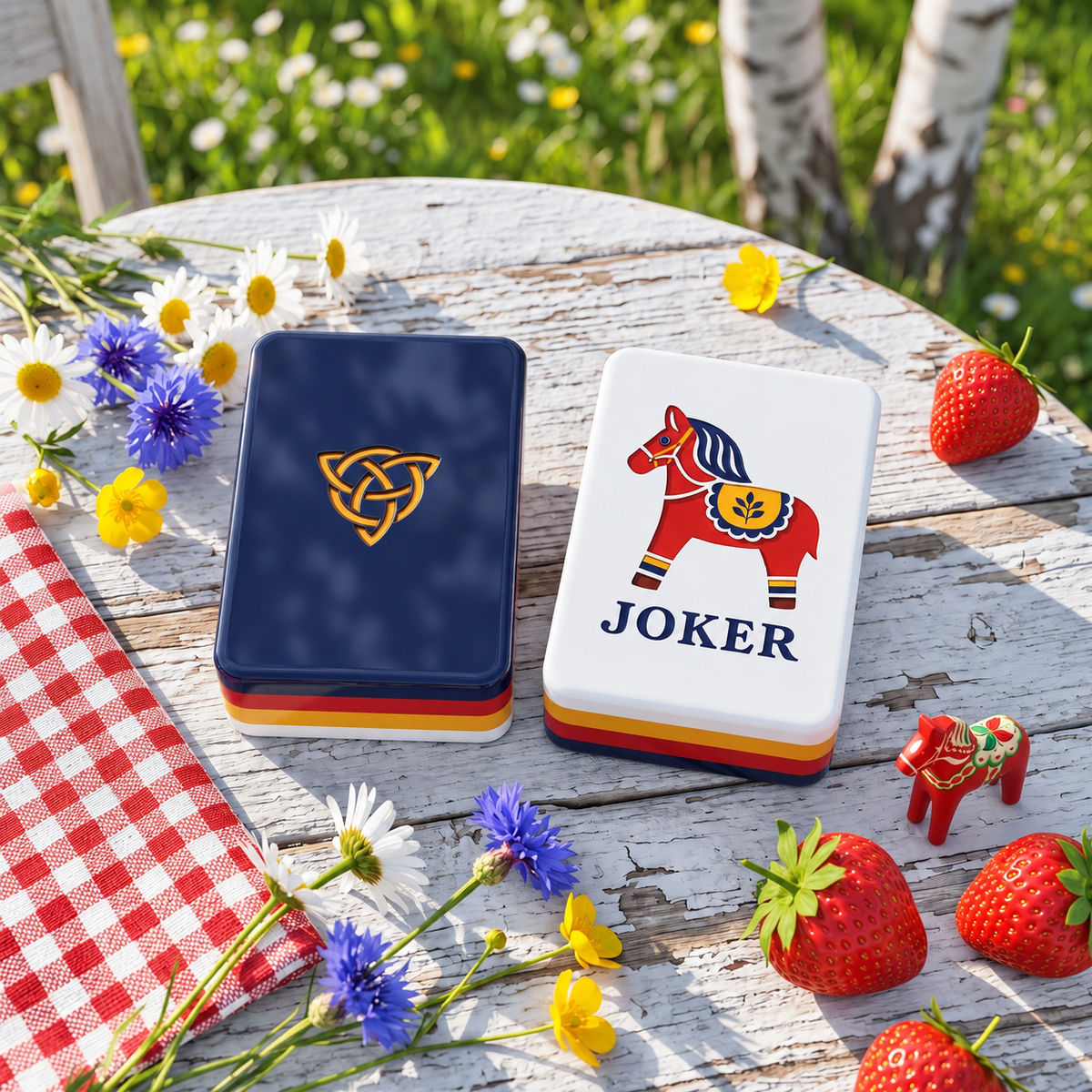
Mahjong arrived in Britain around 1923, imported by wealthy travellers and embraced by London society as an exotic drawing-room game. Early British versions mixed Chinese, Japanese and emerging American rules—there was no standard. By the 1930s-1950s, mahjong clubs flourished in London and provincial cities, though play declined after the Second World War. Today's UK mahjong community plays predominantly American mahjong (152 tiles, 8 jokers, hands from the annual card) and Chinese variants. British players source best-selling sets from the US and locally, joining clubs via community centres, synagogues, libraries and online meetup boards. No single "British" ruleset exists now; players typically adopt American or Chinese rules by mutual agreement before sitting down.
How did mahjong first arrive in Britain?
Mahjong reached Britain in the early 1920s aboard ships carrying wealthy British travellers returning from China and Japan. The game fascinated the London elite—it appeared in country house parlours, exclusive clubs and society magazines by 1923. The exotic appeal lay in its perceived mystery: a "sophisticated Eastern game" that required skill and strategy. Unlike card games, mahjong carried cultural cachet; learning it signalled worldliness. By 1925, London had formed the first British Mahjong Society, and manufacturers began producing British-made sets in bone and bamboo. The rules, however, were chaotic: imported sets followed Chinese principles, while players adapted them to English tastes, creating hybrid versions. This early period established mahjong as a status symbol rather than a casual pastime, embedding it in British social life for a generation.

What ruleset did early British players use?
Early British mahjong (1920s–1950s) followed no single standard. Most sets arrived from China with Chinese rules, but British players, unfamiliar with them, frequently invented house rules or adopted Japanese variants they read about in imported literature. Some clubs played a hybrid: Chinese tile names and the basic four-player structure, but simplified hand-winning conditions to speed up play. The National Mah Jongg League's American ruleset, standardised in 1937, gradually influenced British players, especially after the Second World War when American cultural ties strengthened. By the 1960s, two streams existed in Britain: traditional Chinese players (mainly in London's Chinese communities) and Anglicised players (mostly suburban and country clubs) using loosely Americanised rules. Today, newer British players almost always learn American mahjong because rule cards are widely available and online tutorials assume American variants. Chinese mahjong still thrives in UK Chinese communities but is less common in general British clubs.
When was mahjong most popular in Britain?
Mahjong peaked in Britain between 1923 and 1938, during what players call the "craze years." At this peak, London had over a dozen active clubs; provincial cities from Manchester to Bath hosted regular tournaments and teaching events. Newspaper society columns reported mahjong nights; department stores stocked decorative sets; books on "how to play mahjong" appeared constantly. The Second World War (1939–1945) interrupted play dramatically—many players enlisted, many sets were lost, and leisure time evaporated. Post-war, mahjong briefly revived in the 1950s, particularly in suburban ladies' clubs and retirement communities, but television and other games diluted its appeal. By the 1970s, British mahjong was niche again, confined to dedicated players and cultural communities. The late 1990s saw a modest resurgence, driven partly by renewed interest in East Asian culture and easier access to rule clarification via the internet. Today, British mahjong is stable but small—hundreds of active players rather than thousands, spread across city centres and countryside alike.
Where do British players gather and how do they learn?
Modern British mahjong players find each other through community centres (especially in London, Manchester and Birmingham), public libraries offering "games evenings," synagogues (particularly in northwest London and Manchester), country clubs with games programmes, and online platforms like Meetup. Many beginners learn from YouTube tutorials (mostly American-rules-based) or dedicated mahjong websites. A few British regional clubs advertise in local papers or online; players typically contact them to join weekly or monthly sessions. Teaching happens informally—experienced players explain American mahjong rules during a first session—rather than through formal classes. The National Mah Jongg League card (issued annually and available online) is now the de facto standard for British players attempting structured play. Some British players source engraved American mahjong sets with personalised designs to mark long-term commitment to the game. Unlike in the 1920s, there's no single "British Mahjong Society" now, but loose networks exist via Facebook groups, local newsletters and word-of-mouth.
🀄 Shop best-selling mahjong sets →

How do British players' rules differ from American and Chinese mahjong?
British mahjong today has no unique ruleset of its own—players adopt either American or Chinese rules, or a hybrid agreed before play begins. The most common modern British approach is American mahjong (152 tiles, 8 jokers, hands from the annual card), because rule standardisation makes casual play easier. Some established British clubs, particularly those with long histories, may still follow a house variant that blends Chinese principles (sequences allowed, different scoring) with Anglicised simplifications (fewer hand types, relaxed joker use). The key difference is not the rules but the attitude: British players tend to favour leisurely, social play over competitive speed, so even within American rules, the pace is slower and house rulings are flexible. Chinese mahjong clubs in Britain (concentrated in London's Chinatown, Birmingham and Manchester) follow strict Hong Kong or Cantonese variants with multiple hand types and regional honour scoring. The rise of internet mahjong (Mahjong Soul, Riichi Mahjong online) has introduced British players to Riichi (Japanese) mahjong, though it remains a minority interest. In practice, modern British play is "American mahjong by default"—unless you're joining an established Chinese community club, expect American rules.
Variant | Tiles | Jokers | Sequences? | Hand source | Where in Britain |
American | 152 | 8 | No | Annual card | Clubs, casual groups, newcomers |
Chinese (Cantonese/HK) | 144 | 0 | Yes | Regional tradition | London, Manchester, Birmingham Chinese communities |
Riichi (Japanese) | 136 | 0 | Yes | Standard rules | Niche online players |
British hybrid (rare) | Variable | Variable | Sometimes | House rules | Older country clubs, a few traditional groups |
What equipment do British players typically use?
British players today use either imported American sets (which follow the 160-tile standard: 152 playing tiles plus spares) or locally-sourced vintage sets from the 1920s–1950s that reflect historical British taste. Modern British newcomers almost always buy contemporary American sets online because they're standardised, come with English-language instructions and rule cards, and include enough tiles for casual play. Vintage British sets—often bone tiles, wood racks, cloth pouches with art-deco designs—are prized by collectors but rarely used for actual play (they're fragile and incomplete). When British players host weekly games, they typically use mahjong mats to protect surfaces and speed tile movement, racks with pushers to hold tiles neatly and reduce hand fatigue, and travel bags or cases to transport sets between venues. Acrylic sets with clear engraved designs are popular among British clubs because they're durable, easy to read in poor light, and convey a sense of permanence. A few serious British players commission custom sets with club names or personal inscriptions. No British manufacturer now produces new mahjong sets; all modern stock is imported from Asia or the US.
🎁 See our most-loved mahjong sets & accessories →
What to check before you buy
Tile count: Ensure the set contains 152 playing tiles (American) or 144 (Chinese). Don't assume all vintage British sets are complete.
Joker quantity: American play requires 8 jokers. Chinese play uses none. Confirm the set matches your intended variant.
Readability: If you have players with low vision, choose sets with large, clear engraved faces (not painted, which wears off).
Storage: A durable bag or case matters if you transport the set between locations weekly.
Racks: American players benefit from racks with pushers to reduce hand strain during long sessions.
Rules clarity: Confirm which ruleset your group uses before buying. American sets come with accessible instructions; Chinese sets may not include English translation.
Longevity: Acrylic sets last longer than painted wood if you play regularly. Bone and bamboo are beautiful but fragile.
Can you still find original British mahjong sets?
Yes, but they're scarce and mostly found through antique dealers, eBay, specialist collectors or estate sales. Original 1920s–1940s British sets are rare because many were lost during wartime, used sets were discarded in the 1960s–1980s, and few were manufactured in Britain itself (most were imported and re-sold by British dealers). Authentic British sets from this era are prized by collectors for their aesthetic—often featuring art-deco designs, bone or bamboo tiles, silk pouches, and wooden racks with brass fittings. Prices for intact vintage sets range widely depending on condition and provenance (basis: antique market records and collector forums), but complete sets are expensive and frequently damaged. Playing with originals is risky: tiles crack, paint flakes, pouches rot. If you own a vintage set, it's best treated as a historical object rather than gaming equipment. For actual weekly play, modern imported sets—whether acrylic or new bone-and-bamboo reproductions—are more practical, durable and affordable. Mahstead's best-selling sets are designed for regular use and come with free US shipping; if you're in the UK, shipping costs will apply, but the durability makes long-term play economical.

FAQ
Is there a British Mahjong Association or national league?
No single UK-wide governing body exists today. The original National Mah Jongg Society dissolved decades ago. Modern British play is self-organised via local clubs and online groups. The American National Mah Jongg League card is now the de facto standard among structured British players.
Do British players use the American National Mah Jongg League card?
Yes, increasingly. Most British clubs that play American mahjong use the current year's card from the US National Mah Jongg League because it standardises hands and simplifies teaching. Chinese variant players follow traditional hand patterns instead.
Can I learn mahjong in Britain without travelling to a club?
Yes. Online tutorials (YouTube, dedicated websites), digital play platforms and small local groups via Meetup make home learning possible. Many British beginners now learn via video before joining a physical group. How to play American mahjong guides are widely available online.
What's the difference between a British mahjong set and an American one?
Modern "British" sets don't exist as a distinct type. Today's British players use American (152-tile) or Chinese (144-tile) sets. Vintage British sets from the 1920s–1950s were imports, often Chinese-origin, with Anglicised packaging and occasionally simplified rules printed on the box.
Where in Britain are the biggest mahjong communities?
London (particularly northwest, where synagogue and community centre groups thrive) and Manchester (strong Chinese mahjong tradition). Birmingham, Leeds and Glasgow have smaller but active groups. Rural areas and smaller towns typically have no established clubs, though online play is bridging that gap.
Do British players gamble on mahjong like they do in Asia?
Casual penny-stakes friendly games occur, but gambling is rare in British clubs because social play predominates. Licensed gambling venues in Britain must comply with strict regulations; mahjong betting is uncommon and typically small.
How long does a typical British mahjong game last?
American mahjong: 45 minutes to 2 hours per game, depending on skill and hand difficulty. Chinese mahjong: usually 30–90 minutes. British social play tends toward the slower end because conversation and pauses are normal. Tournament play is faster. ✨ Find your Mahstead set — free US shipping →


View More
View More
View More
