
Mahjong Hostess Tips: Running Weekly Games Like a Pro
Last updated: Nov 23, 2026
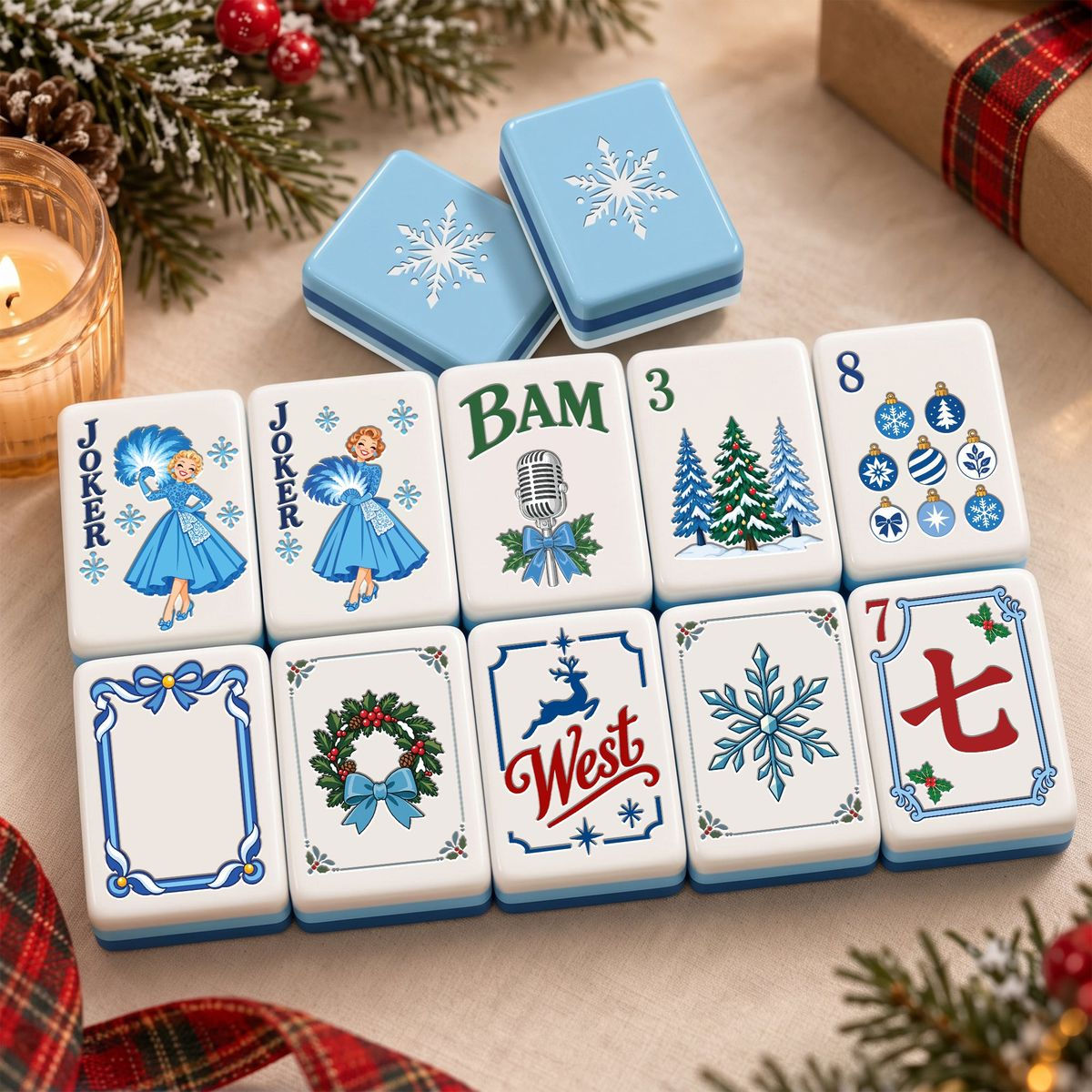
Hosting mahjong well means handling three layers: the physical setup (tiles, mat, seating, lighting), the social rhythm (Charleston timing, hand pace, scoring clarity), and player comfort (snacks, breaks, noise level). A good hostess keeps the table running smoothly, enforces rules fairly, ensures every player can see and reach tiles easily, and remembers that people come for connection as much as play. Start by investing in a quality mat that shows tile placement zones clearly, accurate racks with pushers so tiles stay upright and organized, and a set with legible markings if players squint. The National Mah Jongg League card (current year) is your rulebook; print it large or display it digitally so disputes settle fast. Build a pre-game checklist: tiles counted and clean, mat flat and centered, lighting bright enough for tile reading, snacks ready, and—crucially—a quiet space free from TV noise. Mahstead's best-selling collection includes American sets with designs that work for both serious players and newcomers.
How do you set up the table so everyone feels included?
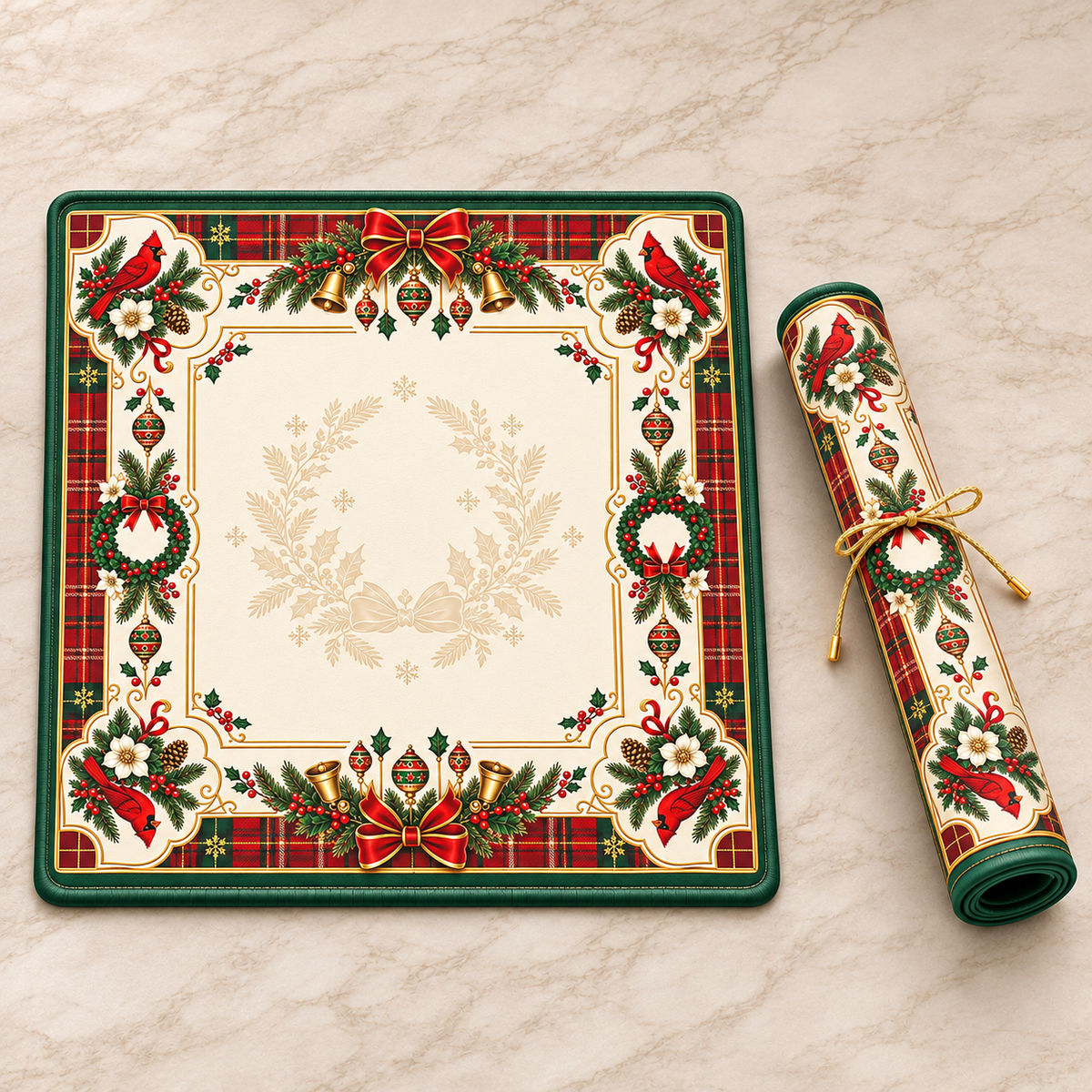
The physical layout shapes the entire mood. Place your mat dead-center on a sturdy, level table—uneven surfaces cause tiles to roll or catch. Leave at least 18 inches of clear space beyond the mat edges so each player can comfortably access their rack and set down discards. Position yourself (the hostess) as one of the four players, not standing; standing creates distance and makes you seem like a dealer rather than a peer. Ensure ceiling or overhead lighting is bright enough to read tile pips clearly without casting shadows on the mat. Some players wear glasses; poor lighting frustrates them and slows the game. Seat people with good sightlines to the center rack so no one feels like they're playing blind. Place the current year's National Mah Jongg League card where everyone can glance at it; print it larger than the original or keep it digital on a tablet at arm's reach. A well-chosen mat saves arguments: look for one with clearly marked positions and durable fabric that doesn't shift mid-game.
🀄 Shop best-selling mahjong sets →

What's the right pace for a game, and when do breaks make sense?
A full American mahjong game—Charleston, 13 draws, then typically 2–4 completed hands—takes 45 minutes to an hour if players are focused. New or rusty players may need 90 minutes. Build in a natural break after the Charleston phase (that's when everyone's done passing tiles) so people can stretch, hit the bathroom, and refill drinks before the serious play begins. Never pause mid-hand unless someone's in real distress; mid-hand pauses throw off rhythm and create seating chaos when play resumes. If the game drags—someone's overthinking every discard—gently remind the table of the pace by drawing your own tile promptly. After three hands, many groups take a 10-minute break; this prevents fatigue and keeps people sharp for the final rounds. Signal breaks ahead: "We'll play two more hands, then break," so players know what's coming. Watch for signs of frustration (a player sighing heavily, moving slowly, or staring at the card for too long); that's when a snack offer or a light joke eases tension. The goal is flow, not speed.
How do you manage disputes about rules and keep the game fair?
Keep the current year's National Mah Jongg League card visible and make it the final arbiter. If a hand is called and later someone claims an error, stop, gather the called hand, lay it out against the card section by section, and announce the verdict clearly—no shame, no blame, just fact. Before the game starts, agree on house rules (for example: do jokers roll back if someone draws them by mistake, or are they treated as regular tiles?). Write these on a sticky note and post them near the card. If a player is unsure about a play, ask them to voice it before they discard; once a tile hits the discard pile, it usually stands. The exception is if they drew accidentally (two tiles instead of one)—catch that in the moment, not three turns later. Rotate positions around the table each game so no one sits in the same seat twice; this eliminates luck-based seating complaints and keeps the vibe friendly. If you notice a player is consistently confused about hand reading, offer a quick 30-second tip during a break—"That's a quint of 1 Dots with a pair of Red Dragons," for example. Fairness feels good; people return.
What equipment makes hosting easier and more enjoyable?
A solid set of racks with pushers is non-negotiable. Racks let players organize and hide their hands; pushers let them advance tiles forward as melds build, preventing accidental exposure. Without pushers, tiles tip, players fumble, and gameplay slows. A high-quality mat with reinforced seams withstands weekly play and won't fray or shift; cheap mats wear thin fast and eventually puddle in the center. Invest in a set with clear markings and good tile contrast—acrylic tiles with crisp pip printing and sturdy racks mean less squinting and fewer misreads. Keep a small notebook to track scores across the season; players love seeing their win-loss record and it builds community. A quiet timer or phone timer helps manage turn length, especially if the game ever stalls. For hosting regularly, a travel bag or case keeps your set organized and protected between games; this extends equipment life and shows players you value the game. A small FM speaker (very low volume, background music only) can replace dead air during tile counts, but music must be quiet enough that it doesn't mask the pleasant click of tiles.
How do you welcome newcomers without slowing experienced players?
Pair each newcomer with an experienced player as a "study partner" for the first game; they sit beside the veteran and can ask quiet questions mid-hand. Brief the newcomer 15 minutes early on basics: the four suits, the Charleston passing ritual, what a pung and quint look like on the card. Show them how to read one hand from the current year's card so they see the pattern. Don't explain scoring in detail on day one; focus on recognizing melds and understanding the Charleston. After the first full game, they'll grasp it faster the second time. Encourage veterans to welcome newcomers warmly and remember their own first games; this keeps the table generous. If a newcomer calls a hand incorrectly (they thought they had it but didn't), celebrate their effort—"Great read! Next time you'll see that the pair's wrong here. You're learning fast."—and move on. Most importantly, tell newcomers upfront that it takes three to five games to feel comfortable; this removes pressure and sets realistic expectations. Experienced players who feel rushed or bored will leave; veterans who see you growing the community through inclusion stay loyal.
What atmosphere and customs keep people coming back week after week?
Create a rhythm: same day, same time, same location. People plan around games they know are reliable. Greet each player by name as they arrive and have their preferred seat/side snack ready if you know it. Light refreshments matter more than you'd think—coffee, tea, soft drinks, fruit, cheese, crackers. Nothing fancy; consistency and warmth beat luxury. Start on time and end on time; people need to know they can commit to the evening. Play music softly during tile counts (not during actual play). Share laughs: mahjong has natural comedic moments—celebrate them. If someone wins three hands in a row, tease them gently. If someone gets skunked, offer a sympathetic joke. Keep the table balanced: avoid all-expert or all-beginner lineups; mix experience levels so games feel competitive but not intimidating. Thank players for coming as they leave. Text or email a casual reminder 24 hours before the next game—"See you Wednesday at 7—bringing Red Dragons to luck in my game 😊"—so games feel like part of a community, not just passing entertainment. The best hostess is reliable, fair, welcoming, and genuinely happy when her players show up. That feeling spreads.
Before You Invest in New Equipment, Ask Yourself:
Does my current mat have visible wear or creases? (Time to replace it.)
Can my players see and read the tile pips easily, or do they squint? (Upgrade to high-contrast tiles.)
Are my racks stable, or do tiles topple? (New racks with pushers solve this instantly.)
Do I have a printed, large-format National Mah Jongg League card at the table? (Non-negotiable; print it now.)
Have I set a consistent game day and time, or do I host sporadically? (Consistency builds loyalty and attracts regulars.)
Hosting Challenge | Quick Fix | Why It Works |
Tiles hard to read or slow play | Upgrade to high-contrast acrylic set | Fewer squints, fewer errors, faster flow |
Tiles fall over constantly | Add racks with pushers | Players see their hands clearly and protect melds |
Mat shifts or wrinkles during play | Invest in a quality, reinforced mat | Table looks professional; games feel serious |
Disputes over hands or rules | Print current year's card large and visible | Rules are settled in seconds, no arguments |
New players feel lost | Pair them with veterans for first game | Learning happens naturally; game doesn't slow |
Games feel chaotic or rushed | Establish a fixed game day/time and rhythm | Players plan ahead; hosting becomes a tradition |
🎁 See our most-loved mahjong sets & accessories →
How does the Charleston fit into hosting flow?
The Charleston is the tile-passing ceremony before the first hand begins; it's part etiquette, part ritual, and entirely essential to fair play. Have players sit in their assigned seats, place all 152 tiles facedown in the middle of the mat, and shuffle. Each player takes 13 tiles and waits for the signal. Then, as one, pass three tiles to the right; after a pause, pass three tiles left; finally, pass one tile to the player directly across. Once the Charleston ends, each player picks up 14 tiles total (13 already drawn, 1 from the center wall). This happens once per game, at the very start. As hostess, you manage the timing: shuffle the tiles crisply so the tile count takes maybe 90 seconds, call out each pass clearly ("Pass right…pass left…pass across…"), and then signal the start of actual play. A smooth Charleston sets a professional tone and ensures no player has an early advantage. Mistakes here (uneven passes, tiles counted wrong) breed resentment; nail it and players feel the fairness.
✨ Find your Mahstead set — free US shipping →

FAQ
Can I host mahjong on a regular dinner table without a mat?
Technically yes, but a mat is worth it. Tables are uneven, tiles roll, and play slows. A mat defines the play zone, prevents rolling, and signals "this is serious now." Invest early.
How many players should I invite to a game?
Four is standard American mahjong. Hosting three players (or two) changes the game rules significantly and requires a different card. Stick to four for your weekly group unless everyone learns alternate rules.
What if someone wants to keep score across multiple games, like a season?
Excellent idea. Keep a spreadsheet or small notebook with each player's name, date, and win/loss or running total. Announce standings before the last game of the session—it's motivating. Many hosts even crown a monthly or seasonal champion.
Should I enforce a betting limit or no betting at all?
This is entirely your call and depends on your group's comfort. If no one mentions money, don't introduce it. If players want penny-per-point scoring, decide that together and write it down before the first hand. Transparency prevents awkwardness.
What do I do if two players clash or argue during the game?
Stop play gently, let emotions cool with a 2-minute break, then ask both players to speak to the rule or hand in question (not to each other personally). Use the card as the neutral judge. If personality conflict persists, consider rotating seating or scheduling to minimize those two players meeting in the same game.
How often should I replace my tiles or mat due to wear?
A quality set and mat will last years with weekly play. Watch for fraying on the mat edge, fading on tile pips, or cracking on acrylic. If tiles are hard to read or the mat puddles, it's time. Most hosts replace mats every two to three years.


View More
View More
View More
