
Mahjong Groups in Texas: How to Find & Join Players Near You
Last updated: Nov 23, 2026

Texas mahjong groups exist in Dallas, Houston, Austin, San Antonio, and smaller towns—mainly through community centers, libraries, synagogues, country clubs, and online meetup boards. Most groups play American mahjong on Thursday or Friday evenings, meeting weekly or bi-weekly. Games typically run 2–4 hours per session; players bring their own sets or share a host's tiles. Beginners are welcome at most groups, though some are competitive. To find groups near you: search your city + "mahjong club" or "mahjong group" on local meetup sites, call your nearest synagogue or community recreation department, or ask at senior centers. Many Texans host home games using best-selling mahjong sets that speed up tile recognition and keep gameplay smooth.
Where do most Texas mahjong players meet?
Community centers, libraries, synagogues, and country clubs are the backbone of Texas mahjong culture. Many cities host open mahjong nights at senior centers or Parks & Recreation departments. Online platforms—Meetup, Facebook groups, and local event boards—list regular games. Synagogues often host the largest, most established groups because American mahjong has deep roots in Jewish social clubs. Country clubs sometimes run mahjong leagues or casual Friday-night games. A few independent mahjong instructors advertise on Craigslist or through word-of-mouth. Search "[your city] + mahjong" on Google Maps, Meetup, or Facebook to see what's active near you.

What's the difference between casual and competitive Texas groups?
Casual groups prioritize fun, talk freely during hands, and welcome all skill levels without tracking formal scores. Competitive groups use the official National Mah Jongg League card, enforce silence during play, follow strict scoring rules, and may charge entry fees or track season records. Most Texas groups lean casual, especially in suburban or rural areas. Competitive leagues tend to cluster in Dallas, Houston, and Austin. To find the right fit, ask on Meetup or call ahead to ask the host about rules, dress code, and skill-level mix. New players should try casual groups first; competition can feel intimidating.
How do beginners join without feeling lost?
Call or message the group organizer directly—that's how most beginners get started. Tell them you're new and ask if they teach or if it's better to learn first. Many hosts welcome one beginner per game and pair them with experienced players. Some groups have a "teaching night" once a month. Watch a full hand before joining; you'll learn tile names (Bams, Craks, Dots, winds, dragons, flowers, jokers) and hand-winning patterns quickly. Bring a notebook. Ask to look at the National Mah Jongg League card during play. Read mahjong for beginners and how to play American mahjong before your first night—you'll feel more confident and ask better questions.
What equipment do I need to bring or buy?
Most groups have sets, so you don't need to buy immediately. If you go regularly, a personal set makes you popular and speeds games up. American mahjong sets contain 160 tiles—152 playing tiles plus spares—in acrylic or bone. A tile rack with pushers helps organize your hand, especially if you're new. A mahjong mat is nice for home games but not required at group meetings. A mahjong bag or case protects tiles during travel. If your group meets weekly, invest in a mid-range best-selling set—good tiles are easier to flip and read, and engraved designs make words and symbols clearer during fast games.
Gear | Who needs it | Why it matters | When to buy |
Personal mahjong set | Regular players (weekly+) | Familiar tiles speed up play & build community | After 3–4 visits |
Rack with pushers | All players (optional) | Organizes hand, reduces dropped tiles | First month |
Mahjong mat | Home-game hosts | Protects table, defines play space | Before hosting |
Bag or case | Travelers & commuters | Keeps tiles safe & organized in car | After buying a set |
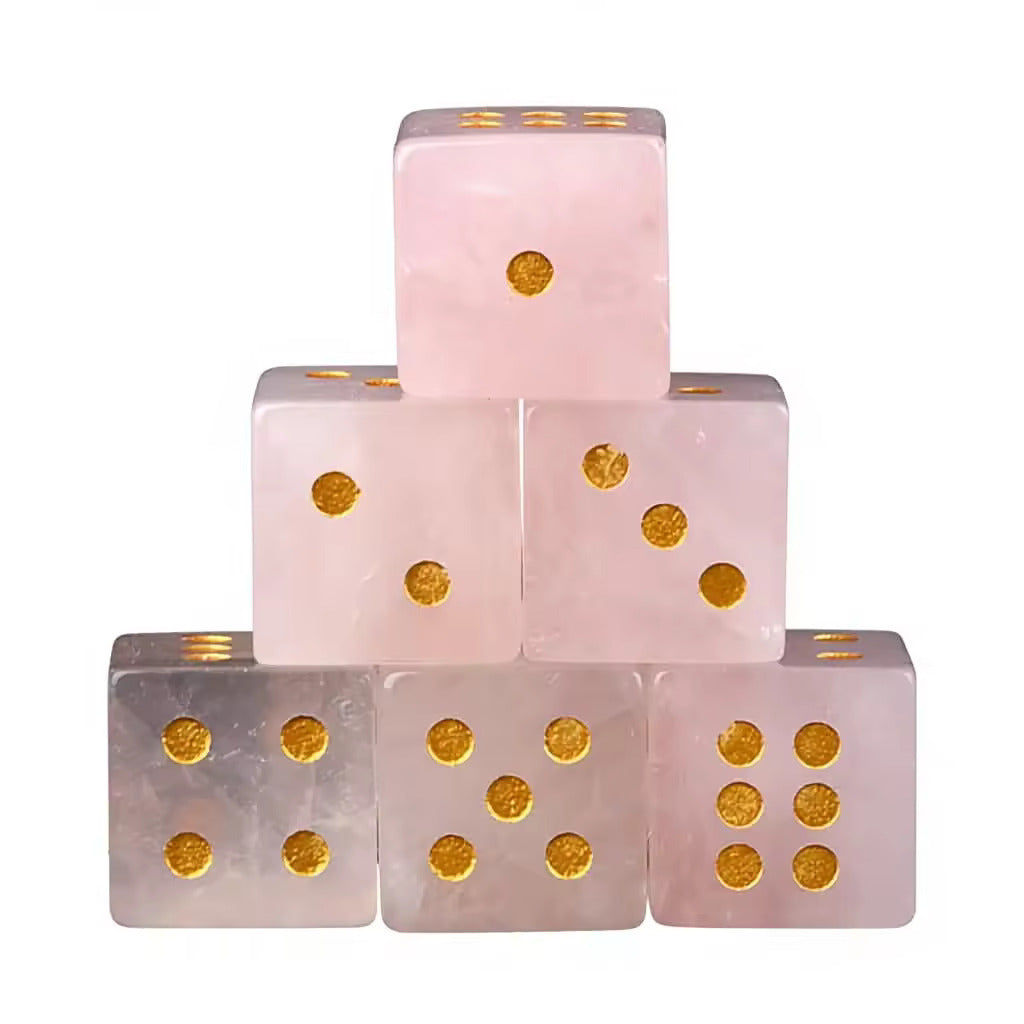
Dice | Set owner | Determines dealer; usually included | Usually included |
🀄 Shop best-selling mahjong sets →

How often do groups meet and what's the time commitment?
Most Texas groups meet weekly, bi-weekly, or monthly. Weekly groups typically gather Thursday or Friday 7–9 p.m. or Saturday afternoon 2–5 p.m. for 2–4 hours. Casual groups may run longer because chat happens between hands. Competitive groups stick to time, often playing three games per night (about 20–30 minutes per game). Entry fees range from free to sliding scale (ask the organizer—no hidden charges). Plan for 3 hours on your first visit to account for learning and breaks. If travel is far, some players carpool or arrange to play twice monthly instead. Monthly groups exist but are rarer; most dedicated players prefer weekly because tile patterns stay fresh.
How do I find a group in a smaller Texas town?
Search Meetup, Facebook, and Craigslist for "[town name] + mahjong." If nothing pops up, contact your local Parks & Recreation, library, senior center, or synagogue by phone. Senior centers often have bulletin boards listing games. Ask at community centers about bridge or card-game nights—mahjong players sometimes overlap. If no group exists, you can start one by hosting a game at home, posting on Meetup or Facebook, or inviting friends. Many Texas towns have just three to five regulars who play weekly after work or brunch. Rural players sometimes drive 30–45 minutes to join larger city groups on weekends. Online play (via apps or video) is also growing; ask active groups if they have off-night virtual games.
🎁 See our most-loved mahjong sets & accessories →
What should I check before attending my first game?
Ask the organizer these five questions:
Skill level. Are beginners welcome? Will someone teach me during play?
Rules variant. Do you play American mahjong (the most common in Texas)? Hong Kong, riichi, or Taiwanese? If American, do you use the current-year League card?
Time & location. Day, start time, end time. Is parking available?
Bring your own tiles? Do I need a set, or is one provided?
Cost. Is it free, or is there a chair fee / entry fee / refreshment donation?
Arrive 10 minutes early so the host can seat you and explain any house rules. Wear comfortable clothes; you'll sit for hours. Bring water and a snack if you're new—sitting quietly while learning drains energy. Watch the first hand in full before playing; ask about tile names and hand patterns. Don't worry about speed; everyone started here.
✨ Find your Mahstead set — free US shipping →
FAQ
How do I find a mahjong group if my city doesn't show up on Google?
Call your Parks & Recreation department, senior center, library, or synagogue directly. Ask staff if they know of any mahjong players or clubs. Post on local Facebook groups or Craigslist to see if others want to start a game. Many small-town groups operate by word-of-mouth only and aren't searchable online.
Can I attend a Texas mahjong group if I've never played before?
Yes. Most casual groups welcome beginners and will pair you with experienced players. Competitive groups may ask you to watch first. Call ahead and tell the organizer you're new—they'll let you know if your skill level fits and whether they can teach you.
Do Texas groups all play American mahjong or are there other variants?
American mahjong dominates Texas, especially outside major Chinese communities. A few Houston and Dallas groups play Hong Kong or Chinese mahjong. Always ask the organizer which variant before joining so you study the right rules.
Do I have to buy my own mahjong set to join a group?
No. Most groups have shared sets or members bring extras. Buying your own is a courtesy after you've attended several times. A personal set speeds play and helps you practice at home.
What's the typical cost of joining a mahjong group in Texas?
Most casual groups are free or ask for a small refreshment donation (the host's decision). Competitive or league games may charge entry fees ranging from a few dollars to cover table rental. Always ask the organizer about costs before your first visit.
How can I start my own mahjong group if one doesn't exist nearby?
Host a game at your home using a best-selling mahjong set, post it on Meetup or Facebook, and invite friends. Post on local community boards, senior centers, and libraries. Consistency—same day, same time—builds regulars quickly.


View More
View More
View More
