
Mahjong Groups in Oklahoma: Where to Play & What to Bring
Last updated: Nov 23, 2026
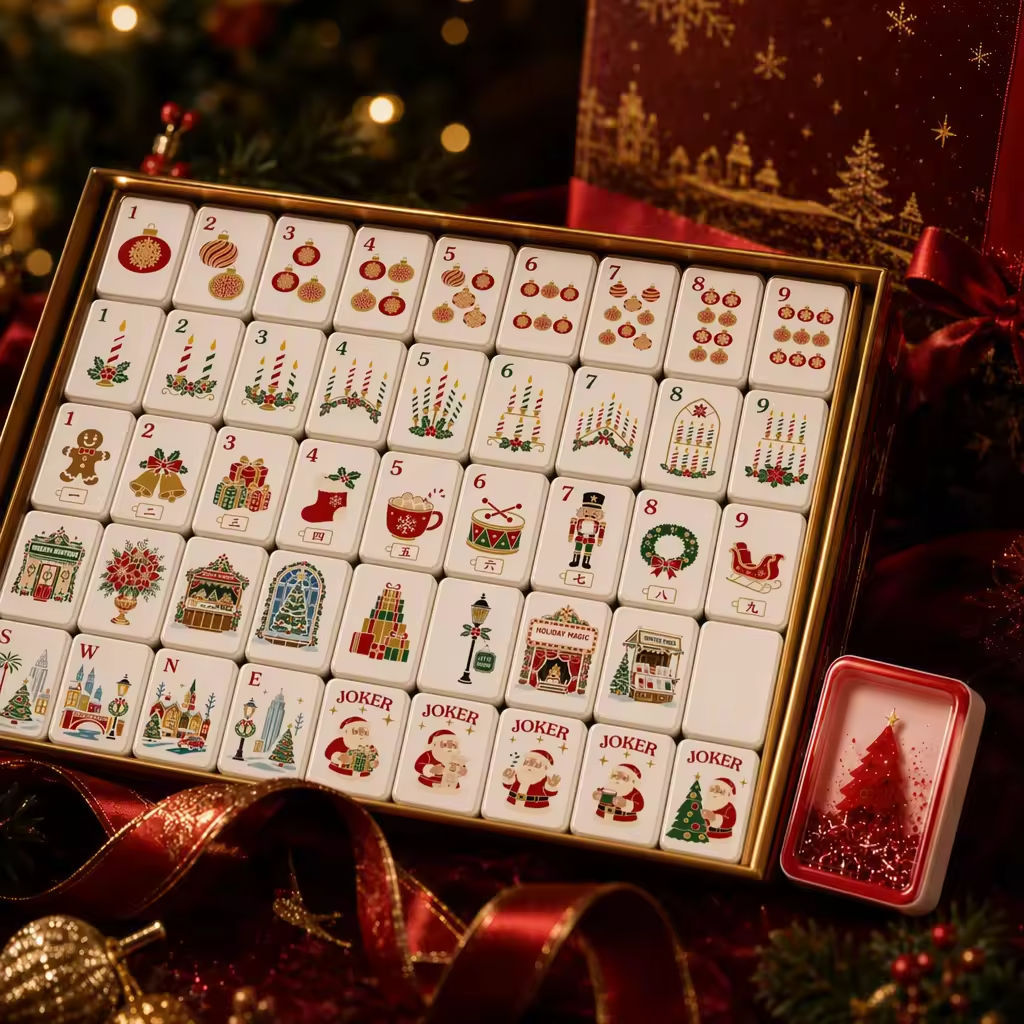
Mahjong groups across Oklahoma gather at community centers, public libraries, country clubs, and synagogues in Oklahoma City, Tulsa, Norman, and Edmond. Most play American mahjong on a weekly or biweekly schedule, typically Thursday or Friday evenings. Players range from beginners to lifelong enthusiasts; newer groups often welcome newcomers without requiring tournament experience. To find a group near you, check your local library or community center bulletin boards, search Meetup.com for "mahjong Oklahoma," or ask at your synagogue or country club. Most groups use the current year's National Mah Jongg League card and play for fun rather than stakes. Before joining, confirm they play American (not Chinese or Hong Kong) mahjong if that matters to you, and ask whether you need your own set or if equipment is provided. Many groups loan tiles to new members during their first sessions.
How do I find a mahjong group near me in Oklahoma?
Start by calling your local public library or community center—most have bulletin boards listing weekly game groups and contact numbers. Visit Meetup.com and search "mahjong" plus your city name (Oklahoma City, Tulsa, Norman, Edmond, or surrounding towns). Check synagogue activity boards and country club recreational programs; many host ladies' or mixed groups. Ask at senior centers; mahjong skews toward established players but many welcome fresh faces. Call ahead to confirm the group's meeting time and whether they play American mahjong—some groups play Chinese or Hong Kong variants.

What's the difference between American and other mahjong variants?
American mahjong uses the National Mah Jongg League card, which changes every spring and limits hands to specific patterns listed on that card. Players cannot call or expose sequences (chows); only pungs (three identical tiles), kongs (four), and longer runs of identical tiles are played exposed. The standard American set contains 152 tiles plus eight jokers. Chinese mahjong allows sequences to be called, uses a fixed hand set year-round, and plays differently from round to round. Hong Kong mahjong emphasizes closed hands and scoring multiples. Taiwanese and Riichi (Japanese) mahjong each follow distinct rules. Most Oklahoma groups play American because the card's annual change keeps the game fresh and the hand list is compact and portable. If you're new, confirm your group's variant before your first game.
What should I bring to my first game?
Ask whether the group provides sets or whether each player brings one. If you need to bring your own, an acrylic American mahjong set from our best-selling collection travels well and resists wear. The standard American set contains 152 tiles and eight jokers; you'll also want to bring a rack with pushers to organize and manage your tiles comfortably—experienced players rarely play without one. A travel case or bag protects your set in the car. Bring a pen and scorepad; most groups keep score on paper, though some use apps. Wear glasses if you need them—reading small tile characters matters. Bring water and a snack if your game runs long (often 2–3 hours). Arrive 10 minutes early to observe, ask questions, and settle in.
🀄 Shop best-selling mahjong sets →
What's the etiquette and flow of an American mahjong game?
Four players sit around a table; each starts with 13 tiles and draws one more. The dealer (usually East) plays first. The game flows through rounds (typically 4 per cycle, one per player as East), with each round ending when someone completes a hand from the current year's card or the game is exhausted. Before play, the Charleston happens: players pass tiles to each other in a ritual exchange to randomize the wall. Once play starts, don't touch the discard pile without announcing you're taking a tile. If you're newer, the group will remind you—most Oklahoma groups are patient. Winning means your 14 tiles (13 in hand plus the one you drew or took) exactly match a pattern on the card. Common beginner mistakes: holding a tile too long before discarding, forgetting to announce a pung or kong, and misunderstanding which tiles can be used as jokers (in American mahjong, the White Dragon often serves as zero, and jokers are wild, but jokers cannot form a pair or a single). Your group will catch these and explain; it's part of the learning curve.

What equipment do Oklahoma groups typically use?
Most groups use acrylic tile sets because they're durable and easy to read. Bamboo tiles are traditional but require more care and are slower to play with for newer groups. A padded mahjong mat keeps tiles organized and reduces noise on the table. Racks with pushers let you manage your hand cleanly without accidentally exposing it—many experienced players won't play without them. Some groups use lazy Susans (rotating tile holders at table center) to keep the discard pile tidy. A timer app or kitchen timer is useful for speed play. Most groups have a copy of the current year's card available, and some players keep a laminated personal copy. If your group uses specialty equipment, ask the organizer what's standard; you don't need everything on day one, but a solid starter set with a mat and case removes friction and shows respect for the game.
Is there a difference between beginner and advanced Oklahoma groups?
Some Oklahoma groups explicitly welcome beginners; others assume you know the basic flow and rules. Before you join, ask: "Is this a beginner-friendly group?" or "Do you often teach new players?" Beginner groups move slower, explain the card often, and remind players of rules. Advanced groups play faster, track scoring mentally, and expect you to know the current card's layout. The good news: American mahjong's learning curve is forgiving. You'll understand the basic flow in your first session. Many players take two to four weeks of weekly games to feel confident. Some Oklahoma groups have a mentor system where an experienced player sits with a newcomer. Others are purely self-taught. Ask the organizer how they support new players. If a group feels too fast or too competitive for your level, try another—Oklahoma has enough active communities that you'll find the right fit.
Factor | Beginner Group | Experienced Group | Check Before Joining |
Pace | Slower, frequent pauses | Fast, minimal chatter | Ask how long a round takes |
Card familiarity | Group explains patterns | Assumed knowledge | "Do you teach the card?" |
Newcomer support | Mentoring or patient players | Self-taught expected | "How often do you get new players?" |
Rules strictness | Relaxed; teaching tone | Formal play | "Are there house rules I should know?" |
Game time | 2–2.5 hours typical | 1.5–2 hours or longer | Ask upfront |
Cost | Free or donation-based | Often free; occasionally tournament fees | Confirm no stakes |
🎁 See our most-loved mahjong sets & accessories →
What to check before you buy equipment for your first game
Don't buy yet if your group loans sets. Ask the organizer whether you can borrow tiles and a rack for your first two or three sessions. Many groups do this; it saves you money and lets you confirm you enjoy the game before investing.
If you need your own set, prioritize durability over price. Acrylic tiles last for years; cheap bamboo sets warp and crack. A 160-tile acrylic set includes all the tiles you need plus spares, shipped free across the US.
Test the tile size in your hand. Standard American mahjong tiles are roughly 1 inch wide. If you have large hands or vision concerns, hold a friend's tiles or ask your group's organizer to show you before you buy.
A mat and rack aren't mandatory on day one, but add them within your first month. They transform your comfort and speed, and a padded mat prevents tile noise that distracts other players.
Check the current year's card. The National Mah Jongg League releases a new card every spring. Your group must use the current year's card, not last year's. If you're joining in late 2026, make sure any set you buy includes or can accommodate 2026 card patterns.
Bring your receipt and contact info to your first game. If your group uses house rules or specialized equipment, you can return items before opening them.
Ready to host or join a game?
If you're starting your own Oklahoma mahjong night or hosting friends, explore our best-selling sets with mats and racks designed for group play. Many of our sets ship ready to use—unbox, learn the game, and play. If you're gifting a set to a friend in Oklahoma, engraved mahjong sets make a memorable welcome to the community.
For a complete guide to American mahjong rules and gameplay, see our how-to-play article. You can also read about the Charleston and how jokers work to prep before your first night. If you're brand new to the game, start with our mahjong for beginners guide to build confidence.
✨ Find your Mahstead set — free US shipping →

FAQ
Do I need to know how to play before joining an Oklahoma mahjong group?
No. Most groups welcome complete beginners; you'll learn by watching and playing. Bring a notepad to jot down beginner tips, and don't hesitate to ask questions between hands. One or two sessions in, the flow becomes automatic.
Are Oklahoma mahjong groups competitive or social?
Nearly all are social. Groups meet to spend time together, not for money or tournament ranking. Even experienced players enjoy the camaraderie. If you find a group that feels too competitive, move on—plenty of relaxed alternatives exist.
Can I play mahjong if I have vision or dexterity issues?
Yes. Larger acrylic tile sets help vision challenges. Racks with pushers remove the need for steady hand control. Ask your group about accommodations; many players have adapted successfully and groups are welcoming.
What's the cost to join an Oklahoma group?
Most community-center and library groups are free or ask a small donation (under $5) to cover room rental or refreshments. Country clubs or synagogue groups may charge slightly more if they provide snacks. No group stakes or gambling is typical.
Can I try multiple groups to find the best fit?
Absolutely. Most groups won't mind if you visit twice before committing. Mahjong communities are small and friendly; trying different groups is normal and encouraged.


View More
View More
View More
