
Mahjong Groups in California: Find & Join a Local Game
Last updated: Nov 23, 2026
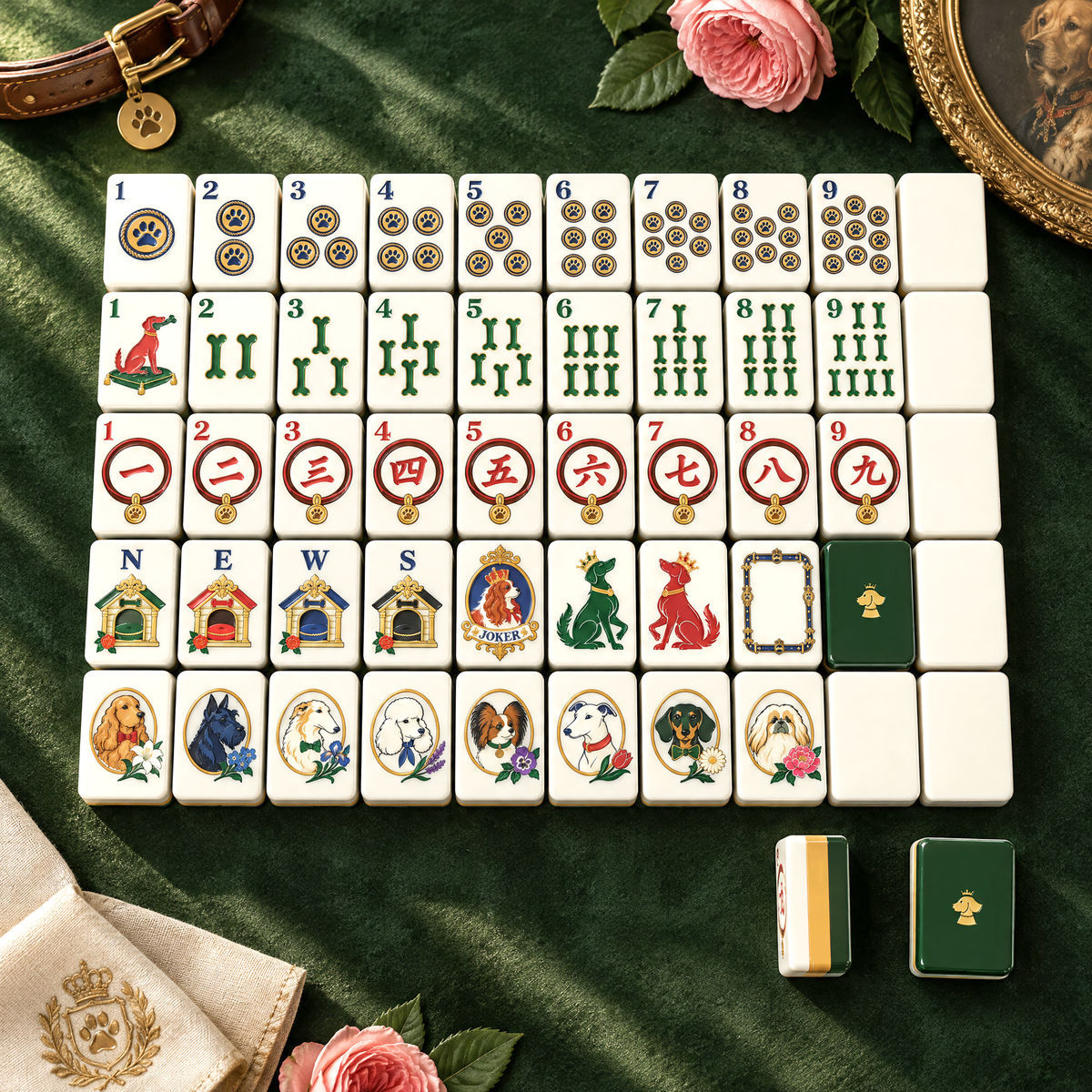
Mahjong groups flourish across California in community centers, libraries, synagogues, country clubs, senior centers, and meetup boards. Search "mahjong" on Meetup.com filtered to your city, call local libraries or community centers' activity coordinators, or ask at nearby senior facilities—most have bulletin boards listing weekly games. Many groups welcome beginners but expect you to know basic rules before sitting down; spend time learning the current-year National Mah Jongg League card first. Groups typically meet weekly, play for 2–4 hours, and may request you bring snacks or chips (some play socially for no stakes). Bring a notebook, your own tiles if you have them, or ask the host to supply them. California groups vary widely: urban clubs tend toward faster, money-focused play; suburban and retirement-community groups often favor leisurely, social games. Start by observing a session before joining as a fourth; most established groups are friendly to newcomers who've done their homework.
California has active mahjong communities across urban and suburban regions, with beginner-friendly groups in most cities. Search "mahjong groups near me" on Meetup.com, filtered by location and sorted by member count. Call your city's parks & recreation department, community center, or library—most staff activity coordinators can point you to regular games. Check synagogue and senior center bulletin boards; many list standing Thursday or Friday afternoon games. Ask at Asian cultural centers and country clubs; these often host or know established groups. Expect to find everything from high-stakes Bay Area tournaments to casual retirement-community play. The hardest part isn't finding a group—it's choosing the right fit for your skill level and budget.
How do I know which group matches my level?
Before joining, ask the host three questions: Do you welcome absolute beginners? What's the typical session length and cost? Does the group use the current-year National Mah Jongg League card? Beginner groups explicitly state "new players welcome" and allow time for slower play. Intermediate groups expect you to know how to read the card, build a pung, and understand the Charleston. Money games (typically small bets) move faster and assume prior experience. Social groups play for fun or nominal scoring; competitive clubs may track rankings and entry fees. Most established California groups run weekly; some add monthly tournaments. Check Meetup reviews or call ahead to confirm the group's pace and style before your first visit.

What should I bring to my first game?
Arrive 10–15 minutes early with a notebook, pen, and your eye on the host's setup. If you own a set, bring it—especially if it's engraved or custom—but always ask first whether the group prefers uniform tiles. Bring a small snack or drink to share if the group has mentioned potluck. Wear comfortable clothes; you'll be sitting for 2–4 hours. Most California groups supply mahjong racks with pushers and a mat or table cover. Download the current year's National Mah Jongg League card on your phone or print it; no group will supply this—it's your responsibility. If you're unsure how to read it, watch a tutorial video before attending. Bring cash if there's a small buy-in or donation requested. Arrive sober and ready to focus; tables don't appreciate distracted players. Ask the host where to sit; many groups assign seats on a rotation or by skill.
Scenario | Venue | Time | Player Level | What to Bring |
Casual weekly | Community center | Afternoons | Beginner–intermediate | Phone with card app, notepad |
Senior group | Retirement community | Weekday afternoons | Mixed | Card, comfortable shoes |
Competitive club | Private venue | Evenings | Intermediate–expert | Own set (optional), cash |
Meetup group | Rotating location | Weekends | All | Printout of League card |
Tournament | City venue | All day | Advanced | Set, calculator, League card |
🀄 Shop best-selling mahjong sets →
How do California groups differ from playing at home?
Table games move faster than home play; experienced players expect minimal delays. You'll encounter stricter hand-reading and more emphasis on speed after the initial four rounds of play. Most groups use uniform American mahjong tile sets (not custom) to avoid confusion and ensure everyone reads tiles the same way. Money games have house rules about seat placement, tile walls, and payment for winners that may differ from what you've learned solo. Social groups are more forgiving of mistakes and slower pace. The Charleston—the pre-game tile-passing ritual—is standard everywhere; if you've never done it, learn the sequence ahead of time. Competitive groups may keep running scores across multiple sessions and track rankings. Beginners often make two mistakes: playing too many hands in a row without rest (mental fatigue leads to sloppy reads), and not holding their racks steady (tiles can shift and distract opponents). Sit next to a friendly player your first visit; they'll catch your errors gently and answer quiet questions between hands.

What rules and etiquette matter most at California groups?
Never touch tiles that aren't yours; reach only for the wall during your turn. Keep your rack steady—wobbling tiles annoy table-mates and waste time. Announce your melds clearly (e.g., "Pung of 5 Craks") and call "Mah Jongg!" loudly when you win. Don't discuss hands while play is underway. Most groups observe this honor code: if you create confusion about a win or a meld, you may offer to sit out the next hand. Scoring disputes are settled by the host or group consensus; don't argue facts—accept the decision and move on. Silence your phone. Don't coach other players or criticize their plays. Social groups are forgiving; money games enforce rules strictly. If you commit a clear error (wrong draw, illegal pung), you may have to surrender that hand. The unspoken rule everywhere: respect the pace and experience of your tablemates—ask questions between rounds, not during play.
🎁 See our most-loved mahjong sets & accessories →
What if I want to start or host my own California group?
Begin with four committed players who meet weekly at a fixed time and location. A mahjong mat and racks with pushers reduce setup time and make the experience feel polished. Post a simple Meetup page or Facebook group; most new groups attract 6–10 members within two months if you hold consistent meetings. Set the tone early: define whether the game is social or competitive, what skill levels are welcome, and whether money plays a role. Provide or ask players to bring a 152-tile American mahjong set—never mixed sets. Host a five-minute rules review the first session; many beginners skip this and make avoidable errors. Rotate hosts after a few months so the burden doesn't fall on one person. Word-of-mouth grows local groups fastest; satisfied players invite friends. Most established California groups started in someone's living room and moved to a community venue as membership grew. If you live in a retirement community or near a synagogue, ask permission to use their space—many waive fees for standing community groups.
✨ Find your Mahstead set — free US shipping →
Before you commit: What should you check?
Ask the host these five questions: 1) Does the group use a written scoresheet or app (matters for accuracy)? 2) Are players expected to bring their own set, or does the group supply tiles? 3) Is the National Mah Jongg League card used (American rules), or another variant? 4) What's the no-show or cancellation policy? 5) Are there house rules I should know—penalty for incorrect melds, limit on jokers used per hand, etc.? If a group can't answer clearly, find another; organized groups have documented rules. Request a trial session; most groups welcome one observational visit. If the pace feels too fast or the stakes too high, it's fine to move on—California has enough groups that you'll find one that fits. Trust your gut: the best groups feel welcoming after the first hand, not anxious or exclusive.

FAQ
How do I find beginner-friendly groups in my California city?
Search Meetup.com filtered by your city, call your library or community center's activity coordinator, or check senior center and synagogue bulletin boards. Ask prospective hosts whether they welcome absolute beginners and how long typical sessions last. Groups that explicitly say "new players welcome" are safer bets for your first game.
Do I need to own a mahjong set to join a California group?
No. Most established groups have sets and will supply tiles. If you own a set and want to use it, ask the host first—many groups prefer uniform sets to avoid confusion. Owning a quality set is useful if you want to host games or practice at home.
What's the cheapest way to join a California mahjong group?
Many community center and library groups are free or require only a small donation (under ten dollars). Casual Meetup groups are typically free. Competitive clubs and money games charge entry fees that vary by venue and region. Social groups run the most affordable option.
Can I play American mahjong or Chinese mahjong at California groups?
Most California groups play American mahjong (using the National Mah Jongg League card). Some Bay Area and Los Angeles clubs offer Chinese, Hong Kong, or Riichi variants; ask the host. If you're learning American, start with an American-only group to avoid confusion with different rule sets.
What's the etiquette for observing a game before joining?
Arrive early, stand behind an open seat (never behind a player), and stay silent. Don't ask questions during active play. Between hands, you can ask the host clarifying questions. Most groups welcome one observational visit; after that, you're expected to play if you return.
How often should I attend to stay current with a group?
Weekly attendance is ideal; most groups assume you'll make at least two sessions per month. Missing more than three weeks in a row means you'll fall behind on house rules, scoresheet systems, or new members. Communicate absences to the host if you're part of a competitive or ranked group.
Is there a mahjong tournament circuit in California I can join?
Yes. Larger cities host regional tournaments organized by local clubs or the broader American mahjong community. These are invitation-only or require membership in an established group. Ask your group host about tournament schedules; they'll know the regional landscape better than online searches.


View More
View More
View More
