
Mahjong Tournaments in Washington DC: Where to Play & Join
Last updated: Nov 23, 2026
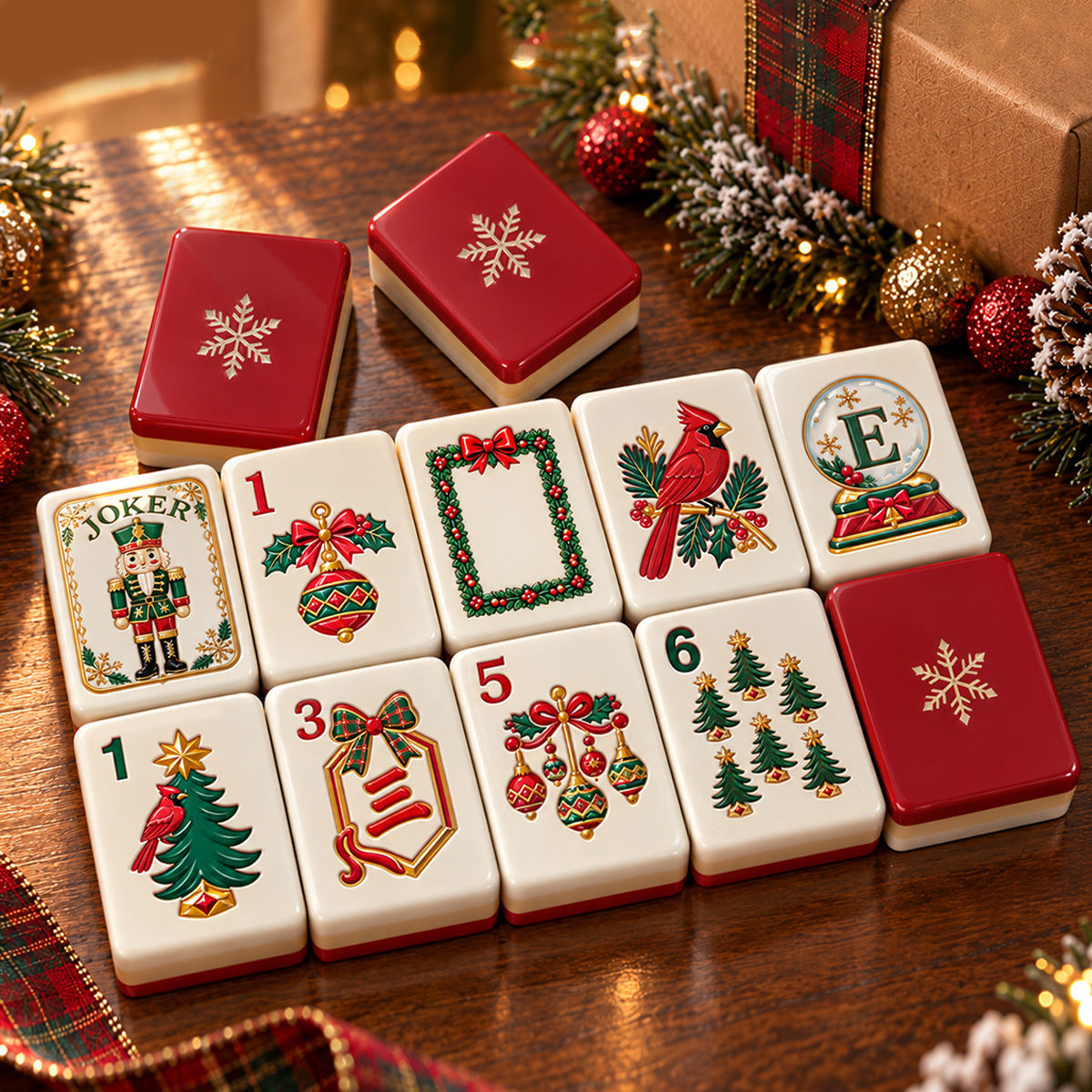
Washington DC hosts American mahjong tournaments year-round through community centers, synagogues, country clubs, and libraries in and around the metro area. Most tournaments follow National Mah Jongg League rules with four-player games using 152 tiles plus 8 jokers per hand. Search local community center websites, check library bulletin boards, and ask at Jewish community centers—many host monthly or seasonal events. Tournament formats vary: some offer single-day competitions with multiple rounds, others run league-style play over weeks or months. Entry typically involves a small fee; ask organizers about house rules, the current year's NMJL card requirement, and whether sets and tiles are provided or bring-your-own.
🀄 Shop best-selling mahjong sets →
Where do DC-area tournaments actually happen?
Most American mahjong tournaments in the Washington DC region cluster around community centers, synagogues, and country clubs in northern Virginia, Maryland, and DC proper. Libraries often post flyers or maintain bulletin boards. Check your nearest community center's events calendar online, call their activities desk, or visit in person—staff can point you to established groups. Jewish community centers frequently host competitive and social play; these are open to all players regardless of background. Search Meetup.com and Facebook groups for "mahjong DC" or "mahjong Washington" to find ongoing tournaments, leagues, and casual games. Ask any player you meet; the DC mahjong world is tight-knit and word-of-mouth brings newcomers into weekend games. Start with a search of your local recreation department.

What's the difference between a tournament and a casual game?
A tournament follows strict NMJL rules, uses the current year's official card, plays timed rounds, and keeps score across players to crown a winner. Casual games (sometimes called "house games" or "club play") are more flexible on timing and house rules. Tournaments typically involve entry fees and attract experienced players seeking competitive recognition. Casual games prioritize fun and often welcome beginners; they're held at someone's home, a restaurant, or a community space. Both use the same tiles and basic American mahjong structure—no sequences, four-player format, exposure of pungs and kongs, and joker flexibility. Many DC players participate in both: tournament seasons draw competitive energy, while weekly casual games keep skills sharp and friendships alive. Understanding which suits your schedule and skill level matters before you commit.
What should you bring—or what's provided?
Ask the organizer in advance whether you need to bring your own set, tiles, and NMJL card, or if they supply everything. Most established tournaments provide tiles, score sheets, and a reference card at the table. You'll always need your own copy of the current year's NMJL card (issued each spring)—download it from the National Mah Jongg League website or print a copy. If you own a set, bringing it signals respect and preparedness; hand feel and tile clarity matter over hours of play. Our best-selling collection includes acrylic sets in various styles—many DC players rotate between a home set and tournament play. A mat keeps tiles organized and quiet during games; casual play doesn't require one, but tournaments appreciate them. Bring a small notebook to track your own scores and hands if you're learning. Never assume—call ahead and confirm.
What to Bring | Why It Matters | When Required |
Current NMJL card | Rules and valid hands change yearly | Always—bring your own copy |
Personal mahjong set | Familiar tile feel, shows commitment | Bring-your-own tournaments; optional for casual |
Mahjong mat | Keeps tiles organized, dampens noise | Casual games: optional; tournaments: appreciated |
Pen and notebook | Track scores, learn new patterns | Beginners and league play |
Small cloth or pouch | Protects tiles during transport | If bringing your own set |
🎁 See our most-loved mahjong sets & accessories →
How do DC tournaments score, and what are the payout rules?
American mahjong tournaments typically award points for each hand won and tally totals across rounds to determine overall ranking. Payouts depend on entry fees and prize pools set by the organizer. Some tournaments use "round-robin" scoring (every player plays with every other player once) to ensure fairness; others use "table-switching" where you move between tables each round. Points are earned by going mah jongg on a valid NMJL hand; bonuses may apply for concealed hands, rare patterns, or large melds. House rules vary—some DC venues double points for certain hand categories or add bonus scoring for limit hands. Always ask for the specific scoring method and payout structure before entering. Learn the fundamentals in our scoring guide so you understand the stakes and strategy.

What skill level do DC tournaments expect?
Most organized DC tournaments accept beginner through advanced players but may separate into divisions by experience. Beginner tournaments are welcoming and forgiving; they focus on teaching correct NMJL rules and building confidence. Intermediate and advanced tournaments move faster and assume familiarity with the card, tile recognition, and hand strategy. Ask the organizer which division suits you—there's no shame in starting at beginner level, and many players stay there year after year for the social aspect. Casual games at homes and community centers typically accept all levels; regulars help newcomers learn without pressure. If you're brand new, read our guide to mahjong for beginners and attend a few casual sessions before entering a formal tournament. This builds confidence and prevents nerves from derailing your play. DC's community is patient with learners.
What to check before you commit to a tournament
Before you sign up, confirm: the tournament date and start time; exact location and parking; entry fee; whether you bring your own set or tiles are provided; the NMJL card requirement; expected number of rounds; payout structure (if any); cancellation policy; and whether a beginner division exists. Ask if you can observe a round first—most organizers welcome visitors. Check the venue's accessibility if you have mobility concerns. Confirm you own or can borrow a set in good condition (tiles should be clean, readable, and complete). Have a backup plan if you can't find parking or get stuck in traffic—call the organizer and arrive early. Bring water and a light snack; tournaments can run 3–5 hours. Know the house rules in advance by requesting them in writing or asking during registration.
✨ Find your Mahstead set — free US shipping →
Common mistakes new DC tournament players make
Assuming the NMJL card never changes. It does—every April, the League issues a new card with new hands. Always use the current year's card; old cards make hands invalid and frustrate opponents.
Arriving without a physical card. Download and print before you go. Phone screens are too slow and take turns during play.
Playing too fast or too slow. Observe table rhythm and match it. Rushing leads to errors; dawdling stalls the group.
Bringing a damaged or incomplete set. Missing tiles or bent pieces slow play and create disputes. Test your set at home first.
Not asking about house rules. Each venue and group has quirks—Charleston rules, how flowers are handled, joker use in pairs. Ask at the start of your first round.
Skipping beginner divisions. Jumping straight to intermediate or advanced play defeats you and frustrates seasoned players. Start where you fit.

FAQ
How do I find a mahjong tournament in DC this month?
Check your local community center's events calendar online or call their activities desk. Search Meetup.com and Facebook groups for "mahjong DC." Visit Jewish community centers—many post tournament schedules. Call ahead to confirm dates and entry requirements.
Do I need my own mahjong set to play in a DC tournament?
Most organized tournaments provide tiles; ask the organizer in advance. If you own a set, bringing it shows readiness. Ensure tiles are clean and complete before tournament day.
What's the current NMJL card, and where do I get it?
The National Mah Jongg League issues a new card every April with all valid hands for that year. Download and print it from their website, or buy it at the tournament venue. Never use an old card—hands will be invalid.
Are beginner-friendly tournaments available in the DC area?
Yes. Many DC venues offer beginner divisions where pace is slower and experienced players help newcomers. Call organizers and ask; they'll place you appropriately. Casual games at homes and clubs also welcome all levels.
How much does it cost to enter a DC mahjong tournament?
Entry fees vary by organizer, venue, and tournament length. Contact the specific tournament for pricing. Some casual weekly games charge minimal fees; formal competitions may be higher. Ask if there's a payout or if it's social play.
What happens if I don't know all the hands on the NMJL card?
Nobody memorizes the entire card—players refer to it throughout the game. Keep a copy in front of you. Experienced players help newcomers spot valid hands. This is normal and expected in American mahjong play.
Can I watch a tournament before I enter one?
Yes. Most organizers allow observers; call ahead and ask. Watching teaches you table flow, pacing, and house rules before you commit. This is an excellent way to ease into competitive play.


View More
View More
View More
