
Mahjong for Grandparents and Grandkids: Learn Together
Last updated: Nov 23, 2026
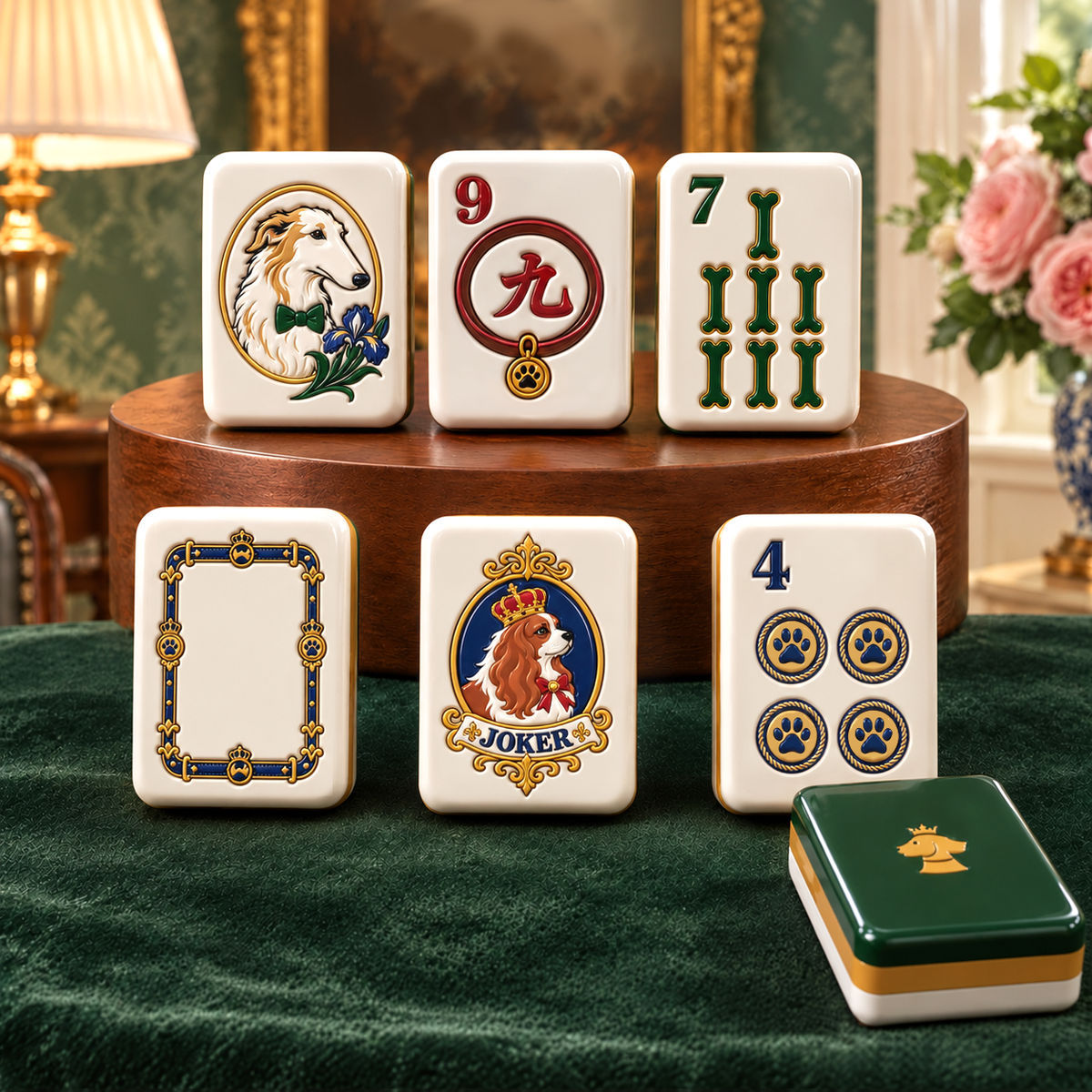
Mahjong for grandparents and grandkids works because the game rewards patience, memory, and conversation—not speed or aggression. American mahjong, the most common variant in US households, uses 152 tiles (plus 8 jokers) played by four players for 15–20 minutes per hand. Grandparents bring life experience; kids bring energy. You'll need a best-selling set, a mat for clarity, and the current year's hand card (free online from the National Mah Jongg League). Start with one hand, not a full game. Pick a calm weekend afternoon, play slowly, laugh at mistakes, and let younger players drive the tile exchanges—they often spot patterns faster than we do.
Is mahjong too complicated for young players?
No. American mahjong feels complicated until you see that it's just pattern-matching: collect three or four identical tiles, find your hand on the card, then announce "mahjong" when you win. Kids aged 10 and up catch the basic rhythm within 30 minutes. The real skill—reading the card and spotting winning combos—develops over months, but the playing starts immediately. Grandparents already know patience; kids already love games. Pair those strengths and the complexity dissolves into fun.

What age should a grandchild start?
Eight-year-olds can play if they read numbers and shapes; ten-year-olds thrive. The sweet spot is ages 10–16, when kids have enough focus to track four suits but enough energy to keep the game lively. Teenagers often beat grandparents within three sessions—not because they're smarter, but because they haven't learned the "right" way yet and spot unconventional plays. Younger siblings (6–8) can sit at the table as observers or play simplified two-player versions, learning tile names and building anticipation for their first real game.
Which mahjong variant is best for mixed ages?
American mahjong is ideal for intergenerational play. It's rule-heavy but forgiving: younger players get second chances through jokers (wildcards that can fill any tile), older players lean on strategy and memory of prior hands. Chinese and Riichi variants require fast mental math—harder for young learners and frustrating for rusty retirees. American mahjong gives everyone a role. Grandparents naturally manage the score and the card; grandkids naturally call tiles and push pieces. The game's built-in turn structure prevents chaos. See our guide on how to play American mahjong for a full breakdown.
🀄 Shop best-selling mahjong sets →
How do I set up a first game without overwhelming them?
Start with just one hand, not a full game. Here's the step-by-step:
Lay out tiles face-down in rows. Let your grandkid help shuffle and build the "wall"—this tactile step builds ownership.
Deal 13 tiles each. Everyone draws their hand and sets tiles upright on a mat or rack so others can't see them.
Show them the current year's hand card (free PDF from the National Mah Jongg League website). Point to one simple hand—maybe a pung (three 5 Dots) plus a sequence of single tiles. "This is what we're hunting."
Play the turn order slowly: Grandparent draws one tile from the wall, shows it aloud, then discards one. Next player does the same. When someone's hand matches the card, they shout "mahjong" and wins.
Celebrate the win. Reset and play again, same hand or a new one—no score kept yet.
Do this for 30–45 minutes. Stop before energy crashes. The goal is familiarity, not victory. Skip scoring, hand combinations, and the Charleston (the tile-passing ritual at the start of a full game) until session two.

What equipment makes the learning easier?
A mat and racks turn chaos into clarity. A mahjong mat shows each player's area, keeps tiles from sliding, and gives younger kids a defined "tile zone" so they don't scatter pieces across the table. A rack with pushers lets grandkids prop their tiles upright without hands getting tired—crucial for small hands or those with arthritis. Engraved sets with large print help vision; clear acrylic tiles are easier to distinguish than bone-and-bamboo for first-timers. A travel bag means you can bring the game to their house, the library, or a café—continuity builds habit.
🎁 See our most-loved mahjong sets & accessories →
Setup Element | Who It Helps | Why It Matters |
Engraved acrylic set | Younger eyes; color-blind players | Bright, clear; no squinting |
Mahjong mat | Everyone | Organizes tiles; prevents sliding; defines space |
Racks with pushers | Small hands; arthritis; long games | Reduces hand fatigue; keeps tiles visible |
Printed hand card (large) | Older eyes | Avoids screen time; easier to share |
Travel bag | Multi-location games | Protects tiles; makes games portable |
What mistakes should we avoid?
Don't teach scoring on day one. Scoring in American mahjong is merit-based and confusing; save it for session three or later. New players need to learn how tiles move, not how points stack.
Don't play with house rules yet. Stick to the National Mah Jongg League rules for American mahjong. House variants ("wild" tiles, bonus combos) make it harder for grandkids to play with other groups later and more confusing to explain. Consistency builds confidence.
Don't rush the Charleston. The tile-passing exchange before each game is fun but strange. Introduce it once everyone has played two hands and feels comfortable touching tiles. Explain it as "we're scrambling the deck before the real game starts"—kids love this metaphor.
Don't let one person dominate the card. The card reader should rotate. Let your grandkid be the "card chief" every other hand; they'll spot hands faster and stay engaged.
Don't play more than 45 minutes the first time. Exhaustion kills joy. Stop while everyone's laughing, not frustrated.
Building a routine that sticks
The best grandparent-grandkid mahjong relationships happen when the game is regular, not special. A weekly Thursday afternoon game, a monthly Saturday brunch game, or a bi-weekly video call where you play over screen-share—all work. Kids remember routines. After four to six sessions, your grandchild will know the tiles by name, spot hands without reading the card, and ask when's the next game? That's when you know it's working.
The depth of American mahjong means you can play together for years and still discover new hands. Grandparents who started teaching grandkids in 2020 are still at the table in 2026, now teaching great-grandkids. The game scales with your relationship.
✨ Find your Mahstead set — free US shipping →
What to check before you buy
Tile size: Larger tiles (standard ~1 inch) suit older eyes and younger hands. Check product images for scale.
Material clarity: Acrylic tiles are brightest; resin is mid-range; learn which suits you prefer.
Rack fit: If you're buying racks, ensure they match your set's tile size—not all racks fit all sets.
Card included: Many sets don't ship with the current year's hand card. Confirm before buying or download free from the National Mah Jongg League.
Storage: A travel bag or case protects tiles during transport and keeps pieces together between games.
Start with a best-selling set, a mat, and the free hand card. Everything else is refinement.

FAQ
Can I teach mahjong to a 6-year-old?
Yes, as an observer or in simplified two-player format where you both draw tiles and match them by color or number, building your own "sequences." They'll grasp the official four-player game by 8–10. Mahjong builds pattern recognition, so early exposure helps even if they don't play full hands yet.
What if my grandkid doesn't like sitting still?
Play shorter rounds (15–20 minutes per hand) and take breaks between hands. Stand, stretch, grab a snack, then reset. Kids who fidget often focus better in short bursts. Some grandparents play mahjong while walking between rooms or at a café—it's the tiles and the company, not the venue.
How long does a grandkid take to get "good" at mahjong?
After 10–15 hands, they'll play without asking every question. After 20–30 hands, they'll spot winning combos and beat you. After 50+ hands, they'll develop strategy and remember previous hands. Mastery takes years, but competence is 3–5 sessions.
Should I let them win?
No. Let them win when they genuinely win. Kids spot condescension faster than you'd think. If they lose their first five hands, that's normal—the card and luck are fickle. Celebrate their first real win loudly; they'll remember it forever.
Can we play mahjong over video call?
Yes. Use a mahjong online platform or software (free and paid options exist) where both players log in and play real-time tiles. Or play "offline" where you each have a physical set and call out moves to each other—slower but charming. The bond is the same either way.
What's the best time of year to start teaching?
Winter and rainy days are natural indoor-game seasons. Holiday breaks (December, spring break) give uninterrupted time. But any calm afternoon works. The key is regularity, not calendar timing. If you start in July and play weekly, your grandkid will be fluent by October.


View More
View More
View More
