
Mahjong for Card Players: Learn the Game Fast
Last updated: Nov 23, 2026
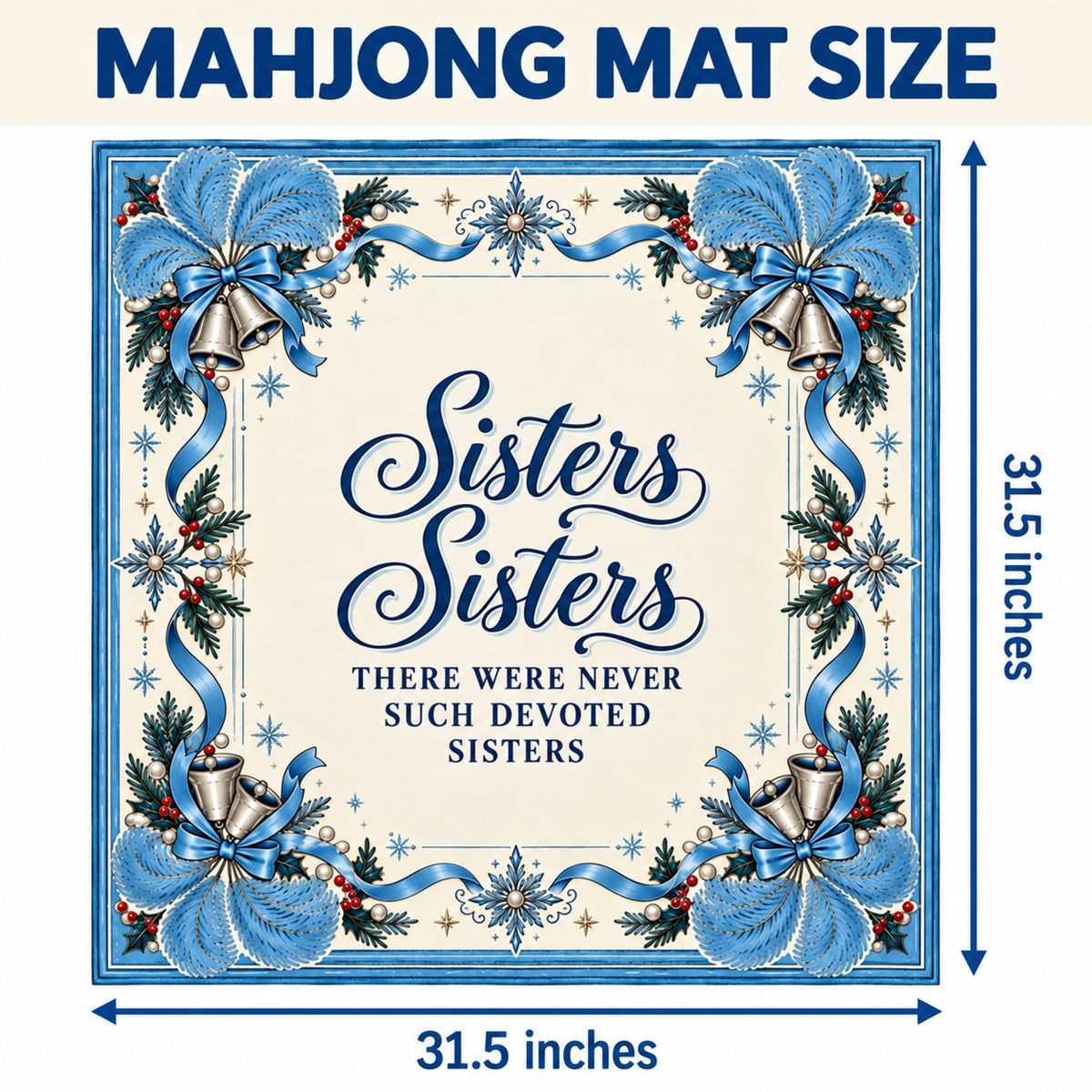
Mahjong is a turn-based pattern-matching game played with 152 tiles across four players for 2–4 hours per session. Card players recognize the core mechanic: draw one tile, discard one tile, build sets (runs don't exist in American mahjong; you expose groups of identical tiles instead). Unlike cards, American mahjong hands come only from a seasonal card issued each spring by the National Mah Jongg League—you're not inventing hands, you're matching the card. A full game costs no entry fee; hosting requires a set (152 playing tiles plus spares), a mat, and one deck per player. Setup takes 10–15 minutes including the Charleston (a tile-passing ritual unique to mahjong). Most card players sit comfortably by week three. Mahstead offers best-selling mahjong sets sized for standard dining tables, with free US shipping.
How is American mahjong different from the card games you already play?
The biggest shift: no sequences. In rummy you build 1-2-3, but in American mahjong you build pungs—three identical tiles—or kongs (four identical). You'll also notice jokers work like wild cards in rummy, but here they're part of every hand design on the card and have strict rules. The Charleston (exchanged tiles before play) replaces the initial draw phase. Games end not when someone goes out first, but when someone completes a hand exactly matching the card—no shortcuts, no house variations. Most card players adapt within one session because the draw-discard loop is identical; the new skill is reading the card and spotting patterns in the existing hand you're building rather than inventing your own.

What skills from card games transfer directly?
Hand-building strategy carries over completely. You already know to track what others discard, hold your options open, and protect your tiles as long as possible—every rule of card memory and timing applies. Reading probability works the same: which tiles are gone, which players are close to winning, when to play aggressive versus defensive. Counting is identical: you track discards mentally and on paper just like in bridge scoring. Even bluffing translates—players watch whether you discard fast (confident hand) or hesitate (stuck). The main new skill is learning to read the seasonal card, which takes an hour of practice. Card players typically move from "Is this hand legal?" to "I know three ways to build this hand" within three weeks of weekly play.
What's the card, and why is it everything?
The card—a laminated sheet issued by the National Mah Jongg League each April—shows every legal winning hand for that year. It replaces the rulebook for outcome. Each hand is listed by suit combination (like "Bam 1-2-3-4-5" or "Winds, Dragons, Flowers mixed"), pattern, and whether jokers are allowed. You memorize nothing; you carry the card to every game. New players often freeze at "What's a legal hand?" The answer: anything printed on the current year's card. This is liberating for card players because it removes invention—you're puzzle-solving from a fixed list, not creating. Reading the card takes practice, but we've posted a guide to reading the mahjong card that walks you through the layout in plain English. Most people reference it in their first two months, then rarely after.
Where do card players find their first game?
Community centers, libraries, and synagogues in most towns host weekly open games or beginner classes—search "[your city] mahjong" or ask at recreation departments. Meetup boards and Facebook groups for mahjong beginners in your area will list standing games. Country clubs often have ladies' games open to visitors by invitation. Card rooms occasionally host mahjong nights. The fastest way in: ask at bridge clubs whether anyone plays; odds are high. Once you're in one game, you'll be invited to others—mahjong players are collectors of players. If you want to start your own game, hosting requires a 160-tile set with spare tiles, a felt mat for grip, and racks so players don't strain their hands during long sessions. Our best-selling mahjong sets ship with everything you need to host four players.
🀄 Shop best-selling mahjong sets →
What gear matters most when you're hosting?
A proper set (160 tiles with spares) is non-negotiable—cheap sets have uneven tile faces and jam in racks, breaking rhythm. A mat prevents tiles from sliding and makes discards visible; it also protects your dining table. Racks keep tiles upright so players can see their full hand without neck strain. A bag or case means you can host multiple times without tiles degrading. A small die is used to determine the starting wall. Here's a checklist of what most hosts forget: (1) a second mat if you have more than one regular table, (2) extra jokers—you discard jokers during play and they wear out, (3) a waterproof bag for games near drinks. Card players used to dealing cards at speed appreciate racks with pushers because they work like card racks; the pusher keeps tiles aligned and reduces table clutter.
Item | Why card players appreciate it | Essential? |
160-tile set with spares | Lasts years; identical tile faces print clearly | Yes |
Felt mat | Prevents sliding, speeds discards, protects furniture | Yes |
Racks with pushers | Organizes hand like a card rack; reduces strain | Highly recommended |
Bag or case | Protects tiles between games; signals you're serious | Recommended |
Die | Determines starting wall; included in most sets | Usually included |
Our mahjong racks with pushers were designed by players who also play bridge—they sit exactly like a bridge rack. We also stock travel bags and cases that fit a full set, mat, and dice without bulk.

How long until a card player feels competent?
Most card players win a hand by week two and play confidently by week four. The learning curve is front-loaded: your first game is the hardest because you're reading the card and watching tiles simultaneously. By game three, you stop asking "Is this legal?" and start asking "Which hand should I chase?" That's the card player's inflection point. The longest part isn't learning rules—it's memorizing discards and recognizing which hands are "live" (still possible) versus dead. Players who track discards religiously (like bridge players do tricks) gain a 15–20% win-rate edge within six weeks. Most card players don't need coaching after the Charleston is explained; they're ready to play weekly. Expect to win about one hand per three-hour session for the first two months, then one hand per session as a regular, then two to three as you sharpen pattern recognition.
✨ Find your Mahstead set — free US shipping →
What's the learning curve for American mahjong specifically?
American mahjong is the slowest variant globally (more passing, slower play, bound to a seasonal card), but it's the most forgiving for beginners because everything is visible and rule-checked. Unlike Chinese mahjong, where you invent winning hands, American mahjong constrains all outcomes to one published card—there's no debate. Unlike Hong Kong mahjong's rapid-fire tempo, American play allows thinking time. Riichi mahjong (Japanese) has a steeper scoring system. For card players, American mahjong's structure and printed rules map directly to the card, removing ambiguity. If you're learning American mahjong specifically (not another variant), you've chosen the beginner-friendliest option. The full breakdown of American mahjong rules and what's in a standard set are linked below if you want detail.
What to check before you buy your first set
Tile size and weight matter. Standard American tiles are 1.25 inches wide and weigh about one ounce—heavy enough to feel solid, light enough not to fatigue your hand. Cheap sets use thin plastic; good sets use acrylic with clear printing. Examine sample photos to ensure suit symbols (Bams, Craks, Dots) are stamped clearly, not painted.
Spares are essential. A 160-tile set includes 152 playing tiles plus extras. You'll never add the spares to play, but they replace tiles that get chipped or lost.
Racks and mats are worth the investment. Playing without racks for even one evening causes hand fatigue; playing without a mat means tiles skitter across the table and games slow down.
Bags preserve longevity. Mahjong sets last a decade with proper storage; without a bag, they chip and absorb moisture within two years.
🎁 See our most-loved mahjong sets & accessories →
Picking the right set for your game style
If you're hosting mixed skill levels, choose a best-selling set with large clear symbols—new players move slower and benefit from easy tile recognition. If you're joining an existing game, ask what weight and size the regular players use; switching sets mid-season jars rhythm. If you want to gift a set to a card-playing friend, look for designs that signal humor or personality—mahjong players often customize their sets. We offer engraved sets with player names and titles that are popular as "welcome to our game" gifts. For the holidays, we also stock Christmas-themed sets that appeal to card players who treasure quality game night gear.

FAQ
How much time does a card player need to learn mahjong before joining a game?
Two hours of study plus one supervised game (three hours). Most card players already know draw-discard rhythm; you mainly need to learn the Charleston and how to read the seasonal card. Your first game will feel slow, but by game two you'll keep pace with regulars.
Are there online beginner games where card players can practice before sitting at a table?
Yes; search "American mahjong online" or "Mahjong Time." These platforms teach rule enforcement but don't replicate the social and discarding psychology of live play, so treat them as supplements only. Most players move to in-person games quickly because the tile-handling experience is irreplaceable.
Can I play mahjong if I don't know all the hands on the card yet?
Absolutely. You learn the card while playing. Keep it in front of you and reference it every turn for the first month; experienced players will help. By month two, you'll stop looking as often because you'll recognize patterns.
What's the biggest mistake card players make when they start mahjong?
Trying to invent hands like they would in rummy. Mahjong is "pattern matching to a fixed card," not "creating winning combinations." Once that shift clicks, everything accelerates.
Do I need my own set to join a game, or can I play with the host's set?
You can start with the host's set. But if you plan to play weekly, buy your own or share ownership of a set with your game group. Sets last a decade if stored properly, and casual players often rotate ownership seasonally.


View More
View More
View More
