
Mahjong competition rules: American vs. Chinese gameplay
Last updated: Nov 23, 2026
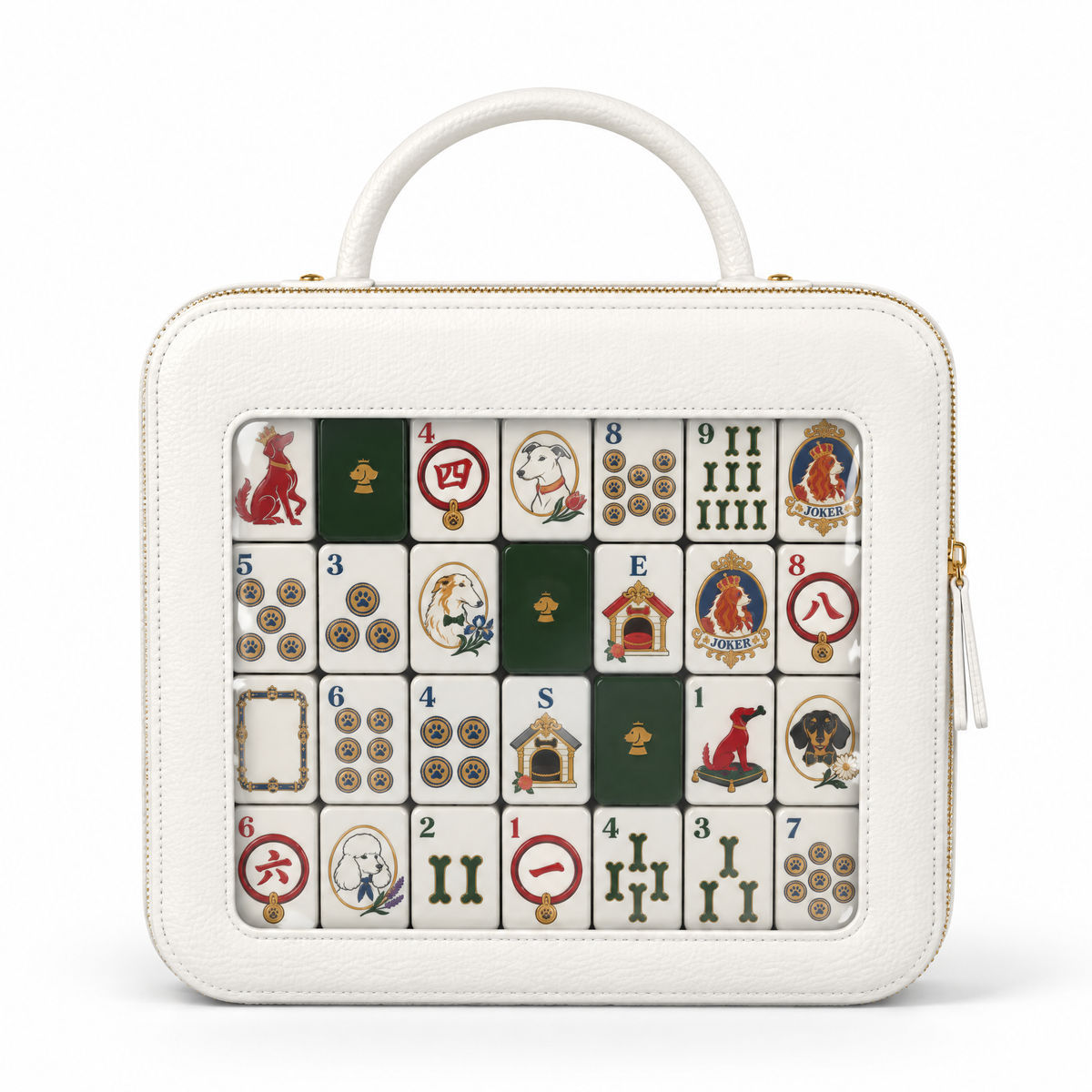
American mahjong competition uses 152 tiles + 8 jokers, hands drawn only from that year's National Mah Jongg League card, and strict exposure rules: pungs (3 identical), kongs (4 identical), quints (5), and sextets (6) only—never sequences. Jokers cannot form pairs or single tiles. The Charleston (tile-passing ritual) precedes every game. Chinese mahjong plays with 136 tiles, allows chow sequences (1-2-3), requires melded sets exposed mid-play, and permits joker flexibility. Riichi (Japanese) uses 136 tiles, plays drawn or discard-only hands, requires "riichi" declaration before winning, and enforces strict scoring multipliers. Each variant plays roughly 13–16 rounds per session. Tournament play adds timers, hand documentation, and strict fouling penalties. We recommend studying your venue's exact ruleset before competing—most tournaments post these weeks ahead—and getting familiar with tile handling on a quality mat and rack system so you play confidently under pressure.
🀄 Shop best-selling mahjong sets →
What makes American competition different from casual home games?
Tournament American mahjong enforces the NMJL card as the only legal hand source, bans house rules, requires exact tile counts (152 tiles, 8 jokers per game), and documents every discard in writing for scoring disputes. Casual games often improvise hands, ignore the card, or skip the Charleston. Competition also imposes strict hand-calling windows: you cannot claim a tile after two subsequent discard actions occur. Exposure rules lock: no exposing sequences (chows), no using jokers in pairs. Casual play sometimes allows these. Tournaments also typically require shuffles between rounds (not during dealing), dealer rotations by wind, and documented payment settlements. The biggest shock for casual players is speed: tournament rounds often run 15–20 minutes with a timer, forcing faster tile recognition and hand reading. Competitors rely on engraved or high-contrast tiles to read sets instantly under pressure, and organized racks to track discards without hesitation.

How do Chinese competition rules differ on sequences and melds?
Chinese mahjong allows chow sequences (1-2-3, 4-5-6, etc. in the same suit), which American mahjong bans entirely. In Chinese play, you can expose a chow if another player discards the final tile you need—this is called "chi." American mahjong permits only pungs, kongs, quints, and sextets from discards. Chinese also requires all melds exposed immediately on the table; hidden hands are illegal mid-game. Jokers in Chinese play can substitute any tile in a meld, whereas American jokers only function in exposed sets, never in pairs or singles. Hand composition is looser in Chinese tournaments: players may hold tiles forming any valid combination (not limited to a specific card). Winning tile is drawn or claimed from a discard, not counted on the card. Chinese rounds average 8–12 minutes per hand due to faster claiming and exposure. The tile count is 136 (no jokers in traditional play; some modern tournaments add jokers, shifting the count). If you've played only American mahjong, expect Chinese competition to feel faster, more fluid, and less dependent on memorizing a single reference card.
🎁 See our most-loved mahjong sets & accessories →
What are the key penalties and fouls in tournament play?
Common fouls across all variants include: exposing tiles out of turn (counts as a dead hand or automatic loss), claiming a tile then revoking it (penalty discard, typically), playing a tile you've already discarded, and melding an illegal hand. American tournaments penalize joker misuse harshly: using a joker in a pair, a single, or outside an exposed set voids the hand. Exposing a sequence (chow) as a legal meld in American play is an automatic dead hand. Late calling—claiming a discard after the next player has acted—costs that tile and a penalty point. Some tournaments use "no-claim" windows: once three tiles pass, that discard is locked. Wall breaches (taking from the wrong end of the wall, or taking too many tiles) are immediate fouls. Documentation errors—claiming a hand that doesn't match the card (American) or the tile combination (all variants)—result in point loss or disqualification. Intentional collusion (signaling, revealing tiles, or strategic passing to favor one player) can end a player's tournament participation. Most venues publish a penalty schedule before the event. Read it carefully; ignorance doesn't excuse a foul. Serious tournaments use observers or cameras to verify hand validity on dispute. If you're unsure about a specific situation, call the arbiter immediately rather than settling it at the table.

How does Riichi mahjong scoring differ in competition settings?
Riichi (Japanese mahjong) awards points based on hand patterns and winning method, not just completion. A "riichi" declaration (made before your final draw) locks your hand and signals to opponents you're close to winning; if you win after declaring riichi, your score doubles. Winning by self-draw (tsumo) is worth more than claiming a discard (ron). Patterns like "all terminals," "all honors," "seven pairs," and "half-flush" (one suit + honors) multiply the base point total. Tournament Riichi uses a scoring table: players calculate points based on hand pattern, multiplier (from riichi, self-draw, or double wind), and the total tile count owed. Competition also enforces strict tile sequence: no skipping the wall order, no restacking once a hand begins, and no revealing tiles until winning is declared. Discards must be organized in rows so opponents can track the game visually. Rounds are timed (typically 20–30 minutes per hand in tournament play) to maintain schedule. Riichi tournaments often run a single hand then rotate East wind; the player who wins East keeps the wind and deals again. This differs sharply from American play, where all players rotate regardless of outcome. If you're new to Riichi, study the scoring table, practice hand evaluation under time pressure, and memorize key patterns (yaku) before entering a tournament.
✨ Find your Mahstead set — free US shipping →
What preparation gives you a real edge in tournament play?
Study the exact rulebook your tournament follows at least two weeks before the event. Request the organizer's variation rules (joker count, penalty schedule, exposure rules) in writing. If playing American, memorize the current NMJL card: practice reading hands under a timer until you spot legal combinations in 3–5 seconds. If playing Chinese or Riichi, drill hand patterns and point calculations offline. Physically practice tile handling: shuffle slowly with both hands to avoid spillage, organize your rack to minimize reaching, and practice calling discards calmly without hesitation—nerves cause fumbled tiles in competition. Use a quality mahjong mat in home practice identical to the tournament setup (felt, embroidered lines, dimension); unfamiliar surfaces slow play. Invest in racks with pushers if your tournament permits them; they prevent accidental tile exposure and free your focus for strategy. Play mock tournaments with serious players, using actual timers and a scorekeeper; stress tests your reads. Sleep the night before; fatigue errors compound over 16 rounds. Eat a light meal before play—tournaments run 2–4 hours—and bring water. Arrive 30 minutes early to acclimate to lighting, tile contrast, and table height. If you play with engraved tiles, ensure the engravings don't interfere with suit recognition under tournament lighting; test your set on the actual venue table if possible. Most tournament venues welcome a 15-minute walk-through; take it.
Preparation Task | Why It Matters | Time to Complete |
Memorize rulebook | Fouls cost points; arbiter won't pause for clarification. | 1 week |
Study hand card or yaku | Instant hand recognition under pressure = faster play. | 2 weeks |
Practice tile handling on tournament mat | Spillage, slow reveals = table penalties and stress. | 3 practice sessions |
Play two mock tournaments | Real-time error exposure; you refine under clock. | 2–4 hours each |
Request venue layout & lighting info | Unfamiliar tile contrast or table height breaks rhythm. | Email organizer |
Verify your tiles are regulation | Chipped, sticky, or oversized tiles = play stoppages. | 10 minutes before event |
What to check before you buy competition tiles:
Tile thickness & weight: Regulation tiles range roughly 0.3 to 0.4 inches thick and weigh 8–10 grams each; light or flimsy tiles shift in racks and distract opponents.
Engraving clarity: If your set has engravings, read Bam, Crak, Dot, and wind symbols from 12 inches away in dim light; rough or shallow engravings disappear under stress.
Joker count: American tournament play uses exactly 8 jokers per 152-tile game; confirm your set includes this count (no fewer, no more for play).
Surface texture: Glossy tiles cause accidental discards; slightly matte or dimpled finishes grip pushers and hands better.
Suit contrast: Reds, greens, and blacks must read as distinct immediately; if you squint, test your set under venue lighting before the tournament.
Rack compatibility: If you're bringing your own rack, verify tiles slide smoothly without jamming; stiff racks waste time and signal uncertainty.
How do you handle disputes or questionable calls in tournament settings?
Call the arbiter immediately; do not settle at the table. Describe the issue factually: "Player East exposed a chow; the card doesn't show this hand." The arbiter reviews the rulebook, checks tile combinations, and rules. Decisions are final unless the organizer (not the table) overturns them. Do not touch disputed tiles once called; an observer or the arbiter will verify. If a player claims they won but the tiles don't form a legal hand, the arbiter checks the card, the wall count, and exposure log. If the error is the claimant's, they lose that round and often pay a penalty. If the error is the arbiter's from a prior ruling, that's noted and corrected going forward. Some tournaments allow one formal protest per player per event; use it only for major procedural breaches, not discard timing disputes. Disputes over scorecard entries must be raised before the next hand begins; once a hand resolves and chips are paid, scores lock. If you suspect collusion (players signaling), report it to the organizer in private, not at the table; accusation without proof damages your reputation. The best defense against disputes is clear, slow play: call tiles audibly, discard deliberately, and confirm the scoring sheet after each hand.

FAQ
Can I use house rules in a tournament?
No. Tournament play uses only the organizer's posted ruleset and the official variant rulebook (NMJL card for American, provincial rules for Chinese, etc.). House rules are void. Verify the ruleset in writing before registering.
What happens if I call a tile but then realize it doesn't match my hand?
In most tournaments, you must take the tile anyway and your hand becomes "dead" (unplayable for that round). You pay penalties and discard, then sit out until the next hand. Some venues allow a one-time revocation with a penalty discard; check the organizer's rules before entry.
How strict are tile-counting rules in competition?
Very. American tournaments verify 152 tiles + 8 jokers before each game; if a tile is missing, play stops and the organizer either sources a replacement or voids the hand. Chinese and Riichi tournaments count similarly. Never assume a tile is lost mid-game; call the arbiter immediately.
Can I take notes on the discards during a Riichi tournament?
Typically no. Riichi tournaments expect players to memorize discard patterns; note-taking is seen as a breach of speed or focus. American tournaments sometimes allow notation if it doesn't slow play. Ask the organizer in advance.
What's the penalty for an early win claim (claiming tiles before your hand is actually complete)?
In most tournaments, you're marked with a dead hand for that round, pay a penalty (often double the base points), and must sit out. Repeat false claims can result in tournament removal. Double-check your hand offline before calling.
Do I need my own tiles and rack for a tournament, or does the venue provide them?
Nearly all tournaments provide tiles, racks, and mats. Bringing your own is usually not permitted (fairness rules). Confirm with the organizer; if you're allowed personal equipment, ensure it meets regulation specifications and inform the arbiter before play.
How long is a typical tournament day, and what's the break schedule?
American tournaments run 16 hands (roughly 4 hours) with a 15–30 minute lunch break; some venues run two sessions (morning and evening). Chinese tournaments typically run 12–16 hands in a single session. Riichi varies by organizer. Expect 15-minute breaks between every 4 hands; bring snacks and water.


View More
View More
View More
