
Mahjong Clubs in Westchester: Where to Play & What to Know
Last updated: Nov 23, 2026
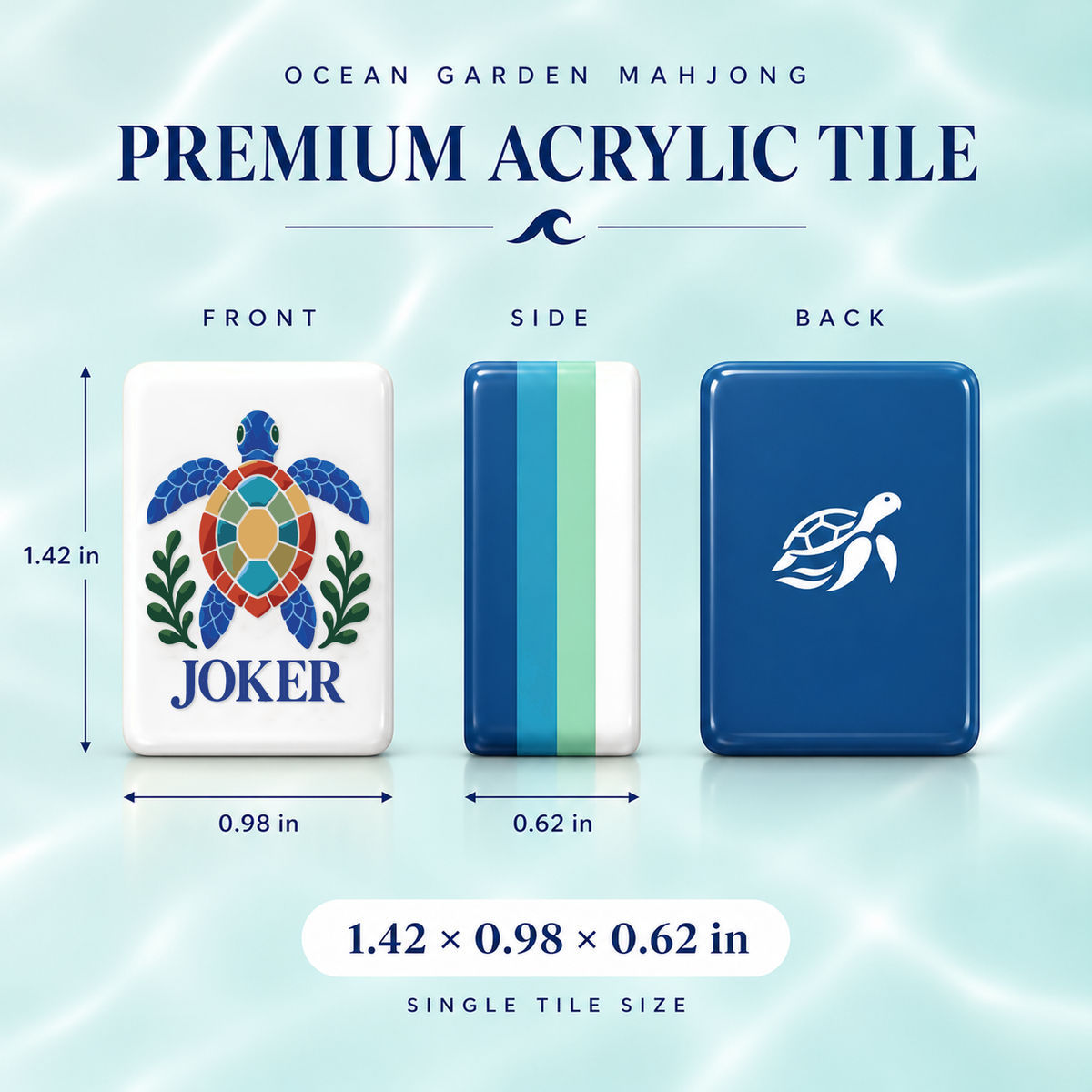
Mahjong clubs in Westchester operate through community centers, public libraries, synagogues, country clubs, and casual weekly meetup groups. Most clubs meet once or twice weekly, typically Wednesday or Sunday afternoons, and welcome both beginners and advanced players—you'll need a set of 160 tiles with 8 jokers to play American mahjong. Check your local community center or library bulletin board, call ahead to confirm game times, and ask whether the group plays American, Chinese, or Hong Kong variants (most Westchester clubs favor American). Bring cash for any table stakes agreed upon beforehand. Mahstead's best-selling mahjong sets ship free across the US and arrive fully playable, making it easy to practice at home before your first club session.
Mahjong in Westchester is alive. Every week, players gather in libraries, community centers, country clubs, and living rooms across the county to play. If you're new to the game or moving to the area, finding the right club takes a little legwork—but the payoff is regular play, friendship, and the kind of friendly competition that keeps you sharp.
Where Do Westchester Mahjong Clubs Meet?
Community centers and public libraries are your best starting point. Most Westchester towns—from Yonkers to New Rochelle, Scarsdale to White Plains—offer mahjong groups that meet weekly or bi-weekly. Call your local parks and recreation department or check the library's community calendar online. Some clubs meet in the daytime; others play evenings. Synagogues and Jewish community centers often host mahjong nights, and they welcome players of all faiths. Country clubs and private social organizations may have standing games, especially in affluent areas. Ask around: word-of-mouth remains the fastest way to find a steady four-player game.

What Rules Do Westchester Players Use?
Most Westchester clubs play American mahjong, which uses a 160-tile set (152 playing tiles plus spare jokers), follows the National Mah Jongg League hand card issued annually, and excludes sequences—you can only expose pungs (3 identical tiles), kongs (4), or higher. Some groups play Chinese or Hong Kong variants, which allow sequences and use different tile counts and hand lists. Before you commit to a club, ask which variant they play and get a copy of the rules or hand reference they use. If you're just starting out, read how to play American mahjong to understand the basics before your first night.
🀄 Shop best-selling mahjong sets →
How Do You Get Your Own Set Ready?
You'll need a complete American mahjong set with exactly 152 playing tiles and 8 jokers. Mahstead best-selling mahjong sets come as 160-tile sets (152 tiles plus spares) and include all necessary pieces. Inspect your tiles for cracks, chips, or illegible characters—especially the dragons, winds, and ones and nines. Learn what's in an American mahjong set so you can spot missing tiles before game night. If you host at home, add a mahjong mat to protect your table and make setup cleaner. Many regular players also invest in racks with pushers to organize their hand and speed up play.
What You Need | Why It Matters | Common Mistake |
152 tiles + 8 jokers | American rules require exactly this count | Mixing tiles from two different sets (different fonts confuse players) |
Current-year hand card | Hands must match the National Mah Jongg League card (updated every spring) | Playing old hand cards—hands won't validate |
Dice | To determine seating and turn order | Forgetting dice and using phone random generators (awkward at table) |
Scoreboard or paper | To track points across four hands | Mental math leads to disputes |
Optional: mat & racks | Makes play faster and protects your tiles | Playing on bare table with loose tiles scatters discard pile |
What Should You Do Before Your First Game?
Arrive early. Ask the group organizer whether you should bring snacks, drinks, or money. Confirm the stakes (if any) and whether they play for fun, quarters per hand, or another amount. Introduce yourself and ask a neighbor to walk you through a hand or two. Watch how they handle the Charleston (the tile-passing ritual before play begins), how they read the hand card, and how they call a win. Bring a notebook if you're a visual learner—jot down the suits (Bam, Crak, Dot), wind names (North, East, South, West), and dragon colors (Red, Green, White/Soap) so you recognize them instantly. Most importantly, ask questions. Good clubs teach new players, and most players love explaining the game.
🎁 See our most-loved mahjong sets & accessories →

What Mistakes Do New Players Make?
Beginners often assume mahjong is purely luck—it's not. Position matters. Hand-reading (spotting patterns early) matters. Knowing when to hold a tile versus discard it matters. New players also sometimes confuse American mahjong with Chinese or Hong Kong rules; verify which variant your group plays before asking clarifying questions. Another common mistake: bringing a worn or incomplete set. Mismatched tiles create disputes over which tile was just discarded. If your tiles are chipped, faded, or missing jokers, get a new best-selling set or borrow one from an experienced player for your first few games. Finally, don't memorize the entire hand card on day one—focus on five or six hands and learn them cold. Speed comes with practice.
What Hosting Supplies Make a Difference?
If you plan to host a weekly game at home, invest in a few basics: a mahjong mat protects your furniture and makes discards visible, racks with pushers organize each player's tiles so nobody loses track of their hand, and a bag or case keeps your set safe between games. Many Westchester hosts also keep a printed copy of scoring rules and a scoreboard handy. If you own a set with engraved titles or personalized backs, guests often comment on the detail—it signals that your game is serious and well-run. These small touches make your table feel professional and keep the energy positive.
✨ Find your Mahstead set — free US shipping →
What to Check Before You Buy
Tile count and condition: Make sure you have exactly 152 playable tiles plus 8 jokers. Inspect for chips or cracks in the dots, craks, bams, and dragon/wind faces.
Joker usability: All 8 jokers must be present and distinct from other tiles. In American mahjong, jokers can only fill exposed melds (pung, kong, quintet, sextet), never a single tile or pair.
Suit clarity: The three suits (Bam, Crak, Dot) must be visually distinct. Faded or ambiguous characters cause play delays.
Rack and mat compatibility: If you buy racks, verify they fit standard acrylic or bone tiles. If you buy a mat, confirm it fits your table dimensions.
Travel readiness: If you plan to bring your set to a club, a padded bag or case protects tiles and keeps jokers from scattering.
Getting Started: A Checklist
[ ] Call your local community center, library, or Jewish community center to ask about mahjong groups
[ ] Confirm which variant (American, Chinese, Hong Kong) the group plays
[ ] Ask about game times, table stakes, and whether beginners are welcome
[ ] Read mahjong for beginners to learn basic terminology
[ ] Secure a complete 160-tile set with 8 jokers and verify all tiles are readable
[ ] Learn how to read the mahjong card so you recognize winning hands
[ ] Attend your first game and ask questions—clubs teach new players
[ ] After a few sessions, consider hosting at home with a mat and racks if you enjoy the game
Westchester's mahjong community is welcoming and active. Finding a club is easier than you think, and once you do, you'll discover a social circle, mental challenge, and decades-old tradition all rolled into one Thursday or Sunday afternoon. Start by calling your local rec center or library this week.

FAQ
Are there mahjong clubs open to complete beginners in Westchester?
Yes. Most Westchester community centers and libraries welcome beginners and often pair them with experienced players. Call ahead, explain you're new, and ask if the group teaches. Many clubs set aside one session per month for newcomers.
What variant of mahjong is most common in Westchester?
American mahjong is most popular, but some clubs play Chinese or Hong Kong. Always ask the group before joining. The rules, tile count, and hand reference differ significantly between variants.
Can I bring my own set to a club, or must I share?
Bring your own set if it's complete and readable. Many clubs appreciate it—it speeds play and avoids disputes over tile condition. Verify your set has all 152 tiles plus 8 jokers before your first night.
How much does it cost to join a Westchester mahjong club?
Public library and community center games are usually free or charge a small monthly fee (ask when you call). Private clubs may require membership. Table stakes (quarters or dollars per hand) vary; confirm before you play.
What's the best way to practice before joining a club?
Learn the basic rules online, watch a few practice hands, and play with friends at home. Read how to play American mahjong and how to read the mahjong card to build confidence.
Should I buy a set now or wait until I join a club?
Buy a set once you've confirmed which variant your club plays. If they play American mahjong, a best-selling set is a solid investment—you'll use it for years.


View More
View More
View More
