
Mahjong Mat for Round Table: Size, Setup & Best Options
Last updated: Nov 23, 2026
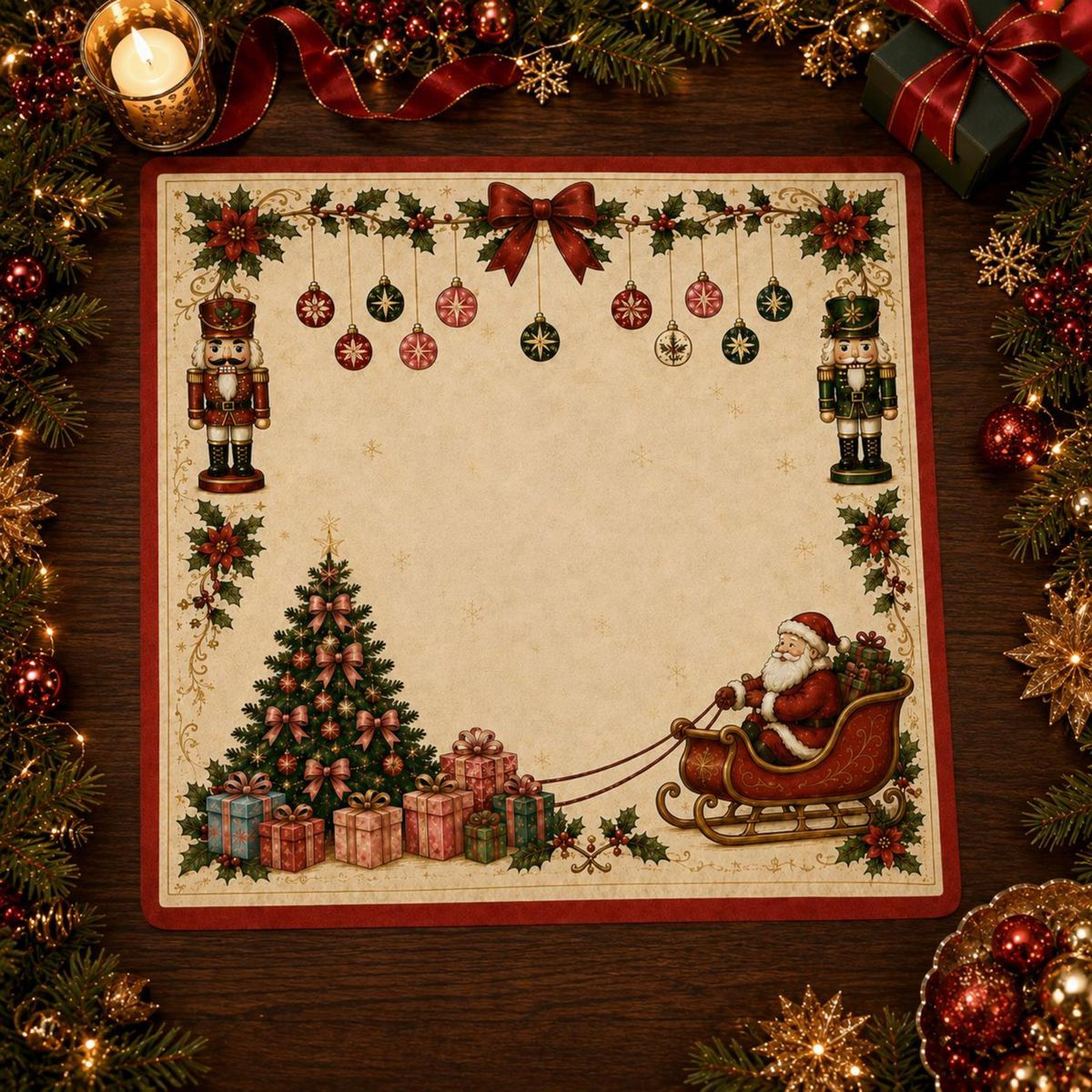
Round-table mats designed for American mahjong come in two main configurations: octagonal or circular layouts that seat four players around the perimeter. Standard sizes range from 36 to 48 inches in diameter, fitting most household dining or dedicated game tables. A quality mat features felt playing surface with raised edges or bumpers to contain tiles, printed position markers for each player's rack and discard area, and printed card-holder zones. Most include a centered tile well or organizing section. Mahstead offers mahjong mats in multiple styles—from classic green felt with engraved designs to custom colors and humorous motifs—shipped flat and ready to lay directly over your existing table. Choose based on your table's exact diameter, the mat's storage footprint, and whether you prefer permanent placement or portability.
Round-table mats keep your game organized and visible to all four players simultaneously. Unlike rectangular mats designed for a single dealer's view, round-table versions distribute positions evenly, so East, South, West and North each own a quarter of the playing surface. This setup prevents one player from dominating the table visually and ensures the NMJL card, dice and joker pile stay accessible from every seat. Hosting a weekly game on a round table with a dedicated mat transforms casual play into a more controlled, professional experience—and guests notice immediately.
What size round-table mat do I actually need?
Measure your table's diameter first. Round tables typically run 36, 42, 48 or 54 inches across; round-table mats are commonly offered in 36, 40, 44 and 48-inch versions to accommodate these standard sizes. A mat that's 2–4 inches smaller than your table diameter allows it to lie flat without bunching at the edges. If your table is 48 inches, a 44 or 45-inch mat is ideal. If you have a smaller bistro-style table (36 inches), verify the mat fits before ordering—tight fits create wrinkles and racks may hang off the edge. Mahstead mats are described by diameter; check the product details to confirm fit for your specific table.
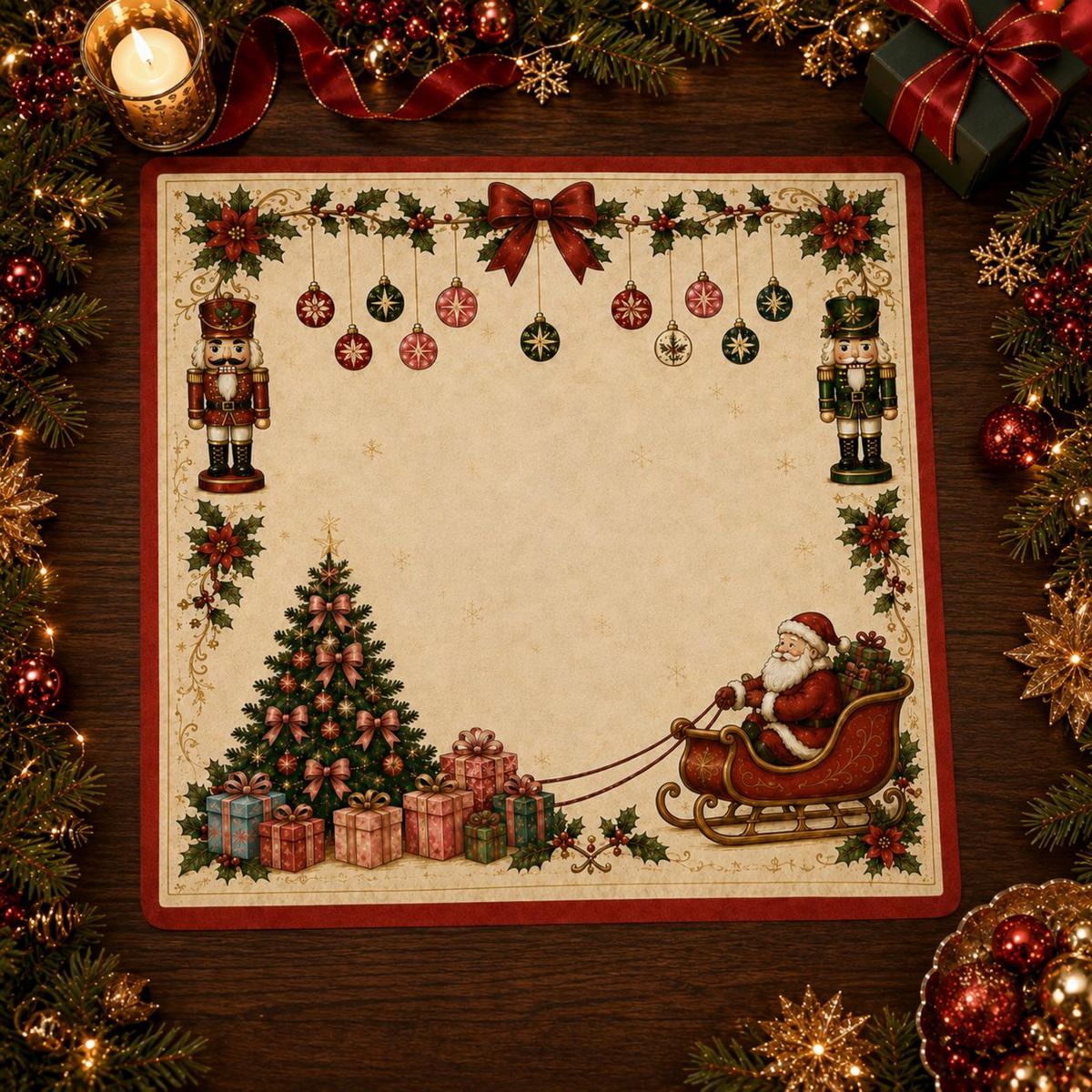
How do I know if octagonal or circular layout works better?
Both designs seat four players symmetrically; the choice depends on your table shape and personal preference. An octagonal printed layout (eight sides with four player positions) works well on any round table and keeps discard piles and racks visually distinct in separate zones. A circular printed layout uses concentric rings or radial sections to organize each player's area. Octagonal layouts feel more traditional if you've played on rectangular tables, since they mirror the four-corner structure. Circular layouts maximize the 360-degree space and can feel more elegant on a formal dining table. Neither layout changes gameplay rules; pick whichever visually appeals to you and matches your table's aesthetic.
Which mat material holds up through weekly games?
Most round-table mats use a felt or felt-blend playing surface bonded to a rubber or foam backing. Felt reduces tile slipping during drawing and discarding, protecting your tile investment. Rubber backing anchors the mat to the table, preventing it from sliding when players reach across. Quality mats include felt that resists pilling after months of shuffle, draw and discard. Lower-grade mats use thin felt that frays or pills after 30–40 games; higher-quality mats maintain texture through hundreds of plays. A mat with a reinforced edge binding (stitched or glued hem) lasts longer than raw edges. If you play weekly, expect a well-made mat to serve you for 2–5 years. Avoid mats stored in damp basements or direct sunlight, which degrade backing adhesive.
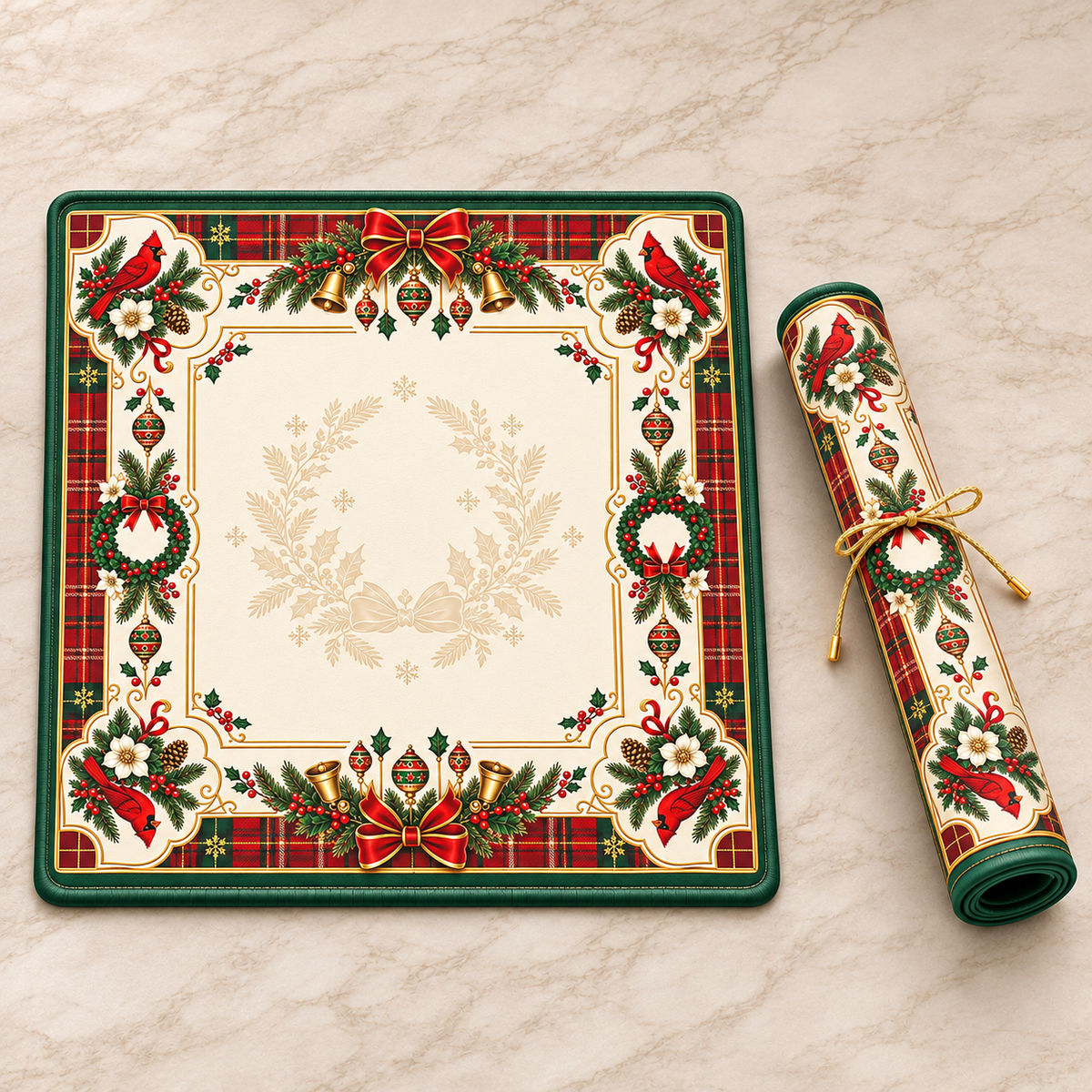
What's the difference between engraved design mats and humorous or custom mats?
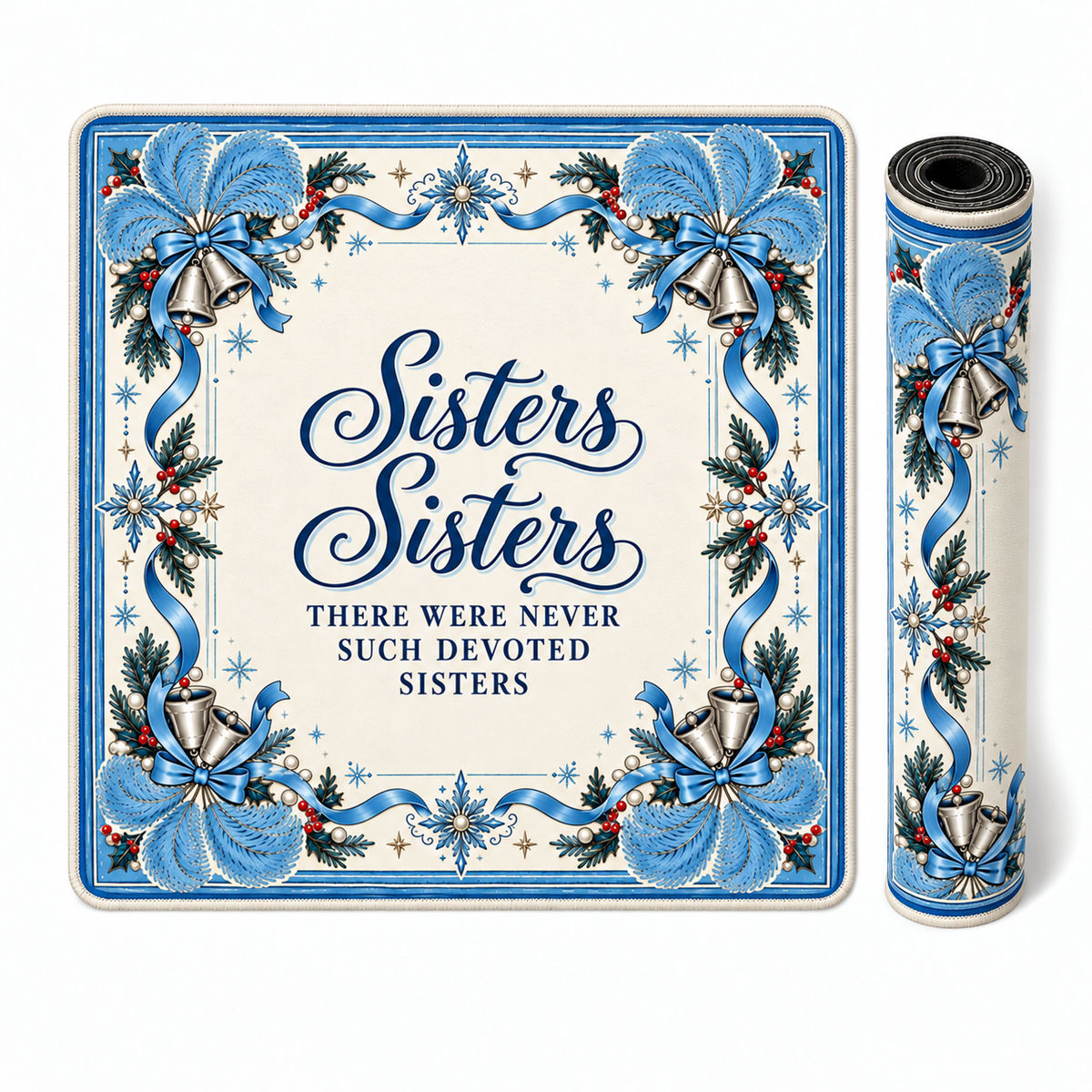
Engraved mats display personalized text, family names, dates or custom graphics—ideal for a commemorative set or a gift to mark a milestone game. These mats add sentimental value and make a statement during play. Engraved American mahjong sets often pair with matching mats, so if you're building a coordinated home setup, engraved mats and sets feel intentional. Humorous or novelty mats feature jokes, witty tile-related puns or seasonal themes—perfect for casual groups who appreciate a laugh between hands. Classic solid-color mats (deep green, navy or burgundy felt) work for any table décor and never feel dated. Choose engraved if you want permanence and personalization; choose novelty if your group rotates hosts and wants personality; choose classic if you prioritize versatility and timeless appeal.
Mat Style | Best For | Durability | Setup Effort | Hosting Feel |
Engraved (custom name/date) | Milestone gift, dedicated home table | High—felt rarely yellows | Lay flat, anchor corners | Intentional, memorable |
Humorous/novelty (puns, themes) | Rotating host groups, social players | Medium—novelty prints fade in UV | Lay flat, check wrinkles | Casual, conversation-starting |
Classic solid-color felt | Any table, any décor, flexibility | High—neutral colors hide wear | Lay flat, minimal prep | Professional, timeless |
Embroidered or appliqué logos | Club or group identity | Medium to high—stitching durable | Lay flat, align carefully | Branded, cohesive |
How should I set up and care for my round-table mat?
Lay the mat flat over your table at least 5 minutes before the first game to allow it to relax and settle. If it arrives rolled, unroll it slowly and place a light weight (book, tile case) at each cardinal direction while it acclimates. Wipe the felt surface with a dry microfiber cloth before play to remove dust; never spray water or cleaner directly on felt, as moisture can seep into the backing. After games, roll the mat loosely (rather than folding) and store it standing upright in a cool, dry closet—horizontal stacking can crack the backing over time. If tiles stick to the felt or drag unusually, the felt may have absorbed moisture; stand the mat upright for 24 hours in a warm room. Avoid storing it in unheated garages or basements in winter, where condensation can warp the backing bond.
🀄 Shop best-selling mahjong sets →
What should I check before ordering a round-table mat?
Verify three measurements: your table's exact diameter (measure across the widest point), the height of your table edge (some mats have raised bumpers that may catch on thick rims), and whether your racks will fit in the designated player zones—many modern racks are deeper than older ones. Confirm the mat's shipping dimensions if you have space constraints. Check whether the product page specifies corner anchors, tie-downs, or rubber feet to prevent sliding. Read the care label to understand if the felt is colorfast or requires protective storage. If you play with jokers frequently, ensure the discard and tile-well zones have enough printed area to accommodate your group's style. If you order a mat and it arrives with bubbles or wrinkles, lay it in a warm room (65–75°F) for 48 hours before deciding whether to keep it; most minor creases disappear naturally.
✨ Browse mahjong mats in all styles →
Many hosts upgrade to a dedicated mat after their first season of round-table games. The organized layout prevents arguments over discard placement, keeps the NMJL card visible and centered, and signals to guests that you run a respectful, structured game. Pair your mat with mahjong racks and pushers to complete the setup—racks protect tiles from spilling and pushers speed tile organization between hands. If you're gifting a mat or assembling a new table, consider whether you'll also need a travel bag or carrying case if the table moves between homes, or a best-selling mahjong set to match the mat's color and style.
🎁 See our most-loved mahjong sets & accessories →
FAQ
Can I use a round-table mat on a rectangular table?
Yes, but you'll lose one or two player positions off the edges. A 44-inch round mat may fit a 48-inch rectangular table if positioned diagonally, but some corners will overhang. A rectangular mat is better for rectangle tables. Measure before ordering.
Do round-table mats include joker holders or card stands?
Most printed mats include a designated card-holder zone (printed rectangle or circle), but not a physical stand. Some include printed joker-pile areas. If you want raised holders, pair your mat with mahjong racks with pushers, which often include card slots.
How do I prevent my mat from sliding during play?
Use corner anchors, non-slip furniture pads under the table legs, or a thin non-slip rug pad beneath the mat. Mahstead mats designed for stability include details in the product description; check before purchasing if anti-slip backing is critical to your setup.
What's the difference between a mat and a table cover or tablecloth?
A mahjong mat has a felt playing surface, printed position zones and tile-containment features. A tablecloth or cover protects the table but doesn't organize play. For gaming, a mat is purpose-built; a tablecloth is decorative. Learn the full comparison.
Can I customize a round-table mat with my group's name?
Yes. Engraved mahjong mats allow personalization. Contact Mahstead through the product page to discuss custom text, dates or logos. Custom orders may require longer lead time; check the product details for turnaround.
Do I need a mat if I already own a mahjong set with racks?
A mat and racks serve different purposes. Racks hold and organize your tiles; a mat organizes the table layout and keeps the game visible to all four players. Both are recommended for serious weekly play. A mat alone can work if you're comfortable managing loose tile stacks.


View More
View More
View More
