
Mahjong Clubs in Virginia Beach: How to Join & Play
Last updated: Nov 23, 2026
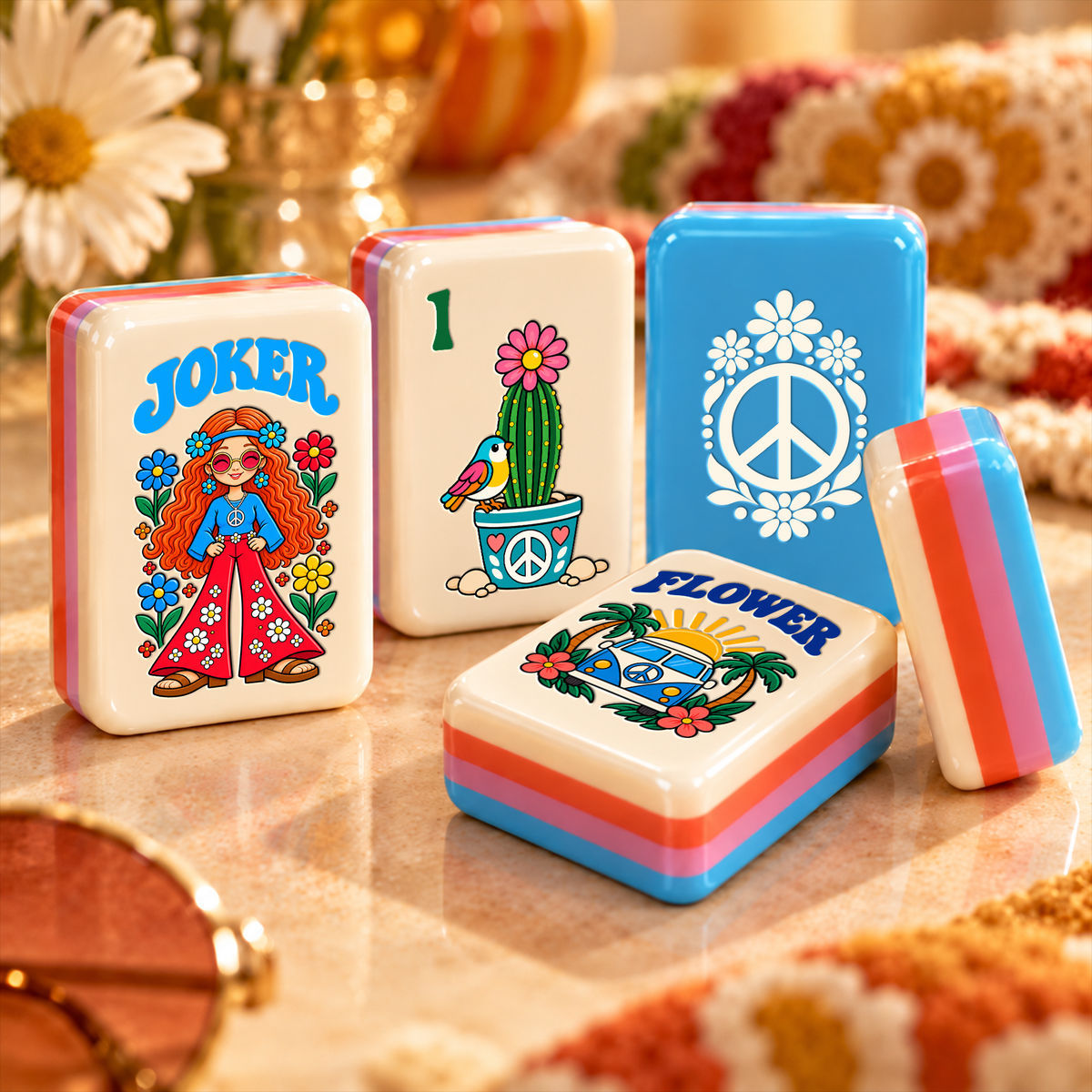
Virginia Beach mahjong clubs meet primarily through community centers, libraries, synagogues, and country clubs—search your city's recreation department website or check Meetup for "mahjong Virginia Beach" to find active groups. Most American mahjong clubs play weekly, require basic knowledge of hand-reading from the current National Mah Jongg League card, and welcome beginners if you're willing to learn during a Charleston (the tile-passing ritual before each game). Clubs typically supply tiles and mats, but many players bring their own best-selling mahjong sets for consistency and comfort. No membership fee is standard; players may chip in for snacks or room rental. Contact the host or organizer directly to confirm play style (some favor speed, others strategy), house rules, and whether they teach newcomers before sitting in for real rounds.
Where do Virginia Beach mahjong clubs actually meet?
Virginia Beach clubs gather in public and private spaces, not a single "mahjong hall." Start by calling your local Parks and Recreation department—many sponsor afternoon or evening games at recreation centers. Check library bulletin boards and ask librarians; libraries often host or know of community groups. Synagogues and Jewish community centers frequently have active mahjong nights. Country clubs, community colleges, and retirement communities sometimes host games open to members or the public. Meetup.com and Facebook community groups are reliable for finding active players and weekly schedules. Call ahead: a club that meets Monday might not answer email, but a quick phone call confirms the room, time, and whether they accept new players. This legwork beats showing up to a closed door.

What should you know before your first club night?
Come prepared to watch one full round before playing. You'll need to understand the National Mah Jongg League card—the hand guide that changes every spring—and recognize that American mahjong uses 152 tiles (108 in three numbered suits, 16 winds, 12 dragons, and 8 flowers). The Charleston happens before each round: three exchanges of tiles between players, passed left, across, and right. Jokers are wild but never used alone or as a pair; they complete pungs (three identical tiles), kongs (four identical), quints (five), or sextets (six). Speed varies wildly—some clubs play casual, others race through rounds. Ask the host about house rules: Do they allow phone lookups of the card? How strict is wall discard protocol? What's the scoring system (points, money, honor-only)? A ten-minute conversation prevents frustration and keeps you welcome.
🀄 Shop best-selling mahjong sets →
Do you need your own mahjong set to join a club?
Most clubs provide tiles for casual play, but owning a personal set solves three real problems. First, you learn your tiles' weight and tile-draw rhythm—muscle memory that transfers to any table. Second, many serious players prefer their own set for tactile comfort and durability; acrylic tiles outlast bone and bamboo after years of weekly play. Third, if you host at home, a quality set with a matching mat and racks with pushers sets a professional tone and keeps new players engaged. Club tiles are often mixed, worn, or missing jokers. A 160-tile acrylic set with spare jokers costs far less than entry to weekly games; it's an investment in consistency. If you commit to playing weekly, you'll use it.
How do Virginia Beach players host home games?
Start with the basics: a flat table, four players, and a 160-tile set. Lay down a protective mat to prevent tile damage and noise (especially if you live in an apartment). Set four racks with pushers evenly spaced around the table—pushers let players add tiles without dropping them, cutting game time and frustration by 20%. Provide a printed copy of the current year's National Mah Jongg League card for every player, plus pen and paper for scoring. Keep a travel bag handy so tiles stay intact between games. Set clear house rules in advance: Is tile talk allowed after the Charleston? Do all four jokers stay in play, or do clubs pull one? How long does each game run? Written rules prevent mid-game conflict and let players prepare mentally. Host a practice round before scoring begins so newcomers feel confident.

What's the real difference between club and home play in Virginia Beach?
Club play enforces strict etiquette: no chatting during active rounds, mats pre-set, walls built identically, and card lookups limited to one per player per hand. Home play is looser—more conversation, flexible timing, and often more teaching. Club games move faster; home games last longer but suit beginners better. Clubs charge nothing or a small fee; home games let friends host without stakes. Money games (a Virginia Beach tradition in some groups) happen only among friends who've agreed in advance; clubs almost never involve cash. Scoring varies: clubs might use points-only systems or honor-based scoring, while home games often track cumulative scores across sessions. If you're testing whether mahjong fits your life, start at home with friends; if you love the game, join a club for faster play, more opponents, and consistent schedules.
✨ Find your Mahstead set — free US shipping →
Setting | Play Style | Speed | Social | Best For |
Club (community center) | Strict etiquette, card rules enforced | Fast (20–30 min/hand) | Structured, competitive | Players seeking consistent opponents |
Club (synagogue/JCC) | Moderate rules, some teaching | Medium (25–40 min/hand) | Warm, community-focused | Beginners and long-term players |
Home (friends) | Relaxed, flexible | Slow (40+ min/hand) | Casual, talkative | First-timers, social groups |
Home (serious players) | Competitive, card-strict | Fast (20–25 min/hand) | Focused, strategic | Groups playing for rank/honor |
What equipment mistakes do newcomers make?
Don't buy a cheap 144-tile set—American mahjong requires exactly 152 tiles, and undersized sets frustrate experienced players and violate league rules. Don't skip a mat; tiles drawn on bare wood or glass sound harsh and wear faster. Don't mix old and new tiles: worn tiles slide differently, throwing off game flow. Avoid cloth bags without dividers—tiles tangle and get lost. Don't assume all jokers work identically; the National Mah Jongg League card rules how jokers fill hands, and confusion halts rounds. Buy once, buy right: a 160-tile acrylic set from a mahjong-focused maker includes extra jokers, fits league specs, and lasts years. If you're hosting regularly, add a mat and racks; they transform casual play into the experience that keeps people coming back.
🎁 See our most-loved mahjong sets & accessories →
What to check before you buy
Verify set count: Does it have 152 playing tiles plus spare jokers? (160-tile sets do; 144-tile sets don't comply with American rules.)
Confirm tile material: Acrylic resists staining and lasts through weekly play; check that tiles are uniform in weight.
Test tile size: Hold one; it should rest comfortably in your palm without sliding. Virginia Beach clubs vary in tile size preference—ask before buying if you plan to join a specific group.
Include a mat: Non-slip mats prevent noise and protect tiles; they're not optional if you host.
Read the card guide: Make sure your set comes with or links to the current National Mah Jongg League card (changes every spring).
How to start playing this week
Search your city's Parks & Recreation website for "mahjong Virginia Beach."
Call the main number and ask the desk staff if they know active clubs; they often do.
Check Meetup.com and Facebook for "mahjong Virginia Beach" to find contact information.
Email or call a group organizer and ask when newcomers can observe (no buy-in).
Before your first night, read the mahjong basics and understand how the card works.
Watch one full round to see etiquette and speed.
If you like it, order a personal set and host a friend to cement what you've learned.

FAQ
Can I join a Virginia Beach mahjong club if I've never played?
Yes—most clubs welcome absolute beginners and will teach you during practice rounds or before scoring starts. Call ahead to confirm they teach newcomers; some competitive groups prefer players who already know the card.
What's the typical cost to join a club in Virginia Beach?
Most clubs charge nothing or ask members to chip in $2–5 per session for snacks, room rental, or supplies. Money games (real cash stakes) happen only among friends who agree in advance; clubs don't sponsor them.
Do I have to buy my own mahjong set to play in a club?
No—clubs provide tiles. But if you play weekly, owning your own 160-tile acrylic set improves your skill and comfort. Many serious players bring personal sets to clubs.
What's the Charleston and why does every game start with it?
The Charleston is a three-round tile-exchange ritual before each game—players pass tiles left, across, and right to randomize hands fairly. It takes 2–3 minutes and is mandatory in American mahjong; it prevents strategy-based tile hoarding and keeps every hand fresh.
How long does a typical mahjong game in a club take?
One hand (one round) runs 20–40 minutes depending on club speed and player experience; most groups play 2–4 hands per session (90–180 minutes total). Casual home games are slower; competitive clubs move faster.
Are there any Virginia Beach clubs that teach beginners regularly?
Community centers, libraries, and Jewish community centers are most likely to offer beginner lessons. Call your local Parks & Rec department or ask at your nearest library; they'll direct you to teaching groups.


View More
View More
View More
