
Is Siamese Mahjong Hard to Learn? Rules & First Steps
Last updated: Nov 23, 2026
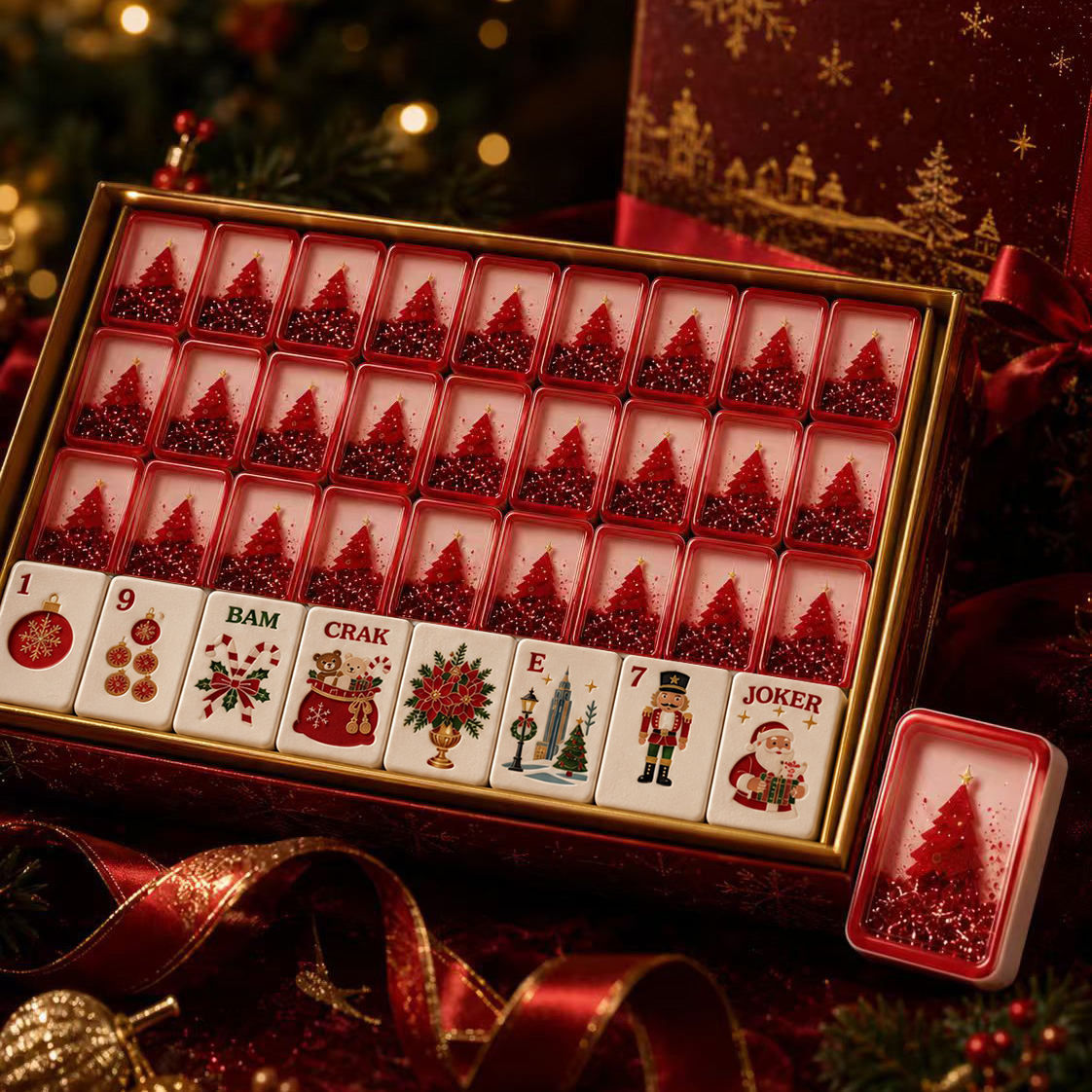
Siamese mahjong is not hard to learn—it's actually more approachable than American mahjong because it uses only 108 tiles, permits open sequences (chows), and follows a single standard hand pattern per round. The core mechanics—draw, discard, call exposed sets, go out with a complete hand—take about 30 minutes to grasp. Unlike American mahjong, which chains you to the current year's hand card and strict proof tiles, Siamese mahjong lets you build any valid combination: three-of-a-kind, runs of consecutive numbers, or honor pairs. A typical round lasts 15–20 minutes. The real learning curve isn't the rules; it's remembering which tiles are safe to throw, reading other players' discards, and timing your calls. If you've played any trick-taking or tile game before, you'll recognize the rhythm immediately. New players usually make solid decisions by game three or four.
What tiles are used in Siamese mahjong?
Siamese mahjong uses 108 tiles: four copies each of numbers 1–9 in three suits (Bams, Craks, Dots—the same suits as American mahjong), plus honor tiles (winds: North, East, South, West; dragons: Red, Green, White). There are no flowers, seasons, or jokers. Each player begins with 13 tiles and draws toward 14 to complete a winning hand. Because the tile pool is smaller than American mahjong's 152 tiles, hands resolve faster and the game moves at a brisk pace. This compact deck is why Siamese rounds feel snappier and why learning progresses quickly—you see the full tile distribution within a few hands.

How do hands and winning conditions differ from American mahjong?
In Siamese mahjong, a winning hand always contains 14 tiles arranged as four sets (of three or four tiles each) plus a pair. A set can be a pung (three identical tiles), a kong (four identical tiles), or a chow (a run of three consecutive numbers in the same suit, like 3–4–5 Dots). You call winning hands you form yourself, not from a pre-printed card—there's no National Mah Jongg League card equivalent. American mahjong forbids chows entirely in most contexts and demands you match one of dozens of hand patterns on the official card each year. Siamese mahjong's single, universal winning structure (four sets plus a pair) eliminates that memorization burden. A hand is complete the moment you have the right combination; no proof tiles, no seasonal cards, no checking a reference. This freedom and simplicity make Siamese mahjong feel more like a card game and less like a puzzle.
What is the discard and calling flow during play?
Each turn follows three steps: draw one tile from the wall, look at your hand, then discard one tile face-up for others to see. Any other player can call your discard if it completes a pung, kong, or chow they're building toward. When you call, you expose those three or four tiles on the table and set your newly formed set aside, then play moves to the next person in turn order. If no one calls your discard, play moves to the next player, who draws from the wall and discards. The hand ends when someone completes a winning hand (14 tiles: four sets plus a pair) and declares mahjong—or when the wall runs empty with no winner. The rhythm is: draw, discard, wait for calls, repeat. Players who call out go out of turn sequence temporarily but return to normal play order once their set is exposed. This flow mirrors games like Rummy and is intuitive after one or two rounds.
Why do sequences (chows) make Siamese mahjong faster to learn?
Sequences let you build hands more flexibly, which means more tiles qualify as useful to you on any turn. In American mahjong, since chows are not a valid structure, you're always hunting for three or four identical tiles—a much narrower target. Siamese mahjong rewards you for collecting 1–2–3, 4–5–6, 7–8–9, or any other three-number run in a single suit. This abundance of valid combinations means beginners stay engaged because draws feel productive more often. You're less likely to "brick" (draw a useless tile) because sequences offer multiple ways to use mid-range numbers. Players familiar with Rummy or Solitaire recognise this pattern instantly. The result: new players form their first winning hands faster, experience success early, and stay motivated to keep playing. Faster play also means faster feedback—you learn tile safety and discard strategy through repetition, not textbook study.

What mistakes do newcomers make, and how do you avoid them?
Mistake | Why it happens | How to fix it |
Throwing high-value tiles too early | Panic or unfamiliarity | Keep winds and dragons safe until others discard them freely |
Calling every possible set | Excitement; wanting to expose tiles | Call strategically; exposed sets block you from adapting your hand |
Ignoring other players' discards | Tunnel vision on your own hand | Watch the pile; note which tiles are "dead" (already exposed) and safe to throw |
Holding a pair too long | Indecision about your direction | Commit to three or four sets first, then pick a pair that fits your remaining tiles |
Forgetting that runs must be consecutive in one suit | Confusion with multi-suit rules | Write 1–9 on a scrap paper and point: 1 Dot, 2 Dot, 3 Dot = valid; 1 Dot, 2 Crak, 3 Bam = invalid |
The most common trap: new players hold too many options open and get "stuck" with a hand that's three tiles away from winning in four different directions at once. The faster learners commit early. "I'm building two pungs of high Craks and a run of low Dots" gives you clear discard targets and shrinks your mental load. Siamese mahjong punishes hesitation because the wall empties quickly; decide your direction by draw five or six.
Is it easier than American mahjong for someone just starting?
Yes—Siamese mahjong is easier for true beginners. American mahjong demands you memorize or reference the official National Mah Jongg League hand card (issued each spring), which contains 40+ hand patterns arranged by year and suit. You must match your tiles exactly to one printed hand, including honor tiles in specific positions. That layer of pattern recognition slows down new players and makes the first week feel like study time, not play time. Siamese mahjong has no card to reference. A winning hand is always four sets plus a pair—period. The rule set fits on half a page. If you've played any rummy-style game, you're already halfway to fluent. That said, if you already play American mahjong well, learning Siamese feels like stepping backward into fewer choices, which some find less rewarding. The right choice depends on your goal: pure fun and fast learning? Siamese. Strategic depth and cultural tradition? American. Explore our best-selling mahjong sets to find the format that fits your table.
🀄 Shop best-selling mahjong sets →
What you'll need to start playing Siamese mahjong
Siamese mahjong requires only a tile set (108 tiles), a flat surface, and a scorepad. You don't need a hand card, a mat with labeled racks, or a Charleston ritual (the pre-game tile pass unique to American mahjong). Many players use engraved American mahjong sets that display suit names and numbers clearly—helpful for beginners learning which tiles belong together. A mahjong mat keeps tiles organized and protected if you're playing on a soft surface. For casual home play, a kitchen table and a shoebox of tiles works fine. For regular weekly games, a dedicated travel bag keeps your set safe. Mahjong racks with pushers aren't required but let each player organize their hand tidily without tiles tipping.
🎁 See our most-loved mahjong sets & accessories →
When you're ready: a decision checklist before your first game
Do you know who teaches Siamese mahjong in your area? Check community centers, universities, temples, and Meetup boards. Many Thai cultural organizations offer free introductory sessions.
Can you get a scorepad and learn the point system? Siamese mahjong scoring is simple but differs from American; find a rules sheet online or ask your teacher for a quick overview.
Do you have three other people to play with? Siamese mahjong is a four-player game with no standard two- or three-player variant. Solo play teaches nothing.
Are you ready to play fast? Siamese rounds run 15–20 minutes. Slow deliberation breaks the rhythm and makes it frustrating. Commit and move.
Will you keep notes on which tiles have been exposed? Mental tracking gets easier with practice, but beginners benefit from jotting down discard patterns for the first three games.
✨ Find your Mahstead set — free US shipping →

FAQ
Can I play Siamese mahjong with only three people?
Standard Siamese mahjong requires four players. Some teachers adapt rules for three, but the game loses much of its strategic tension because fewer players mean fewer discards and fewer chances to call. Stick with four until you're confident with the core rules.
How long does a full game (multiple rounds) take?
A single round (13 rounds total, one dealing from each compass position) takes 60–90 minutes for casual players. Experienced players finish in 45 minutes. Each round itself is only 15–20 minutes, so most of the time is between-round scoring and tile resets.
Do I need to memorize tile counts like in American mahjong?
No. Because there are no jokers and exactly four copies of each tile, the math is simpler. After a few hands, you'll naturally recall which tiles are "heavy" (already exposed) and which are safe to throw. No chart required.
Is Siamese mahjong played with money, or is it just for fun?
Both. Many casual home games are played for points or pride. Tournaments and serious players often play for modest stakes. Friendly games work either way. If you're learning, play for fun first and ask your group's preference before sitting in.
What's the biggest rule difference between Siamese and American mahjong?
Siamese allows runs (chows) as valid sets; American does not. This single rule change makes Siamese faster, more fluid, and less dependent on a reference card. It's the reason beginners learn Siamese more easily.
If I learn Siamese, can I switch to American mahjong later?
Yes, but expect a 2–3 session adjustment period. American mahjong feels more rigid at first because you're bound to the official hand card and can't form arbitrary runs. The core mechanic (draw, discard, call, expose sets) stays the same, so muscle memory transfers quickly.


View More
View More
View More
