
Mahjong Clubs in Milwaukee: Where to Play & How to Start
Last updated: Nov 23, 2026
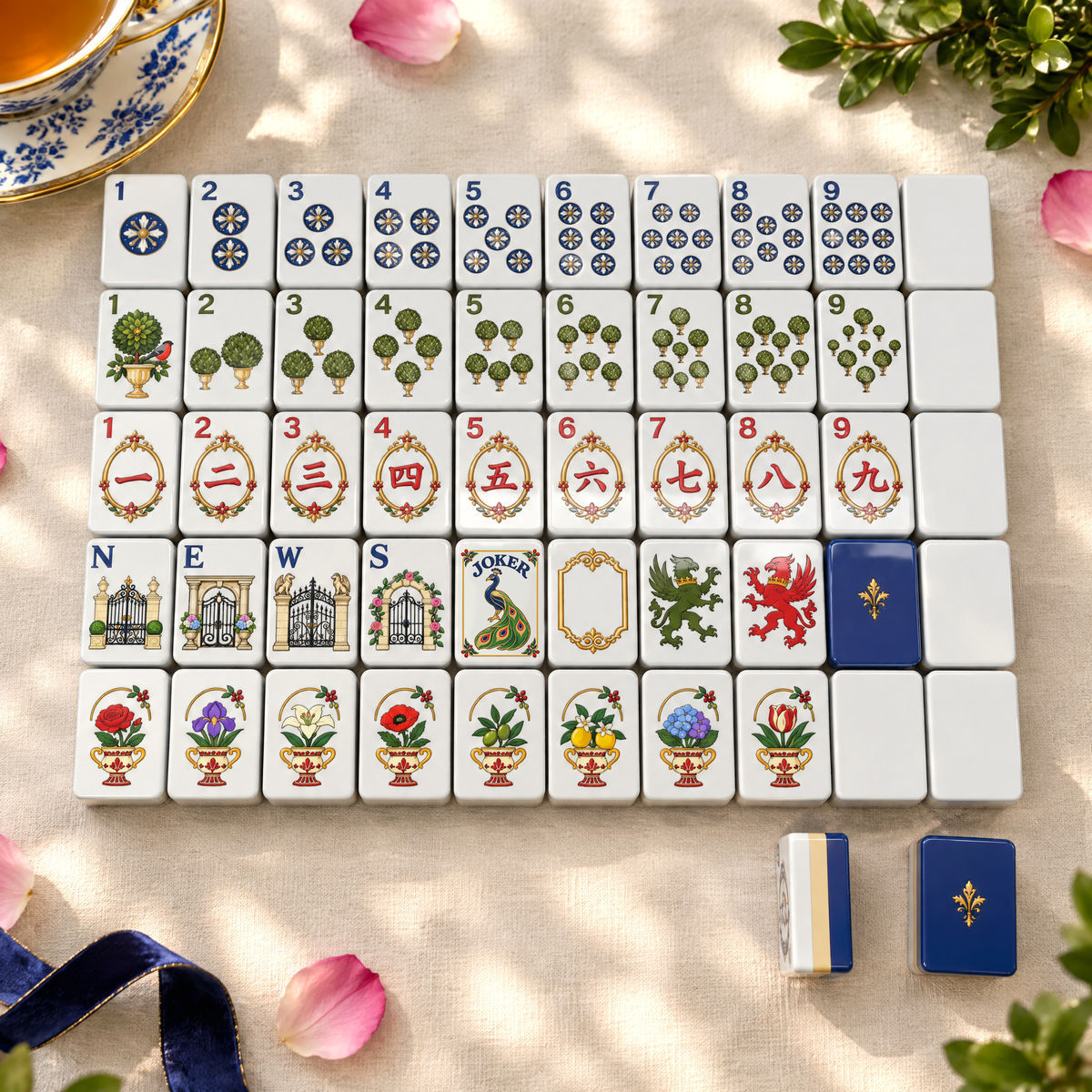
Milwaukee's mahjong scene thrives in pockets throughout the metro area—community centers host casual groups, synagogues often run weekly games (especially around the Shorewood and Fox Point neighborhoods), and country clubs sometimes welcome mahjong nights. The best way to find active groups is to contact your local library, community center, or Jewish community center directly; ask if they maintain a bulletin board or can refer you to established groups. Some players organize casual meetups through neighborhood social boards and online community networks. If no club fits your schedule, starting a weekly game at home or rotating among friends' houses takes just four players, a 160-tile American mahjong set, and access to the current year's National Mah Jongg League card. Mahstead ships quality acrylic American mahjong sets with free US shipping, making home hosting affordable and convenient.
Where Do Milwaukee Players Actually Gather?
Community centers across Milwaukee—especially those in central and south Milwaukee—often host mahjong nights or can connect you to established groups. Synagogues and Jewish community centers frequently organize regular games; staff can point you toward daytime and evening groups. Country clubs and senior centers sometimes sponsor mahjong weeks. Start by calling your nearest public library or community center's program director and asking if they maintain a mahjong contact list or hold games. Many groups don't advertise online but rely on word-of-mouth referrals from the library or recreation department.

How Do I Join an Existing Club Without an Invitation?
Ask the program coordinator at your library or community center for a contact person's name and number. Most Milwaukee groups welcome new players and rotate hosts. Arrive 15 minutes early, bring a tile-playing attitude, and don't worry if you're rusty—regulars remember their first game. Many groups play American mahjong using the official National Mah Jongg League card (updated each spring), so if you're new to the rules, ask if anyone can brief you before the first hand or offer to observe one game first.
Should I Learn the Rules Before Showing Up?
Yes—show up with the basics down so you're not learning three things at once. Read through how to play American mahjong to understand the Charleston (the tile-passing ritual at the start), how to recognize a winning hand, and why jokers matter. You don't need to memorize the entire National Mah Jongg League card, but knowing what a pung (three identical tiles) and a kong (four identical tiles) look like will help you follow the game's flow and speed up your first night.
🀄 Shop best-selling mahjong sets →
What Do I Need to Host a Weekly Game at Home?
Four players, one 160-tile American mahjong set, the current year's National Mah Jongg League card (free online or printable), and a flat playing surface. A dedicated mahjong mat protects tiles and gives your game a professional feel—our acrylic sets pair well with fabric or neoprene mats designed for four-player games. Many home hosts add racks with pushers so players organize their hand without dropping tiles; this is especially helpful if anyone has dexterity concerns. If you host regularly, consider a travel bag or case to store everything between weeks and protect your set from damage.
Setting up at home is often simpler than finding a club:
Recruit three reliable friends (coworkers, neighbors, old classmates).
Fix one evening per week (e.g., Thursday 7–10 p.m.).
Each player brings a snack or drinks; rotate hosts monthly.
Download or print the current National Mah Jongg League card (no fee; search online for the official PDF).
Start with a practice round so everyone recalls the basics before scoring begins.

Engraved Sets Make Great Gifts—or a Way to Commit to Your Own Game
If you're hosting and want a set that feels special and lasts years, engraved American mahjong sets let you personalize with your name, initials, or a funny phrase ("Mah Jongg Mafia," "The Four Winds," etc.). This is a friendly way to signal that your game is permanent and that you're investing in the ritual. Alternatively, if a Milwaukee friend is hosting and you want to bring a meaningful gift, a quality acrylic set with an engraved case or a personal mat design says "I'm joining this seriously."
Home hosting vs. joining a club:
Scenario | Best for | Time to start | Social vibe |
Join existing Milwaukee club | Learning from experienced players, no setup, meeting 10+ people. | 1 week (after library call). | Established, competitive, mixed ages. |
Start a home game | Control schedule, host friends, low pressure. | 2–3 weeks (recruit players, get card). | Casual, tight group, on your terms. |
Mix both | Maximum flexibility—home game + occasional club night. | 3 weeks. | Best of both; no FOMO. |
🎁 See our most-loved mahjong sets & accessories →
Before You Buy a Set—Check These Details
Do you know the tile count? American mahjong uses exactly 152 playing tiles (108 from three suits, 16 winds, 12 dragons, 8 flowers) plus 8 jokers. Sets sold as 160-tile sets include the full 152 plus spare tiles; never mix in extras during play. Mahstead sells 160-tile acrylic sets with clear tile markings and quality pushers.
Acrylic vs. other materials? Acrylic tiles are durable, easy to clean, loud enough to hear shuffling from across the table, and handle daily play better than wood or bamboo. They ship safely and last for decades if not deliberately cracked.
Mats—are they necessary? A mat protects your table, reduces noise, and marks the four playing zones clearly. If you play on a bare table weekly, tiles will eventually slide around and cause scoring disputes. A dedicated mat solves this.
✨ Find your Mahstead set — free US shipping →
What to Check Before You Buy
Tile weight & size. Heavy tiles (not plastic-light) feel professional and reduce accidental scatters. Ask if the set has a standard size (usually around ¾ inch × ½ inch for the face).
Joker visibility. Jokers must look obviously different from number tiles (often printed in bright red or marked clearly) so you don't accidentally mix them into a regular hand.
Pushing mechanism. If the set includes racks, pushers should slide smoothly without jamming or bending.
Case durability. If you'll transport the set, a lined bag or rigid case prevents tiles from chipping en route.
Documentation. Confirm the set comes with clear rules or a reference card, or that you know where to download the current National Mah Jongg League card.

FAQ
Can I join a mahjong club in Milwaukee if I've never played before?
Yes—most Milwaukee clubs welcome beginners. Call your local community center or library to ask for a contact. Arrive early, let the host know you're new, and watch one hand if nervous. Regulars expect beginners and are patient.
Do Milwaukee clubs charge membership fees?
Some do, others don't. Community center groups sometimes charge per session or per season. Libraries and synagogue groups often run on donation or free-play models. Ask when you call for details on what each group charges.
What if I can't find a club—is starting my own game at home really that easy?
Yes. You need four people, one 160-tile American mahjong set, the current year's National Mah Jongg League card (free online), and a table. Recruiting is the hardest part; once you have three friends committed, the logistics are simple.
Is American mahjong different from Chinese or online mahjong?
Completely. American mahjong uses a specific yearly card (the National Mah Jongg League card) to define winning hands. Hands only come from that card. Chinese, Hong Kong, and Riichi mahjong follow totally different rules, hand patterns, and scoring. If you join a Milwaukee club, confirm they play American (most do) before showing up.
How often do Milwaukee clubs meet and how long is a game?
Most clubs meet weekly (usually daytime or early evening). A single four-player hand takes 10–20 minutes; an evening game typically runs three to four hours with breaks. Ask your group coordinator for their specific schedule before your first visit.
Can I host a mahjong game with fewer than four players?
American mahjong is designed for four players. Three- and two-player variants exist but follow modified rules and are less common. If you want to play casually with two or three people, there are adaptations, but the standard game needs all four seats filled.


View More
View More
View More
