
Jade Mahjong Tiles: Real Talk on Materials, Weight & Best Buys
Last updated: Nov 23, 2026
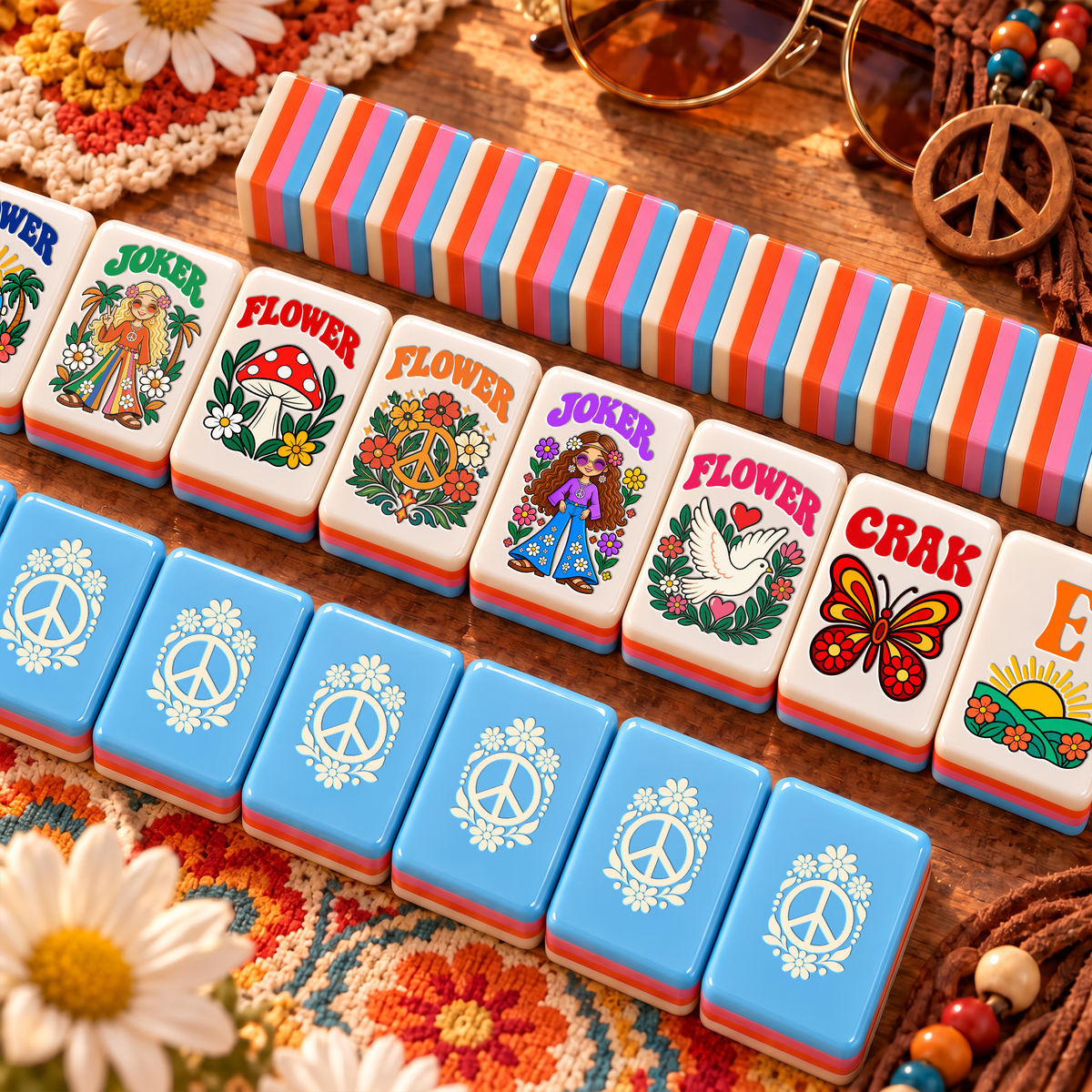
When we say "jade mahjong tiles," most shoppers mean tiles with jade appearance—smooth, cool weight, stone-like finish—not solid jade, which would be fragile and prohibitively costly. In American mahjong, true jade is rare; instead, look for acrylic or resin tiles with jade-inspired aesthetics. Acrylic is durable, lightweight, and affordable; resin offers richer color and heavier feel but needs careful storage. Most engraved American mahjong sets use acrylic as the standard because it withstands years of weekly play, shuffles cleanly, and resists chipping. Weight matters: heavier tiles (resin or marble-composite) feel premium but tire hands during long games; lighter acrylic suits casual and tournament play. Before ordering, confirm tile thickness, surface finish, and whether designs are printed or engraved—printed can fade; engraved lasts. Budget ranges widely based on customization; browse our best-selling sets to see actual options and compare. 🀄 Shop best-selling mahjong sets →
What does "jade" mean on a mahjong tile listing?
"Jade" on a tile listing usually refers to the tile's visual character—smooth surface, cool-tone color palette, stone-like appearance—rather than literal jade mineral. Sellers use "jade" as a design descriptor. True jade tiles crack under shuffling pressure and stain easily, making them impractical for weekly games. Acrylic and resin with jade finishes replicate the look without the drawbacks. When shopping, ask the seller whether "jade" refers to material (unlikely for American sets) or finish (the norm).

How heavy should my tiles be?
Tile weight is personal preference tied to play style and hand strength. Acrylic tiles (our best-selling collection) weigh less—easier to shuffle, stack, and hold during long sessions—ideal for players with arthritis or those who play 3+ hours weekly. Resin and marble-composite tiles feel heavier and more "premium," but repeated lifting and arranging tires hands faster. Tournament players and people who host multiple games per week favor lighter acrylic. If you're unsure, start with acrylic; you can always upgrade later. Weight alone doesn't indicate quality—durability under shuffling and stacking matters more.
Acrylic vs. resin vs. stone: which lasts longest?
Material | Best for | Durability | Feel | Storage notes |
Acrylic | weekly play, long sessions, tournaments | 10+ years, chip-resistant | lightweight, cool | room temperature, dry |
Resin | casual play, display, premium feel | 5–8 years if stored carefully; stains easily | heavier, warm | cool, dark; avoid humidity |
Stone/marble composite | collectors, prestige sets | varies; fragile under pressure | coldest feel | controlled climate; easily damaged |
Acrylic wins on longevity for active players. Resin feels wonderful but requires climate control and careful handling—not ideal for weekly shuffling. Stone-look composites appeal to collectors but chip or crack under repeated play. For American mahjong, where the standard game uses 152 tiles shuffled vigorously each round, acrylic holds up best over years.
🎁 See our most-loved mahjong sets & accessories →
What makes an engraved design outlast a printed one?
Engraved designs are cut or embossed into the tile surface during production; they're part of the tile's structure. Printed designs sit on the surface and fade, chip, or wear off after 100+ shuffles. For casual players, printing is fine; for folks who host weekly games or play in leagues, engraving is worth the investment. Engraved American mahjong sets cost more upfront but avoid the frustration of illegible tiles mid-season. Check product photos closely—zoom on the characters—to see whether edges are crisp (engraved) or flat (printed).

Should I buy a set with a mat, rack, and bag together?
A bundled set makes sense if you're new to hosting or traveling to games. A dedicated mahjong mat protects tiles during play, reduces shuffle noise, and marks the dealer position clearly. Racks with pushers keep your hand organized and hidden from other players—essential for league play, optional for casual games. A travel bag or case matters if you move sets between homes or join games around town. Bundles are often cheaper than buying separately, but verify that the mat size matches your table and the bag fits your tile count (152 or 160 tiles require different bag depths). Single-tile purchases let you replace chipped tiles without buying a whole new set.
✨ Find your Mahstead set — free US shipping →
What to check before you order
Tile material & finish: Confirm acrylic vs. resin; ask whether the design is engraved or printed. Request photos of the tile edge and character detail.
Color palette: "Jade" can mean pale green, sea blue, or neutral beige. Look at product photos under natural light; screen display varies.
Tile size & thickness: Standard American tiles measure roughly 1¼ inches wide and ⅜ inch thick. If your table or existing racks have older tiles, verify compatibility.
Joker count: American mahjong uses 8 jokers; sets sold as 160 tiles include spares. Confirm the joker count in your order.
Shipping & setup: Free US shipping across Mahstead. Acrylic sets arrive ready to play; resin sets may need 48 hours to acclimate to room temperature before opening to avoid condensation.
Why Mahstead's engraved sets stand out for serious players
We design 160-tile acrylic sets with permanent engraving, so characters remain sharp after hundreds of shuffles. Each set is custom-engraved to order—you choose tile colors, design style, and personalization—then shipped across the US at no charge. Our sets include a mat, racks, bag, and pushers, so you have a complete game ready on arrival. Unlike mass-produced jade-look imports, acrylic is forgiving during shuffling and doesn't require climate control. Many weekly game hosts keep a Mahstead set as their go-to because the tiles are consistent, the engraving doesn't fade, and the acrylic sound is familiar to players who've seen decades of sets. We also stock replacements if a tile chips—no need to buy a new set.

FAQ
Can I use old jade tiles if I find them at an estate sale?
Vintage jade tiles are beautiful but risky for regular play. Jade cracks under pressure, stains easily, and tiles may not be uniform weight or size. Better to display them and use an acrylic or resin set for actual games.
Do jade-finish acrylic tiles feel like real jade?
Acrylic tiles feel smooth and cool, similar to jade, but lighter in hand. The finish is inspired by jade aesthetics, not identical. If authentic stone feel matters, try resin sets—they're closer in weight—though they cost more and need climate-controlled storage.
How do I tell if tiles are high-quality without playing them first?
Check the edges: sharp, clean edges (engraved) signal quality; soft or blurry edges (printed) fade faster. Feel the weight—it should be consistent across a few tiles. Ask whether the set uses acrylic, resin, or stone and request photos of the underside (usually blank or stamped with manufacturer info).
Do I need a matching mat and rack for jade-look tiles?
No, but a mat protects tiles and reduces shuffle noise, so it's highly recommended. Racks keep your hand organized and hidden. Neither is required for casual home games, but both improve play quality and respect for the tiles.
What's the real difference between a 160-tile set and a 152-tile set?
American mahjong uses exactly 152 tiles to play. A 160-tile set includes the 152 playing tiles plus 8 spares (extra jokers or blanks) for replacing damaged tiles without buying a new set. Never add spares to active play—use only the 152.
If I buy a jade-style acrylic set, will it chip or yellow over time?
Quality acrylic is chip-resistant and color-stable for 10+ years or more with normal play. Avoid extreme heat, prolonged sunlight, and moisture. Engraved designs stay sharp; printed designs may fade slightly after 5+ years of heavy shuffling.


View More
View More
View More
