
Mahjong Clubs in Louisville: Where to Play & How to Join
Last updated: Nov 23, 2026
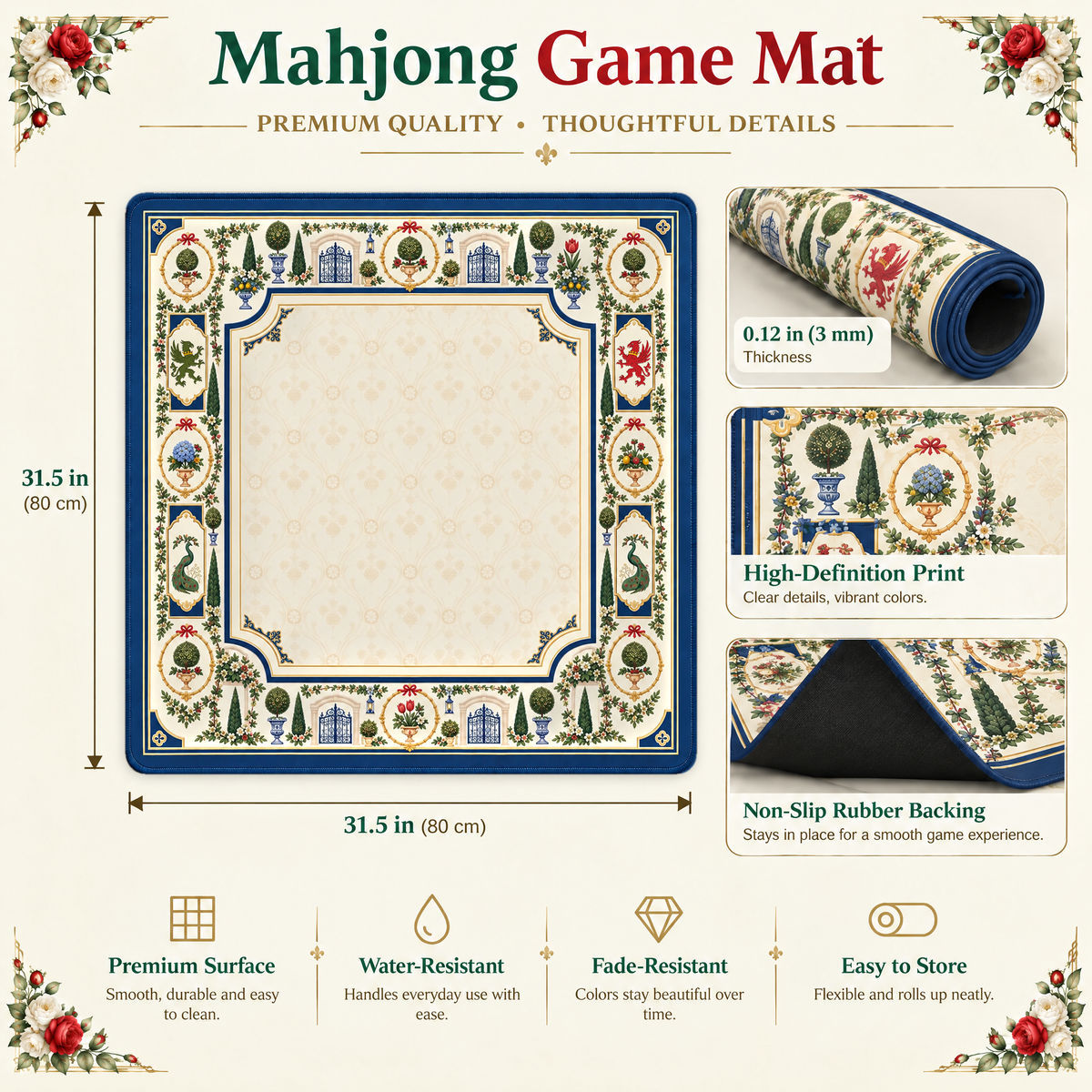
Mahjong clubs in Louisville operate through community centers, libraries, synagogues, and country clubs—search your local Parks & Recreation department, ask at nearby libraries' bulletin boards, or check Meetup for "mahjong Louisville" groups. Most welcome beginners; sessions run weekly or monthly, often on weekday evenings or weekend afternoons. Expect to pay a small table fee or no fee at all for casual meetups; organized leagues may charge per session. Bring or borrow a 152-tile American mahjong set (ours ship free across the US), a current-year National Mah Jongg League card, and a willingness to learn. Many groups teach newcomers the Charleston, hand reading, and basic scoring before your first paid game. Call ahead to confirm rules, skill level, and whether you need your own tiles—some clubs have backup sets for guests.
Louisville has a growing mahjong community scattered across community centers, libraries, synagogues, and country clubs—search your local Parks & Recreation department, ask at nearby libraries' bulletin boards, or check Meetup for "mahjong Louisville" groups. Most welcome beginners; sessions run weekly or monthly, often on weekday evenings or weekend afternoons. Expect to pay a small table fee or no fee at all for casual meetups; organized leagues may charge per session. Bring or borrow a 152-tile American mahjong set, a current-year National Mah Jongg League card, and a willingness to learn. Many groups teach newcomers the Charleston, hand reading, and basic scoring before your first paid game. Call ahead to confirm rules, skill level, and whether you need your own tiles—some clubs have backup sets for guests.
Where do Louisville players actually gather?
Community centers and senior centers are the most reliable entry point. Contact your local Parks & Recreation office and ask specifically for mahjong offerings; many offer beginner sessions or can refer you to established groups. Libraries often post flyers for weekly games or can connect you with organizers. Country clubs, synagogues, and churches frequently host games as member or community activities. Meetup.com and Facebook groups dedicated to "Louisville mahjong" or "Kentucky mahjong" often list open game nights with addresses and contact info. The easiest approach: visit three venues and ask the staff directly—mahjong players are almost always willing to share details about other groups.

What's the difference between casual meetups and organized leagues?
Casual groups (typically at libraries or community centers) play for fun with small stakes or no money, welcome drop-ins, and adapt rules flexibly to match player skill. Organized leagues enforce the National Mah Jongg League card for hand validity, charge regular membership or session fees, track scores over a season, and often have waiting lists. Casual is ideal if you're learning how to play American mahjong; leagues suit competitive players who already understand the card and scoring. Most Louisville players start casual, then move to league play after a few months. Ask your first contact whether a group is "friendly" or "competitive"—the distinction will save you from awkward mismatches.
What should you bring your first time?
If the club provides sets and cards, bring only yourself and cash for any table fee. If you're bringing your own gear, pack a best-selling 160-tile acrylic mahjong set with racks and pushers, a current-year League card (critical—rules change annually), and a mat if the table isn't felt. A rack with pushers saves your hands and speeds play; many players consider it essential after the first session. Bring a pen and small notebook to jot down hand patterns you see. If you live outside Louisville proper and travel to a weekly game, invest in a protective mahjong travel bag or case so your tiles survive the commute intact.
Venue Type | Best For | How to Find | What It Costs |
Community center | Beginners, casual | Call Parks & Rec or visit in person | Minimal; ask at the desk |
Library | Flexible schedules, welcoming | Check bulletin board or ask librarian | Usually free |
Country club | Established players, leagues | Ask at membership desk or call main office | Varies; ask when you call |
Synagogue or church | Community-rooted games | Call office; ask if mahjong is offered | Free or small donation |
Meetup.com group | Drop-in, social atmosphere | Search "Louisville mahjong" | Depends on organizer; usually none |
How do you transition from watching to playing?
Observe at least one full round before sitting in. Watch how players draw, announce melds, read the card, and call "mahjong." Most groups assign you a mentor for your first game—sit beside them and they'll guide you through hand selection and play rhythm. Start as East (the player who goes first) if possible; it's easier to follow the flow. Ask questions between rounds, not during active play. After three to five sessions, you'll recognize patterns and move faster. Many Louisville groups have a "new player" table during certain hours—ask if this exists and join it first.

What if you want to start your own weekly game instead?
Host at your home, a library meeting room (often free), or a local restaurant with a quiet corner. Send invites via email or group chat to coworkers, neighbors, and friends interested in learning. Arrange the venue for the same day each week—consistency builds habit. Provide a best-selling set and a mat so players aren't intimidated by setup. Print copies of mahjong-for-beginners or a one-page Charleston guide to hand out. Play for fun the first month; many groups then add small stakes (a quarter or dollar per hand) to keep focus. A rack with pushers makes your game feel polished and plays faster, so guests stay engaged. Start with four players; add a fifth as an alternate or rotation if you have interest. The hardest part is the first three weeks—after that, people want to come back.
🀄 Shop best-selling mahjong sets →
What to check before your first game
Get the address and time confirmed in writing (email, text, or a Meetup link). Show up 10 minutes early. Ask the organizer point-blank: "Do you have extra sets or should I bring mine?" and "What's the current League card year?" (it changes every spring). Confirm whether play is American mahjong only or if they mix variants; most Louisville groups play American, but some blend house rules. If you're new to the League card, download or print the current year's hand chart before you arrive—you can't read a hand without it. Ask whether jokers, blanks, and tiles are in good condition; damaged tiles cause disputes. If you feel rushed, uncomfortable, or that the stakes are too high, you can leave. Most Louisville groups are welcoming; a bad fit is usually just a mismatch, not a reason to quit mahjong.
🎁 See our most-loved mahjong sets & accessories →
Why join a club instead of playing online?
In-person play teaches you to manage your own tiles, read the table, and handle the physical rhythm of the game—skills you can't develop on a screen. You also build friendships, get immediate feedback from experienced players, and enjoy the social ritual of the Charleston and the table conversation. Online play has its place for practice, but every Louisville player we've met says the club game is what kept them hooked. Once you've sat at the table with real tiles, felt the satisfying click of a rack, and laughed through a confusing hand with strangers-turned-friends, you'll understand why clubs matter. The game is designed for four people, a mat, and live reaction—that's where the joy lives.
✨ Find your Mahstead set — free US shipping →

FAQ
Can I learn mahjong if I've never played before?
Yes. Most Louisville clubs have beginner-friendly sessions or mentors. Tell the organizer you're new; they'll pair you with an experienced player. Learn the Charleston, hand reading, and one scoring round before you play for stakes. Three to five sessions and you'll feel confident.
Do I need to own a mahjong set to join a club?
No, but it helps. Many clubs have backup sets for guests. However, having your own best-selling acrylic set with racks and pushers signals you're serious and speeds up your learning—plus you can practice at home.
What's the National Mah Jongg League card and why does it matter?
It's the annual rulebook for American mahjong. It lists all legal hand combinations for that year. The card changes every spring; you must use the current year's card in any organized or casual group. Bring a printed or digital copy to every game.
Are Louisville mahjong games competitive or social?
Both exist. Casual library and community center groups prioritize fun and learning. Organized leagues track scores and play for stakes. Start casual; you'll naturally progress to competitive if you love the game.
What should I expect to pay at a Louisville mahjong club?
Community center and library games are free or charge a small room fee split among players. Organized leagues may charge a session fee or annual membership. Casual home games usually involve low stakes (quarters to dollars per hand). Call ahead and ask.
How do racks with pushers improve my game?
A rack organizes your tiles so you see them clearly and can't drop them. The pusher draws tiles smoothly from the wall. Faster play, fewer mistakes, and less hand fatigue—especially important if you're playing weekly.


View More
View More
View More
