
Mahjong Clubs in Kansas City: Where to Play & What to Know
Last updated: Nov 23, 2026
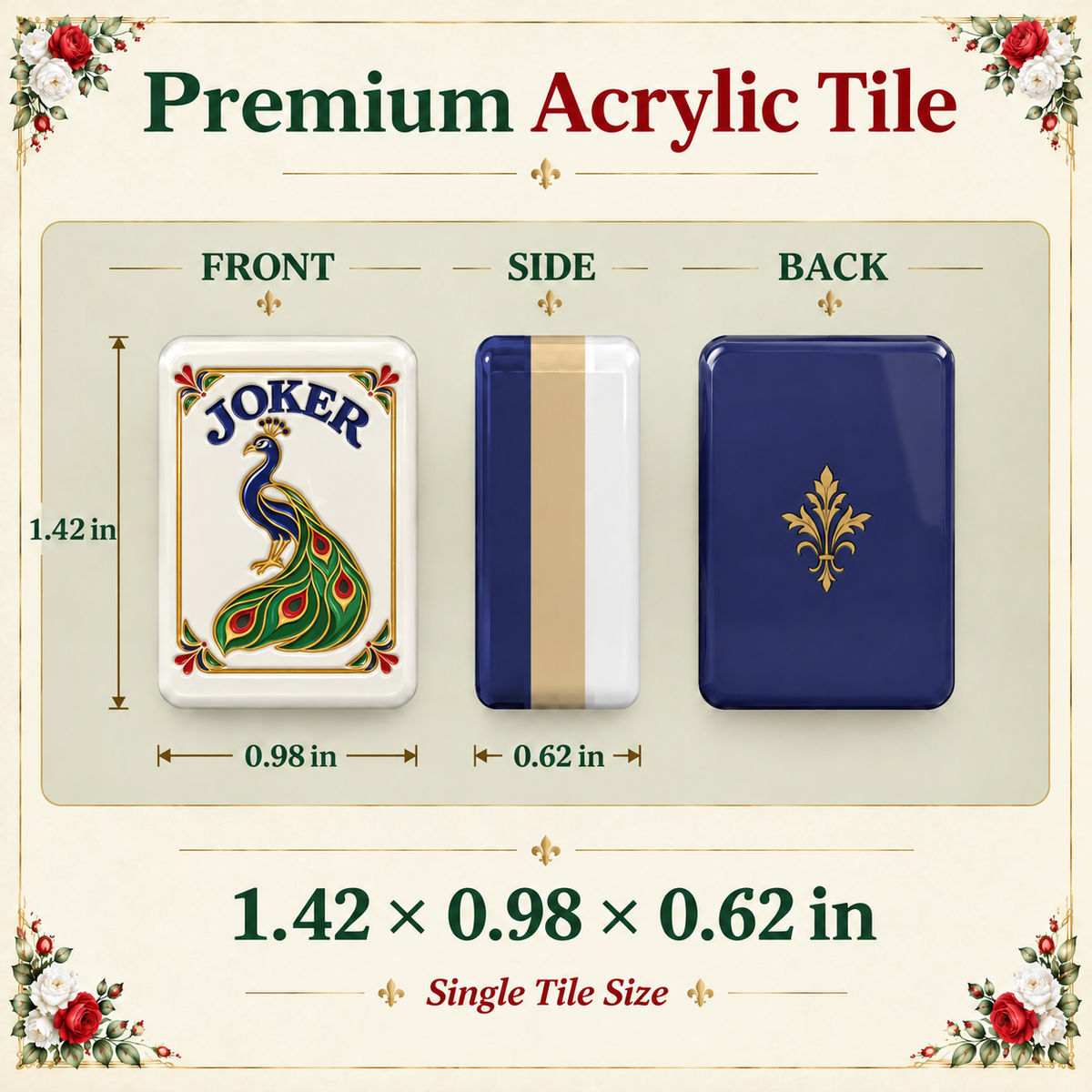
Kansas City mahjong players gather through community centers, libraries, synagogues, and country clubs—check their websites or activity boards for weekly game schedules. Most Kansas City games follow American mahjong rules using the current National Mah Jongg League card (updated each spring), played with 152 tiles and 8 jokers. Games typically run 2–4 hours; beginner-friendly clubs often teach the Charleston (the tile-passing ritual) and hand-reading before you play for stakes. No single "official" club dominates the metro area, so your best entry is asking at local libraries or searching community meetup boards for "mahjong Kansas City." Many players bring their own sets or borrow from hosts; a best-selling acrylic set with a mat makes hosting easier and lasts decades.
🀄 Shop best-selling mahjong sets →
Where do Kansas City mahjong clubs meet?
You'll find games in pockets across the metro: community centers in Midtown, Overland Park, and Lee's Summit often host open play nights or beginner lessons; public libraries frequently sponsor weekly games or can point you to local groups; synagogues and country clubs (especially in Johnson County) host regular tables, often with mixed skill levels. Check websites directly or visit in person to ask about schedules—most clubs post game times on bulletin boards or email lists. Start by calling your nearest public library branch to ask who runs mahjong there; that person usually knows every other game in the area.

What rules do Kansas City players follow?
Nearly all Kansas City clubs play American mahjong, which means you'll use the current year's National Mah Jongg League card—issued every spring—and play with exactly 152 tiles plus 8 jokers. American mahjong has no chows (sequences of 1-2-3); you can only expose pungs (three identical tiles), kongs (four identical), and quints or sextets if they're on the card. The Charleston—passing tiles before the hand starts—is standard in every club. If you've played Chinese mahjong, Hong Kong rules, or Riichi, you'll notice we don't have sequences and our hands come only from the card. Most beginner-friendly clubs spend 10–15 minutes teaching this before your first hand; if a club doesn't, ask the organizer to explain how to play American mahjong before you sit down.
How do I get started as a beginner?
Visit a club as an observer first—sit behind a player, watch one or two hands, and ask questions between rounds. Nearly every Kansas City club welcomes newcomers this way and will invite you to play with experienced players at a low-stakes table. Bring a notebook to write down the hand order (which suit is East, who discards first, how to read the card). Many clubs loan a set and mat for your first few visits; if you want to own tiles before joining, a beginner-friendly acrylic set with a matching mat removes the friction of finding equipment. Ask the club organizer which rules variation they use (some play with different joker rules or scoring tweaks) and get a copy of that card or rulebook before game night. Most groups play casually—nickels and dimes, or no stakes at all—so the learning curve is low.
What should I look for in a club?
Aspect | What to check | Red flags | Why it matters |
Skill mix | Mix of beginners & veterans | All expert tables only | Beginner games = better odds of learning, not losing fast |
Game speed | 2–3 hours per session | Rushing hands or unclear timing | American mahjong needs time to read the card and play |
House rules | Written-down or verbally clear | Vague or changing rules mid-game | Consistent rules prevent disputes and learn faster |
Cost | Transparent entry fee, if any | Hidden stakes or pressure to bet high | You control your risk; casual clubs often free or nominal |
Regulars | Friendly to visitors & questions | Cold or dismissive to new players | Community > competition = you'll return |
Visit two or three clubs before settling in; each has a different vibe. Some are fast-paced and competitive; others are social and teaching-focused. Your personality fit matters more than geography—drive 20 minutes to a club you enjoy over staying local with a group that doesn't suit you.

What setup do I need to host my own game?
If you want to run a weekly game at home, you'll need four acrylic tile sets (so each player has their own racks and tiles), a dedicated mat to protect the table, and racks with pushers for each player to manage tiles cleanly. A best-selling collection set in acrylic—durable, easy to read, and long-lasting—is the standard for home and club play. Pair it with a quality mat to muffle noise and protect your table; many home players add racks with pushers so players don't fumble tiles or accidentally knock over a hand. You'll also want dice (two or three pairs), the current year's card for each player, and a way to track the wind and round number. Most Kansas City hosts store everything in a bag or case so it's easy to move between tables or to a friend's house.
🎁 See our most-loved mahjong sets & accessories →
How often do Kansas City games run?
Weekly games are the standard in Kansas City's established clubs—most meet the same night every week (Monday, Wednesday, or Friday evenings are common). Some clubs host weekend brunches; a few run monthly tournaments. Beginner sessions or drop-in play often happen on a separate night, so you can learn without pressure. If you can't find a regular game nearby, consider starting one—even two to four friends meeting fortnightly counts, and it grows by word-of-mouth. Many of the larger Kansas City groups began as someone's home game that became popular enough to move to a library or community center.
What's the realistic cost of playing?
Most casual Kansas City clubs charge nothing or a small entry fee (covering the space rental), and stakes—if any—are optional and low (nickels or dimes per hand, not dollars). Some clubs play for no money, only for points. Competitive clubs or tournaments may ask a higher entry fee and play for modest stakes; ask before you sit. Owning your own set is a one-time cost—see the best-selling collection for acrylic sets that will last 20+ years if you use them weekly. Joining a club itself is free.
✨ Find your Mahstead set — free US shipping →
What to check before you buy or join
Does the club use the current National Mah Jongg League card? Ask the organizer which year's card they play—clubs must update every spring. If they're playing an old card, beginner hands won't match what you're learning.
Do they have loaner sets, or do you need to bring/buy your own? Most clubs loan at first; if they don't, a complete acrylic set with tiles, racks, and a mat gets you game-ready.
Is there a beginner table or a teaching night? Sitting at an expert table your first time is demoralizing—ask if they have a beginner-friendly session.
What's the pace and tone? Fast, competitive, social, or casual? Spend 15 minutes watching before committing.

FAQ
How do I find a specific mahjong club near me in Kansas City?
Search online for "[your neighborhood] library mahjong" or "[your city] community center activities." Call and ask directly—librarians and recreation staff know who hosts. Check meetup boards at synagogues, country clubs, and retirement communities. Many clubs have no website; word-of-mouth and bulletin boards are how people find them.
What's the difference between American mahjong and other styles?
American mahjong uses the National Mah Jongg League card (hands-only, no sequences allowed), plays with 152 tiles and 8 jokers, and requires the Charleston tile-passing ritual. Chinese and Hong Kong mahjong use sequences (chows) and no card. Riichi mahjong (Japanese) has different tiles and scoring. Kansas City clubs are almost entirely American.
Do I need to own a mahjong set to join a club?
No. Most clubs loan sets for your first few visits. If you want to own one before joining, a durable acrylic set is affordable and will last for decades of weekly play.
How long does a typical game take?
A single hand takes 10–20 minutes once you know the rules. A full session (4–8 hands) runs 2–3 hours. Beginner games may run longer because players are learning; experienced tables are faster.
What if I've played mahjong before but not American style—can I join?
Yes. Let the organizer know your background (Chinese, Hong Kong, Riichi, etc.) when you arrive. American mahjong plays very differently (no chows, only the card), so ask for a 5-minute overview of the rules before you play. Most clubs expect 1–2 hands of adjustment.
Can I host a mahjong game at my home?
Absolutely. You'll need four sets, a mat, racks with pushers, dice, and a copy of the current year's card for each player. A complete set package makes hosting easy, and most home games are low-stakes or free—perfect for building community.


View More
View More
View More
