
Where to Buy Mahjong Racks: A Buyer's Guide
Last updated: Nov 23, 2026
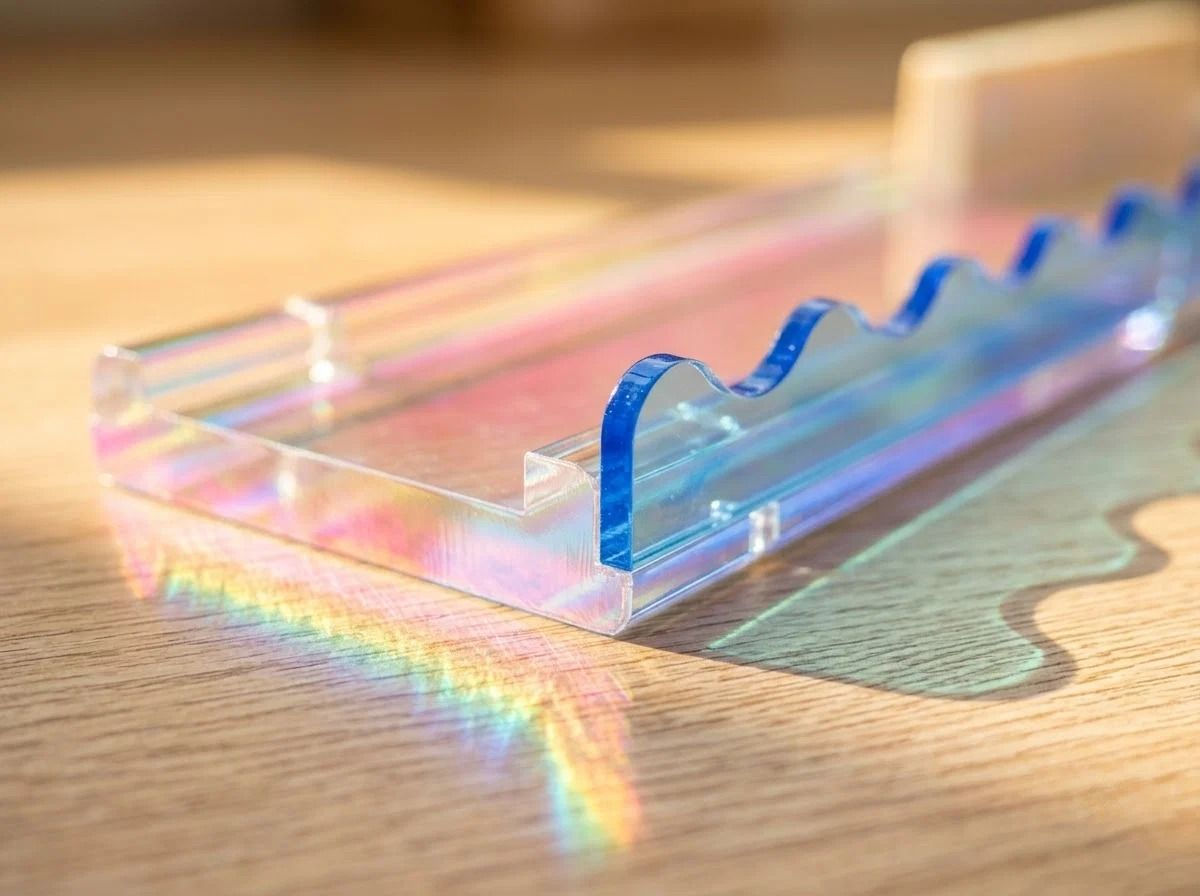
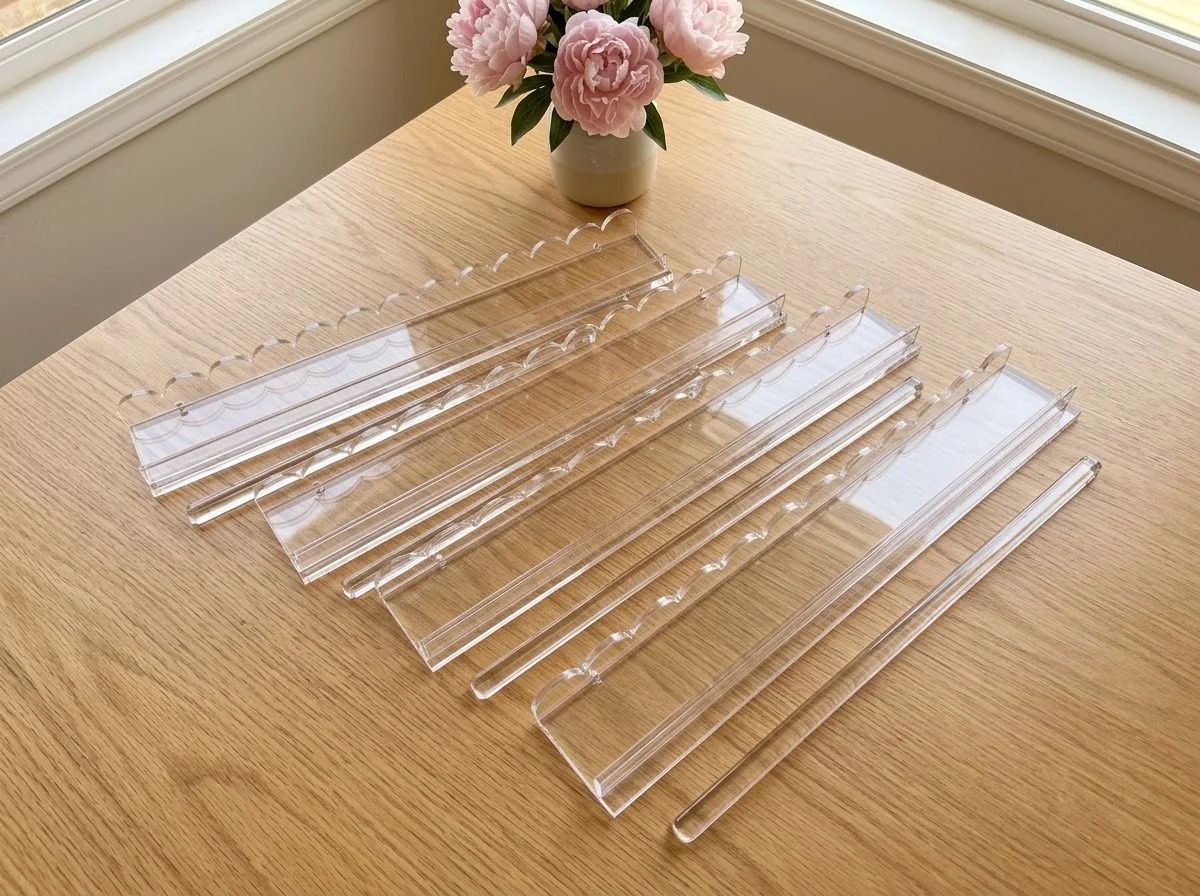
A mahjong rack is a tray that holds your tiles so you don't grip them in your hands—essential for comfort during long games and for keeping tiles hidden until you declare a win. Most racks hold 14–16 tiles at a slight angle, sit in front of the player, and come with a pusher stick to help position individual tiles inside the rack. You can buy racks as part of a complete set or separately; standalone racks typically cost less than full sets. Mahstead sells mahjong racks with pushers in multiple designs, from simple acrylic to engraved styles, all shipping free across the US. Before ordering, check the rack's depth (does it fit your playing surface?) and whether the pusher is included. Avoid racks that are too shallow—tiles will tumble—or too narrow to hold a full hand comfortably. 🀄 Shop best-selling mahjong sets →
What size rack do I actually need?
Mahjong racks come in three practical depth ranges: shallow (2–3 inches), standard (3–4 inches), and deep (4+ inches). Standard depth works for most home games because it holds a full hand without dominating your playing mat. If you play on a crowded table or prefer a compact footprint, shallow racks take up less space but require careful tile stacking. Deep racks suit players with hand dexterity issues or those who prefer extra room to organize tiles. Measure your mat or table edge before ordering; standard is the safest starting point for weekly players.
Should I buy a rack with or without a pusher?
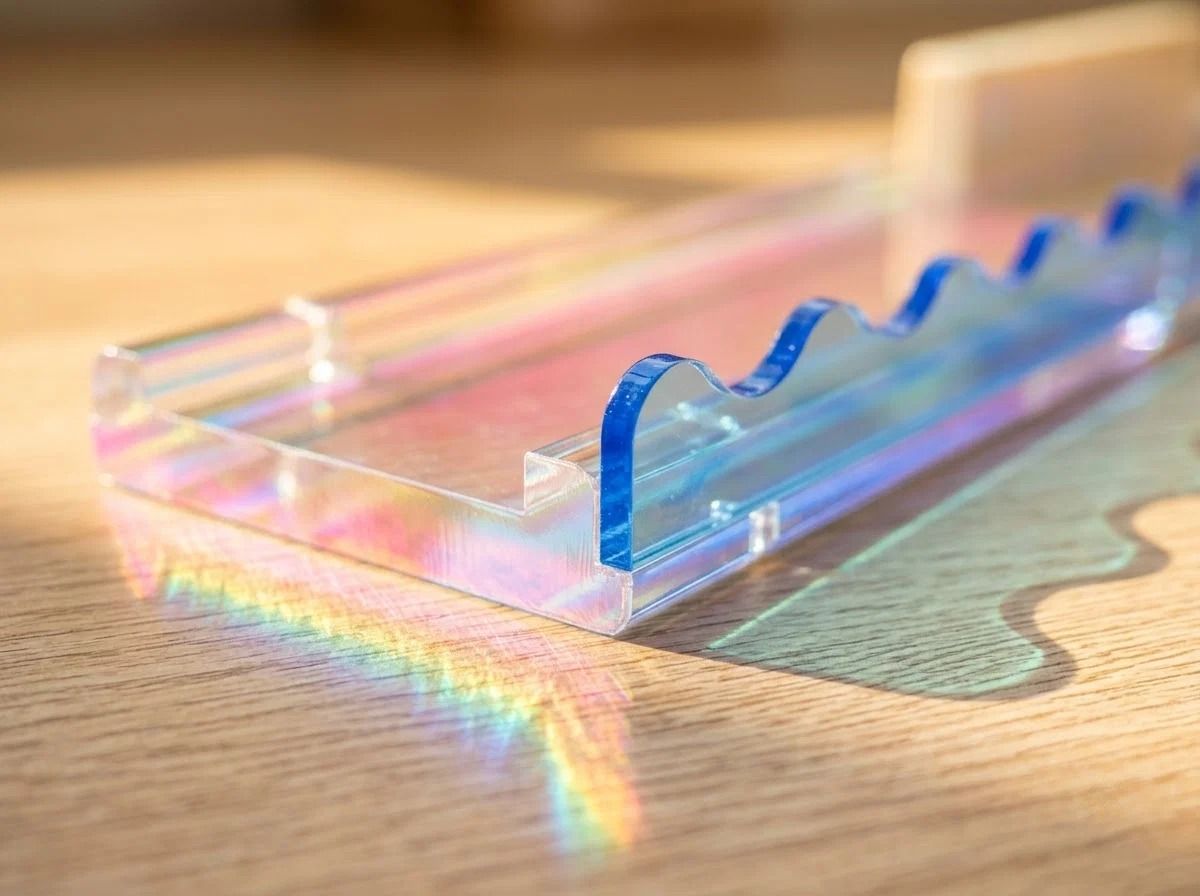
A pusher—the small stick that comes with most racks—lets you slide individual tiles smoothly without touching them directly, speeding up play and keeping your tiles orderly. If you're new to the game, a pusher included with your rack eliminates one extra purchase and fits perfectly into the rack's groove. Experienced players often prefer pushers because they reduce fumbling during the draw phase, keeping the game flowing. Check the product details before buying: a quality pusher should be lightweight, roughly 4–5 inches long, and fit snugly in the rack without rattling. If a rack sells without a pusher, you can buy one separately, but bundle deals are more convenient.
What's the difference between acrylic and engraved racks?
Plain acrylic racks are durable, easy to clean, and cost less because they require no customization. They're ideal for beginners, casual players, and anyone building a backup set. Engraved racks let you add a player name, nickname, or short phrase—popular for hostesses, tournament players, or gifts—and create a keepsake quality that appeals to long-time players. Engraving adds time to production and cost, so order these ahead if you need them by a specific date. Both styles are made from the same durable material; the choice is purely aesthetic and personal. For weekly games or hosting duties, engraved racks signal respect and care.
Where do I buy racks if I don't want a full set?
You have two main paths: buy racks only as standalone items, or purchase them as part of a bundle that includes a set and mat. Standalone racks ship faster because they don't require a full set to be assembled. Complete bundles—set, racks, mat, and pusher—offer better overall value if you're starting from scratch and need everything. Online retailers like Mahstead let you filter by product type; local game shops, community center mahjong clubs, and hobby stores sometimes stock racks, though selection is often limited. Online ordering guarantees selection and free shipping, which beats driving to multiple locations. If you're buying just one rack, standalone is faster; if you're hosting your first game, a bundle saves money and decision fatigue.
✨ Find your Mahstead set — free US shipping →
How do rack quality and material affect play?
A flimsy rack that warps or has rough interior edges will snag tiles and frustrate players mid-game. Quality racks have smooth surfaces, consistent depth, and weight that prevents tipping when you lean tiles. Acrylic racks from Mahstead are injection-molded or carved to precise dimensions, so tiles slide without binding. The pusher should have a smooth edge to avoid scratching tile faces or the rack interior. Over time, a cheap rack may develop cracks or lose its shape; a solid rack lasts years across hundreds of games. When comparing options, hold the rack if possible and run a tile through it—smooth and stable beats pretty but fragile every time.
Comparison: Rack Options for Different Players
Player Type | Rack Style | Key Feature | Best For |
Absolute beginner | Plain acrylic, shallow | Simple, affordable | Learning without extra cost |
Weekly regular | Standard acrylic + pusher | Balanced depth & included pusher | Comfort & convenience |
Hostess/tournament | Engraved acrylic | Personalized name or date | Keepsake, prestige, gifts |
Hand mobility issues | Deep acrylic + pusher | Extra room, easy access | Comfort & accessibility |
Speed player | Standard or deep + pusher | Smooth surfaces | Fast tile management |
What to check before you buy
Depth and width: Measure your playing surface. Will the rack fit without crowding neighbors?
Pusher included? Confirm the listing says "with pusher" or "pusher included." If not, note you'll buy one separately.
Engraving timeline: If you want a name or date, check production time; rush options may cost more.
Material finish: Smooth acrylic finishes glide; textured or rough finishes may slow tiles.
Color and style: Does it match your set or mat? Mahstead offers designs that coordinate with full sets and mats.
Quantity: Are you buying one rack (for one player at a four-person table) or four racks (for everyone)?
Most players buy one rack per person—so a four-player game means four racks plus pushers. If you're hosting and providing equipment, buying four matching racks signals that your game is organized and welcoming. If you're joining a game, asking whether to bring your own rack or use the host's is polite; many groups have house sets, so clarify in advance.
🎁 See our most-loved mahjong sets & accessories →
FAQ
Can I use a mahjong rack with any set?
Yes. Racks are universal—they work with American, Chinese, or any variant as long as tiles are roughly the same size. Check that your tiles fit comfortably without jamming.
Do I need a pusher if I buy a rack?
No, but it's highly recommended. A pusher lets you move tiles without touching them directly, keeping hands clean and tiles organized. Most racks sold at Mahstead include one.
What's the difference between a rack and a hand rest?
A hand rest is a shallow tray that simply holds tiles; a rack usually has a pusher groove and sits at an angle to keep tiles visible and organized. Racks are more functional for serious play.
Can I engrave a rack I already own?
Typically no—engraving is done before sale. If you want a personalized rack, order it engraved from the start. Contact Mahstead directly about custom orders if you have an existing rack.
How do I clean and store mahjong racks?
Wipe acrylic racks with a soft, damp cloth. Avoid harsh chemicals or abrasive scrubbers that scratch the surface. Store flat or upright in a cool, dry place; keep the pusher in the groove to prevent loss.
Should I buy four identical racks or mix styles?
Four matching racks create visual harmony and ease setup, especially if you host regularly. Mixing styles works for casual games but can slow play if racks have different depths or pusher fits.


View More
View More
View More
