
Mahjong Classes for Beginners in Philadelphia
Last updated: Nov 23, 2026
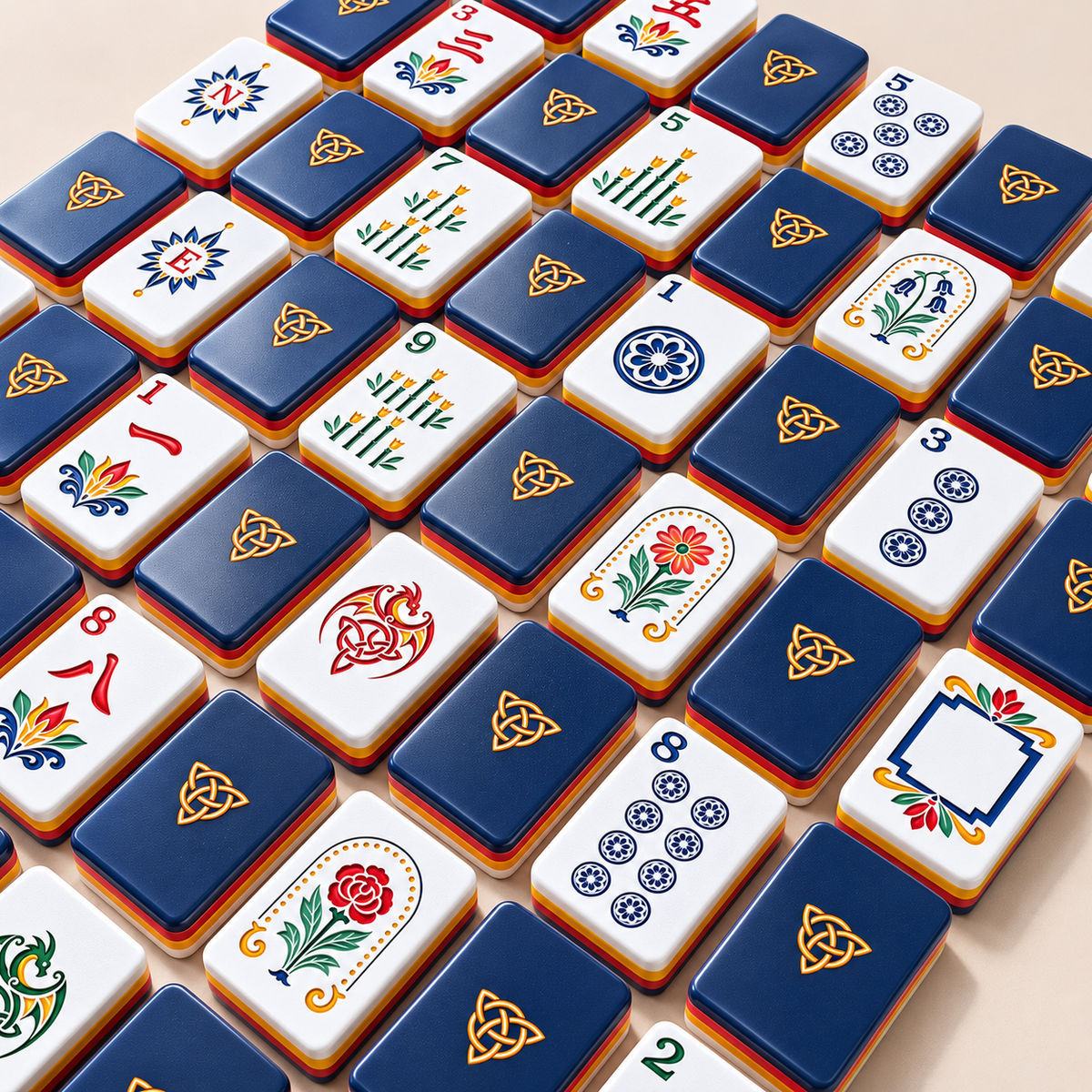
Philadelphia beginners can find mahjong classes through community centers (check recreation departments in Center City and neighborhoods), public libraries (especially those with cultural programming), synagogues with adult education programs, and country clubs that host game groups. Private instructors advertise on local meetup boards and Facebook groups dedicated to mahjong. Most beginner classes run 6–8 weeks, meet weekly for 90 minutes to two hours, and cost between nominal fees (community centers) and moderate rates (private instruction). Classes teach the National Mah Jongg League's American ruleset: how to read the official card, pass tiles in the Charleston, recognize legal hands, and call winning combinations. Before enrolling, confirm the class uses American rules (not Chinese variants), provides tiles and a card, and lets you try before committing. Mahstead carries best-selling sets that work well once you're ready to host your own games.
Where do Philadelphia community centers offer beginner mahjong?
Recreation departments in Philadelphia's 10 neighborhood districts—South Philly, Northeast, West Philly, and others—often list mahjong classes in their spring and fall catalogs. Call or visit your district's office (search "Philadelphia Parks and Recreation [your neighborhood]") to ask about mahjong offerings. Some centers rotate instructors seasonally, so class availability changes yearly; email several months before you want to start. Community center classes tend to be affordable and beginner-focused, though schedules fill quickly.
🀄 Shop best-selling mahjong sets →

Do Philadelphia libraries teach mahjong to adults?
Several Philadelphia Free Library branches host or partner with mahjong clubs and sometimes offer drop-in instruction. Check the library's event calendar online, or call the reference desk and ask about mahjong programs in your neighborhood. Some libraries reserve community rooms for game groups that welcome new players; these are informal but excellent for learning at your own pace. A few libraries stock American mahjong cards or lend sets, making them a free resource to test the game before buying.
What should I look for in a beginner class?
Choose a class that teaches American rules specifically (the National Mah Jongg League standard played with the official card), provides tiles and a card for practice, limits group size to 4–8 people, and allows audit or trial attendance. Ask whether the instructor covers reading the card, recognizing joker restrictions, and understanding when a hand is legal before playing. Avoid classes that skip these fundamentals or jump to complex scoring. A good instructor explains why certain hands work, not just that they do, so you can troubleshoot during home games later. Confirm the class plays only American mahjong; Chinese, Hong Kong, and Riichi variants have different rules and tiles, which confuses beginners mixing styles.
How long until a beginner can host a home game?
Most people grasp the basics—reading the card, calling hands, and playing a simple round—within 4–6 weeks of weekly lessons. Hosting a full game with four players, handling the Charleston, scoring, and managing jokers comfortably takes 8–12 weeks of consistent play. Practice games with your class, then join a local game group to play weekly before hosting; this builds confidence and teaches real-table rhythm you won't get from lessons alone. When you're ready to invite friends, a quality set with a mat and organized racks and pushers makes your game feel professional and keeps tiles visible and secure for all four players.
What's the difference between beginner classes and game groups?
Beginner classes are structured lessons with a teacher who explains rules, corrects mistakes, and paces learning. Game groups are informal weekly gatherings—usually 6–20 regular players—where you show up, play hands, and learn through repetition and peer teaching. Classes are ideal for learning fundamentals; game groups are ideal for building speed and confidence after the basics click. Many Philadelphia players start in a class, then join a game group for ongoing play. Some groups are competitive and track scores; others are purely social. Search meetup boards, Facebook groups for "Philadelphia mahjong," and ask your class instructor for group recommendations once you're ready to graduate.
Finding the Right Class: A Quick Reference
Resource Type | Cost | Time to Start | Best For |
Parks & Rec center | Low to free | 1–3 months | Affordability, beginner focus |
Public library | Free or donation | 2–4 weeks | Casual learners, no commitment |
Synagogue program | Moderate | 1–2 months | Social connection, weekly rhythm |
Private instructor | Moderate to high | Flexible, weeks | Fast learning, one-on-one help |
Game group meetup | Low | Immediate | Practice after class, peer learning |
🎁 See our most-loved mahjong sets & accessories →

Understanding what you'll learn: The American mahjong essentials
American mahjong uses 152 tiles across three suits—Bams, Craks, and Dots—plus Winds, Dragons, Flowers, and eight Jokers. Your first class covers the tile names, how to arrange them in your rack, and how to read the National Mah Jongg League card, which shows every legal hand for the season. You'll learn that hands must be made of Pungs (three identical tiles), Kongs (four identical tiles), Quints (five), or Sextets (six)—never sequences like 1-2-3, which appear in other variants. Jokers can substitute for any tile except a single tile or a pair, a rule many new players misunderstand. The Charleston (the tile-passing ritual before play) is taught step-by-step; it feels strange at first but becomes automatic. By week three, you'll read the card fluently and spot legal hands; by week six, you'll remember joker rules without thinking. Understanding how jokers work and reading the card are two skills that separate confident players from hesitant ones—good instructors drill these hard.
Avoiding common beginner mistakes in Philadelphia classes
Mixing American and Chinese rules. Some players grew up with Chinese mahjong; make sure your class clarifies it's teaching American rules only. Sequences (chows) are illegal in American play, and the hand structure is entirely different.
Rushing to host before you're ready. Hosting a four-player game requires calling hands correctly, managing the discard pile, tracking whose turn it is, and scoring—all at speed. Take at least 8–10 games as a player before hosting; practice with experienced players who can catch your mistakes.
Buying a cheap set without trying. Tile size, weight, and rack quality matter more than you'd think. Tiles that don't sit securely in a rack slow play; racks with poor pushers frustrate everyone. After your class recommends a beginner set, test one at a game group before buying. Mahstead's best-selling sets are designed for smooth play and built to last through weekly games.
Forgetting the card at home. Always carry a current National Mah Jongg League card; many beginners memorize a few hands but trip up when a new combination appears. The card is your safety net and shows you're taking the game seriously.
Ignoring Joker restrictions. Jokers can't fill a pair, can't be a single tile in a hand, and can't sit in multiple places simultaneously. Beginners often bend these rules; good classes enforce them from day one, so you never build bad habits.
What to check before you buy your first set
After your class ends, you'll want your own set for home games. Before spending money, confirm the set includes 152 playing tiles (not 144 or 166—most American games use exactly 152), eight Jokers, a readable card, a storage bag, and a mat or carrying case. Test the tile weight and size at a game group or borrow a friend's set for a session. Tiles should feel substantial (not flimsy), shuffle quietly, and stack neatly in a rack. Check that Bams, Craks, and Dots are clearly distinct in color and symbol; some cheaper sets use confusing shades. Confirm your racks fit the tiles snugly—a poor fit frustrates play. If you're buying as a gift for someone taking a class, choose a set that matches the instructor's style (acrylic sets are durable and modern; bamboo sets feel traditional). Mahstead's mahjong sets are acrylic, come with organized storage, and include everything you need to play immediately.
✨ Find your Mahstead set — free US shipping →
How to transition from class to a regular home game
Once your class ends, join a local game group to play weekly—consistency builds speed and confidence. Most groups play on Sunday mornings or weekday evenings; ask your instructor for contacts or search "Philadelphia mahjong game group" on meetup boards. Show up as a guest first; bring a small contribution (snacks, coffee) and play without betting until you're comfortable. After 4–6 weeks of weekly games, host your first game at home. Invite three experienced players who'll tolerate slower play, provide the tiles, mat, card, and racks (so guests don't worry about setup), and play 2–3 rounds socially. After you've hosted successfully, expand your circle and invite other beginners. Many Philadelphia players stay in the same neighborhood game group for decades; the social bonds matter as much as the tiles.

FAQ
Do I need to own a set before taking a beginner class in Philadelphia?
No. Community center and library classes provide tiles and cards. Own a set only after your class ends and you're ready to play home games or join a weekly group.
What's the difference between American and Chinese mahjong, and do Philadelphia classes teach both?
American mahjong uses a printed card, no sequences (chows), and Joker rules; Chinese mahjong uses memorized hands, sequences, and different tiles. Nearly all Philadelphia classes teach American rules only. Ask the instructor explicitly before enrolling.
How much does a beginner mahjong class typically cost in Philadelphia?
Community center classes cost minimal fees (often $30–$75 per session or class series); private instructors charge more. Check your local Parks & Rec catalog for current prices.
Can I learn mahjong online, then join a Philadelphia game group?
Yes, but in-person classes are faster because instructors correct mistakes instantly and you practice handling real tiles and shuffling. Online learning works best as a supplement after your first few in-person games.
What should I bring to my first class?
Pen and paper (to note tile names and rules), comfortable clothing (you'll sit for 90 minutes), and an open mind. The instructor provides tiles, cards, and racks. No experience needed.
Where can I find a Philadelphia mahjong game group once my class ends?
Search Facebook groups for "Philadelphia mahjong," check meetup.com for game groups in your area, ask your class instructor for referrals, or contact local libraries and synagogues—many host or know groups that welcome drop-ins.


View More
View More
View More
