
Is an Expensive Mahjong Mat Worth It? A Player's Guide
Last updated: Nov 23, 2026
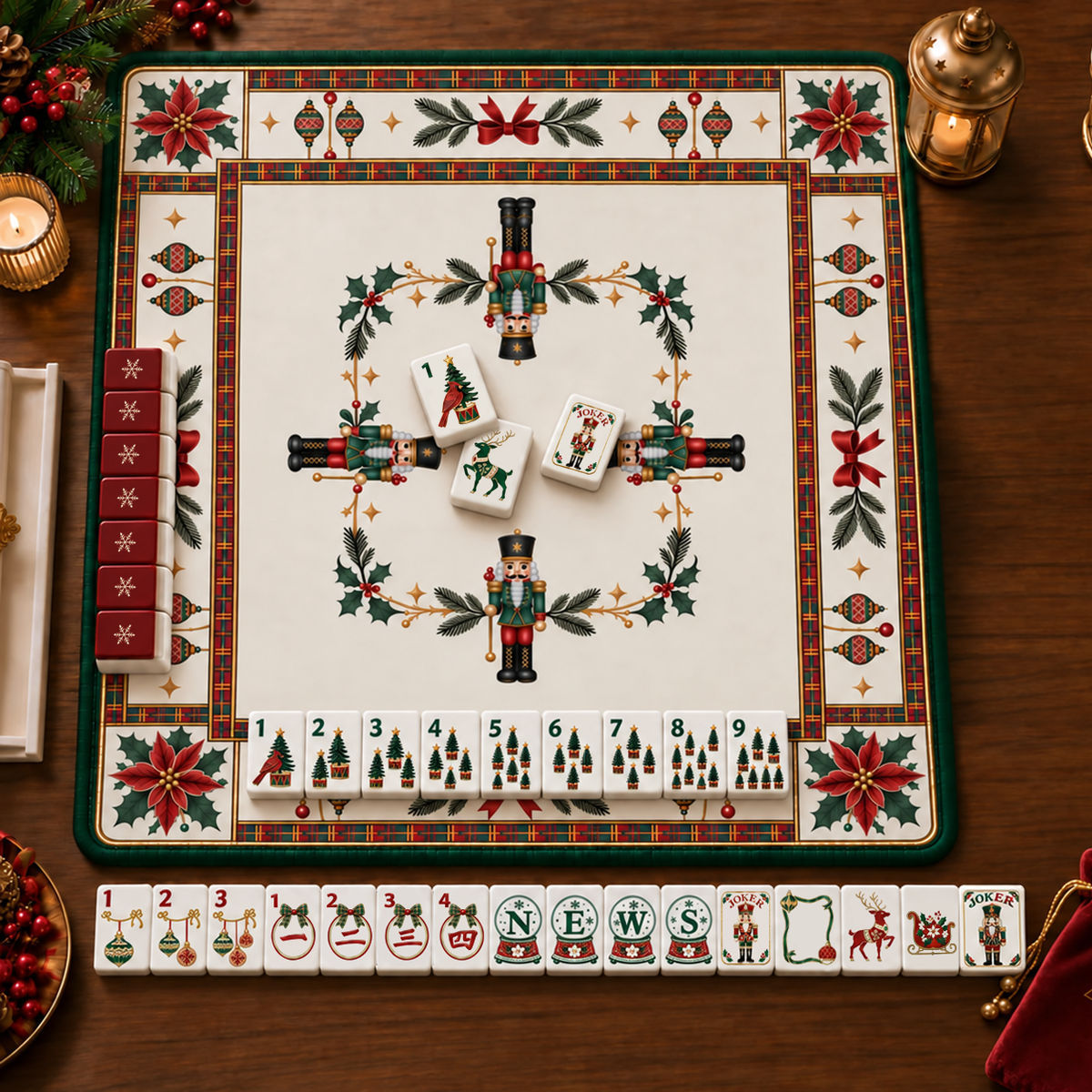
A mahjong mat is a felt or rubber surface (typically 27–33 inches square for American play) that defines the playing area, prevents tiles from sliding, and protects your table underneath. Quality mats range from basic woven fabric to acrylic-backed designs with pushers built in. The real value isn't in price alone—it's whether the mat's grip, durability, and portability match your game style. Casual home players often thrive with simpler mats; serious weekly groups and tournament players benefit from premium materials that survive constant shuffling and frequent travel. A mid-range mat from Mahstead's best-selling collection typically offers the best balance of grip and longevity for most home games. Avoid mats with loose stitching, thin backing, or felt that pills after a few seasons—these will cost more in frustration than a solid option costs upfront.
🀄 Shop best-selling mahjong sets →
What does a mahjong mat actually do?
A mat creates a soft, textured surface where tiles rest without scattering when you draw or discard. Without one, tiles slip on bare wood or glass, you'll chase pieces across the table, and your mahogany gets scratched. The mat also defines player zones (four squares, one per side), so everyone knows where to build their wall and when it's their turn. Most American players use a mat every single game—it's not optional if you're serious about the play experience.
How much better is a premium mat than a budget one?
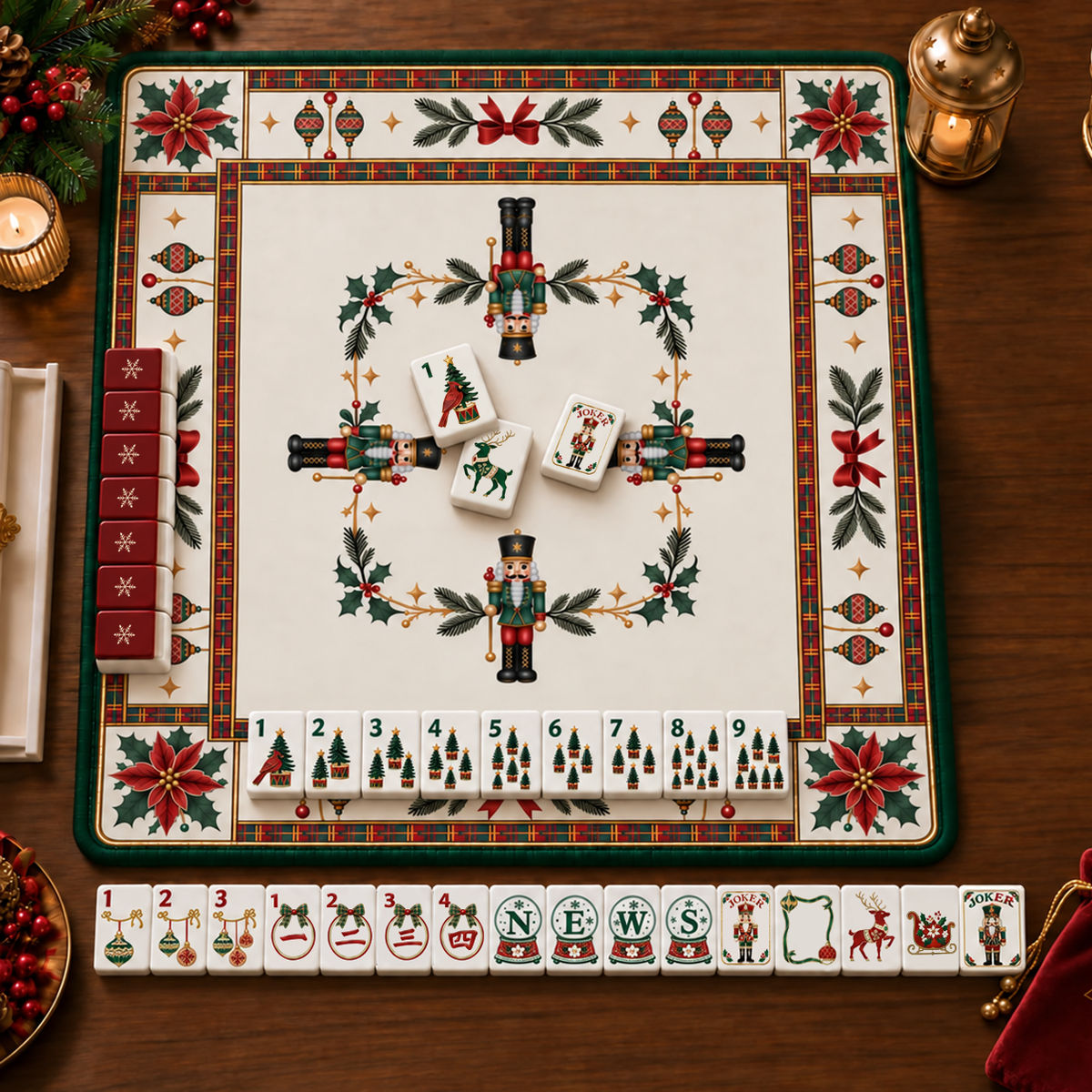
The main differences are felt density, backing material, and edge stitching. A budget mat uses thin polyester felt on a basic backing; a premium mat has tighter weave, acrylic or rubber underside, and reinforced seams. In practice: a budget mat will start pilling and sliding within a season of weekly play; a premium mat holds its grip and appearance for 3–5 years. If you play once a month casually, budget works. If you host every Thursday, premium pays for itself in reduced replacement cost and smoother gameplay. Mid-range mats split the difference—good durability at a reasonable investment level.
What's the comparison between mat types?
Mat Type | Best For | Felt Quality | Backing | Durability | Portability |
Budget (woven polyester) | Casual, once-monthly players | Thin, pills easily | Basic fabric | 1–2 seasons | Rolls easily; thin |
Mid-range (standard felt + fabric backing) | Weekly home games | Medium density, stable weave | Reinforced cotton or blend | 3–4 seasons | Rolls compactly; rolls with mat bag |
Premium (dense felt + acrylic/rubber) | Serious groups, frequent travel | Tight weave, resists pilling | Acrylic or natural rubber | 4–6 seasons | Heavier; fits in dedicated cases |
Tournament-spec (pro-grade felt + engineered grip) | Tournament play, daily use | Competition-grade thickness | Engineered rubber base | 5+ seasons | Designed for travel; some fold |
🎁 See our most-loved mahjong sets & accessories →
Should you pay more for a mat with built-in guides or markings?
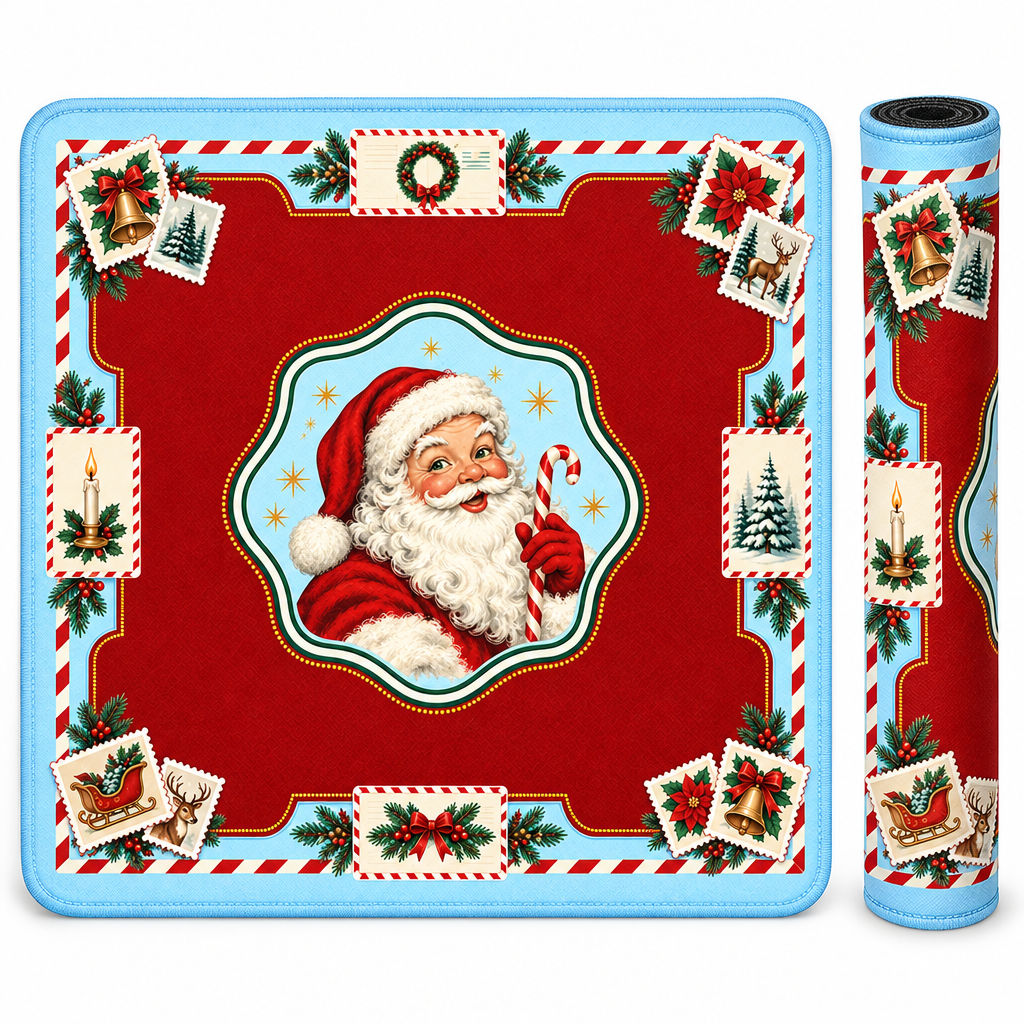
Some mats include embroidered or printed lines showing the four player zones, discard pile locations, and even engraved player names or jokes. These are genuinely useful—they speed up setup and help newcomers understand the layout instantly. If you're teaching beginners regularly or want a polished table setup, a mat with clear markings is worth the modest premium. However, experienced players don't need them; the guides become invisible after a few games. If your group already knows the zones, save the extra cost and go with a clean felt. Our mahjong mat collection includes both styles; choose based on whether clarity or simplicity matters more to your table.
How does mat cost compare to other gear investments?
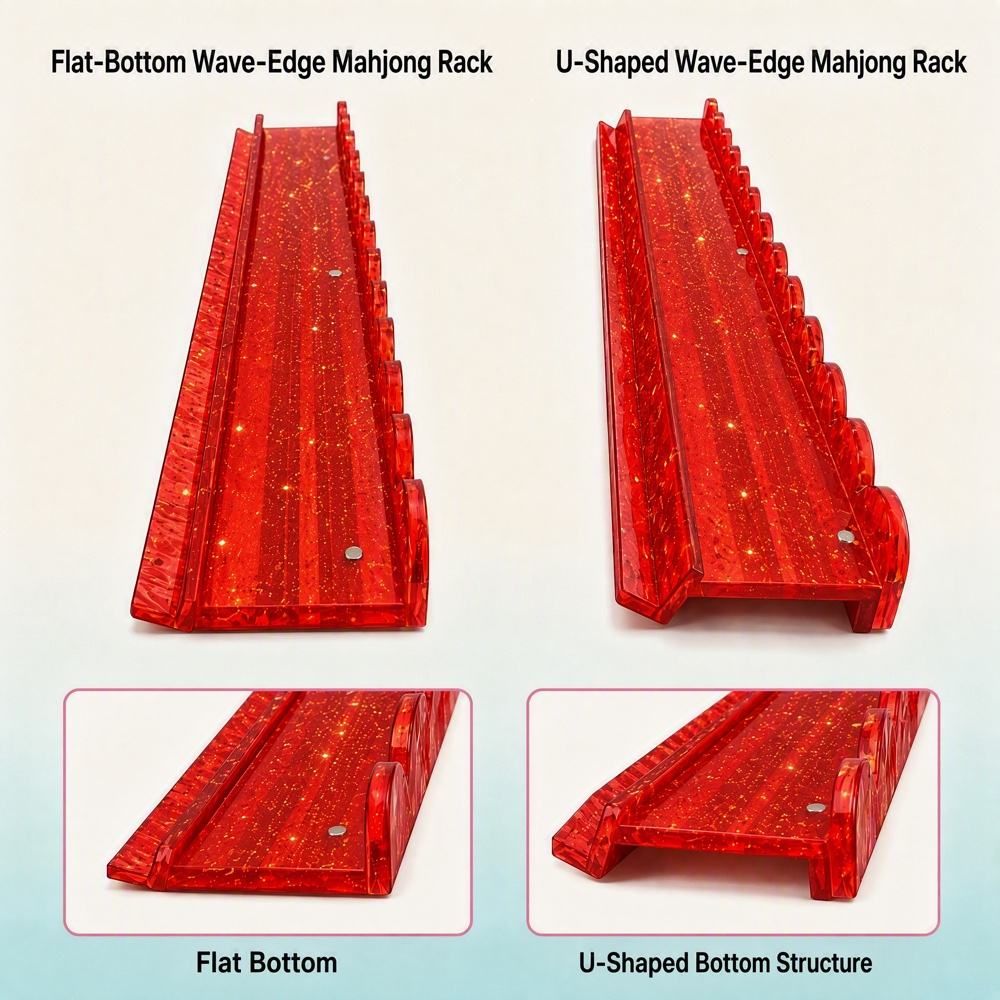
A mahjong mat is rarely your biggest expense. A full American mahjong set with tiles, rack, and bag costs significantly more than a mat. But mat + set together create the complete playing experience. Many players upgrade their mat every few years; others invest once in a premium mat and keep it for a decade. Smart groups buy a shared mat for the host table and rotate the cost among regulars. One premium mat is cheaper than each of four players buying separate budget mats. Viewed this way, group mats are efficient—spread cost, get consistent quality, and one mat lasts longer than four cheap ones would.
What should you check before ordering a mat?
Table size fit: Measure your playing surface first. Most mats are 27–33 inches square; check against your table width. Too small and tile walls hang off edges; too large and it overhangs too much and bunches up.
Backing material: Ask whether the mat has a slip-resistant underside. Rubber grips wood better than fabric backing; fabric is lighter to fold and carry.
Stitching and edges: Look for reinforced stitching around the perimeter. Loose corners unravel within months of heavy play.
Felt touch: Dense felt resists pilling; thin felt sheds fuzz after weeks. Run your hand across samples if possible—premium felt feels smooth and stays that way.
Portability needs: If you travel to friends' houses weekly, a lighter mat with a carrying bag matters. If it lives on your table year-round, weight is irrelevant.
Personalization: Decide if you want engraved player names, funny sayings, or a clean design. Engravings are permanent; make sure your group approves the text first.
Most players test a friend's mat before buying their own. If you can borrow one for a game or two, do it—feel the grip and watch how it performs before committing.
✨ Find your Mahstead set — free US shipping →
Is a mat worth buying, or can you play on a bare table?
You can play on bare wood or even a tablecloth, but tiles will slide, clack loudly, and scatter when someone's elbow bumps the wall. A mat also protects expensive tables from hundreds of tiny scratches. Most serious players consider a mat non-negotiable, not optional. A decent mat costs far less than replacing a damaged table or replacing tiles constantly lost to rolling under furniture. If you're hosting regularly, the mat is infrastructure—it pays for itself in player comfort and table longevity the first season.
How should you care for a mat to extend its life?
Vacuum or brush the felt gently once a month to remove dust and keep the weave open. Wipe spills immediately with a barely damp cloth; don't soak it. Store rolled (not folded) in a cool, dry place away from direct sun—UV fades felt over time. Never iron or heat-treat felt. If the backing separates from the felt, a professional textile repair shop can re-glue it; this is cheaper than replacing the whole mat and worth doing for a mat you love. Treat a premium mat like you'd treat a nice rug, and it will outlast casual play by years.
FAQ
How often do I really need to replace a mahjong mat?
With weekly play and basic care, a mid-range mat lasts 3–4 seasons (3–4 years). Premium mats can go 5–6 seasons. Budget mats may pill noticeably within one season of heavy use.
Can I use a yoga mat or exercise mat instead of a mahjong mat?
No. Yoga mats are too thick and lack the textured grip tiles need. They also slide on tables and don't protect the surface well. Mahjong mats are engineered specifically for tile grip and durability.
Do I need a mat if I have a mahjong table?
Dedicated mahjong tables have built-in playing surfaces (usually felt), so a separate mat isn't needed. However, some players still use mats on mahjong tables for extra grip or to refresh a worn surface without refinishing.
What size mat should I buy?
Measure your table. Standard mats are 27–33 inches square. Your mat should cover the full playing area without overhanging by more than a few inches on each side. If unsure, ask for sample dimensions before ordering.
Can I embroider or personalize a mat after I buy it?
Yes, but have it done by a professional textile embroiderer. DIY attempts may create loose threads or weaken the backing. Plan personalization before heavy use so you're not modifying an already-worn mat.
Are non-slip mats better than standard felt mats?
It depends on your table. Rubber-backed mats grip better on polished wood; fabric-backed mats work fine on textured surfaces. Test if possible, or check reviews specific to your table type.
Can I play mahjong without any mat at all?
Technically yes, but tiles slide, noise is high, and your table risks damage. A mat costs far less than repairing scratches or replacing lost tiles. Not recommended for regular play.
How do I choose between a plain mat and one with printed guides or names?
Plain mats are cheaper and timeless. Marked or named mats are great for teaching beginners or formalizing a permanent group table. If your group changes often or plays casually, plain is more flexible.


View More
View More
View More
