
Mahjong Classes for Beginners in New York: Where to Start
Last updated: Nov 23, 2026
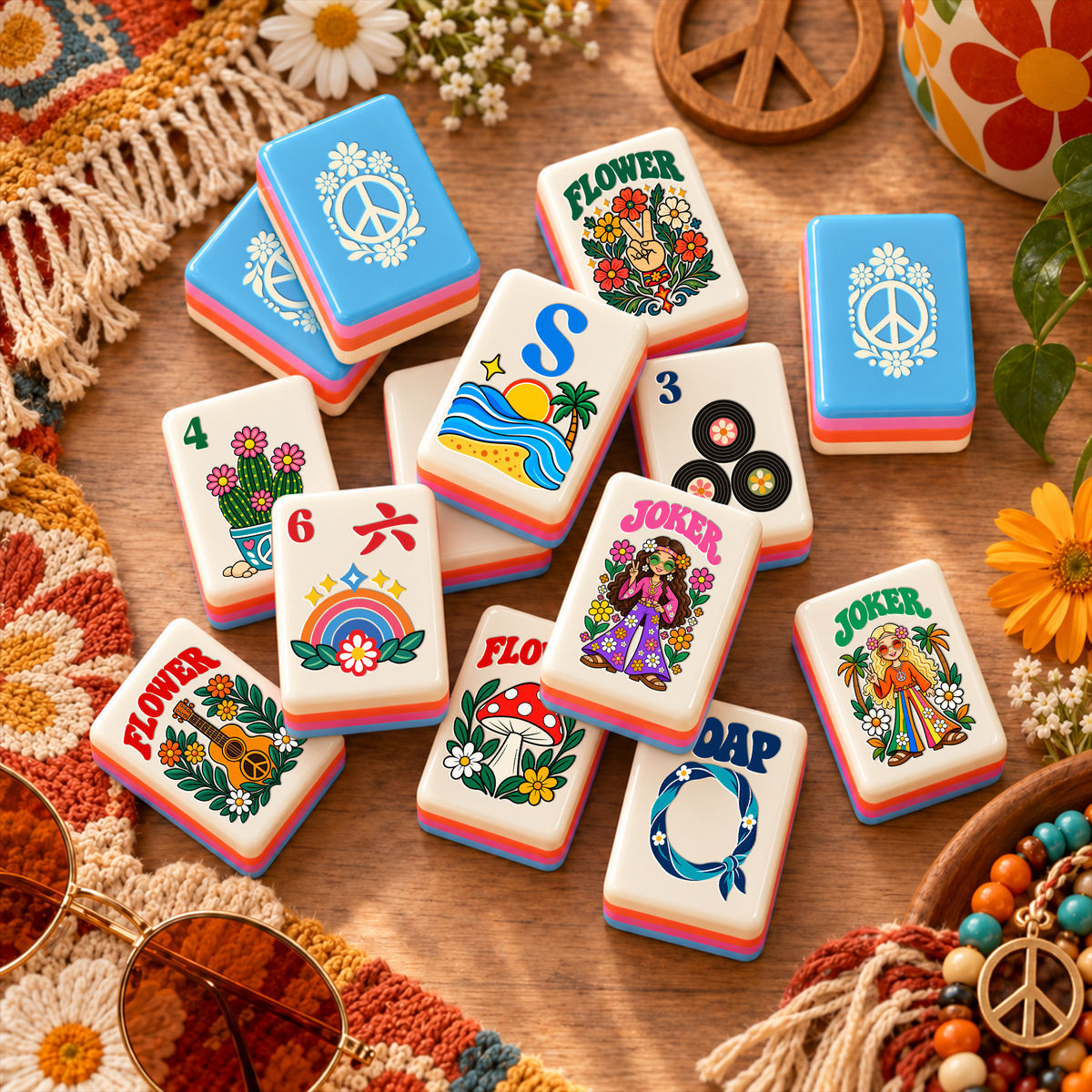
New York beginners can find mahjong classes at public libraries (many offer free or low-cost lessons in Manhattan, Brooklyn, and Queens), Jewish community centers and synagogues (where American mahjong has deep roots), university continuing education programs, and meetup boards listing weekly games open to learners. Classes typically run 4–8 weeks, meet once per week for 2–3 hours, and cost between minimal fees and a few hundred dollars depending on the venue. Before signing up, confirm the instructor teaches American mahjong (standard in New York) and has beginner-friendly rules—not Chinese or Hong Kong variants. You'll need a 160-tile acrylic American mahjong set, a mat to protect the table, and a current-year National Mah Jongg League card to learn hand patterns. Many best-selling mahjong sets come with teaching-friendly clear tiles and bright prints that make classroom learning faster.
Where to find beginner mahjong classes in New York depends on your neighborhood, budget, and schedule. Most classes cluster in Manhattan and Brooklyn, though Queens and the Bronx offer smaller group options. Here's a complete search strategy.
What public libraries offer for mahjong beginners?
Many New York City branch libraries host free or low-cost mahjong instruction, especially branches in neighborhoods with large populations who play—Manhattan's Chinatown, Flushing in Queens, and Sunset Park in Brooklyn are known strongholds. Start by searching your local library's website for "mahjong class" or calling the adult programming coordinator. Libraries often run beginner sessions from September through June, with slots filling quickly; sign up early in fall. Sessions are typically 90 minutes to two hours, taught by volunteer players or retired instructors. The advantage: zero cost or minimal fees, and classmates are local neighbors you might play with for years. The tradeoff is limited spots and less flexible scheduling than private classes. Check both your branch and nearby branches within 15 minutes' travel time.

How do Jewish community centers and synagogues teach American mahjong?
Jewish Community Centers across New York (Manhattan, Brooklyn, Queens, Bronx) have run beginner mahjong for decades, as the game is a cornerstone of Jewish cultural life in the region. Contact local YMHAs, JCCs, or neighborhood synagogues directly; most have adult education or lifelong learning staff who can tell you upcoming class dates, fees, and level. Classes are beginner-focused, teach American mahjong exclusively, and often encourage you to join the center's weekly game afterward. Instructors tend to be experienced players, patient, and welcoming to all backgrounds. Fees typically range from a one-time or per-class rate, often lower for members. The social advantage is high: many students continue playing together for years. Call or visit websites in advance to ask if they provide practice sets or if you should bring your own.
Can you learn mahjong through online searches and meetup boards?
Yes. Searching "mahjong meetup New York" or "mahjong club NYC" on community sites and social platforms surfaces private groups, some of which welcome beginners to observation or slower-paced beginner tables. Meetup boards, neighborhood Facebook groups, and community bulletin boards sometimes list weekly games with a contact person. The advantage: flexibility and direct access to regular players who become your network. The disadvantage: less structured instruction; many groups assume you know basic rules. Before joining, ask if the group teaches American mahjong, offers a 30-minute overview, and welcomes rank beginners with patience. Many groups play for money (modest stakes) or socially; clarify the vibe upfront. This route works best once you've done one formal class and have a set and card at home to practice.

What makes a good first mahjong class—and what red flags to avoid?
A strong beginner class has a certified or very experienced American mahjong instructor (ask if they play in the National Mah Jongg League or have taught for 5+ years), covers the absolute basics in the first session (tile names, the Charleston, reading the card, calling hands), uses provided practice sets or welcomes you to bring your own engraved American mahjong sets, and keeps groups small (under 12 students). Avoid classes that skip the Charleston or dive straight into advanced scoring, mix American and Chinese rules, or have an instructor who's learning too. Ask the teacher upfront: "Do you play American mahjong?" and "Will you go over the League card and basic hand recognition?" If the answer is vague, keep searching. The best classes build confidence fast by playing a full hand (not just drills) by week two.
🀄 Shop best-selling mahjong sets →
What equipment do you need before your first class?
Every beginner needs three items. First, a 160-tile American mahjong set (acrylic is durable in classrooms and at home; bamboo is beautiful but pricier and heavier). Second, a National Mah Jongg League card for the current year—this is the only hand guide American players use, issued every March; you'll study it for weeks. Third, a mahjong mat to define the play area, protect your dining or game table, and make tile movement cleaner. A mat is especially important if you'll play at home after class; it dramatically speeds up learning because everyone can see tile positions clearly. Optional but helpful: racks with pushers to hold your hand (reduces hand fatigue and tile-dropping errors), and a scorepad for tracking points. Most classes supply cards and often a mat, so confirm before buying. Many players bring their own set to class as a security blanket and memory aid.
Equipment comparison: what you need to start
Item | Why it matters | Class checklist |
160-tile acrylic set | Durable, clear tiles, ready to use—no assembly | Buy or borrow before week 1 |
Current-year League card | Only legal hand reference in American mahjong | Bring to every session |
Mahjong mat | Defines play area, protects table, aids tile visibility | Check if instructor provides; buy if playing at home |
Racks with pushers | Optional but prevents hand fatigue and errors | Helpful after you grasp basics (weeks 3–4) |
🎁 See our most-loved mahjong sets & accessories →
How do you practice between classes?
Between sessions, use your set and League card at home to drill hand patterns from the card. Pick three simple hands each week and lay them out using tiles (and jokers where the card allows). This trains your eye faster than any lecture. If you have a family member or friend willing to learn, play a full game using the Charleston (the tile-passing ritual) and a single hand. Many players watch recorded games online or ask instructors to explain one complex hand by photo. The goal is not perfection—it's building confidence before week two. If you're stuck, text the instructor a photo of your tiles and ask a rules question; most teachers are happy to clarify. Avoid YouTube videos that mix American, Chinese, and other variants; stick to resources labeled "American mahjong National League" to stay on track.
What to check before you buy a set for class
Before purchasing a set, confirm with your instructor that you need one (some classes provide sets for all students). Ask: "Can I use an acrylic set or do you prefer bamboo?" (Most beginners do better with acrylic—lighter, easier to see, no maintenance.) Check if you need a mat; classes in libraries or centers often provide one. If buying, choose a best-selling mahjong set with large, clearly printed tiles and jokers (crucial for beginners to spot jokers instantly). Avoid very cheap sets where tiles are hard to distinguish or have faded print. A mid-range acrylic set will outlast your class and serve you for a decade of home play. Many players in New York keep the same set they learned on, so this is a one-time investment. Confirm free shipping to your address and that the set arrives with all 152 playing tiles plus spares.
✨ Find your Mahstead set — free US shipping →
Once you complete a beginner class, you'll be ready to join a weekly game at a community center, synagogue, or player group—often the same venue where you took lessons, or a new game your classmates recommend. Many New York players stay with the same group for 10+ years, making mahjong a rare hobby that builds lasting friendships and never stops teaching you. The real fun starts once you can read a hand on the card in under 10 seconds and feel confident calling it at the table.

FAQ
Do I need to buy a mahjong set before my first class, or can I borrow one?
Most classes provide sets or allow borrowing the first few weeks. Call ahead to ask. If you're planning to play at home after class (recommended), buy your own early—it lets you practice between sessions and builds muscle memory faster than borrowing.
What's the difference between American mahjong taught in New York classes and other variants I see online?
American mahjong uses 152 tiles, plays only hands from the current League card, and doesn't allow sequences (chows)—only groups of three-plus identical tiles. Chinese mahjong uses 144 tiles, allows sequences, and has no official hand list. New York classes teach American exclusively; confirm this upfront.
How long does it typically take to feel comfortable playing a full game after a class?
Most beginners feel confident after 4–6 weeks of weekly lessons plus home practice. By week two, you'll usually play one full hand start-to-finish; by week four, you'll play an entire game (13 hands). Speed comes later, but comfort arrives fast.
Is the National Mah Jongg League card required, or can I learn with phone apps or printouts?
The League card is mandatory in American mahjong—it's the only legal hand reference at any table, tournament, or group. Apps and printouts are helpful study tools, but the actual card is what you bring to class and use in every game. Buy a current-year card from your instructor, library, or order online.
What should I look for in a mahjong mat if I buy one for home practice?
Look for a mat at least 27 inches square (to fit all four players' hands comfortably), nonslip backing, and easy-to-read layout lines. A quality mat makes tiles visible from all angles and protects your table. See our guide to choosing a mat for specific recommendations.
Are there beginners-only mahjong groups or games in New York, or will I feel out of place as a new player?
Yes—many community centers, synagogues, and libraries host beginner or "open to all levels" games weekly, often at the same venue where classes run. After your class, ask your instructor to recommend a beginner-friendly group. You won't feel out of place; groups actively welcome new players to keep the game alive.


View More
View More
View More
