
Mahjong Defensive Strategy Mistakes to Avoid
Last updated: Nov 23, 2026
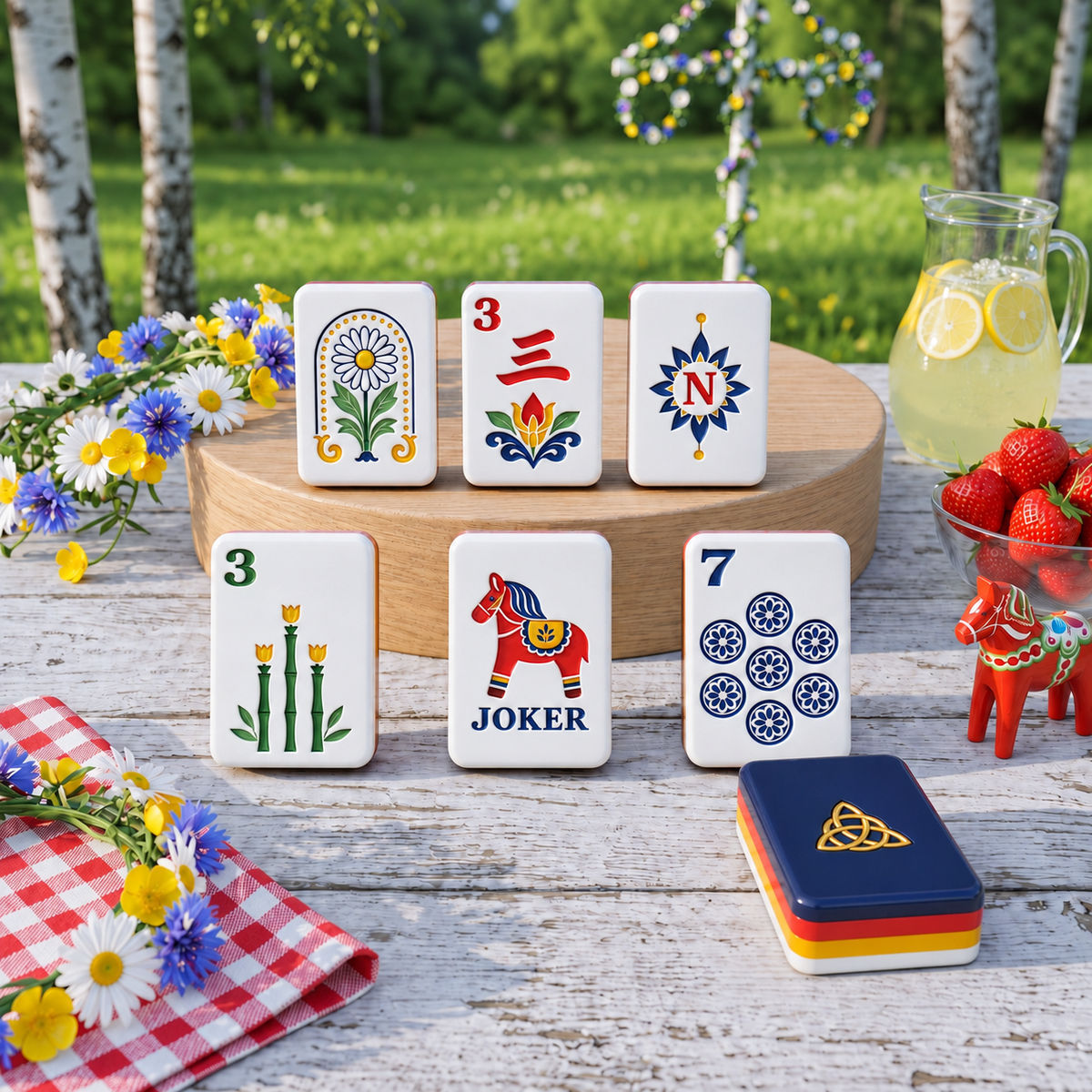
Defensive mistakes—exposing safe tiles too early, discarding predictably, ignoring dangerous discard patterns—cost more hands than bad luck. In American mahjong, defense means two things: (1) never helping opponents complete their hands, and (2) staying alert to which tiles are truly dead. Most players throw middle tiles (4s, 5s, 6s) thinking they're safe, but miss that the player opposite has already thrown both 5 Craks—meaning the third is gone for good, not a liability. The three deadliest errors are: discarding in suit order (East sees you're working Dragons then Bams, so she watches your Dots), calling pungs too early (you announce safety, then someone else picks up tiles you blocked), and panicking after someone else wins (you stop paying attention and become reckless). Defense is 40% of winning; master it, and you'll fold hands strategically instead of fighting every deal. Mahstead players who use best-selling acrylic sets often practice defense drills with the same gear they play with weekly—consistency matters. 🀄 Shop best-selling mahjong sets →
What does "defensive play" actually mean in American mahjong?
Defense is playing to prevent your opponents from winning, not just chasing your own hand. It's the art of knowing which tiles to keep in your rack and which to throw—and when. A defensive hand is one where every discard is safe: tiles that are either already played (dead), or so covered by your opponents' discards that no one can be working them. Offense wins games you're ahead in; defense wins the games where you're behind or haven't picked up your hand yet.

Why do players discard in suit order—and why does it leak?
Many players, especially newer ones, clean their racks by suit: Bams first, then Craks, then Dots. After the Charleston and first few turns, the player sitting across from you notices you're throwing mostly Bams (turns 1–3), then switching to Craks (turns 4–7). If she's looking for a Dragon pung but has also picked two Bams, she now knows to watch for your third Bam—or that you're done with Bams and won't block Crak pungs for her. Seasoned players vary their discard order: throw a Dot turn 1, a Bam turn 2, a Crak turn 3, then cycle back. This randomness keeps opponents guessing and prevents them from building a map of your hand structure. The harder rule: never throw two tiles from the same suit in a row unless forced. Every sequential discard tells a story.
How do "dead tiles" really work, and how many do players overlook?
A tile is truly dead (safe to throw) when all four copies have appeared somewhere on the table. If you've seen both 2 Bams in opponent A's discard pile, the 2 Bam in your rack is 100% safe—nobody can use it, not even as a joker replacement. But here's where defense fails: most players track only the discards visible in front of them, ignoring tiles in other players' exposed sets (pungs, kongs, quints). If North has a 9 Dot pung exposed on her rack, all three remaining 9 Dots are functionally dead. Many players will still hold a 9 Dot or play it cautiously, wasting a turn. Keep a silent count: one in player A's pung, one in player B's discard, one in player C's discard. If you've hit three, discard freely.
Common mistake: assuming a tile is "probably dead" after seeing two copies. It's not. Until you've verified all three or four, treat it as a liability. On our weekly game nights, someone always loses a hand by throwing a "probably safe" tile that was actually a player's call tile—costing the round and the table's respect.
Why does calling a pung or kong too early ruin your defense?
When you expose a pung (three identical tiles) or kong (four identical tiles) on your rack, you're broadcasting: "These tiles exist in my hand, I'm not working these numbers anymore." Opponents now know those specific tiles won't appear in your future discards—they can be more aggressive with that suit or number. More dangerous: exposing a pung early signals you've already picked three matching tiles, which is rare in the first six turns. Observant players can infer you received those three in the Charleston (passed from another player's hand) or picked fast, and they'll adjust their discard strategy.
The timing rule: expose pungs and kongs only when (a) you're confident you'll go mah jongg with that hand or a close variation, or (b) you need to expose to stay competitive. If you're uncertain, sit tight. Exposure is irreversible—once three 4 Craks are on the table, those tiles move; they can't go back into your private rack, and everyone at the table sees your commitment.
What's the "dangerous discard pattern" and how do you read it?
A dangerous discard pattern occurs when one player throws a string of tiles that makes sense for a specific hand type—or when someone suddenly stops throwing a suit. Example: North throws 1 Bam, 2 Bam, 3 Bam consecutively (turns 1, 2, 3). She's signaling, "I'm not working a pung or sequence with Bams 1–3." Good defense: other players now hold back on 1, 2, 3 Bams because North's discard says she won't want them. But here's the trap: if North then throws a 4 Bam on turn 4, she's changed course, and her earlier throws are now misleading—intentional misdirection or a genuine hand shift. Skilled players watch for sudden pattern breaks and time them.
Another pattern: a player stops throwing Winds altogether after the first three turns. Translation: she's likely trying to complete a Wind pung or working a hand that doesn't need Winds. If you're holding Winds, you know they're less of a liability—she won't call them. The deeper lesson: every discard is data. Write nothing down (that's cheating), but notice it. When someone shifts discard patterns mid-game, ask yourself: did her hand change, or is she trying to mask it?
Comparison: Four Defense Styles and Their Risks
Defense Style | What It Looks Like | Risk | When to Use |
Aggressive | Throw any non-critical tile fast; expose pungs early | Opponents read you easily; you leak info | When you're 4+ tiles from mah jongg |
Conservative | Hold tiles, expose nothing, discard only dead tiles | You're slow; opponents see you stalling | When someone's close to winning |
Adaptive | Vary suit order, throw unpredictable but safe tiles | Requires real-time tile tracking | Every turn, always |
Misdirective | Throw a suit order that suggests a false hand | You confuse yourself; jokers become a trap | Rarely; only if you have a strong memory |
How to spot when YOU'RE the target—and how to recover
When opponents throw tiles near you more than other players, you're the marked hand. They see your face, your timing, or your exposures and think you're close. Response: immediately stop exposing anything. Sit tight with your hand private. Throw only tiles that have already appeared in discard (dead tiles) or are so generic that three copies are visible elsewhere. Do not rush. This defense posture—silent, private, deadly—flips the table's pressure: now your opponents doubt whether you're even working a hand.
Second recovery step: if you're marked and still far from mah jongg (6+ tiles away), consider folding this hand entirely on the next round. Drop gracefully, stay silent, and reset. The biggest mistake is panicking and throwing something risky—that's how players gift winning hands to the table.

Reading your card without leaking your strategy
Your National Mah Jongg League card is your hand reference, but holding it visibly tells opponents which section you're studying—Flowers, Dragons, Winds, or number combos. Defensive play: memorize 2–3 hand options from memory before the game starts. If you must check your card, tilt it toward your body and glance at only one or two hands per draw phase. Never scan your card on your turn to discard; you should already know what you're throwing. Experienced players can infer your hand section from your card-checking pattern: if you peek at the Dragons section every third turn, they know a Dragon pung is critical to your hand.
Best practice: study your card during the Charleston and the wall-building phase, not during active play. Your card should be a memory aid by turn 5, not a crutch.
🎁 See our most-loved mahjong sets & accessories →
The discard order checklist: A tool to avoid leaking
Before your turn to discard, ask yourself these questions:
Have I thrown this suit in the last two turns? If yes, wait a turn.
Are all four copies of this tile visible (in discards or exposed sets)? If yes, it's safe.
Is this tile one that an opponent just threw? If yes, reconsider; they might want it back as a joker or to bait a call.
Am I throwing in ascending or descending suit order? If yes, randomize the next discard.
Have I exposed any pungs or kongs this round? If yes, don't discard from the same suit; stay unpredictable.
Follow this checklist for three games, and it becomes muscle memory. Most players skip step 3 and step 5—those are the leaks that cost hands.
What to check before you buy a set for serious defensive practice
If you're ready to drill defense at home with a committed group, invest in a reliable set where every tile is identical and readable from across a 36-inch table.
Tile clarity matters for defense because you need to spot exposed tiles instantly without squinting. Poor-quality tiles or hard-to-distinguish colors mean you'll miss critical discard information and lose the thread of which tiles are dead.
Set consistency (all tiles the same size and weight) means no one suspects foul play or cheating—trust is foundation for serious play.
✨ Find your Mahstead set — free US shipping →
What to check before you buy
Tile size and uniformity: Measure across 36 inches of table depth; tiles should be readable from all seats without leaning. Best-selling sets are cut to standard American dimensions (about 1" × 0.75").
Suit colors: Bams (bamboo), Craks (circles), and Dots (characters) must be visibly distinct—no guessing under table light.
Finish (gloss vs. matte): Glossy tiles reflect light and can hide details; matte is clearer for tracking fast discard piles.
Joker count: Ensure you have exactly 8 jokers in play (plus spares). Extra jokers in hand give opponents false count.
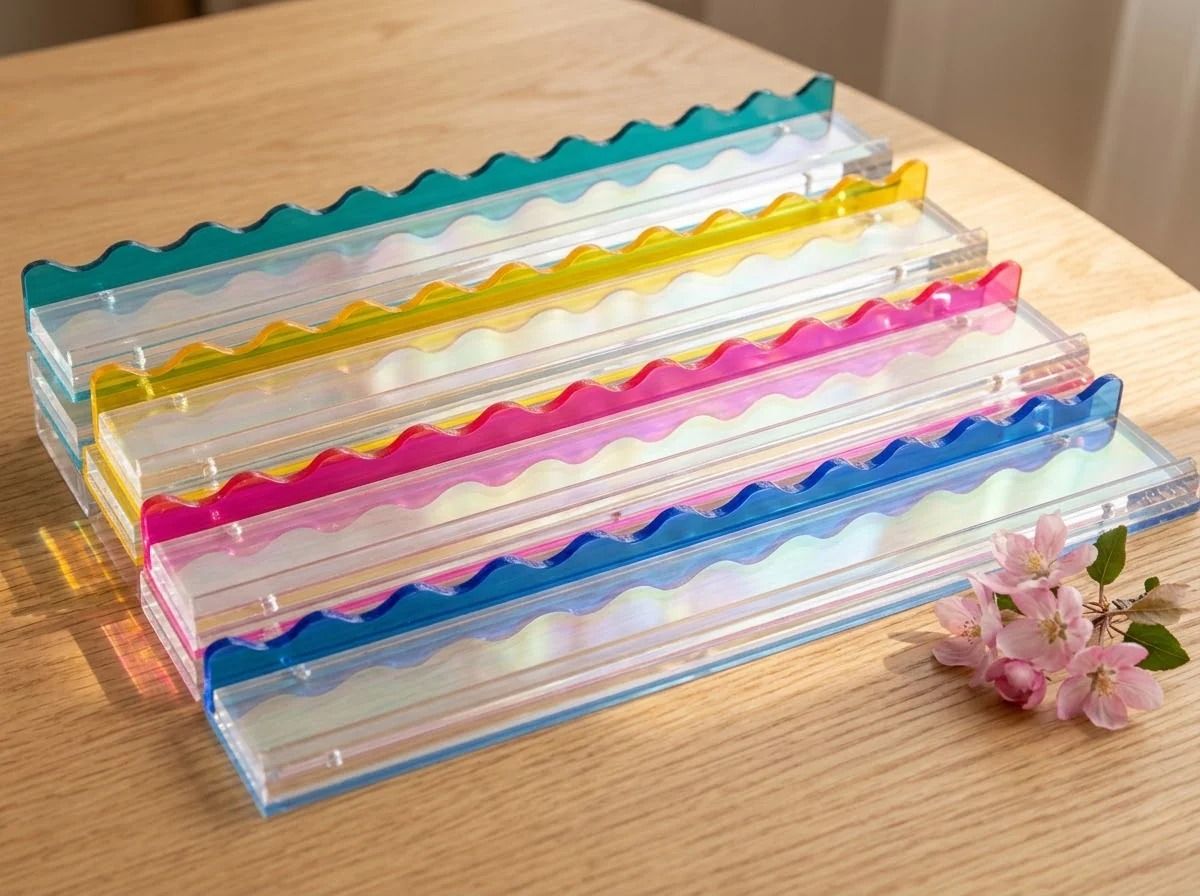
Storage: A good mat and case mean your tiles stay uniform; warped or faded tiles leak confusion and slow the game.
Real mistakes from our Tuesday night games
Mistake 1: Sarah threw three 3-tiles in a row (3 Bam, 3 Crak, 3 Dot) and didn't realize it was a pattern. Within two turns, the player opposite recognized she was cleaning her hand and called a 3 Dot pung on her—winning hand. Sarah never exposed a single pung; the discard pattern alone was the leak.
Mistake 2: James exposed a Red Dragon pung early (around turn 5) because he'd picked all three fast and panicked he'd forget them. Three turns later, someone called the fourth Red Dragon as a joker—there is no fourth Red Dragon in standard play, so James's exposure triggered a rule dispute and cost the table 20 minutes.
Mistake 3: Michelle held her card visible the entire game. We could see her eyes dart to the same section every third turn: Dragons and Flowers. By turn 10, we all knew her hand had at least two Dragon pungs. She never won because we blocked every Dragon discard.
The lesson: slow down, vary your tells, and keep your card close.
How defense connects to scoring
Scoring in American mahjong rewards hands that are harder to block—hands that use rare tiles or unusual patterns from the current year's card. Defense is the counter: the better you read opponents' hands and block them, the more often you're the one left with a hand that pays off. Defensive mastery = fewer rounds where you fold, more rounds where you silence the table because your discards were flawless.
🀄 Shop best-selling mahjong sets →
FAQ
Is it cheating to intentionally throw a false suit order to confuse opponents?
No. Throwing tiles in random order is legal and expected at advanced tables. Writing down information, signaling with your body, or colluding with another player is cheating. Misdirection through discard order is strategy.
How do I know if a tile is dead if I can't see all four copies?
You don't—treat it as live. Only discard a tile confidently if you've personally verified all three remaining copies in discards or exposed sets. If you've seen two copies and can account for the fourth (someone melded it but doesn't show a full pung), it's still live.
Why shouldn't I expose a pung early?
Exposure tells the table you're no longer flexible with those tiles. You're locked into one hand type. Opponents can now ignore that suit or number and focus their blocks elsewhere, making your backup hand options visible.
What's the best defense against someone who always throws Flowers early?
Flowers are high-value and often critical. If a player always discards Flowers within the first five turns, she's signaling those aren't in her working hand—likely she pulled them from the wall naturally and doesn't need them. Treat Flowers as less dangerous when she throws them; save your own Flowers longer.
Should I memorize my card before the game starts?
Yes. Memorize 2–3 hand options you might pursue based on your opening 13 tiles. During play, checking your card should be rare and fast—only when you've picked a tile that opens a new possibility you didn't expect. Frequent card-checking leaks information.
If someone else wins, should I stop paying attention to defense?
Never. The next dealer is you, East, or another player—and a new hand is dealt within seconds. Distracting yourself gives the next winner more space to hide their strategy. Stay alert every round, even after a loss.


View More
View More
View More
