
Mahjong Classes for Beginners in Nashville: Where to Start
Last updated: Nov 23, 2026
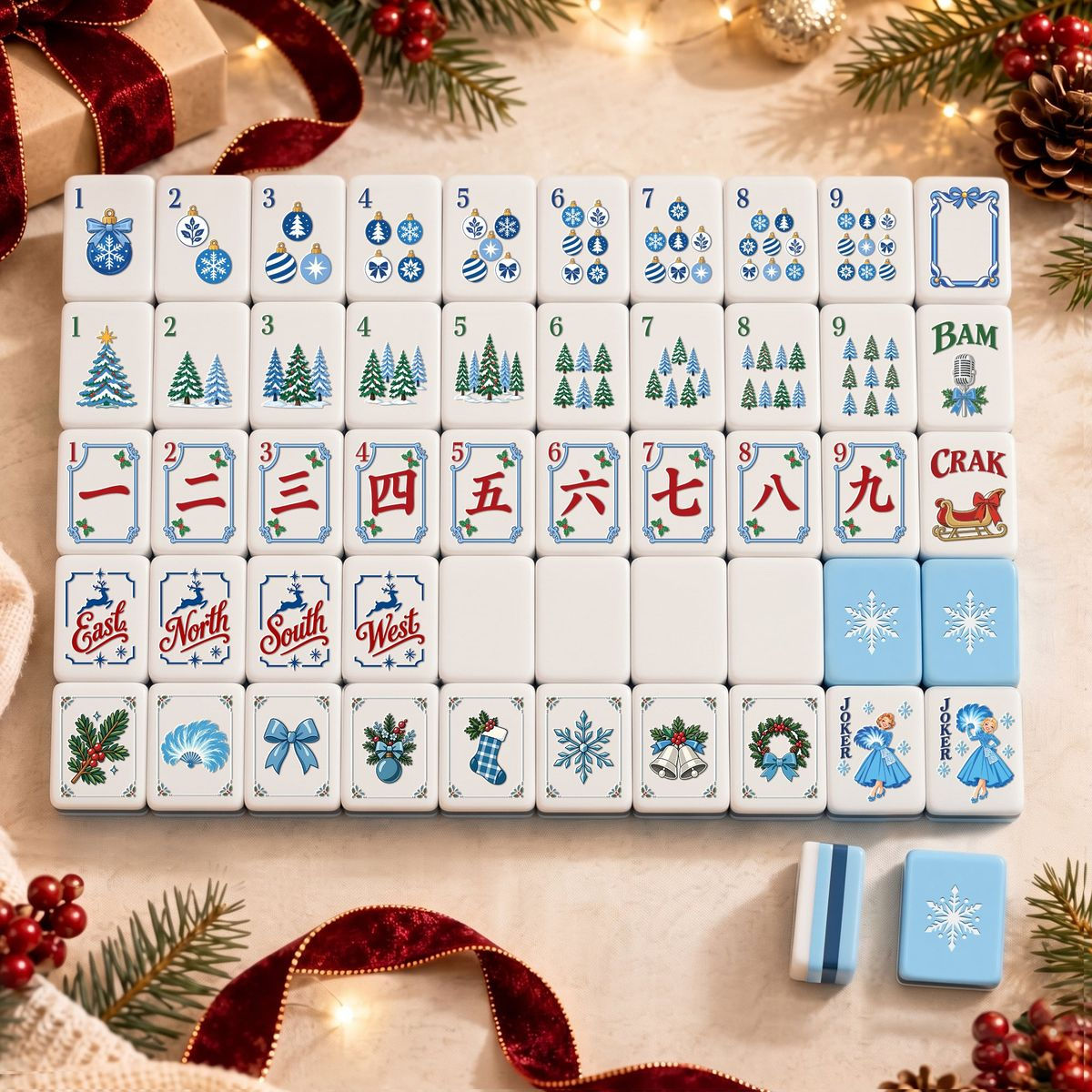
Nashville beginners can find mahjong classes through community centers (check the Parks and Recreation Department's class listings), public libraries (many offer instruction or club meetings), country clubs, synagogues, and Meetup.com group boards—search "mahjong Nashville" for active weekly groups. Classes typically run 4–8 weeks (one to two hours per session) and cover tile recognition, the Charleston pass, hand patterns from the current National Mah Jongg League card, and basic scoring. Most beginner groups play American mahjong (152 tiles, four players). Ask whether the class provides tiles or requires you to bring your own; if you need to buy, our best-selling mahjong sets work for any skill level. Avoid "learn in one session" promises—mahjong takes practice—and clarify whether the group plays for fun or stakes before joining. --- 🀄 Shop best-selling mahjong sets →
Where do Nashville community centers hold beginner mahjong?
Nashville's Parks and Recreation Department runs classes at multiple recreation centers throughout the city. Call ahead to confirm current session dates, as classes rotate seasonally. Libraries—especially the main branch and larger branch locations—host both formal instruction and informal mahjong clubs on weekday evenings; staff can direct you to current meetup times. Jewish Community Centers and synagogues often offer mahjong lessons as social activities open to all backgrounds. Start by visiting the Parks and Rec website or calling your nearest library reference desk to ask "Do you host or know of mahjong classes?" This is faster than searching online.

What's actually taught in a beginner mahjong class?
A solid beginner class covers tile names (Bams, Craks, Dots, winds, dragons, flowers), how to recognize them quickly, the four-player Charleston tile-passing sequence, and how to read the current year's National Mah Jongg League card to identify winning hand patterns. Instructors teach players to count tiles, manage their rack, and understand why American mahjong has no sequences—only sets of three or four identical tiles. Most beginner courses avoid scoring complexity in week one; they focus on the ritual, the card, and one winning hand. A good teacher will drill hand recognition because speed matters when fourteen players have tiles moving. Expect homework: reviewing the card at home between sessions dramatically speeds your learning.
How much do Nashville mahjong classes typically cost?
Community center classes through Parks and Recreation generally cost between standard recreation activity rates—call your local center for current pricing. Library programs are usually free or low-cost (donations welcome). Private instructors set their own fees; ask directly. Many groups require no class fee but ask players to buy their own tile set if they plan to continue beyond the trial session. Clubs that meet weekly at homes or cafes charge nothing except a small pot if playing for stakes (clarify stakes beforehand; many fun groups play for zero money). Factor in a complete tile set for home practice: our best-selling mahjong sets are the standard starter choice for Nashville players.
✨ Find your Mahstead set — free US shipping →
Do I need to buy a mahjong set before class?
Ask your instructor or group organizer first—some beginner classes provide sets for the first session so you can try before buying. If the class meets weekly and expects you to own tiles, purchase one before or immediately after week one so you can practice at home. American mahjong requires a 160-tile set (152 playing tiles plus extras), and having your own set lets you drill hand recognition and speed on the card between sessions. Many Nashville players who stay with the game invest in an engraved set or one with a matching mat and rack for home games after their class ends. Starting with a standard acrylic set works perfectly; save upgrades for later if you fall in love with the game.
What should a beginner mahjong player bring to their first class?
Bring a notepad, pen, and your phone or camera to photograph the National Mah Jongg League card (or download a digital copy beforehand). Most instructors provide a card printout, but having your own copy lets you study before class. Wear comfortable clothes—games can run two hours, and you'll be sitting at a table. Don't bring money unless the group explicitly plays for stakes; ask before you arrive. If the class provides tiles, show up five minutes early so you can ask questions. If you're bringing your own set, arrive fifteen minutes early to set up and check that your tiles are complete. Some Nashville players bring a small mahjong bag for transport; this isn't essential for a first class but becomes handy if you attend multiple locations.
🎁 See our most-loved mahjong sets & accessories →

Choosing Your First Mahjong Experience: A Quick Decision Map
You want to… | Best Nashville option | What you'll need | Why this works |
Try mahjong free or very cheap | Check library or synagogue bulletin boards for open meetups | Possibly bring a tile set, or use theirs | Zero financial risk; real players; no commitment |
Learn systematically in a structured class | Parks and Rec beginner course | One tile set (buy after week 1 if hooked) | Scheduled, taught, peer group for 4–8 weeks |
Jump into weekly games immediately | Meetup.com "mahjong Nashville" group | Your own tile set; learn the card fast | Social, ongoing, real play; assumes some tile knowledge |
Study alone then join a group | Buy a set, watch YouTube tutorials, read the card at home | One tile set + the current year's National Mah Jongg League card | Self-paced; less pressure; join a group when ready |
Finding the Right Beginner Group: Checklist Before You Enroll
Check these before you commit to a class or group:
Variant confirmation: Does it teach American mahjong (four players, 152 tiles, card-based)? Nashville plays almost exclusively American; confirm this is the style.
Time slot reality: Will you realistically attend weekly or multiple times a week? Gaps hurt your progress.
Tile provision: Will the class provide tiles, or must you buy a set before week one starts? (Budget for a complete set if buying.)
Card familiarity: Does the instructor use the current year's National Mah Jongg League card, or an older one? Using a different card ruins your ability to follow along.
Beginner honesty: Will there be competitive players mixed in, or is it truly beginner-only? New players learn better with peers at the same level.
Stakes or friendly: Does the group play for money, or for fun? Know this upfront so you're comfortable.
Instructor background: Is the teacher an active American mahjong player, or someone teaching from memory? Active players catch errors beginners make.
Nashville's beginner scene is welcoming. You'll find a fit by making one phone call to your local Parks and Rec center or library this week.
Understanding American Mahjong Before Your First Class
The beginner's guide to American mahjong covers the history, tile structure, and why American mahjong is simpler in some ways and more rigid in others than Asian variants. Reading it before class saves your instructor ten minutes of explanation. You'll learn why the Charleston (the tile pass before play starts) matters, how jokers work in exposed sets, and why you can only win from patterns printed on the card. This foundation means your first class clicks immediately instead of feeling overwhelming. Most instructors assume students have zero tile knowledge, but the ones who've prepared always learn faster and ask smarter questions.
✨ Find your Mahstead set — free US shipping →
What to Check Before You Buy Your First Mahjong Set
Once you've found a class and committed to a few sessions, buy a tile set. Here's what matters:
152-tile count: American mahjong uses exactly 152 playing tiles. Ensure the set contains all four copies of each tile number and type. Our best-selling sets ship complete and verified.
Tile size and weight: Standard American tiles are roughly 1 inch × 1.3 inches. Too small and your hands tire; too large and you can't manage them quickly. Acrylic tiles are durable and affordable for beginners.
Rack system: Many beginners underestimate the value of a rack with pushers. A good rack keeps your tiles organized and hidden from opponents; pushers make draws effortless. This is worth the investment.
Mat or table: A mahjong mat with marked positions, walls, and a central zone prevents disputes and speeds play. It's optional for learning but becomes essential once you host home games.
Bag for transport: If you're attending multiple Nashville locations, a durable bag protects your set during commutes.
Starting simple is smart. You don't need engraving or luxury materials for your first set; a standard acrylic set lets you master the game before investing in heirloom gear.

FAQ
I've never played any tile game. Is mahjong too hard for a beginner in Nashville?
No. American mahjong is more accessible than you'd think because it's card-based (you win specific patterns shown on paper, not memorized combinations). Most Nashville beginners grasp basic play within two to three sessions. Practice between classes speeds your confidence. Expect to feel slow the first month; that's normal.
Are there online mahjong classes I can take first before trying in-person Nashville classes?
Online lessons exist, but they can't replace live play. You learn speed, tile handling, and social rhythm only at a table. Use online videos to preview the game; then jump into a Nashville class. Most local instructors are welcoming to people who've watched tutorials.
What's the difference between American, Chinese, and Hong Kong mahjong? Which does Nashville teach?
American mahjong uses 152 tiles, four players, card-based hands, and no sequences (only sets of identical tiles or runs of special tiles). Chinese and Hong Kong variants use different tile counts and rule sets. Nashville plays almost exclusively American. Stick with American in your first class to avoid confusion.
Can I play mahjong with just two or three people instead of four?
American mahjong is designed for four players. Two and three player variants exist with modified rules, but they're not the standard. Nashville classes and groups teach the four-player game. Ask your instructor if they offer occasional three-player sessions for practice.
How long does it take before I can play a full game without stopping to ask questions?
Most beginners manage a full two-hour game without stopping around week 4 or 5 of class. You'll still be slow at recognizing hands on the card, but the rhythm clicks. Speed comes after a few months of weekly play. Don't rush yourself; every Nashville player started here.
Should I join a group that plays for small stakes, or only play for fun?
Both are common in Nashville. If money adds fun for you and everyone stakes are low and agreed upfront, go for it. If stakes stress you, stick with friendly play. Your confidence grows faster in a low-pressure game. Switch to stakes later if you want.


View More
View More
View More
