
Mahjong Classes for Beginners in Memphis: Where to Start
Last updated: Nov 23, 2026
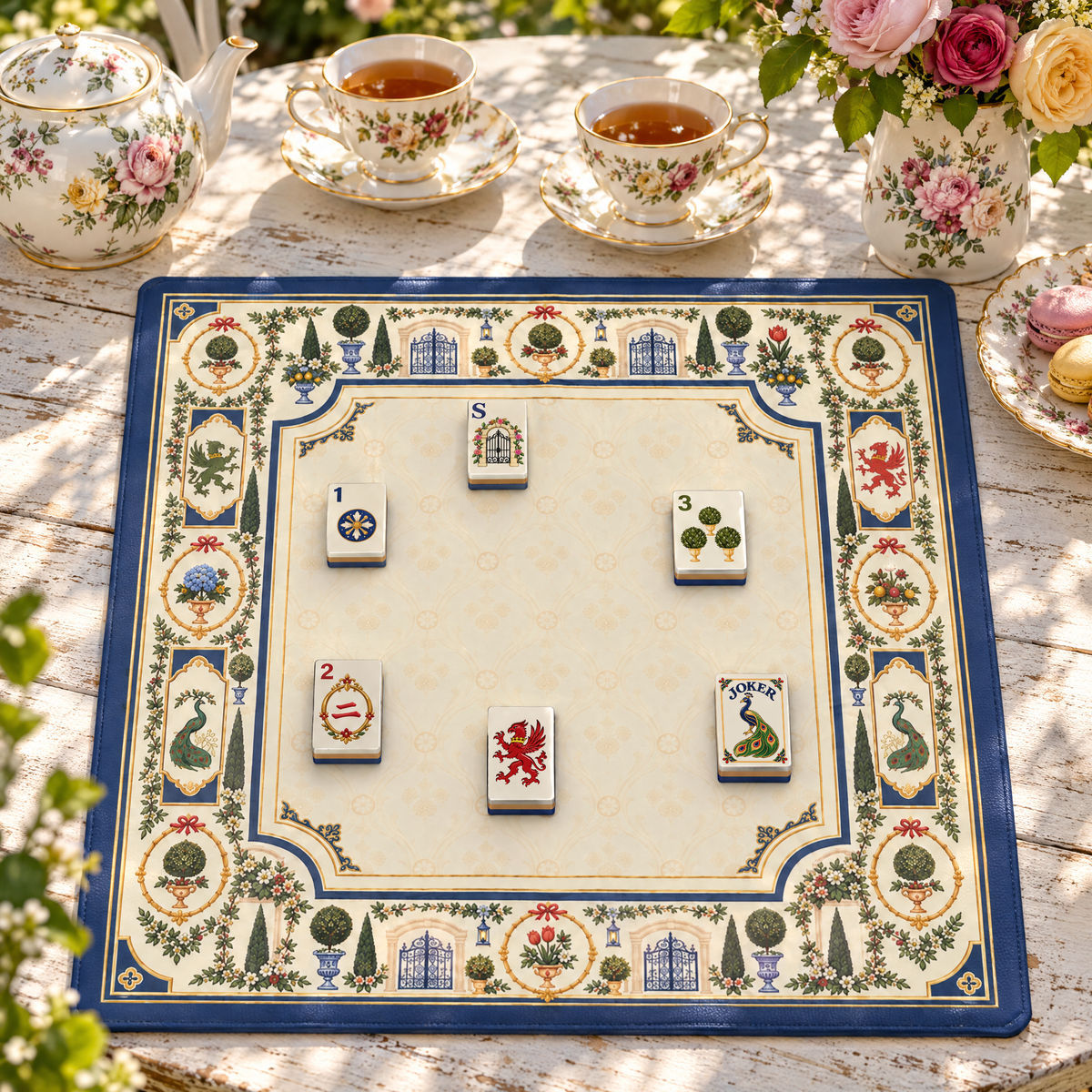
Memphis offers beginner mahjong instruction through public libraries (check their events calendar), community centers, synagogues, and country clubs—typically meeting weekly or monthly for 1–2 hours per session. Most classes teach American mahjong, which uses 152 playing tiles, the National Mah Jongg League card for hand patterns, and a pre-game tile-passing ritual called the Charleston. Classes rarely cost more than a small drop-in fee or are free; bring nothing—instructors provide tiles and cards. The learning curve is steep for the first 4–6 weeks (rules, hand reading, strategy), but casual play becomes fun immediately. Avoid classes that skip the Charleston or use outdated card versions; ask whether they follow current National League rules. Start by calling your local library or searching community-center websites for "mahjong" in the activities section, or check Meetup boards for weekly game groups that welcome beginners.
Memphis has thriving mahjong communities in libraries, community centers, and synagogues—typically meeting weekly or monthly for 1–2 hours per session. Most classes teach American mahjong, which uses 152 playing tiles, the National Mah Jongg League card for hand patterns, and a pre-game tile-passing ritual called the Charleston. Classes rarely cost more than a small drop-in fee or are free; bring nothing—instructors provide tiles and cards. The learning curve is steep for the first 4–6 weeks (rules, hand reading, strategy), but casual play becomes fun immediately. Avoid classes that skip the Charleston or use outdated card versions; ask whether they follow current National League rules. Start by calling your local library or searching community-center websites for "mahjong" in the activities section, or check Meetup boards for weekly game groups that welcome beginners.
Where do most Memphis beginners find mahjong classes?
Memphis public libraries often host mahjong groups or can direct you to one; call ahead or visit the main branch website to check event calendars. Community centers in Midtown and East Memphis frequently offer game nights that include mahjong. Synagogues and Jewish community centers typically host weekly games and welcome new players. Country clubs sometimes offer lessons in their game rooms. The easiest start: search "mahjong Memphis" on community-center websites, call the library reference desk, or ask on local Meetup for "game night" or "mahjong group." Most welcome beginners without advance notice, though arriving 10–15 minutes early helps.

What should you expect in your first class?
Your instructor will explain that American mahjong uses four players, 152 tiles (Bams, Craks, Dots, winds, dragons, flowers, and jokers), and hands from the current National Mah Jongg League card—not sequences you build yourself like in Chinese mahjong. The first 30 minutes cover tile names, hand structure, and how the Charleston works (the pre-game tile pass). Then you'll sit at a table, receive 13 tiles, pass tiles left-center-right in a set pattern, and play a hand or two with live coaching. You won't win, but you'll understand the flow. Most groups play 2–4 hands per session (each hand takes 15–30 minutes). Bring a notebook; hand patterns look random at first but become recognizable after 4–6 weeks of weekly play.
🀄 Shop best-selling mahjong sets →
How do American mahjong rules differ from what you might know?
American mahjong has no "chows" (sequences like 1-2-3 that you can call or expose); you can only expose pungs (three identical tiles), kongs (four identical), and longer runs if they appear on the card. Jokers are wild but can't be the only tile in a pair or single in a hand. The card changes every spring, so this year's winning hands are different from last year's—all 152 hands on the card are designed to keep the game fresh and challenging. If you've played Chinese, Hong Kong, or Riichi mahjong, expect very different hand shapes, scoring, and pacing. The American version emphasizes hand-reading and speed over long strategic builds. Learn more in our how-to-play guide.
What do you need to bring or know before attending?
Bring nothing except a notebook and a willingness to learn. Your instructor and classmates provide everything: tiles, card, reference sheets. If you want to practice at home, you'll eventually want your own set; our best-selling American mahjong sets come with tiles, card, and instructions. Know your learning style: if you're visual, ask for a printed card copy you can mark up; if you're kinesthetic, ask to handle tiles during teaching. Wear comfortable clothes—you'll sit for an hour or more. Ask whether the class uses pencil-and-paper scoring or an app; most use paper. Arrive a few minutes early the first time so you don't disrupt the table.
🎁 See our most-loved mahjong sets & accessories →

What's the fastest path from beginner to confident player?
Attend the same group weekly for 8 weeks if possible—consistency beats sporadic visits. In weeks 1–4, focus only on tile names, hand structure, and Charleston mechanics; don't memorize the card. In weeks 5–8, start recognizing 5–10 common hand patterns from the card by sight. After 8 weeks, you'll play a full hand without coaching and feel the game's rhythm. By week 12, you'll predict tiles, spot errors, and enjoy the strategy. Speed comes naturally; forcing it creates frustration. Play only for fun (no money), which keeps the atmosphere friendly and lowers pressure. Most players take 3–6 months to play without constant card-checking.
Milestone | Weeks | What you'll do | Common mistake |
Tile fluency | 1–4 | Name tiles, pass in Charleston | Rushing to memorize all 152 hands |
Pattern recognition | 5–8 | Spot 5–10 card patterns by look | Ignoring hand structure, guessing tiles |
Hand-play confidence | 9–12 | Draw, discard, call without help | Calling too aggressively; missing safe tiles |
Strategic play | 12+ | Predict opponents' hands, block tiles | Playing fast but wild; no tile safety |
How do you choose the right class for your learning style?
If you're detail-oriented, find a group with an instructor who hand-out written rules and walks through one full game. If you learn by doing, find a group that plays immediately with live correction—messier but faster. If you're anxious about making mistakes, choose a beginner-only group or ask the instructor to pair you with a patient regular. Check whether the class uses the current year's National Mah Jongg League card (the card changes every spring; using an old card teaches outdated hands). Ask how long most beginners play before feeling comfortable; if the answer is "one class," that group may be mixing advanced players and not slowing for new learners. Size matters: groups of 6–12 beginners are ideal; more than 20 feels chaotic for a first-timer.
✨ Find your Mahstead set — free US shipping →
What to check before you buy your own set
Once you've played 4–6 times and know you love the game, buy a personal set. Our guide to American mahjong sets walks you through quality, durability, and design. American mahjong sets are sold with 160 tiles (152 for play + spare tiles for replacement). Choose acrylic if you want low-maintenance tiles that feel smooth and last decades; bamboo/bone sets look beautiful but require more care. Decide on size: standard tiles (about ½ inch wide) fit most hands, but larger hands prefer oversized. Consider a mat (protects your table and organizes the hand) and racks with pushers (keeps tiles organized and speeds play). Browse all essential accessories to build your home-game setup.
Finding the right beginner's group: a quick checklist
[ ] Location is 10–20 minutes from your home (convenience builds habit)
[ ] Meeting time suits your schedule (weekly > monthly for learning)
[ ] Uses the current National Mah Jongg League card (issued spring 2026)
[ ] Instructor welcomes absolute beginners and plays with them
[ ] Group size is under 20 (easier to focus)
[ ] No money changes hands (fun, not gambling)
[ ] You can observe one full hand free before committing
[ ] Instructor explains the Charleston and hand structure in first 30 min

FAQ
Is American mahjong harder than Chinese mahjong?
American mahjong has stricter rules (no sequences you can call, hand patterns from the card only, joker limits) but plays faster. Most players find American rules clearer once past week 2; Chinese rules feel more open but harder to memorize early on.
Can I learn from videos instead of a live class?
Videos help with tile names and hand structure, but live play teaches speed and decision-making that video can't convey. Combine a video intro (for comfort) with one live class; most players need in-person practice to move past confusion.
What if I'm the only left-handed player?
Tile passing and hand-building work fine for left-handed players with no changes. The Charleston tile-pass is the same for everyone. Position yourself so racks don't crowd your neighbor, but hand orientation is purely personal comfort.
How much does it cost to join a class in Memphis?
Most groups charge nothing or a small drop-in fee (often $2–5 per session). Some synagogues may require member status or charge a guest fee. Call ahead to ask; cost is rarely a barrier to starting.
What if my first class feels too fast or too slow?
Speak up—instructors want to adjust pace. If it's too fast, ask to sit out one hand and observe before playing. If it's too slow, ask whether a more advanced group meets at another time. Most venues host multiple groups at different skill levels.
Do I need to own a set before trying a class?
No. Classrooms always provide sets and cards. You only buy your own set if you plan to host home games after learning, or if you want to practice solo. Our mahjong collections include all skill levels and budgets.
How do I tell if a group uses the right rules?
Ask whether they follow National Mah Jongg League rules and use the current year's card. If the instructor says "we make up our own rules" or uses a card from before 2025, that's not American mahjong—it may be fun but it won't teach you what others play.


View More
View More
View More
