
Mahjong Classes for Beginners in Madison: Where to Learn & Play
Last updated: Nov 23, 2026
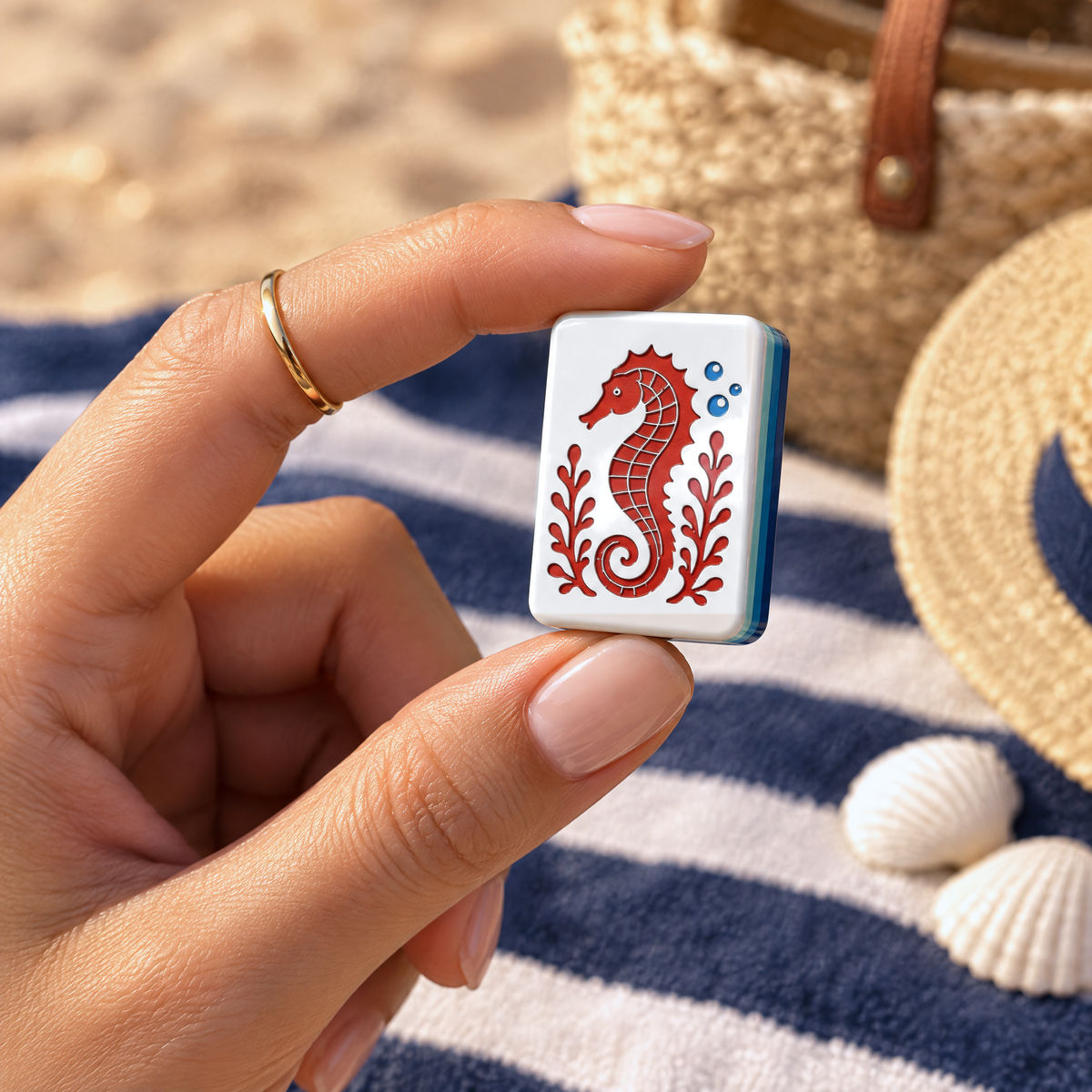
Madison beginners can find mahjong classes through community centers (check the Parks & Recreation department), public libraries (many offer free or low-cost workshops in collaboration with local clubs), senior centers, synagogues, and country clubs with active mahjong groups. Private instructors also advertise through community boards and online meetup platforms. Classes typically meet weekly or monthly for 60–90 minutes; most cover American mahjong using the National Mah Jongg League card and teach the Charleston (tile-passing ritual), pung/kong exposure, joker rules, and basic scoring. Plan for 4–8 weeks of play before you read the card fluently; a 160-tile best-selling acrylic set with clear markings accelerates learning. Avoid classes that mix American and Chinese rules in one session—confirm the variant before enrolling.
Madison's growing mahjong community reflects a national trend: tile games that once seemed niche now fill community calendars. Whether you're drawn to the social ritual, the strategic depth, or family tradition, finding the right beginner class shapes your first months of play.
How do I find mahjong classes in Madison?
Start with your city's Parks & Recreation website—many departments host mahjong workshops or can refer you to partner organizations. Public libraries often run free or low-cost beginner clinics, particularly if they share space with an existing mahjong club. Senior centers (even if you're not retirement-age, some open classes to all adults) are reliable hubs; staff can connect you to private instructors too. Call or visit country clubs, synagogues, and community centers directly—they may not advertise classes online, but active groups meet there regularly. Meetup.com and Facebook community boards also list Madison game nights and beginner sessions. Ask your library or community center if they sell or rent sets; many beginners buy before they're sure they'll commit, so borrowing a class set first is smart.

What's the difference between American mahjong and other variants?
American mahjong uses 152 playing tiles plus 8 jokers and relies entirely on hands printed in the current year's National Mah Jongg League card—you cannot improvise hands or play from memory. Pungs (three identical tiles), kongs (four), and higher combos can be exposed on the table; sequences (chows) cannot. Chinese mahjong allows chows, uses different tile counts, and has no card; play is improvised. Hong Kong variant uses a subset of Chinese rules and scoring. Riichi mahjong (Japanese) involves betting and a different melding system. Most Madison classes teach American mahjong because it's easier for social players: the card does the rule-keeping for you. If you see "Chinese" or "Riichi" specified, ask whether it's a dedicated variant night or a hybrid class. Stick with American mahjong fundamentals if you're brand-new—switching variants later is easy once you grasp core concepts.
What should I expect in my first class?
Your instructor will cover tile names (Bams, Craks, Dots, Winds, Dragons, Flowers), how to hold tiles on a rack, and the Charleston—the tile-passing ritual that starts every game. They'll explain exposed melds (showing your three-tile pung or four-tile kong when you complete it) and joker placement rules. Most classes play a few practice hands—your job is to listen, ask questions, and get comfortable with the rhythm of drawing, discarding, and calling. Bring a notebook; players often jot down which tiles discard early and which end-game tiles matter. One class is not enough to "know" mahjong—expect to feel lost until week three or four, when hand patterns start repeating. The social aspect (snacks, laughter, gentle teasing) is as much the point as strategy. Don't memorize the card on day one; focus on tile recognition, rack management, and the flow of a round.
What equipment do I need before my first class?
Most instructors provide class sets and mats, so you arrive empty-handed. If you want your own set for home practice or to join casual games after class, invest in a 160-tile acrylic set with engraved or printed tiles and a matching mat. Acrylic lasts through hundreds of games without wear, and clear printing makes tiles easy to read as a beginner. A rack with pushers helps you organize tiles and manage your hand without dropping pieces—many players graduate from "tiles on the table" to racks after a few weeks. A bag or case keeps your set clean and portable if you join a rotation of home games. Dice (usually included in sets) randomize wall breaks and winds. You don't need all of this to start, but if you fall in love with the game (most people do), these tools make weekly play less stressful.
🀄 Shop best-selling mahjong sets →

What skills take the longest to build?
Reading the National Mah Jongg League card fluently is the biggest mental hurdle. The card groups hands by pattern (Like Number, All Pungs, etc.) and sorts them by tile combination; beginners often stare at it for 30–45 seconds to find a hand. Muscle memory—knowing which tile you just saw discarded without looking back—develops over weeks. Recognizing when to pivot your hand (abandon your original target, chase a faster win) requires playing 20+ hands. Scoring and bonus point calls come later; most beginner classes simplify scoring in early sessions. The psychological shift—learning to read other players' discards and infer what they need—emerges once you stop focusing on your own hand. Set realistic expectations: you'll play "competently" (call melds, avoid gross rule breaks) in week 4 or 5; you'll play "strategically" (count discards, manage your own defense) after 8–12 weeks of regular play.
What mistakes do beginner classes most often make?
Mixing American and Chinese rules in one class confuses newcomers; confirm the rules before you enroll. Instructors who teach too much card detail too fast overwhelm students—focus on the hand structure first, then the card sections. Classes that don't require a practice Charleston before round one create chaos; the tile exchange feels random until you do it twice. Beginners who don't ask about joker placement rules later make costly errors (jokers can go in any position except a single tile or a pair). Forgetting that a pung must be three identical tiles (not three different numbers like 1–2–3, which is a sequence and illegal in American mahjong) leads to "accidental cheating." Instructors who don't enforce the rule that you can only play hands from the current year's card create confusion later when a player knows a hand that "should" work but doesn't. If your class glosses over these, ask for clarification—better to slow down now than argue later.
🎁 See our most-loved mahjong sets & accessories →
Beginner Learning Path | Time Commitment | What You'll Master | When to Buy Your Own Set |
Once-weekly class, 6–8 weeks | ~6–8 hours total | Tile names, Charleston, exposed melds, hand recognition | After week 3–4 if you join a home game |
Twice-weekly class or class + home practice | ~12–16 hours total | Card fluency, basic strategy, joker tactics | Before week 2 (builds confidence faster) |
One class + online tutorials (YouTube, blog guides) | 4–6 hours + self-study | Faster hand reading, strategic decision-making | Before or after class depending on learning style |
Private instructor (1–1 or small group) | Customized, typically 2–4 sessions | Fast track to competency; tailored to your questions | Instructor usually recommends at week 1 |
What to check before you buy a set
Once you commit to regular play, a quality set transforms home practice from frustration to pleasure. Check that tiles are acrylic (not bamboo or plastic blends, which fade and crack) and thick enough not to flex when you shuffle. Ensure markings are engraved or deeply printed—surface printing wears off after 50–100 games. Verify that the set includes a mat and racks with pushers; these aren't just luxuries, they're foundational tools for managing 13 tiles in your hand without neighbor collisions. Ask whether spare tiles (extra jokers and blanks) come with the set; most 160-tile sets include them for repair and host lending. Confirm the set includes two racks per player (you rotate racks to hide your draws from other players). Check bag or case material—canvas or padded nylon resists wear better than unlined fabric. If you plan to host games, verify that the mat is large enough for four racks and a central wall (typically 36–40 inches square). Best-selling sets bundle these essentials, saving you the assembly headache.
✨ Find your Mahstead set — free US shipping →
Madison's mahjong culture is growing because the game rewards patience, humor, and attention. Your first class is an invitation to join a community that has thrived for decades. Take it seriously enough to show up twice, lightly enough to laugh at your own mistakes, and socially enough to ask a seasoned player to coffee. The tiles will teach you the rest.

FAQ
How much does a beginner mahjong class typically cost in Madison?
Check your city Parks & Recreation website or library for current pricing; many offer free or sliding-scale classes. Private instructors vary widely. Call ahead rather than guessing—class fees are set by the institution, not by us.
Can I learn mahjong online instead of joining a local class?
Online guides and videos teach rules, but they can't replicate the social pace, live feedback, and practice rhythm of a classroom. Many beginners benefit from 2–3 classes to build confidence, then supplement with online resources. Start with a class if available.
What's the age range in Madison mahjong classes?
Classes vary; some are mixed age (20s through 80s), others cater to seniors or professionals. Ask the instructor or organizer directly about the typical cohort when you call. Social games often feel less formal and more welcoming than age-targeted ones.
Do I need to already know someone to join a class, or can I show up as a solo beginner?
Show up solo without hesitation. Mahjong classes exist specifically for people new to the game. Instructors and established players expect and welcome solo beginners. Arrive 5–10 minutes early, introduce yourself, and ask the instructor where to sit.
What happens after I finish a beginner class—how do I find ongoing games?
Ask your instructor or classmates about casual home games, club nights, or tournament play. Madison libraries and community centers often post flyers for ongoing game groups. Many friends meet weekly once the class ends. Ask for phone numbers and join a text chain.
Do I need my own set to attend class, or does the instructor provide one?
Instructors provide class sets. You don't need your own until you join home games or want to practice between classes. Wait 3–4 weeks before buying to confirm you enjoy the game; many beginners borrow sets at first.
Can mahjong classes teach me all four American mahjong variants (standard, like number, all pungs, etc.)?
Classes teach how to read hands from the card, but they don't teach each hand type individually—that would take months. You learn to recognize hand structure patterns, then the card does the rest. Expect 4–8 weeks to read most hands fluently.
Is American mahjong harder than Chinese mahjong?
American mahjong is easier for social beginners because the card enforces rules—you improvise less. Chinese mahjong requires memorizing hand patterns. If your class is American, stick with it; it's the more forgiving starting point.


View More
View More
View More
