
Mahjong Racks Materials Compared: Wood, Acrylic & Bamboo Guide
Last updated: Nov 23, 2026
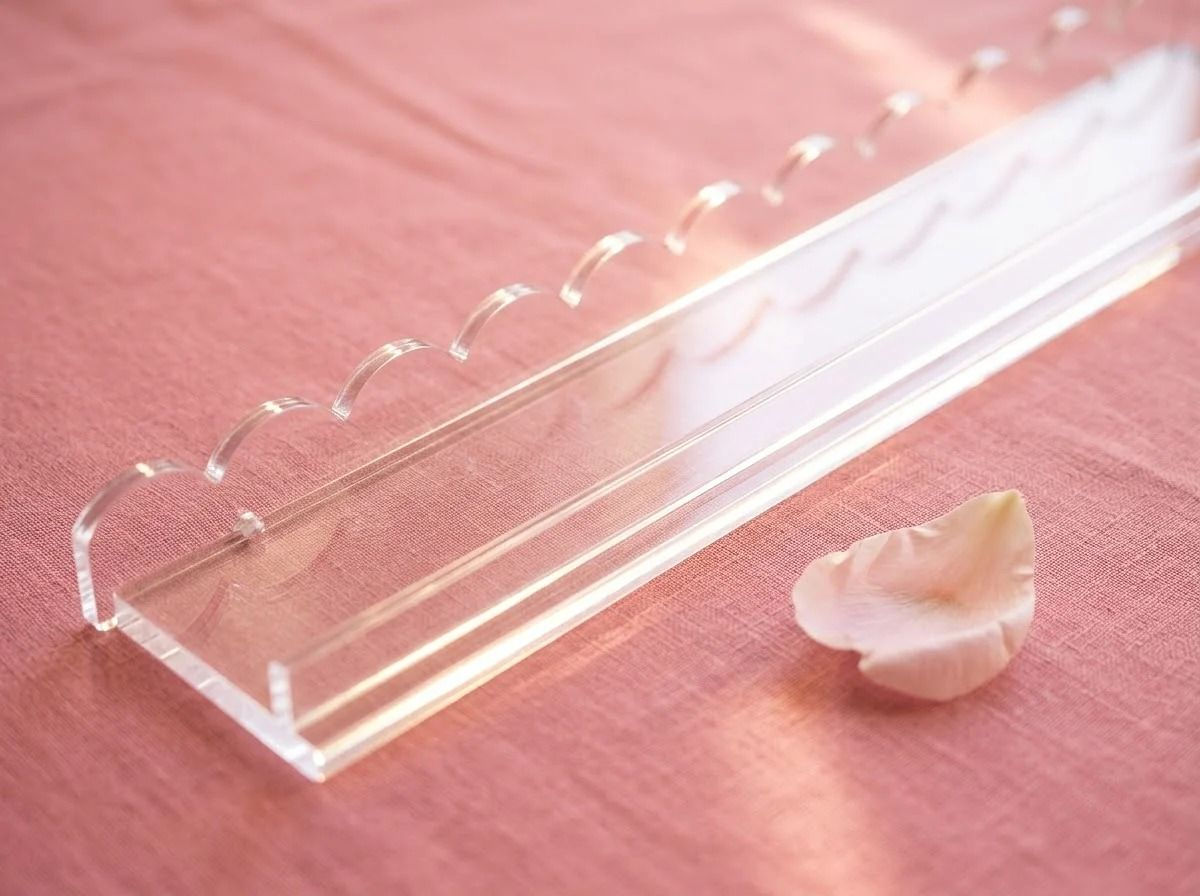
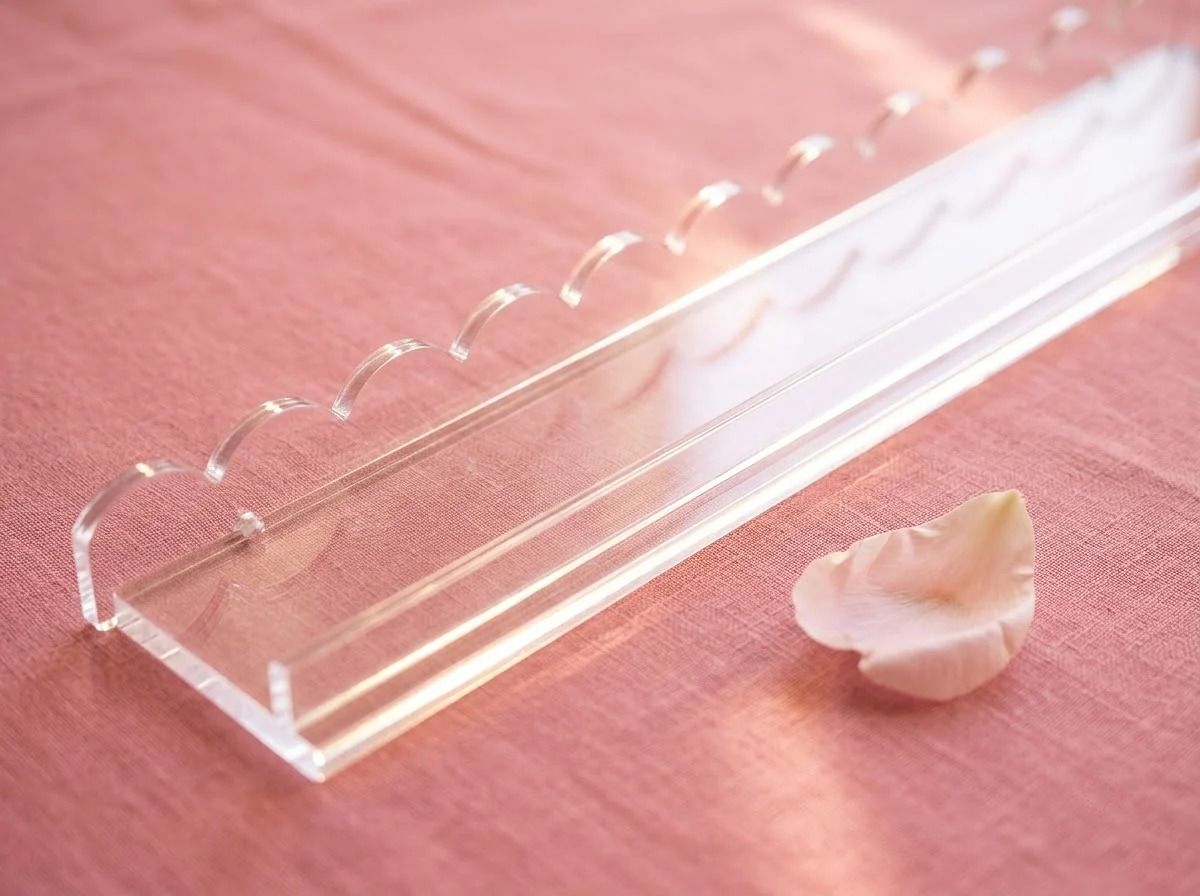
Mahjong racks hold your 13 tiles upright so you can see your hand without telegraphing your strategy to other players. They're made from wood, acrylic, or bamboo—each with distinct grip, durability, weight and feel. Wood racks (typically birch or pine) are warm to the touch, forgiving if dropped, and widely available; acrylic racks are lightweight, transparent, modern-looking and ideal for travel; bamboo splits the difference with eco-appeal and natural texture but can splinter over years of use. Choose based on whether you prioritize comfort (wood), portability (acrylic), or aesthetics (bamboo). Our best-selling mahjong sets often pair with acrylic racks because they're durable and coordinate with our engraved tile designs—the acrylic won't hide your custom artwork.
A rack serves one job: prop your tiles at a viewing angle so only you can see them, and cushion them from table vibration. The material underneath your tiles is where the real differences live.
Why does rack material matter for your game?
The material you grip shapes every hand you play—from shuffle speed to finger fatigue during a long session. A good rack keeps tiles stable, feels natural in your hands, and doesn't distract you from reading the wall or the card. Cheap or wrong-fit racks force tiles to slide, cramp your wrists, or absorb tile noise so loudly that everyone hears your movements. We've hosted weekly games for years, and we've watched players abandon plastic racks within a season because tiles kept tipping during the Charleston or when jokers were swapped mid-hand. Material also signals durability: will your rack survive a decade of weekly games, or will it warp, splinter, crack, or fade within a few years?
Which material feels best during long play sessions?
Wood (typically birch or hardwood plywood) is the traditional choice because it's warm, slightly grippy, and forgiving when you bump tiles or drop a rack. Your fingers don't slide on wood the way they do on smooth acrylic. A wooden rack absorbs some vibration from the table, so the game feels quieter and less jarring. Acrylic (cast or molded plastic) is slick and cool to the touch—some players love the modern feel; others find their tiles shift too easily, especially if the table is bumpy or if you're rearranging jokers frequently. Bamboo occupies the middle ground: it's textured like wood, stays cooler than solid hardwood, and has a natural, lighter aesthetic that appeals to players who want something between traditional and modern. Long play sessions (3+ hours) tend to favor wood or bamboo because hands stay comfortable; acrylic works best for shorter games or players who prefer minimal friction when swapping tiles.
🀄 Shop best-selling mahjong sets →
How do weight and portability differ across materials?
Material | Weight per pair | Portability | Best for | Travel-friendly? |
Wood | 8–12 oz | Moderate | Home games, comfort | No—bulky |
Acrylic | 4–6 oz | High | Travel, light luggage | Yes—compact |
Bamboo | 5–8 oz | Good | Balance seekers | Moderate |
Acrylic racks are 30–40% lighter than solid wood, which matters if you're carrying your set to a friend's house or a tournament. A pair of wooden racks can add noticeable weight to a bag, especially alongside a full tile set, mat, and dice. Bamboo splits the difference—lighter than wood but heavier than acrylic, so it's a practical pick if you play both at home and away. If you travel weekly or attend competitions, lightweight acrylic racks with pushers make sense; if you play exclusively at home, wood's comfort advantage outweighs the weight penalty. Pack a pair of acrylic racks in a travel-ready mahjong bag and you'll barely notice the difference from carrying only your tiles.

What happens to each material over 2–5 years of weekly play?
Wood can warp if stored in humid environments or near heat sources; it also absorbs spills and can develop dark stains or mold if not dried quickly. However, solid hardwood racks rarely crack or break unless dropped on concrete. A wooden rack that's been played with for five years looks lived-in but functional. Acrylic can become cloudy or develop hairline cracks from repeated stress (especially at the base where tiles press downward), and it can yellow slightly in direct sunlight. Dropped acrylic racks sometimes shatter. Bamboo is prone to splintering at the edges after heavy use, and the finish can dull; unlike wood, it's harder to refinish, so a splintered bamboo rack stays rough. We've also seen bamboo warp in humid climates, similarly to wood. None of these outcomes are deal-breakers for casual players, but they matter if you're investing in equipment you expect to last a decade. Solid hardwood is the longevity champion.
🎁 See our most-loved mahjong sets & accessories →
How do racks coordinate with your tile set and table setup?
If you own engraved American mahjong sets with custom artwork on each tile, acrylic racks let that design shine through—the transparency means you see the full tile face even while it's propped. Wood and bamboo racks hide the tile edges, so the engraving is less visible from certain angles. On a modern mahjong mat, acrylic racks look sleek and contemporary; on a traditional silk or felt mat, wooden or bamboo racks feel more cohesive. Bamboo also works beautifully with eco-conscious mat designs. If your table is a natural wood finish, wooden racks blend seamlessly; if it's glass or modern surfaces, acrylic feels more at home. The rack isn't just functional—it's part of your setup's visual identity, so choose material that complements your tiles, mat, and aesthetic.
What to check before you buy a rack
Dimensions: Racks hold 13 tiles standing upright. Measure your tiles' width (typically 1–1.2 inches for American Mah-Jongg tiles); confirm the rack's tile grooves are wide enough that tiles don't jam or tilt. A rack that's too narrow forces you to angle tiles awkwardly.
Base angle: A 30–40-degree angle is standard so you can see your tiles without lifting your arms awkwardly. Shallow racks (under 25 degrees) don't hide your hand from neighbors; steep racks (over 45 degrees) tire your hands during long sessions.
Rubber feet: Check if the base has non-slip feet or felt. Smooth acrylic bottoms slide on certain tables, which is annoying mid-game.
Pusher compatibility: If you use racks with pushers, ensure the pusher mechanism fits the rack's design. Some pushers are universal; others are material-specific.
Price and pairs: You need two racks per player (one for concealed hand, one for exposed melds). Budget accordingly—acrylic racks are typically cheaper per pair than solid wood, but you'll buy two pairs for a four-player game.
✨ Find your Mahstead set — free US shipping →
When to replace your racks: If tiles are sliding, cracking visibly, or splintering, it's time to upgrade. Cracks in acrylic compromise strength; splinters in bamboo are a safety hazard; warped wood won't hold tiles evenly. A worn rack can frustrate your entire game, so don't tough it out.

FAQ
Can I use a wood rack with acrylic tiles or vice versa?
Yes. Material compatibility is about grip and aesthetics, not function. Acrylic tiles work fine on wood racks (in fact, that's a classic pairing), and wooden tiles work on acrylic racks. The real question is comfort and look, not whether they "work together."
Which material is best for humidity-heavy climates?
Acrylic is most stable in humid or warm environments because it doesn't absorb moisture or warp. Wood and bamboo both expand and contract with humidity, so they're riskier in basements, kitchens, or tropical climates unless stored in airtight cases.
Do racks with pushers come in all materials?
Yes, though acrylic and wood are most common. Pushers are mechanical inserts that slide tiles forward when you release a button, speeding up tile swaps. Confirm the pusher mechanism fits your chosen material before ordering.
How much should I expect to spend on a good rack?
See current price on the product page. Prices vary by material and whether the rack includes pushers. Compare two pairs per set (for a full four-player game) when budgeting.
Are bamboo racks eco-friendly?
Bamboo grows faster than hardwood and requires fewer chemicals to harvest, so it's a more sustainable material. However, durability matters: a bamboo rack that splinters within two years has a shorter lifespan than a hardwood rack you'll use for a decade, so longevity is part of the environmental equation.
Can I refinish or repair a scratched wooden rack?
Light scratches on wood can be sanded and stained or sealed. Deeper gouges or cracks are harder to fix without professional woodworking. Acrylic cracks can't be repaired; bamboo splinters can sometimes be filed smooth, but the texture is permanently altered.


View More
View More
View More
