
Mahjong Classes for Beginners in Louisville
Last updated: Nov 23, 2026
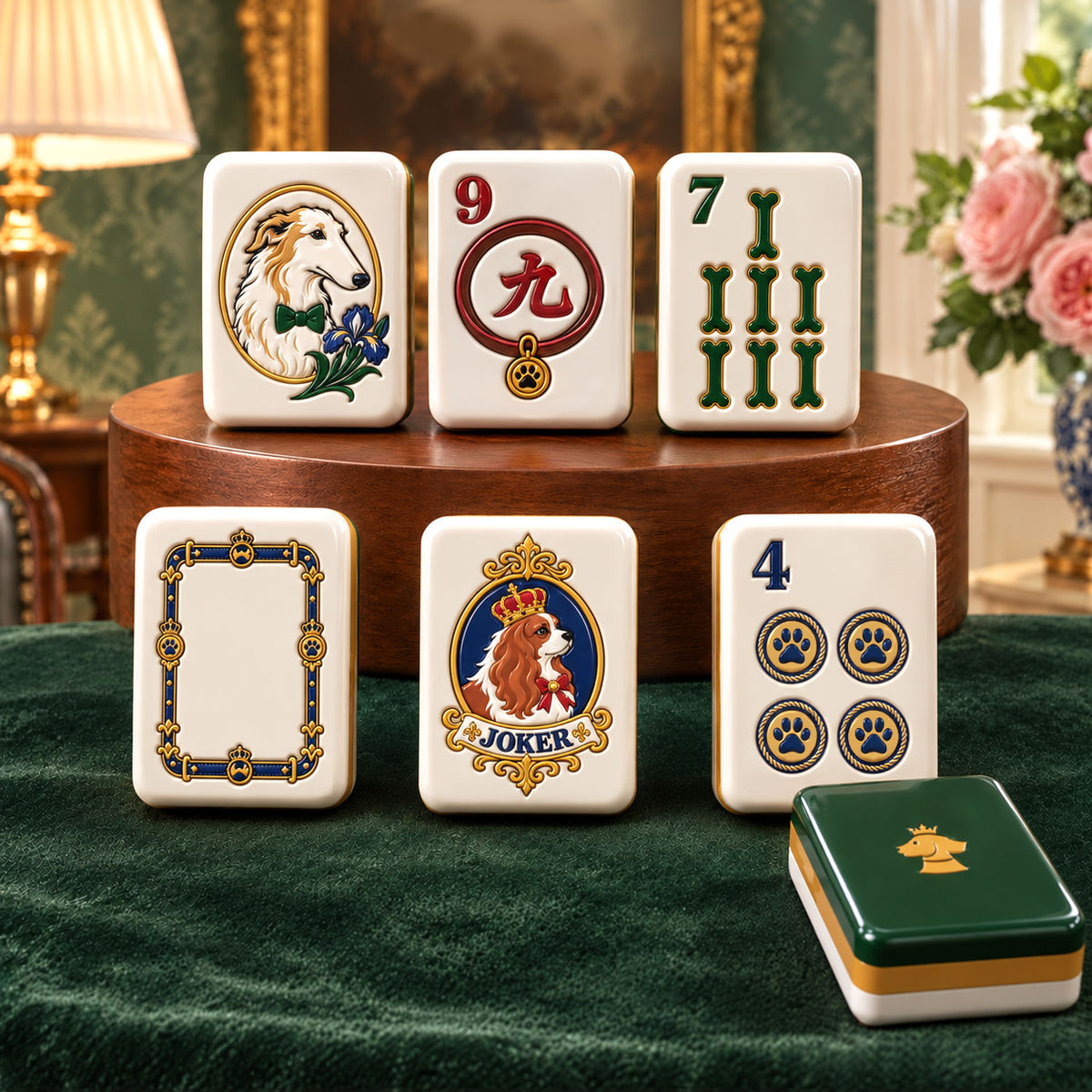
Louisville beginners can find mahjong instruction through community centers, libraries, synagogues, country clubs, and private instructors advertised on local meetup boards and Facebook groups. Classes typically run 4–8 weeks, meeting once weekly for 2–3 hours, and cost varies by instructor and venue. Most beginner courses cover tile recognition, hand-reading from the National Mah Jongg League card, the Charleston (the tile-passing ritual), and basic game flow. American mahjong uses 152 tiles—three suits (Bams, Craks, Dots) numbered 1–9, winds, dragons, flowers, and jokers—and plays only hands from the current year's card. Before enrolling, confirm the class teaches American (not Chinese or Hong Kong) rules, verify the instructor uses the current year's League card, ask whether sets and mats are provided or if you must bring your own, and find out the group size. We recommend our best-selling mahjong sets if you need to acquire your own equipment.
Louisville has multiple pathways to learn American mahjong as a beginner, from community centers to libraries, synagogues, country clubs, and private instructors advertised on local meetup boards and Facebook groups. Classes typically run 4–8 weeks, meeting once weekly for 2–3 hours, and cost varies by instructor and venue. Most beginner courses cover tile recognition, hand-reading from the National Mah Jongg League card, the Charleston (the tile-passing ritual), and basic game flow. American mahjong uses 152 tiles—three suits (Bams, Craks, Dots) numbered 1–9, winds, dragons, flowers, and jokers—and plays only hands from the current year's card. Before enrolling, confirm the class teaches American (not Chinese or Hong Kong) rules, verify the instructor uses the current year's League card, ask whether sets and mats are provided or if you must bring your own, and find out the group size.
🀄 Shop best-selling mahjong sets →
Where Do Louisville Beginners Actually Find Mahjong Classes?
Most structured instruction in Louisville comes from community centers, public libraries, and synagogues, which post schedules online and accept walk-in registrations. Country clubs and golf clubs often host afternoon sessions for members. Private instructors advertise on Meetup.com, Facebook community groups focused on hobbies or retired activities, and Nextdoor. Call your local library's reference desk—librarians track local instruction better than any website. Check synagogue bulletin boards and websites; mahjong is particularly common in Jewish community spaces. If you find a meetup group, lurk for one week before asking; group admins often point newcomers to upcoming beginner cohorts. Join Louisville-focused hobby and games Facebook groups and ask directly.

What Should You Expect in Week One?
Your first session covers tile anatomy: the three suits (Bams, Craks, Dots), winds (North, East, South, West), dragons, flowers, and how jokers work. The instructor will teach you to hold 14 tiles in a rack and recognize the difference between a pung (three identical tiles) and a kong (four identical tiles). You'll learn that American mahjong has NO sequences or "chows"—only pungs, kongs, quints (five), and sextets (six)—which separates it from Chinese and Hong Kong variants. You'll see the National Mah Jongg League card and learn that all valid hands come only from that card, updated yearly. Expect to sort tiles and practice the Charleston, the ritual three-round exchange of tiles before every hand begins. Don't worry if you're slow; everyone is.
How Long Until You Can Play a Real Game?
Most structured classes run 4–8 weeks. Weeks 1–2 cover tiles and the Charleston. Weeks 2–3 introduce how to read the mahjong card—the laminated reference that shows every valid hand in patterns organized by type (like "Consecutive like Numbers," "Pair and Like Numbers," and so on). Weeks 3–5 teach hand-building logic: how to spot which combinations of tiles in your hand can match patterns on the card. Weeks 5–7 play practice games at half-speed with the instructor pausing to clarify. By week 8, most students play a full game start-to-finish, though they still reference the card constantly. Competence (playing without lengthy pauses) typically takes 6–12 weeks of weekly play outside class. Do not expect to play competitively in your first month.
🎁 See our most-loved mahjong sets & accessories →
Questions to Ask Before Enrolling
Question | Why It Matters | Red Flag |
Does the class teach American mahjong? | Chinese, Hong Kong, and Riichi rules differ fundamentally from American. You want American. | Instructor is unclear or teaches multiple variants in one class. |
What year's National Mah Jongg League card does the class use? | The card changes every spring; hands from 2024 are invalid in 2026. | Instructor does not mention the League card or says "any card works." |
Are sets and mats provided, or must I bring my own? | A 160-tile acrylic set and a mat cost money; know upfront. | Instructor is vague or says "you'll figure it out later." |
How many students per session? | Groups larger than 8 slow instruction; fewer than 4 limits rotation and learning. | Classes over 12 or under 2. |
Does the instructor allow observers or a trial session? | Try before committing. Personalities and teaching styles vary. | Instructor insists on full payment upfront for an unknown class. |
Is there a refund policy if you decide it's not for you? | Protects your investment if the fit is wrong. | No refund policy stated. |

What Gear Do You Need Before Your First Class?
If your class does not supply equipment, acquire a 160-tile acrylic mahjong set (which includes 152 playing tiles plus spare tiles), a padded mat to play on, and a rack with pushers if the set doesn't include one. Avoid paper or bamboo tile sets as a beginner; acrylic is durable, easy to read (clearer print and colors), and slides smoothly. A mat keeps tiles from shifting and protects your hands—essential if you're playing twice weekly or more. Many beginners buy a travel bag or case to transport their set to class without tiles spilling. Dice are included in most sets and are not usually optional. Our best-selling collection includes quality sets ready to ship, so you're not scrambling before week one.
Do Other Games Teach American Mahjong Rules?
American mahjong does not appear in casual board game events, trivia nights, or online gaming platforms; it is a distinct tradition tied to the National Mah Jongg League and live play. Playing solo apps or videos can teach tile names and card reading but will not replace the live rhythm of the Charleston, discarding strategy, and reading opponents' body language. If Louisville offers adult education classes through the county school system, check those registries—many community colleges offer continuing education mahjong. Do not conflate casual "mahjong solitaire" computer games with real American mahjong; they share a name but almost no overlap in rules or play.
✨ Find your Mahstead set — free US shipping →
What to Check Before You Buy Your First Set
If you're purchasing a set yourself before or after class, verify it is a 160-tile acrylic American set (not Chinese, not bamboo). Check that all 152 playing tiles are present—count the Craks, Bams, and Dots (each should have four of 1–9, totaling 36 per suit, 108 total), four each of four winds, three types of dragons (Red, Green, White), one each of eight flowers, and enough jokers to total 152 tiles. Inspect tiles for cracks, warped edges, or worn faces; acrylic should be smooth and the numbers/symbols clearly visible. Make sure the set ships with or includes a mat and a rack with pushers if those are not already in your home. Confirm free US shipping and ask about damaged-in-transit policies—reputable sellers replace cracked tiles or sets at no charge.

FAQ
Can I learn mahjong online before joining a Louisville class?
Online tutorials teach tile names and card basics but cannot replace live play, the physical Charleston, discarding flow, and reading opponents. Use videos to preview; attend class for real learning.
What is the Charleston, and why does every class teach it first?
The Charleston is a three-round ritual tile exchange before each hand, unique to American mahjong. It randomizes the initial hand and is non-negotiable in every game; you cannot play without it.
Is American mahjong harder than Chinese mahjong?
They are equally complex but entirely different. American uses only one current card per year, no sequences, and a formal passing ritual. Chinese allows sequences and uses a different tile set. Neither is "harder"; choose the variant your instructor teaches.
Do I have to memorize the League card before class?
No. The card is a reference tool, not something to memorize. Classes teach you how to read and scan it quickly; speed comes with practice over weeks.
What if I join a class and hate it after week two?
Ask about the refund or drop policy upfront. If unhappy, communicate with the instructor—most offer switches to other beginner cohorts or refunds within the first 2–3 weeks.
How much does a beginner set cost, and what's included?
See current price on our product pages for 160-tile acrylic sets. Most include 152 playing tiles, jokers, tiles for spares, a mat, racks with pushers, and a carrying bag or case. Verify what's included before purchasing.


View More
View More
View More
