
Mahjong Classes for Beginners in Cincinnati: Where to Start
Last updated: Nov 23, 2026
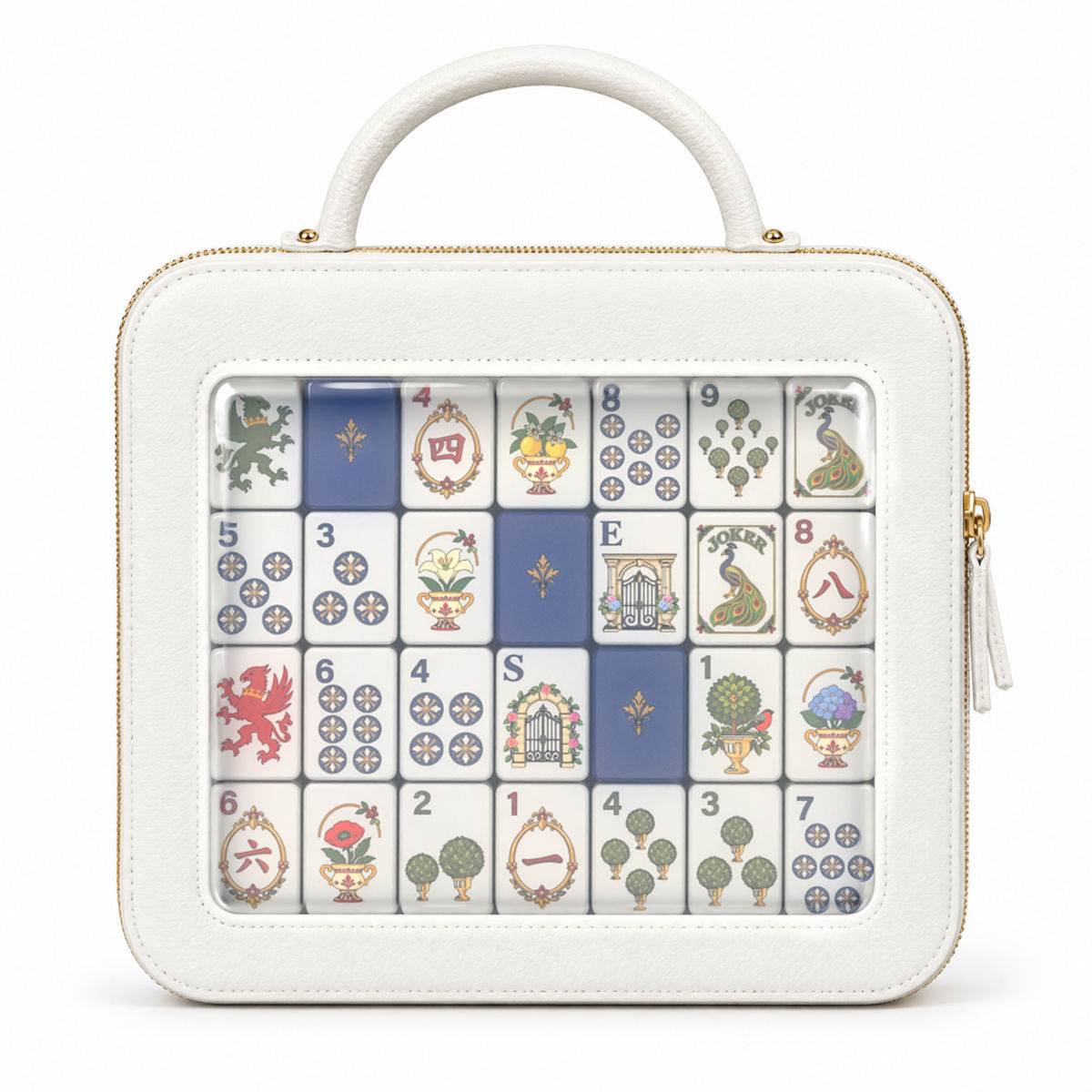
Cincinnati beginners can find mahjong classes at public libraries, community recreation centers, synagogues, and country clubs—call ahead or check their activity calendars. Classes typically run 4–8 weeks at beginner pace, covering tile recognition, the Charleston (pre-game tile exchange), hand-reading from the National Mah Jongg League card, and basic play rules. Cost varies by venue but is usually modest. Before your first class, ask the instructor whether you need to bring your own set or if one is provided; most beginner groups supply equipment. At home, you'll benefit from learning tile names and hand patterns beforehand using the mahjong for beginners guide and watching online tutorials. Expect a social, skill-building environment rather than competitive play—American mahjong classes emphasize fun and friendship. Bring a notepad, wear comfortable clothing, and plan to lose your first game while you learn. 🀄 Shop best-selling mahjong sets →
Where do Cincinnati beginners find mahjong classes?
Cincinnati has several entry points for beginners. Public libraries often host mahjong clubs or link players to instructors; call your neighborhood branch or check their website for "mahjong" or "community programs." Community recreation departments (check with Cincinnati Parks) run organized classes in off-peak seasons. Synagogues and Jewish community centers frequently offer mahjong groups, welcoming players of all faiths. Country clubs and private clubs sometimes offer lessons to members. Online, search meetup boards and local Facebook groups for "Cincinnati mahjong beginners" or ask at fabric stores, gift shops, and game cafés—they often know instructors by word-of-mouth. Many instructors teach from home or rent table space at cafés; expect a mix of one-on-one and small-group formats.

What should I expect in my first mahjong class?
Your first session will cover the 152 tiles: how to name the three suits (Bams, Craks, Dots), distinguish honors (winds and dragons), and spot jokers. Instructors walk you through the Charleston—the tile-passing ritual before each hand begins—which confuses everyone once and feels natural by week three. You'll learn to read the current year's National Mah Jongg League card, a reference sheet showing which 14-tile combinations win; American mahjong rules are strict: only hands on the card count, and you may only lay out exposed groups of three identical tiles (pung), four identical (kong), five (quint), or six (sextet)—never sequences like 1-2-3. Most instructors play slowly, pause frequently, and celebrate small wins. Bring a pen and notepad. Most classes play for fun, not money. Expect to feel lost in week one—this is normal.
What tiles, mat, and accessories do I need before class?
Ask your instructor before purchasing anything. Many beginner classes provide shared sets; if you're buying your own, you need a standard American mahjong set with 152 playing tiles (plus spares). A mat protects your tiles and table, adds grip so tiles don't slip, and makes hand-building faster. Racks with pushers hold your 13 tiles upright and let you slide tiles into the pung/kong areas without exposing your hand. A padded travel bag keeps your set intact if you carry it to class weekly. Our best-selling mahjong sets include acrylic tiles, are durable for weekly play, and come with the essentials; many include a mat and racks. If you're practicing at home solo or with a partner before class, a mahjong mat and racks with pushers speed up learning and build confidence.
Setup Item | Use | Why for Beginners | Notes |
152-tile set (acrylic) | Playing | Durable, easy to read | Essential; ask if class provides |
Mahjong mat | Tile placement | Grip + wear protection | Borrowed sets often lack one; buy if practicing home |
Racks with pushers | Hand management | Hide tiles, organize groups | Makes reading your hand faster; not essential week 1 |
Travel bag | Transport | Keep set safe to class | Only if you're buying and carrying weekly |
Dice (2) | Game start | Randomly choose East player | Usually provided by class |
Card (current year) | Hand reference | Know which combos win | Instructor provides or loans; you can print free online |
🎁 See our most-loved mahjong sets & accessories →
How do I prepare at home before attending class?
Spend 15 minutes the night before your first class learning tile names. There are 36 tiles in each suit (Bam, Crak, Dot), numbered 1–9, with four copies each. The 1 Bam shows a bird; this detail sticks in your head. Winds come in four: North, East, South, West. Dragons are Red (goes with Craks), Green (with Bams), and White/Soap (with Dots, and acts as zero). Watch one beginner tutorial online—most are under 10 minutes. Read the how to play American mahjong guide to see how a complete hand takes shape. If you have access to a practice set, lay out a few tiles, name them aloud, and get comfortable holding them. Don't memorize the card—the card feels overwhelming until you've played two hands; your instructor will walk you through it. The goal of prep is confidence, not mastery. Arrive early to your first class, introduce yourself, and say you're new; instructors always slow down for genuine beginners, and experienced players love teaching.

What mistakes should I avoid in my first few classes?
Don't memorize the entire card before week one. The card shows dozens of hand patterns; your instructor will teach you a few, and context makes the rest click. Showing up with the card memorized wastes mental energy. Don't assume American mahjong rules match Chinese, Hong Kong, or online variants. American mahjong has its own rules (no chows, jokers can't be in pairs, four-player format). If you've played another variant, mention it to your instructor so they can clarify differences—this prevents frustration. Don't buy a set before asking your instructor. Some classes rotate high-quality sets and forbid personal tiles; you might spend money unnecessarily. Don't worry about scoring in week one. Focus on recognizing tiles, playing a complete hand, and enjoying the group. Scoring comes naturally by week four. Don't discard tiles carelessly. In American mahjong, the tile you discard can help other players win; this strategy develops over weeks, not days. Don't skip the Charleston. It feels chaotic, but it's how the game stays fair and fun; learn it early.
What's the typical cost, and what's included?
Class fees vary by venue but typically range from modest weekly drops (ask the instructor or community center) to a flat session fee for a multi-week course. Libraries and community centers often subsidize classes, keeping costs low. Private instructors may charge per session or offer package rates. Your instructor will give you specific pricing. What you get: instruction, a shared or personal set (confirm beforehand), rule guidance, and a social group that often continues playing after the class ends. Some groups form a permanent weekly game at a member's home. Beginners almost never pay entry fees or tournaments initially—you're learning, not competing. If you're buying your own set to keep, see current prices on the product pages; we offer a range from our best-selling collection to more specialized designs for gifting or home display. Free US shipping applies to all orders.
✨ Find your Mahstead set — free US shipping →
How do I stay motivated after my first class?
Find a group that plays weekly. Most beginner classes evolve into standing games—ask if your instructor's group continues after the formal course ends. If not, ask the instructor for referrals to other home games or clubs. Commit to four weeks minimum; your brain needs four hands to shift from "Which tile is that?" to "Why did she discard the 3 Crak?" By week four, you'll play faster, spot hands on the card without panic, and laugh at your own mistakes—that's when it becomes fun, not work. Practice at home if you can; many beginners ask a friend or spouse to play casual hands weekly. The Charleston explained guide and how jokers work are quick reads that cement the trickier rules. Join online mahjong forums to ask questions without feeling rushed. Set a personal goal—maybe it's declaring a hand before month three—and celebrate it. Mahjong friendships are real and deep; you're joining a 100-year tradition of players who love skill, luck, and conversation.
What to check before you buy a set for home practice
Tile size and weight: Acrylic tiles should feel substantial (not hollow) and stack cleanly. Ask for photos or visit a local store if possible.
Set completeness: You need exactly 152 playing tiles (no more, no fewer) plus spare jokers and blanks. Standard American sets include this count.
Mat and rack quality: If included, test that the mat's grip doesn't slide on your table and racks hold tiles upright without tipping.
Shipping and returns: Confirm free US shipping and a fair return window in case tiles arrive damaged (rare with quality acrylic, but it happens).
Instruction: If you're new, a set that includes a beginner guide or QR code linking to a tutorial is a plus—saves you research time.

FAQ
Do Cincinnati mahjong classes teach American, Chinese, or another variant?
Almost all beginner classes in the US teach American mahjong, which uses the National Mah Jongg League card and excludes sequences (chows). Ask your instructor to confirm; if they teach another variant, they'll say so upfront. American is the standard for social beginners nationwide.
Can I join a class if I've never played mahjong before?
Yes—beginner classes assume zero prior knowledge. You'll learn tile names, the Charleston, hand-reading, and play rules from scratch. Instructors expect confusion in week one and pace accordingly.
Should I buy my own set or wait to see if I like the game?
Ask your instructor first. Many beginner groups provide shared sets, and you're wasting money if you buy before knowing whether you'll continue. After four weeks, if you love it, buy a quality personal set for home practice and ongoing games.
How long does a typical beginner class run, and how often do we play?
Most formal classes meet once per week for 4–8 weeks, one to two hours per session. Informal home games often start weekly after the class ends and may continue indefinitely. Frequency depends entirely on the group.
Is American mahjong hard to learn compared to other card or tile games?
American mahjong has a learning curve—the tile names, the card, and the rules feel overwhelming in week one—but most beginners report comfort by week three and genuine enjoyment by week four. It's less about memory and more about pattern recognition, which improves quickly with play.
What happens if I miss a class or fall behind the group?
Instructors expect people to miss one or two sessions; you can catch up by reviewing the rules at home or arriving early to the next class for a quick recap. Beginner groups are forgiving; the goal is inclusion, not competition.
Can I play mahjong alone or with just one friend to practice?
American mahjong is designed for four players, and standard rules don't work well with fewer. However, many beginners practice tile recognition and hand-building solo or with one person as a confidence-builder before joining a group. Look up solo practice tips online or ask your instructor for a simple drill.


View More
View More
View More
