
Mahjong Classes for Beginners in Boise: Where to Start
Last updated: Nov 23, 2026
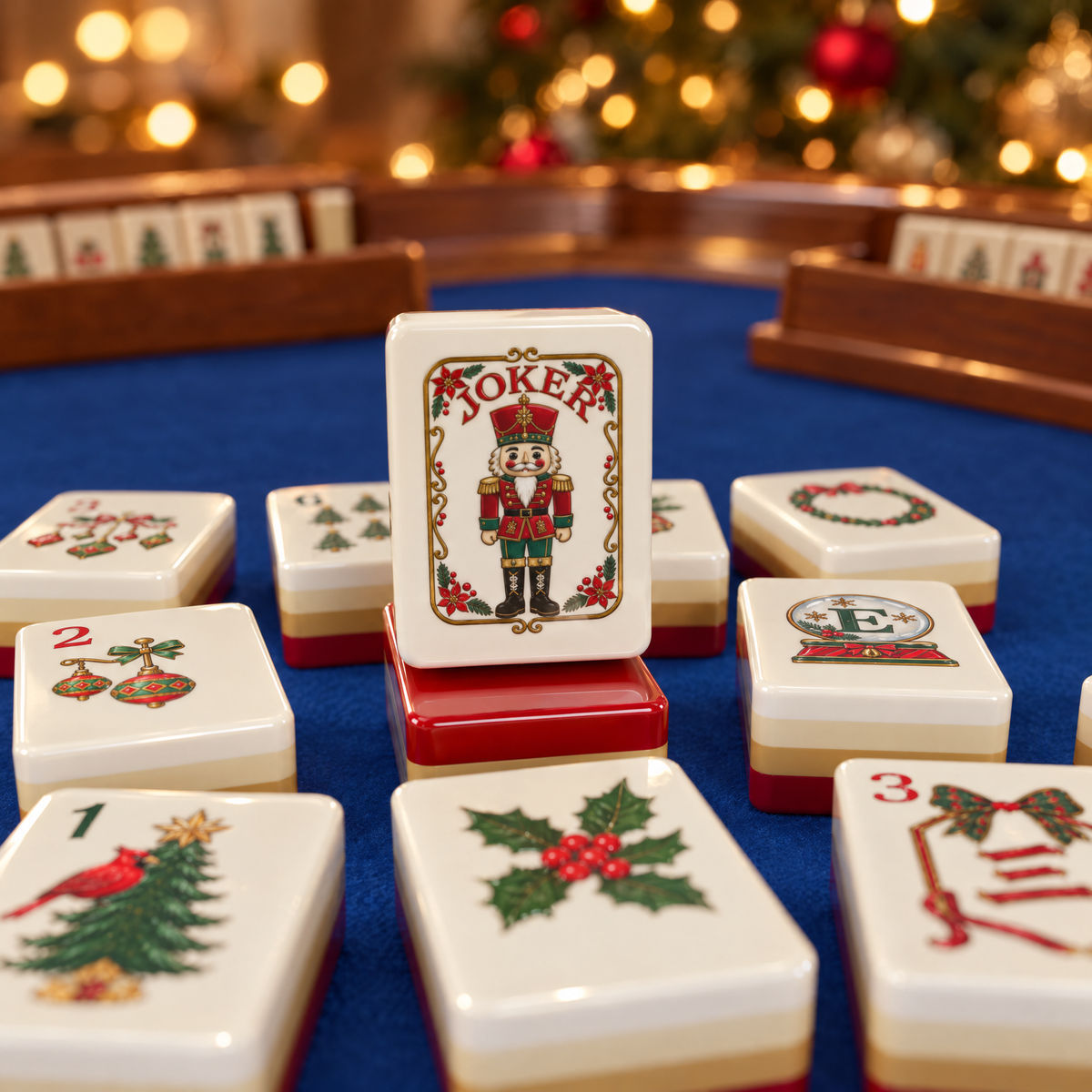
Boise offers mahjong classes through community centers (Parks and Recreation), public libraries (Boise Public Library system), and informal meetup groups posted on social platforms. Most beginner courses run four to eight weeks, one to two hours per session, and teach American mahjong rules, tile recognition, the Charleston passing ritual, and how to read the official National Mah Jongg League card. Cost ranges widely depending on venue—some libraries offer free or low-cost instruction, while private instructors or community center classes charge modest per-session or per-course fees. Beginners need a 160-tile acrylic set (not bamboo or bone, which are harder to grip and see), a mat for organization, and a current year's card. Avoid bamboo sets if you're learning; acrylic sets from our best-selling collection are durable, affordable, and ideal for new players.
Where do Boise beginners actually find mahjong classes?
Boise's main entry points are public libraries (most offer free or minimal-cost classes), Parks and Recreation Department programs (check seasonal offerings), community centers, and country clubs with game rooms. Search "mahjong lessons near me" on Meetup, Facebook community boards, or local senior centers; many groups post beginner sessions weekly. Synagogues and churches sometimes host games open to the public—call ahead to confirm. Libraries often have flyers or staff who know local instructors. Start by calling Boise Public Library's main branch to ask if they teach mahjong or can recommend instructors.
What exactly will a beginner class teach you?
A four-to-eight-week beginner course covers tile anatomy (the four suits, winds, dragons, and flowers), hand-reading using the current National Mah Jongg League card, the Charleston tile-passing sequence before each game, how to form exposed melds (pungs, kongs, and quints), joker rules, and scoring basics. You'll learn why American mahjong has no sequences (chows) and why jokers can never be used as a single tile or pair. Instructors will walk through one or two complete games, showing you how to pick, discard, and recognize winning hands. Most classes include time to play with peers so you practice in a low-pressure setting.
🀄 Shop best-selling mahjong sets →

How long does it take to get ready for your first class?
Most beginners are game-ready within one to two hours of prep. Spend 30 minutes learning the tile names and suits using online videos or your instructor's handout. Spend another 30 minutes watching a short rules overview (search "American mahjong for beginners" on YouTube). Buy or borrow a set at least two days before your class so you can handle tiles and flip through the card. Read how to read the mahjong card to understand the card's layout before your first session. Most students feel comfortable by week two of a class.
What equipment do you actually need before day one?
You need three things: a 160-tile acrylic set, the current year's National Mah Jongg League card, and ideally a mat to keep tiles organized and quiet. Acrylic sets are easier to see and grip than bone or bamboo, especially for new hands. A mat (roughly 28 × 28 inches) gives you a dedicated play surface and keeps tiles from sliding. Racks with pushers are optional for beginners but helpful if you have hand strength issues—they keep your tiles upright and organized. Many instructors supply cards and mats; ask when you register. If buying your own, an acrylic set is the only essential purchase.
Item | Why it matters for beginners | Notes |
160-tile acrylic set | Easy to grip, see, and shuffle; durable | Lasts through dozens of classes |
Current-year NMJL card | Required to read and form hands | Instructor may supply; ask first |
Felt or rubber mat | Quiets tiles; defines your hand space | Optional but reduces table chaos |
Racks with pushers | Keeps tiles upright if you have hand tremors | Skip if you're comfortable holding tiles |
A 160-tile acrylic set from our studio is manufactured with smooth edges, clear printing, and consistent weight, which new players appreciate during that first month of learning tile recognition and hand speed.

What mistakes do Boise beginners make, and how do you avoid them?
Mistake 1: Buying a bamboo or bone set because it looks traditional. Those sets are beautiful but slow, loud, and tiring for new hands. Stick with acrylic your first year.
Mistake 2: Not getting the current year's card. The National Mah Jongg League updates the card every spring. Using last year's card will confuse you because winning hand patterns change annually. Always ask your instructor which year's card the class uses.
Mistake 3: Skipping the Charleston. New players often want to "just play," but the Charleston (the pre-game tile-passing ritual) is essential to learning strategy and tile balancing. Your instructor will drill this; don't skip it.
Mistake 4: Confusing pungs (three identical tiles) with sequences (three consecutive numbers). American mahjong has no sequences. You can only expose pungs, kongs, quints, and sextets—all identical numbers. This is different from Chinese mahjong. Ask your instructor to clarify on day one.
Mistake 5: Not asking when you don't understand the card. The card looks dense. Bring a pen. Mark patterns you don't understand. Teachers expect questions in week one and two; it's normal.
🎁 See our most-loved mahjong sets & accessories →
What to check before you buy a mahjong set for your class
Before ordering or borrowing a set, confirm these details:
Tile count: Any set labeled "160-tile" includes exactly 152 playing tiles plus spares. That's the American standard and what your instructor will expect.
Tile material: Acrylic is best for beginners. It's lightweight, quiet enough, and forgiving if you drop tiles.
Card format: Ask your instructor if they prefer large-print cards or standard-size cards. Some Boise groups use laminated cards; some use cardstock. Ask before buying.
Mat compatibility: If buying a mat, measure your table. Most mats are about 28 × 28 inches and fit standard dining tables.
Storage: A soft mahjong travel bag with a handle makes it easy to bring your set to class each week and protects tiles from dust and chips.
Five real questions Boise beginners ask:
Q: Do I have to join a club to take beginner classes, or can I drop in?
A: Most library and Parks & Rec classes allow drop-ins each week; no membership required. Private instructors may require registration. Call ahead to confirm. Some groups do charge a small per-session fee; ask when you call.
Q: Can I learn Chinese mahjong in Boise, or do classes only teach American mahjong?
A: Most Boise community classes teach American mahjong because the rules are stable and use the National Mah Jongg League card. Chinese mahjong is less common in Boise but may be available through private instructors. Ask your library or local meetup board if anyone teaches Chinese or Hong Kong variants.
Q: My hands are small and get tired holding tiles. Should I skip mahjong, or is there a workaround?
A: Racks with pushers are your solution. They hold tiles upright and let you push instead of gripping. Many players with arthritis or hand fatigue use racks throughout their lives. Ask your instructor to demo a rack; most Boise groups have one or two available to borrow during class.
Q: I'm nervous about not knowing anyone. Will the class be welcoming to solo players?
A: Yes. Mahjong classes are social by design, and new solo players are standard. Your instructor will introduce you to other players, and the game itself is a natural icebreaker. Most Boise groups have players of all ages and are used to welcoming beginners.
Q: After I finish the beginner class, where can I find ongoing games to join?
A: After class, ask your instructor if they host open play sessions or can connect you with a standing weekly game. Check the same venues (libraries, community centers, meetup boards) for "mahjong players wanted" posts. Many Boise groups have a waiting list of players looking for a fourth.
✨ Find your Mahstead set — free US shipping →
Once you're comfortable with the rules, you'll want a set you enjoy handling every week. Our best-selling collection includes durable acrylic sets in classic and modern designs. We ship free across the US, so your set arrives before your first class—or as a gift for a friend you've convinced to join you.

FAQ
How much do mahjong classes cost in Boise?
Library and Parks & Rec classes range from free to $50–$100 per course (four to eight weeks). Private instructors may charge $15–$30 per session or a flat course fee. Call your local library or Parks and Recreation office for current pricing.
Can I borrow a mahjong set for my first class, or should I buy one?
Many instructors have loaner sets for the first one or two sessions. Ask when you register. After that, buying your own 160-tile acrylic set is wise because you'll want to practice at home and bring it each week.
What's the difference between American mahjong and the mahjong my grandmother played?
American mahjong uses the National Mah Jongg League card and has no sequences (chows)—only identical melds like pungs and kongs. Chinese, Hong Kong, and Riichi mahjong use different rules, tile sets, and scoring. Most Boise classes teach American mahjong, which is the standard in the US.
Do I need to bring my own set to the beginner class, or does the instructor provide one?
Always ask when you register. Some classes lend sets; others require you to bring one. If you buy, an acrylic set is best. If you borrow, make sure you're comfortable with it before week one so you're not learning tiles and rules at the same time.
After I learn American mahjong, can I play in tournaments or just casual games?
Both. The National Mah Jongg League sanctions competitive tournaments throughout the US, and you can also play casual weekly games in Boise without any tournament license. Your instructor will know if there are local tournaments or league play in the area.


View More
View More
View More
