
Mahjong Classes for Beginners in Boca Raton: Where to Start
Last updated: Nov 23, 2026
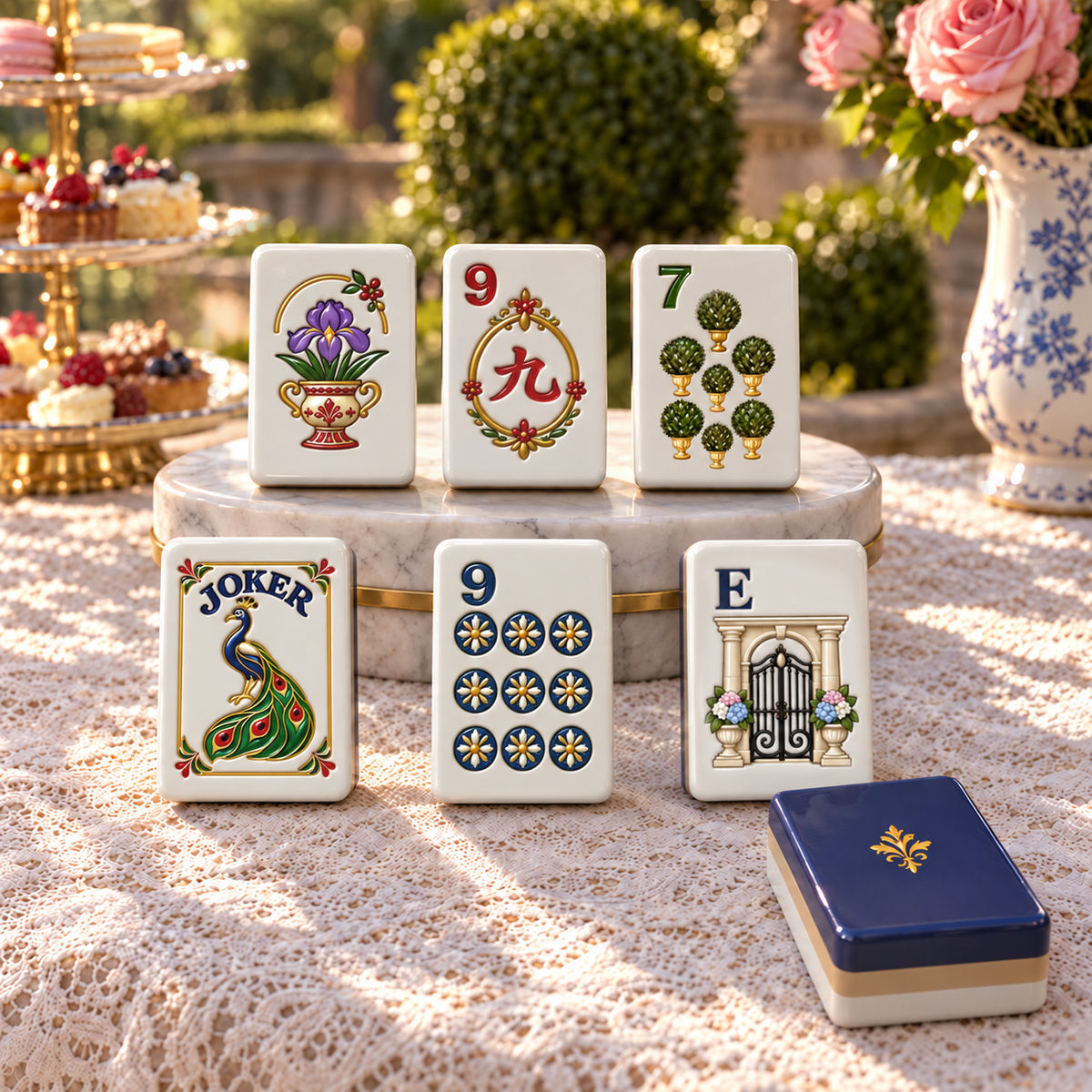
Boca Raton beginner mahjong classes are offered through community centers, libraries, synagogues, country clubs, and private instructors—most run 4–8 weeks at 1–2 hours per session. Cost varies by venue and instructor; many community programs charge per session or as a small series fee. Before joining, you'll need to understand American mahjong's core rule: you build hands only from the current year's National Mah Jongg League card, using 152 tiles (108 in three numbered suits plus 16 winds, 12 dragons, 8 flowers) plus 8 jokers. Most classes include a set and instruction, but bringing your own best-selling mahjong sets helps you practice at home. Avoid classes that teach non-American variants (Chinese, Riichi) unless that's your goal; confirm the instructor uses the current year's card and teaches the Charleston (the tile-passing ritual before play). Start by searching community centers, library websites, and local Jewish community directories for "mahjong" or "beginner mahjong class." 🀄 Shop best-selling mahjong sets →
Where do Boca Raton beginners find mahjong classes?
Boca Raton's community infrastructure makes finding a class straightforward. Check your local Parks & Recreation Department website for seasonal beginner mahjong courses; many run fall through spring. Public and university libraries (including Palm Beach County branches) often host free or low-cost drop-in games and instructor referral lists. Synagogues and Jewish community centers in the area frequently sponsor weekly beginner circles and formal instruction. Country clubs and private clubs sometimes offer lessons to members. Search Meetup.com and Facebook groups for "Boca Raton mahjong" or "Palm Beach mahjong" to connect with local players who recommend instructors. Word-of-mouth remains gold: ask at fabric shops, senior centers, and community bulletin boards. Once you find a class, confirm it teaches American mahjong using the current year's National Mah Jongg League card—this is the standard for U.S. play and ensures you learn skills that transfer to any game anywhere.

What should you expect in your first beginner mahjong class?
Your first session typically covers how American mahjong differs from other variants (no sequences called during play; only pungs, kongs, and longer melds are exposed). The instructor will walk you through the 152-tile set—three suits (Bams, Craks, Dots numbered 1–9), winds, dragons, flowers, and jokers—and explain why jokers are central to building hands. You'll learn the Charleston, the tile exchange before the game starts, which takes 10–15 minutes and feels ritual-like once you've done it twice. Expect to spend the first 1–2 sessions just handling tiles, reading the card, and understanding how a hand forms; you won't play a full game immediately. Bring a notepad; many instructors provide handouts on tile names and common patterns. Wear comfortable clothes—mahjong nights can run 2–3 hours. Most instructors recommend attending 3–4 sessions before playing in a regular group game so you don't feel rushed or confused at the table. A good class moves slowly and lets you ask the same question three times.
What equipment do you need for a beginner mahjong class?
Most beginner classes provide a set for the course, so you don't need to buy one immediately. However, practicing at home with your own set dramatically speeds up learning; the best-selling collection offers durable acrylic sets designed for home play and weekly games. You'll also want a mahjong mat—it marks the seating positions, organizes your hand, and protects the table. A mat is optional for class (tables are usually plain) but invaluable for home practice. Racks with pushers are nice-to-have; they hold and organize your tiles so you're not fumbling with 13 loose pieces. A notebook for recording hands you built, wins, and mistakes is free and essential. Do not buy a set until after your first class; many beginners find they prefer certain tile sizes or finishes after handling them in person. Ask your instructor for recommendations before making a purchase.
Item | For Class? | For Home Practice? | Why It Helps |
Acrylic mahjong set (152 tiles + 8 jokers) | Instructor provides | Yes—essential | Speeds up learning between sessions |
Mahjong mat | No | Yes—strong option | Organizes hand; marks seating; protects table |
Racks with pushers | No | Nice-to-have | Keeps tiles upright and sorted |
Notebook + pen | Yes—highly useful | Yes | Records hands, mistakes, progress |
Current-year National Mah Jongg League card | May provide | Yes—critical | Only source of legal hands in American mahjong |
🎁 See our most-loved mahjong sets & accessories →

How do you prepare before your first class?
Arrive 10 minutes early to settle in and introduce yourself to the instructor and fellow students. Bring the current-year National Mah Jongg League card if you have one; if not, the instructor will provide a copy or teach from a displayed version. Ask the instructor in advance: Which American mahjong variant are you teaching? (Most teach the standard; some teach 2–3 player rules or "open" variants.) What is the skill level of current students? Do beginners sit together or mixed with experienced players? Wear an outfit you can move in comfortably; reaching across a table to draw tiles is normal. Expect to hear unfamiliar terms (pung, kong, quint, joker usage rules, "going out," "dead wall") and accept that you won't understand everything on day one. The first class is observation and repetition; you're building muscle memory for tile names and hand shapes. Mentally reset: mahjong looks intimidating because the card has hundreds of hand patterns, but you learn them the same way you learned a new language—slowly, by exposure and practice.
What common beginner mistakes should you avoid?
Forgetting that American mahjong has no sequences: Many newcomers expect to play 1-2-3 or 7-8-9 as exposed melds (like in other games). In American mahjong, you cannot call or expose a sequence; you can only expose pungs (3 identical tiles), kongs (4), quints (5), and sextets (6). This rule flips strategy, so nail it early. Misusing jokers: Jokers are wild tiles—they can stand in for any tile except in a pair or single tile. New players sometimes try to use a joker as a pair (not allowed) or hold a joker and a single tile expecting both to work (they don't). Read the guide on how jokers work before your first game. Not learning the card format: The National Mah Jongg League card organizes hands by section (e.g., "Like Numbers," "Consecutive," "Dragons"). Spend 15 minutes looking at a card before class so you understand how to scan it during play. Playing too fast: Beginners often rush to draw a tile or discard before thinking. American mahjong has no speed limit; take your time. Skipping the Charleston: Some new players treat the tile pass as optional. It's mandatory and part of the game's strategy and fun; don't skip it or you'll confuse the entire table.
What does the transition from class to regular play look like?
After 4–6 lessons, most instructors invite beginners to join a regular weekly or twice-weekly game. Your first "open table" can feel intimidating—everyone plays faster, the banter is familiar, and you might not recognize every hand pattern. This is normal. Sit next to or across from an experienced player who will gently correct you if you break a rule or miss a win. Keep a notepad at the table and jot down hands you build, especially ones you don't recognize from class—this is free coaching. Expect to lose money (or points) in your first 10 games; that's part of learning and everyone accepts it. After 8–10 open table sessions, your speed and confidence will jump noticeably. At this point, investing in your own mahjong mat and a quality set makes sense if you plan to host or play weekly. Many players who enjoy regular games eventually want a travel-ready bag or case so they can bring their set to different venues or friends' homes without wear.
What to check before you buy a class or commit to a venue
Confirm American mahjong is taught (not Chinese, Riichi, or Hong Kong).
Ask whether the current-year National Mah Jongg League card is used (mandatory for learning the right hand patterns).
Verify the instructor's experience and ask for references or recommendations from past students.
Check the class size (ideally 4–8 students; too large and you won't get attention; too small may feel isolating).
Confirm the schedule and cancellation policy in writing before paying.
Visit once as an observer if possible before committing to a series.
✨ Find your Mahstead set — free US shipping →

FAQ
Do I need to own a mahjong set before taking a beginner class?
No. Most classes provide a set for instruction. However, buying or borrowing a set to practice between lessons will accelerate your learning significantly. After your first few classes, you'll know whether you want to invest in your own.
How long does it take to go from beginner to playing in a regular weekly game?
Most players feel ready for an open table after 4–8 weekly lessons (4–8 weeks). Full comfort—recognizing hands quickly and playing without hesitation—typically takes 2–3 months of weekly or twice-weekly play.
What's the difference between the National Mah Jongg League card and other mahjong cards?
The National Mah Jongg League card is the official rulebook for American mahjong; it's issued every spring and contains all legal hand patterns for that year. Other mahjong games (Chinese, Riichi, etc.) use different rule systems and tile sets. For American mahjong, you must use the current year's card.
Can I learn mahjong from YouTube videos instead of taking a class?
Videos help, but they're not a substitute for a live instructor. Mahjong requires handling tiles, asking immediate questions, and learning the rhythm of play—all difficult online. A 4–6 week class plus YouTube review is ideal; YouTube alone is slower and riskier for building correct habits.
What's the Charleston, and why is it important?
The Charleston is a mandatory tile-passing ritual before each game—players exchange tiles in a set pattern to randomize the hand and add strategy. It's part of American mahjong's identity. Your instructor will teach it; it becomes second nature after one or two games.
Is mahjong expensive to play in Boca Raton?
Class fees vary by venue (community centers are cheaper than private instructors). Once you're playing weekly, you'll bet small amounts per hand—ask your group what stakes they play. Most social games involve modest bets; high-stakes games are separate and optional.


View More
View More
View More
