
Mahjong Classes for Beginners in Atlanta: Where to Start
Last updated: Nov 23, 2026
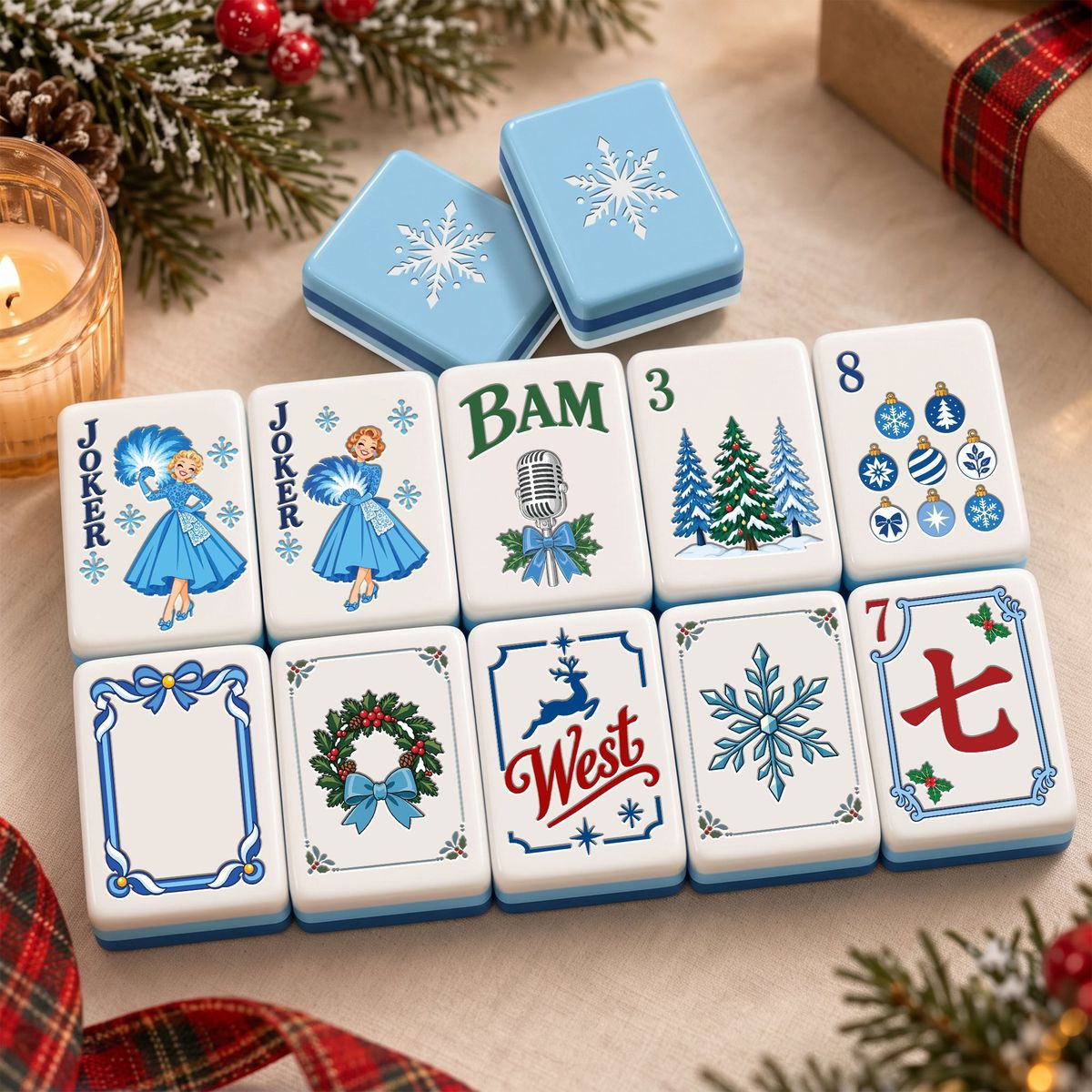
Atlanta's mahjong scene offers classes at community centers (check Fulton County Parks & Recreation, DeKalb Parks), public libraries (especially Gwinnett and Cobb branches), and Jewish community centers; some private instructors advertise through Meetup and Facebook groups. Classes typically run 4–8 weeks, 2 hours per session, covering American mahjong rules, tile recognition, hand reading from the National Mah Jongg League card, and the Charleston passing ritual. Costs vary but rarely exceed what you'd spend on a single restaurant dinner. Before enrolling, confirm the instructor teaches American (not Chinese or Hong Kong) mahjong, check student reviews on Meetup or Google, and ask whether you need to bring a set or if one is provided. Best-selling acrylic sets are durable for learning, but rent or borrow first if budget is tight.
How do I find beginner mahjong classes in Atlanta right now?
Start with the City of Atlanta Parks & Recreation website, Fulton County Parks, and DeKalb County Parks departments—they post seasonal class schedules. Public libraries (especially Gwinnett County Public Library, Cobb County Public Library) often host free or low-cost intro sessions. Jewish community centers throughout Atlanta regularly offer mahjong classes year-round; no religious affiliation needed. Search Meetup.com for "Atlanta mahjong" to find clubs that advertise beginner-friendly game nights where you can learn alongside active players. Facebook groups like "Mahjong Atlanta" or "Atlanta Mahjong Players" post class notices and instructor recommendations. Always confirm the variant taught: American mahjong (the 152-tile version) is most common in Atlanta, but some instructors teach Chinese or Hong Kong variants, which use different rules and are not interchangeable for learning purposes.
🀄 Shop best-selling mahjong sets →

What's the difference between American mahjong and other variants—and why does it matter for Atlanta classes?
American mahjong uses a fixed hand list (the National Mah Jongg League card, issued every spring) and exactly 152 tiles, making it rule-bound and predictable for beginners. Chinese mahjong and Hong Kong mahjong allow unlimited hand combinations, require you to memorize far more patterns, and feel like learning a second game if you switch later. Atlanta classes almost always teach American, so confirm this before signing up to avoid wasting time on the wrong dialect. Within American mahjong, you only expose pungs (three identical tiles), kongs (four identical), quints (five), and sextets (six); you never form or expose sequences (chows like 1–2–3), which is completely unlike Chinese games. Understanding this upfront means you won't confuse yourself halfway through your first lesson—the rules are strict and intentional, and that strictness is what makes American mahjong teachable in a classroom setting. Read our guide to playing American mahjong to get a head start before your first class.
What equipment do I need to bring, and what does the instructor supply?
Most Atlanta instructors provide a standard set or say so in the class description—call ahead or email to confirm. If you need your own, a 160-tile acrylic set works perfectly for learning; this is what most clubs and schools use, and it's portable enough to take to class. You'll also benefit from a score pad (the instructor usually provides sheets) and a mahjong mat to protect the table and keep tiles in place during play. Some classes use a card holder so you can read the hand list without fumbling. The National Mah Jongg League card (the cheat sheet for legal hands) is issued every March; ask your instructor if they'll provide a copy or if you should download the PDF to your phone. Avoid buying expensive items before your first class—rent or borrow a set, attend one session, and only then invest if you know you'll keep playing.
🎁 See our most-loved mahjong sets & accessories →
What's the real-world timeline from beginner to hosting your own game?
Most Atlanta students master basic hand recognition and tile calling within 4–6 weeks of weekly 2-hour classes. After 8 weeks, you can play a full game without stopping for rule clarifications every turn. To host your own weekly game confidently takes 12–16 weeks of practice—you'll know the card well enough to answer rules questions, manage the Charleston smoothly, and keep score without hesitation. Some people grasp it faster (especially if they have a math or card-game background); others take longer and that's normal. The key variable is practice outside class: play twice weekly instead of once, and you'll advance in half the time. Attend a club game night as a spectator before your first class if possible—watching tile flow and listening to player talk builds intuition that classroom instruction alone won't provide.

What should a beginner practice at home, and how do I avoid learning bad habits?
Practice reading the hand list (the National Mah Jongg League card) without a timer until pattern recognition becomes automatic. Spend 10 minutes daily sorting tiles into suits and numbers, then look for matching pungs or quints on the card. Never practice hands that aren't on the current year's card—this is a common mistake that builds false memory. Record a game night (with permission) and replay tricky moments: did someone call a hand correctly? Why or why not? Ask your instructor to review a photo of a hand you're stuck on. Most mistakes beginners make stem from misreading tiles (confusing a bird-marked 1 Bam for a different tile, mistaking White dragons for blanks) or not trusting the card, not from rule confusion. To avoid these, touch tiles as you count them and always cross-reference the card with a second person before calling a hand. Using a quality mahjong mat with clear tile spaces helps keep your practice organized and mimics the table setup at class.
Setup Style | Who It's For | Why It Works |
Classroom (community center, library) | Nervous beginners, people who like structure | Live teacher correction, peer learning, no pressure to own a set |
Club night (drop-in for spectators) | Observers who prefer watching before playing | Low-stakes, social, you see real game flow without judgement |
Private instructor | Busy professionals, learners with non-standard schedules | Customized pace, instant feedback, flexible timing |
Meetup or Facebook group | Cost-conscious learners, people who know tiles basics | Free or cheap, beginner-welcoming, natural social entry |
✨ Find your Mahstead set — free US shipping →
Common mistakes beginners make in their first month—and how to dodge them
Mistake 1: Buying a set immediately. You might dislike the game, the set might be incompatible with your class's standard, or you might never play again—borrow or rent first. Mistake 2: Confusing hand-reading with strategy. Your job as a beginner is not to win; it's to read the card correctly, count tiles accurately, and understand when someone calls. Strategy comes in month three. Mistake 3: Playing the same partner every game. Rotate positions weekly so you learn all four seats (East, South, West, North each require slightly different thinking). Mistake 4: Not asking questions. Every experienced player was confused once—ask for tile clarifications, hand-reading help, and rules checks immediately. Mistake 5: Skipping the Charleston. The tile-passing ritual at the start of every game is not optional; practice it until it's automatic, because a messed-up Charleston can lead to game nullification. Our article on the Charleston explained walks through the steps so you can prepare before class.
What to check before you sign up for a class
Variant confirmation: Does the class explicitly teach American mahjong (152 tiles, hand list from the National Mah Jongg League)? If not stated, email the instructor.
Beginner friendliness: Read reviews on Meetup or Google; look for mentions of patient instruction and no pressure to buy anything.
Schedule fit: Classes often repeat seasonally (fall, spring, summer); check whether the next session aligns with your calendar.
Set requirement: Will the instructor provide tiles, or do you need to buy or bring one? Ask for the specific model or design if buying.
Instructor background: How many years has this person played? Are they certified by any organization? (Not required, but experience shows.)
Cost and trial: Can you attend one session for free or at a reduced rate before committing to the full course?
Group size: Mahjong is best learned in groups of 4–6; anything larger than 12 becomes chaotic for beginners.
Once you've chosen a class and ordered or borrowed a set, you're ready. Our guide to getting started with mahjong covers everything else you need before game one.

FAQ
Do I need to own a mahjong set before my first class in Atlanta?
No. Most classes provide sets or announce this in the description. If you do need one, ask your instructor about borrowing before you buy. Once you're certain you'll play weekly, a 160-tile acrylic set is the standard and most durable for regular use.
How much does an Atlanta mahjong class typically cost?
Costs vary by venue. Community center and library classes are often under what a single dinner costs; private instructors may charge more. Ask the instructor directly—prices change seasonally and depend on session length and group size.
What's the difference between a community center class and a club night?
Community center classes are structured, 4–8 weeks, with one instructor teaching step-by-step from tiles to scoring. Club nights are social drop-in games for players who already know the basics. Start with a class, then join a club after 8–12 weeks.
Should I buy a mat, rack, or other gear before my first class?
Not yet. Borrow or use what the class provides first. After 4–6 weeks, if you're playing twice weekly, a mat keeps tiles organized and a rack with pushers saves your wrists—both are cheap and durable from reliable makers.
What if I find a class that teaches Chinese mahjong instead of American?
Skip it unless you specifically want to learn Chinese mahjong. The variants are entirely different (unlimited hands, no hand list, different scoring). Atlanta has plenty of American mahjong classes—confirm the variant before signing up.
How do I practice between classes without a set?
Use a PDF of the current year's National Mah Jongg League card on your phone. Read hands, sort patterns by suit, and ask club players or your instructor for feedback. Mental practice counts; you don't need a physical set every day.
Can I find free or donation-based mahjong classes in Atlanta?
Yes. Public libraries and some synagogues offer free introductory sessions. Community center classes are low-cost (often under the price of lunch). Check library event calendars and the Parks & Recreation website.
What do I do if I'm too nervous to join a club game after my class ends?
Ask your instructor if they host a players' night or if you can attend one as a spectator first. Watching a game with no pressure to play builds confidence. Most clubs are beginner-welcoming and expect a few nervous first-timers every month.
Is American mahjong harder to learn than card games like bridge?
It's different, not harder. Mahjong has fewer rule exceptions (it's more predictable), but it requires tile recognition and card-reading skills. Most learners are comfortable playing full games within 8 weeks.
What's the best mahjong set for a beginner learning in an Atlanta class?
A standard 160-tile acrylic set with clear print and regular-sized tiles (not mini or jumbo). Avoid sets with unclear artwork or tiny numbers. Ask your instructor for their recommendation—they know which sets work well in their classroom.


View More
View More
View More
