
Mahjong Centerpiece Ideas: Designs & Display for Game Nights
Last updated: Nov 23, 2026
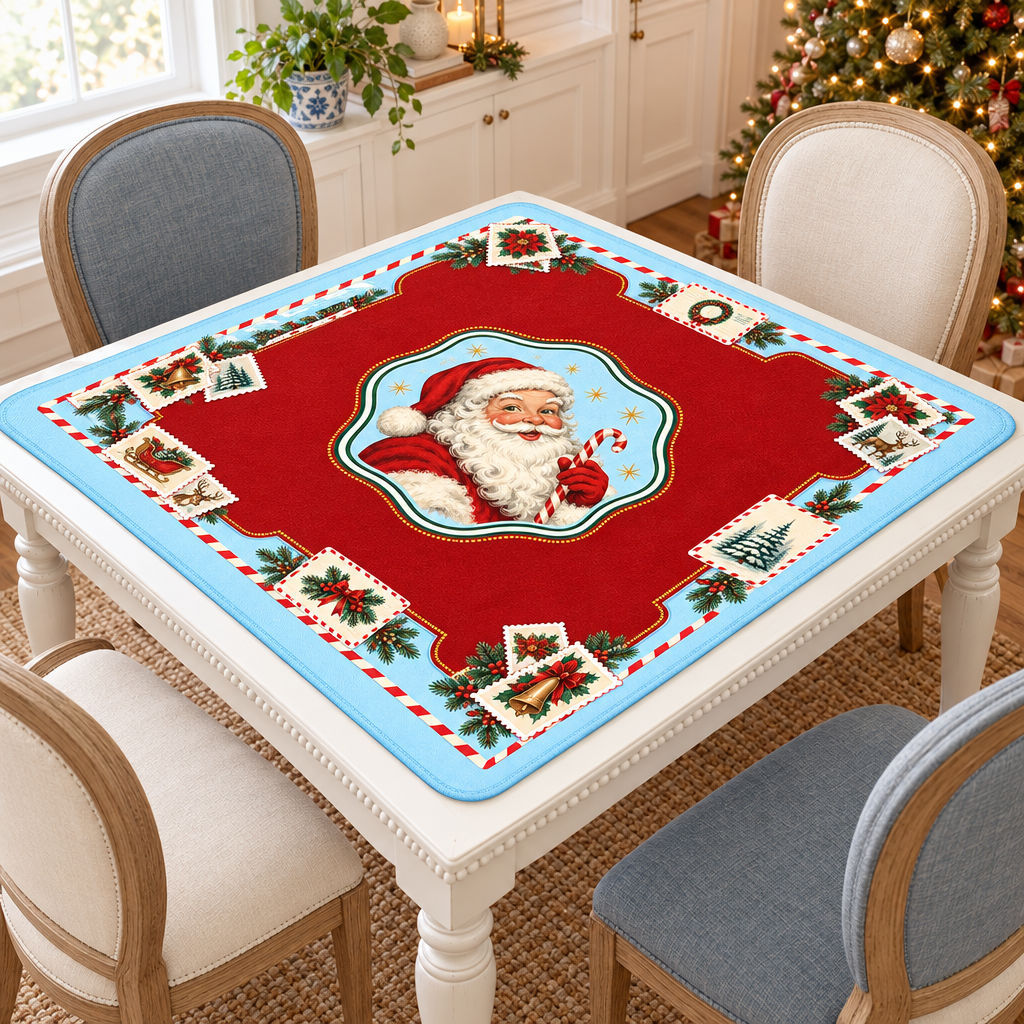
A mahjong centerpiece combines decorative and functional elements: an engraved or themed tile set (160 tiles in acrylic or resin), a coordinating mat that anchors the play area, and organized racks with pushers that showcase the game's rhythm. The centerpiece sits at the table's heart—visible during play, part of the décor before players arrive. A complete setup takes 10–15 minutes to arrange and costs range from mid-range for a standard acrylic set to premium for hand-engraved collections. Avoid clutter: choose one focal point (often the set itself or the mat) and let racks and accessories support it. Mahstead's engraved acrylic sets come ready to display, with tiles that catch light and designs that speak to your players' interests—from personal names to seasonal themes.
What's the difference between a centerpiece set and a travel set?
A centerpiece set is meant to stay visible and on display, even between games. Travel sets prioritize compact packing and durability for moving. Centerpiece sets feature larger acrylic tiles, custom engravings, and bold finishes that photograph well and spark conversation; travel sets use smaller tiles and protective cases. If you're hosting weekly games in one room, invest in a centerpiece set. If you rotate venues, a travel-ready option with a bag makes more sense. Many players own both: one for the table, one for trips.
Which engraved designs work best as décor?
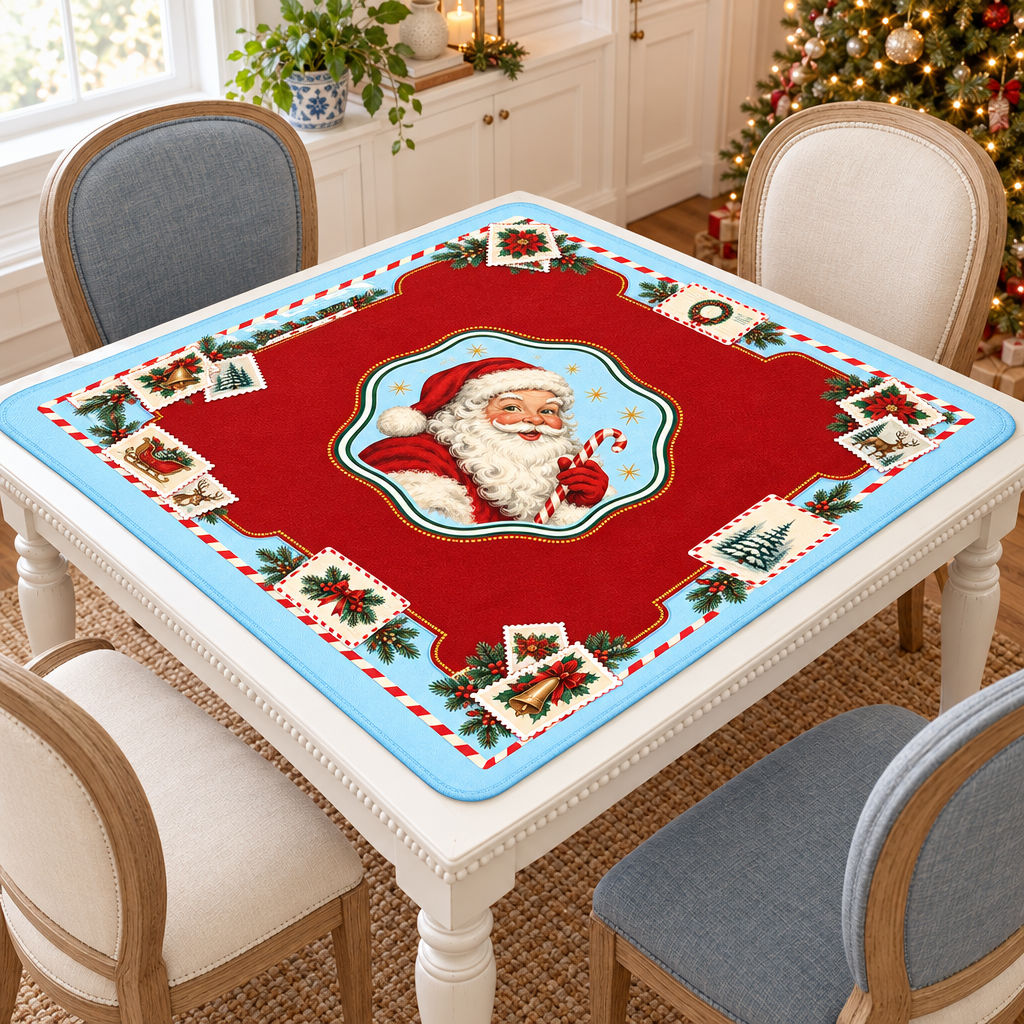
Personal engravings—player names, a year, or a group nickname—transform tiles into heirloom pieces. Seasonal designs (holiday themes, spring florals) create timely décor that guests instantly recognize. Minimalist text or initials on a solid color background photographs cleaner than busy patterns. Avoid ultra-fine details on acrylic; they're harder to see from across the table. Thematic engravings (mahjong quotes, winning hand symbols, or inside jokes) tend to age better than trendy graphics. The best designs feel like they belong in your home year-round, not just during game week.
🎁 See our most-loved mahjong sets & accessories →
How do you arrange racks and tiles to look intentional?
Place racks in a shallow arc or line perpendicular to the mat's center—this frames the play area without blocking sight lines. Position jokers and spares in a small dish or tray nearby, not scattered. Angle tiles slightly so their faces catch light and their colors stand out. Use a mahjong mat with enough contrast (a dark mat with light tiles, or vice versa) so your centerpiece "pops" visually. Lay out racks with pushers in matching finishes—if your set is jade-green acrylic, choose pushers in the same tone. Symmetry feels polished; asymmetry feels collected and lived-in—either works, but commit to one. The goal: a setup that looks intentional whether the game is in progress or waiting.
Should your centerpiece match your room's style?
Yes, whenever possible. A minimalist living room suits a neutral acrylic set on a gray mat with brushed-metal racks. A traditional or eclectic home can carry bold colors, mixed finishes, or a set with cultural or personal engravings. If your table is already a focal point (marble, wood grain, glass), let the tiles and mat complement rather than compete. Consider the backdrop: what's visible behind the table in photos? A neutral wall makes colorful tiles sing; a patterned wallpaper pairs better with a simple, clean set design. A best-selling engraved set in earth tones or jewel tones works in most homes; custom engravings add personality without clashing. The centerpiece should feel like it belongs in your space, not like it was borrowed for game night.
What role does lighting play in a centerpiece display?
Overhead or table lighting that's slightly warm (not harsh fluorescent) brings out tile colors and creates depth. Avoid direct glare on acrylic tiles, which can wash out engravings and make tiles hard to read. A mat with a matte finish minimizes reflections better than glossy surfaces. If you photograph your setup for social media or records, test lighting at the time of day you usually host—this shows how your centerpiece actually looks during play. Pendant lights above the table, or soft table lamps to the side, frame tiles beautifully without casting shadows on players' hands. Daylight from windows is forgiving, but if your game is in the evening, invest in a simple desk lamp or use dimmable overhead lights. Good lighting makes tiles legible and makes the centerpiece feel intentional and polished.
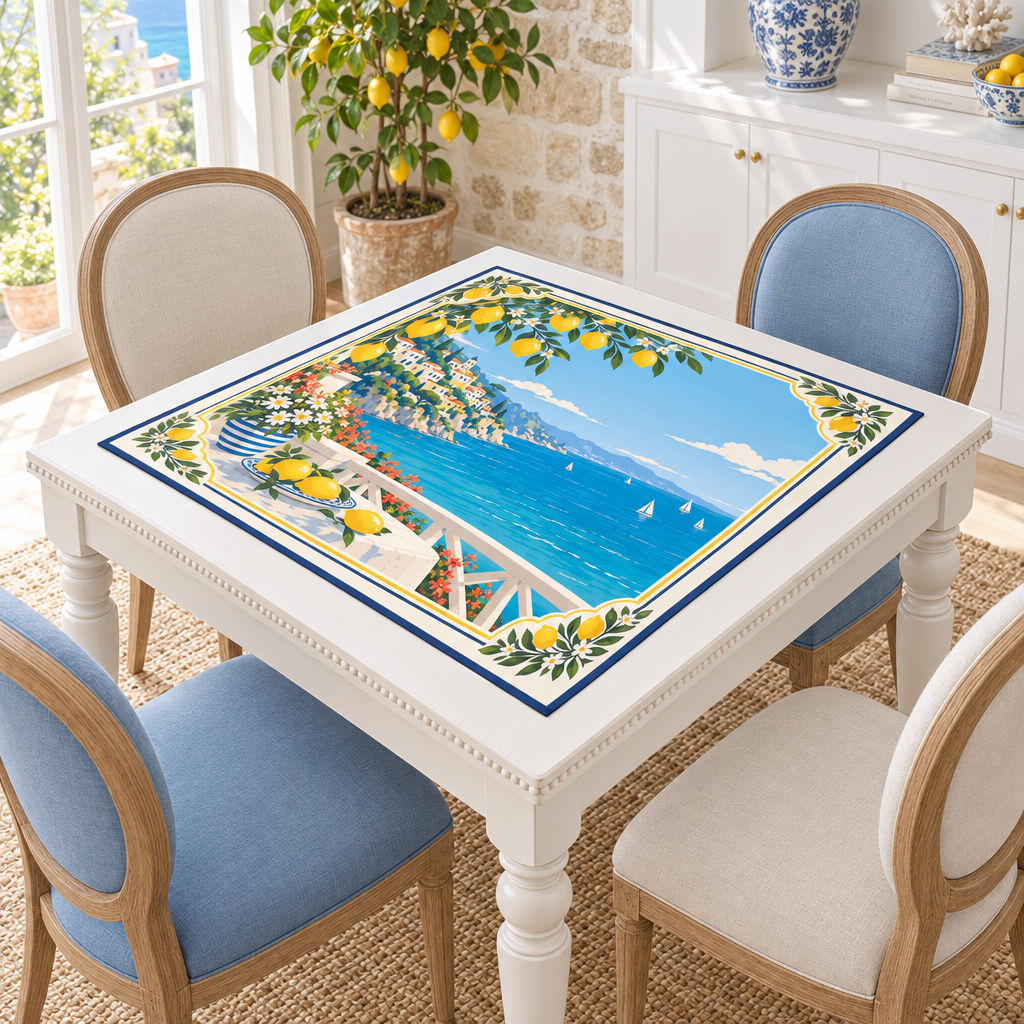
Centerpiece Comparison: What Fits Your Style?
Setup Type | Best For | Visual Impact | Effort to Set Up | Why It Works |
Engraved acrylic set + solid mat + matching racks | Weekly hosts, gift-givers | High—tiles and engravings catch light | 10 min | Personal touch; modern look; lasts years |
Themed seasonal set + holiday mat | Holiday parties, occasional games | Very high—instant festive mood | 5 min | Limited use; feels special; storage simple |
Minimalist set (solid colors) + neutral mat | Understated homes, modern décor | Medium—clean lines, professional feel | 8 min | Timeless; won't clash; pairs with any room |
Mixed vintage + new tiles + colorful mat | Eclectic collectors | Medium–high—lived-in charm | 15 min | Tells a story; conversation starter; unique |
Travel-friendly compact set + drawstring bag | Mobile players, small spaces | Low—function over form | 3 min | Practical; storage effortless; portable |
🀄 Shop best-selling mahjong sets →
Step-by-Step: Building Your Centerpiece
Choose your set base: Decide on tile size (acrylic or resin), color, and whether you want custom engravings. A best-selling engraved American mahjong set is a good starting point for most hosts.
Select a mat: Pick one that contrasts with your tile colors and fits your table size. A mahjong mat centers the game visually and protects your table from wear.
Add racks with pushers: Choose finishes that echo your set's material (metal, wood, or acrylic). Racks with pushers hold tiles upright and frame the play area.
Organize extras: Place the spare jokers, dice, and a reference card in a small tray or pouch beside the mat—visible but not cluttering.
Test the layout: Arrange everything the morning of game day. Take a photo to see how it looks from seated height and from doorway distance.
Adjust lighting: Dim overhead lights or angle a table lamp to highlight tiles without glare. Test readability from across the table.
Leave it set: Even between games, keep the centerpiece intact. It becomes part of your home's identity and signals to guests that mahjong is a regular ritual here.
What to Check Before You Buy
Table dimensions: Measure your playing surface. A mat and set should leave room for each player's rack without crowding.
Tile visibility: If you or your players have vision concerns, choose larger acrylic tiles over smaller ceramic or bamboo options.
Engravings: Request a proof or sample if personalizing. Fine text can be hard to read on busy tile faces.
Mat material: Rubber-backed mats grip better than fabric-only versions and won't slip during shuffling.
Rack compatibility: Confirm racks fit your tile size. Mismatched racks and tiles look unfinished.
Storage space: Ensure you have a shelf or cabinet for the set when not in use. A mahjong bag protects tiles and frees table space.
Seasonal relevance: Themed or holiday sets are stunning but may feel out of place outside their season—plan storage or rotation.
✨ Find your Mahstead set — free US shipping →
Why Centerpiece Details Matter
Your centerpiece tells your guests something before the first tile is shuffled: that you care about the experience, that this game is a tradition in your home, and that you're thinking about beauty alongside function. It also serves a practical purpose—a well-arranged setup helps players spot tiles quickly, reduces fumbles, and keeps the energy flowing. When a set is engraved with your group's name or a cherished date, it becomes a shared artifact, a reason to return week after week. A thoughtfully chosen mat and rack setup becomes part of game-night ritual, as familiar and comforting as the rules themselves. The centerpiece is where function and meaning meet: it's the stage for your game.

FAQ
Can I use a decorative, non-functional centerpiece set and play with a different set?
Yes, but it defeats the purpose. Most players enjoy using their display set for actual play—the centerpiece is the game. If you love a particular look but want practicality, choose a set built for both: durable, readable tiles in an attractive design you'll use every game night.
What's the most durable material for a centerpiece set that gets heavy use?
Acrylic tiles resist scratches and fading better than painted resin over years of weekly play. Bone and bamboo are beautiful but stain and wear; plastic is budget-friendly but feels less substantial. For a centerpiece meant to impress and last, acrylic is the sweet spot.
Should I engrave player names or keep the set generic?
Personal engravings (names, dates, group nicknames) make the set a keepsake and a conversation starter—guests feel honored. Generic designs are timeless and work for casual hosting or if your player group changes. If your game is stable and you host the same players regularly, engravings are worth the investment.
How often do I need to replace or refresh a centerpiece set?
A well-maintained acrylic set lasts indefinitely as a centerpiece. Tiles don't wear out from display. If you play heavily (multiple times a week) for years, some tiles may develop micro-scratches, but they remain playable. Most hosts keep the same set for 10+ years.
Can I mix vintage centerpiece tiles with modern jokers and racks?
Yes, and many collectors do this intentionally. The mix adds character. Just ensure the tile size is consistent—old and new American sets should use the same scale. Mismatched sizes look accidental rather than curated.
What's the best way to photograph a mahjong centerpiece for social media?
Shoot from above at a 45-degree angle to show tile faces and mat design. Use natural or warm artificial light to avoid glare on acrylic. Include one player's hand or a player in soft focus in the background to show scale and life. A clear, uncluttered background makes the set the star.


View More
View More
View More
