
Mahjong Banned in China: History, Myths & Modern Play
Last updated: Nov 23, 2026
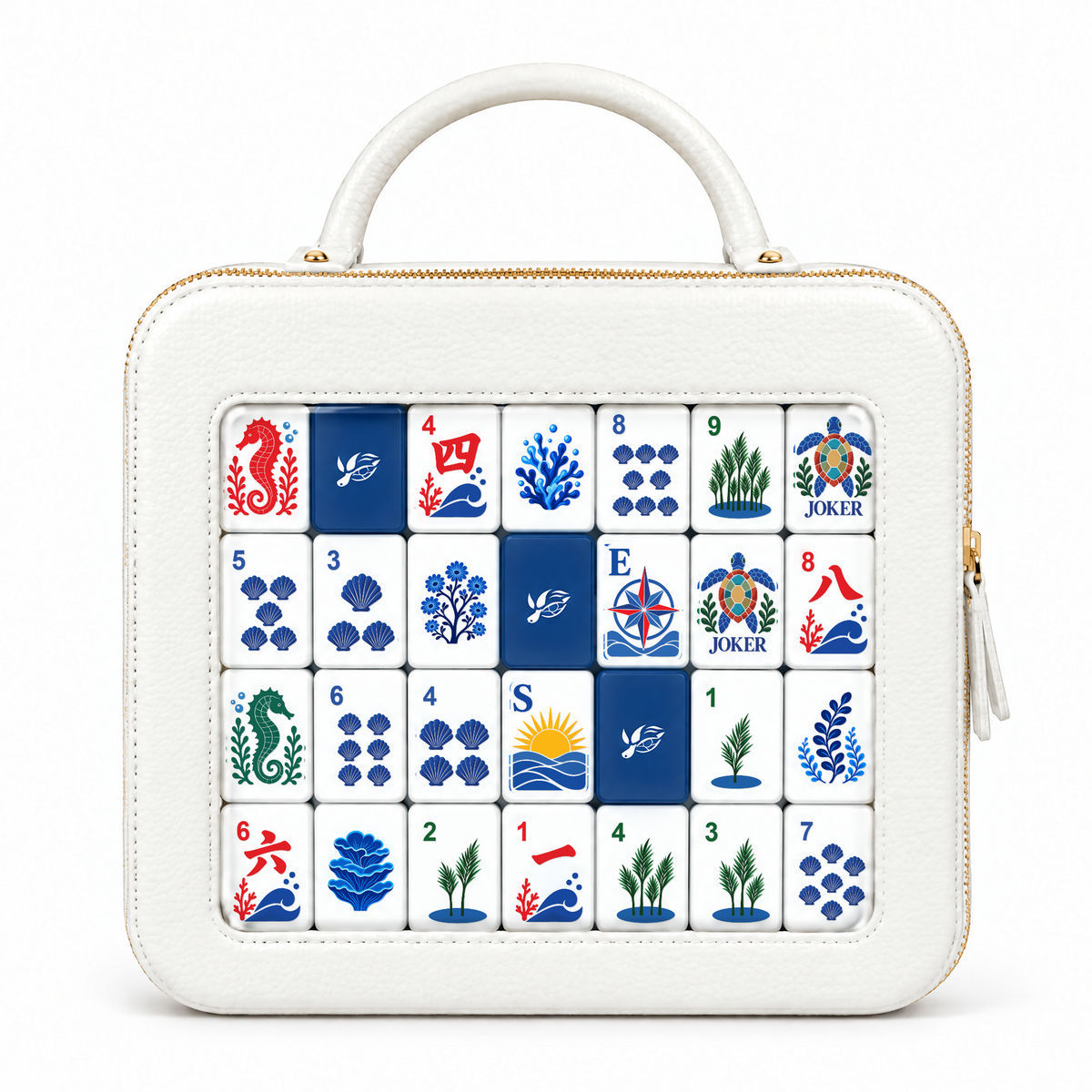
Mahjong was never permanently banned across all of China, though it faced legal suppression during specific periods. From the 1940s through the 1980s, mainland Chinese authorities discouraged or restricted mahjong as a "feudal" or "capitalist" pastime associated with gambling. Taiwan and Hong Kong experienced similar pressures. Today, mahjong is legal and widely played in China, often promoted as cultural heritage. The confusion stems from conflating gameplay with gambling (still illegal in most contexts) and misreporting Cold War–era restrictions as blanket bans. Mahstead players in the U.S. enjoy American mahjong free from such historical baggage—a distinct social variant with its own elegant rules and best-selling tile sets designed for weekly games.
Mahjong has faced periods of restriction in China—but the full story is far more nuanced than a simple "ban." From the 1940s through the 1980s, mainland Chinese authorities discouraged or restricted mahjong as a "feudal" or "capitalist" pastime associated with gambling. Taiwan and Hong Kong experienced similar pressures. Today, mahjong is legal and widely played in China, often promoted as cultural heritage. The confusion stems from conflating gameplay with gambling (still illegal in most contexts) and misreporting Cold War–era restrictions as blanket bans.
Was mahjong actually banned in mainland China?
Not permanently or absolutely. Between the 1940s and late 1980s, mainland China restricted mahjong play—especially in public or for money—as part of campaigns against "feudal" culture. Authorities viewed the game as decadent. The ban was sporadic, enforced unevenly, and lifted informally by the 1990s. Families played privately throughout. Modern China officially recognizes mahjong as cultural heritage, hosts tournaments, and teaches it in schools.

Why did China restrict mahjong if it's a traditional game?
Communist and Nationalist governments both saw gambling as a social ill. Mahjong, historically played for stakes, became a symbol of pre-revolutionary excess. Officials conflated the game with betting—a conflation that persists today. In reality, mahjong can be played recreationally (no money, no stakes) or competitively. This distinction matters: recreational play was always safer from restriction, but social stigma made enforcement inconsistent and culturally contentious.
What about Taiwan and Hong Kong—were they affected too?
Yes. Taiwan restricted mahjong during periods of strict social policy, though enforcement was lighter than on the mainland. Hong Kong, under British rule, allowed mahjong freely in private settings but discouraged public gaming halls. After 1997, Hong Kong maintained legal recreational play while cracking down on organized gambling. Both regions now host thriving mahjong communities and competitive tournaments, with no legal barriers to casual play.
How does this history differ from Western mahjong bans?
The West never banned mahjong as a game—only gambling on mahjong outcomes. American mahjong emerged partly because players in the U.S. (1920s onward) adopted a standardized, tournament-friendly ruleset that separated the game from money play entirely. Our American mahjong ruleset uses the National Mah Jongg League card, emphasizes skill and the Charleston tile exchange, and is designed for friendly weekly groups. Recreational American mahjong tables face no legal pressure; only organized gambling does.

Is mahjong banned anywhere today?
Mahjong is legal and widely played globally. Gambling on mahjong outcomes remains illegal in many jurisdictions (including most U.S. states and mainland China), but the game itself is not restricted. Online mahjong platforms exist legally in many countries. Cultural and competitive mahjong—the versions played at community centers, synagogues, and senior centers—face zero bans anywhere.
Comparing Play Across Regions
Region | Legal Status | Typical Play Style | Social Context |
Mainland China | Legal (recreational) | Mixed money & casual | Community centers, family |
Taiwan | Legal | Competitive & casual | Clubs, tournaments, homes |
Hong Kong | Legal (private/casual) | Social & tournament | Mahjong parlors, clubs |
U.S. (American rules) | Legal | Recreational, no stakes | Weekly groups, tournaments, homes |
🀄 Shop best-selling mahjong sets →
What role did gambling play in the "ban" narrative?
Gambling is the crux. Mahjong became inseparable from money play in early 20th-century urban China, Japan, and the Chinese diaspora. Authorities conflated the game (skill-based, social, traditional) with betting (financial risk, addiction, organized crime). When governments restricted mahjong, they were explicitly targeting gambling, not play itself. But messaging was poor—"mahjong banned" was easier to repeat than "mahjong for money prohibited." The myth persisted. In contrast, American mahjong communities adopted a scorekeeping system (no cash) from the start, insulating the game from legal scrutiny.
How has mahjong recovered in China since the restrictions?
Since the 1990s, mahjong has undergone quiet cultural rehabilitation. By the 2000s, China began promoting mahjong as intangible cultural heritage. Today, the Chinese Mahjong Association runs official tournaments. Universities teach mahjong strategy. State media celebrate the game's history and cognitive benefits. The shift reflects confidence in separating casual play from gambling regulation. Younger Chinese players learn mahjong alongside chess—treated as a mind sport, not a vice.
What players get wrong about mahjong history
Many Western players assume mahjong was "banned" outright or that the game is inherently linked to gambling and organized crime. Neither is true. Mahjong is a skill game; wagering money on it is what authorities targeted. Similarly, conflating Chinese, Hong Kong, and American mahjong rules leads to confusion. American mahjong is a distinct social variant with no connection to the historical restrictions. The game you play weekly with engraved custom sets and protective mats operates in a legal, social, fully transparent context.
🎁 See our most-loved mahjong sets & accessories →
Why American mahjong thrived while Chinese mahjong faced restrictions
American mahjong emerged in the 1920s as an intentional redesign. It standardized rules, removed money play from the core game, and emphasized the Charleston (a democratic tile-exchange phase before play). This design insulated American mahjong from gambling stigma. By the 1960s, the National Mah Jongg League formalized the ruleset and annual card, turning American mahjong into a tournament-friendly, scorekeeping social game. Chinese, Hong Kong, and Taiwanese variants, by contrast, retained flexibility in rules and often involved betting—making them more vulnerable to legal restriction during anti-gambling campaigns. Today, both traditions coexist legally; American players benefit from a heritage deliberately stripped of gambling pressure.
Modern competitive mahjong and cultural prestige
China, Taiwan, and Hong Kong now host international mahjong competitions—World Mahjong Championships, national tournaments, university leagues. These events use standardized rulesets (often Hong Kong rules) and attract elite players. Prize money is legal; wagering is not. The shift signals full cultural legitimacy. American mahjong also has official tournaments (National Championship, regional qualifiers) and scoring standards, but emphasizes social play over prize pools. Both are legal, respected, and growing.
✨ Find your Mahstead set — free US shipping →
What to check before you buy a mahjong set
If you're building a weekly game group and want to avoid the baggage of historical bans or modern gambling concerns, commit to American mahjong rules and scorekeeping. Invest in a 160-tile acrylic set with a durable mat and racks with pushers—equipment that signals serious, rule-bound play. Get a current National Mah Jongg League card so all players read the same hand list. Pair this with a travel bag if you rotate hosting. This setup—clear rules, consistent tiles, dedicated gear—creates a legal, transparent, community-centered game free from historical or modern legal ambiguity.

FAQ
Did China ban mahjong permanently?
No. Mainland China restricted mahjong from the 1940s–1980s as part of anti-gambling campaigns, conflating the game with betting. Restrictions were sporadic and lifted informally by the 1990s. Mahjong is fully legal and culturally celebrated in modern China.
Is mahjong still banned anywhere today?
Mahjong itself is legal everywhere. Wagering money on mahjong outcomes is illegal in many jurisdictions (mainland China, most U.S. states), but recreational and competitive play are permitted and growing.
Why did the ban happen if mahjong is a traditional Chinese game?
Authorities conflated mahjong (the game) with gambling (money play). Urban mahjong culture was historically tied to betting, organized vice, and organized crime, making it an easy political target during clean-up campaigns.
How is American mahjong different from Chinese mahjong regarding bans?
American mahjong was designed in the 1920s to exclude money play and emphasize social scorekeeping. It never faced legal restriction in the U.S. The National Mah Jongg League standardized rules specifically to separate the game from gambling.
Can I play mahjong legally in China today?
Yes. Recreational and competitive mahjong is fully legal. Organized wagering remains prohibited, but casual play—in homes, community centers, and clubs—is encouraged and celebrated as cultural heritage.
What's the difference between recreational and competitive mahjong legally?
Recreational mahjong (no money, friendly scores) faces no legal barriers anywhere. Competitive mahjong (tournaments, prizes) is legal where gambling regulations allow prizes; wagering among players is what most jurisdictions prohibit.


View More
View More
View More
