
Mahjong Aluminum Case: Which Style Fits Your Game?
Last updated: Nov 23, 2026
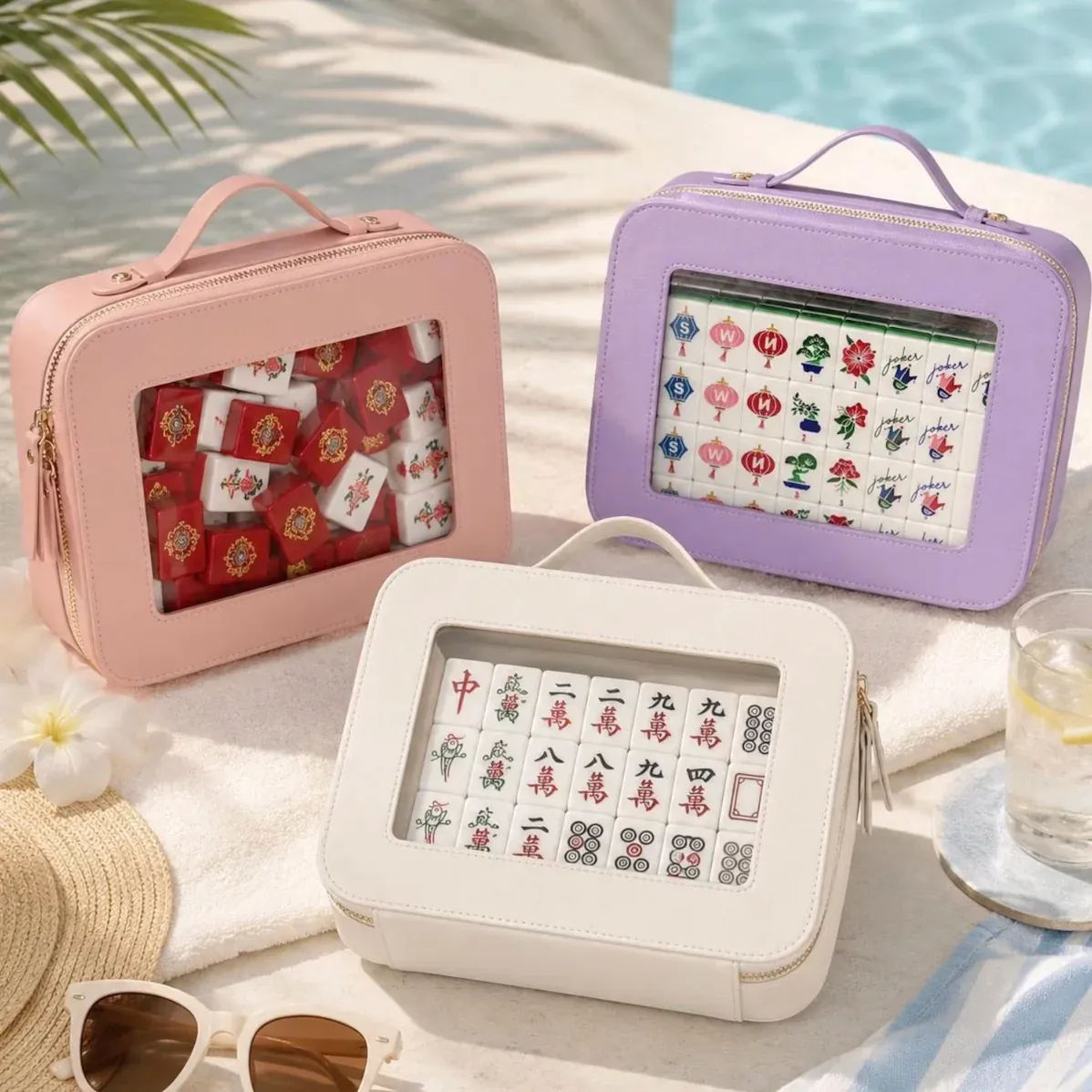
A mahjong aluminum case is a hard-sided protective container designed to hold a full 160-tile set, mats, racks, pushers, and dice during storage and travel. Cases typically measure around 18–22 inches long to accommodate our best-selling mahjong sets, with interior foam or dividers. They weigh 5–8 pounds empty and cost range from mid-tier to premium depending on latch design and internal organization. Aluminum cases protect tiles from moisture, dust, and impact—critical if you host weekly games or transport sets to tournaments. Avoid thin-walled cases without interior padding; they dent easily and offer poor tile protection. Mahstead customers pair our 160-tile acrylic sets with aluminum cases for durability over years of play.
An aluminum mahjong case is a hard-sided protective container designed to hold a full 160-tile set, mats, racks, pushers, and dice during storage and travel. Cases typically measure around 18–22 inches long to accommodate our best-selling mahjong sets, with interior foam or dividers. They weigh 5–8 pounds empty and are engineered for long-term tile protection. Aluminum cases protect tiles from moisture, dust, and impact—critical if you host weekly games or transport sets to tournaments. Avoid thin-walled cases without interior padding; they dent easily and offer poor tile protection. Mahstead customers pair our 160-tile acrylic sets with aluminum cases for durability over years of play.
🀄 Shop best-selling mahjong sets →
What's actually inside an aluminum mahjong case?
A typical aluminum case holds one complete 160-tile set, two to three mahjong mats, a full set of racks with pushers, dice, and score sheets—everything needed for a four-player game. Interior space is divided by removable foam trays or soft dividers that keep tiles in individual slots, preventing tile-against-tile friction and noise during transport. Some cases include a lower tray for mats rolled or folded flat. The lid usually closes with two latches or a center lock, and rubber feet prevent the case from sliding on tables. Weight distribution matters: a 20-inch case holding a full set plus mats weighs 18–22 pounds, so handle it with both hands or use a dolly for long distances.

Hard case vs. soft bag—which one wins for mahjong?
Hard aluminum cases offer rigid structure, weather protection, and long-term durability; soft bags (nylon, canvas) weigh less and pack into closets easier but offer less impact protection and can absorb moisture. For players who host weekly games in a climate-controlled home and rarely travel, a soft-sided bag works fine. For tournament play, frequent car transport, or humid regions, aluminum is non-negotiable—tiles are hygroscopic and swell in moisture, risking warping and stick. Aluminum cases also stack better in storage without deforming. Cost is higher upfront but amortizes over 5+ years of weekly play, whereas soft bags may need replacement every 2–3 years if used heavily. Our travel-bag collection includes both types; choose based on how often you move your set and how much impact it faces.
How to measure and pack your mahjong set properly
Before buying a case, measure your assembled set: place your 160-tile acrylic tiles in a single layer on a flat surface and note the footprint (typically 14 × 16 inches), then stack the racks and add mats folded. A case must be at least 2–3 inches deeper than your stacked contents to close comfortably without forcing latches. Interior width should exceed your mat folded width by 1 inch minimum to prevent crimping. When packing, lay tiles in their case dividers first, then racks on top, then mats on the very top or in a separate lower tray if available. Place dice and score sheets in the lid pocket or a small zippered pouch taped inside. Never stack loose tiles directly in a case without a tray—they shift during transport and jam. Test the latches lightly before full closure to ensure nothing is pinched.
Case Style | Best For | Weight | Durability | Cost Tier |
Aluminum, full dividers | Weekly home games, occasional tournaments | 7–8 lbs empty | 5+ years, dent-resistant | Premium |
Aluminum, foam tray only | Frequent travel, road trips | 6–7 lbs empty | 4–6 years with care | Mid |
Soft-sided hard shell | Light travel, apartment storage | 3–4 lbs empty | 2–3 years | Budget |
Soft canvas bag | Home storage, minimal transport | 1–2 lbs empty | 1–2 years | Budget |
🎁 See our most-loved mahjong sets & accessories →

Why aluminum beats cardboard (and cloth) every time
Cardboard boxes warp after one humid summer and collapse under their own weight after a year of stacking. Cloth cases absorb odors, dust, and mildew if stored in a basement or garage. Aluminum is non-porous, fire-rated, and rigid—it keeps your set looking new after a decade. It also protects against accidental spills (a cup of tea near the case won't seep through). Aluminum latches outlast plastic snaps by 5–10 years because they don't fatigue from repeated opening and closing. The trade-off is weight: an aluminum case full of tiles weighs as much as a small suitcase, so if you have wrist or shoulder issues, a hybrid approach works—pack mats in a soft bag for trips, keep tiles in aluminum at home. For serious players who host weekly games, aluminum is a one-time investment that pays for itself in peace of mind.
What to check before you order an aluminum case
Interior layout. Confirm the case has individual tile slots or a removable foam tray—loose tiles rattle and risk chipping acrylic. Verify the number and size of dividers match your tile count (160 tiles in our standard sets).
Latch type. Two-point latches are quieter and faster than butterfly or carabiner locks; center locks are easiest for one-handed operation but wear faster if opened 50+ times yearly.
Depth clearance. Measure your mats rolled or folded and confirm at least 1 inch of clearance above your tiles. Cases that require you to force-close risk cracking acrylic corners over time.
Handle style. Recessed handles won't snag on furniture; protruding handles make the case taller in a closet but easier to grip with gloves on.
Interior finish. Powder-coated steel interiors resist scratches better than bare aluminum; foam-lined cases cost more but reduce vibration noise during transport.
Weight rating. Check the maximum load capacity—most aluminum cases hold 25–30 pounds safely. A full set plus three mats plus racks approaches 20–22 pounds, leaving safe margin.
✨ Find your Mahstead set — free US shipping →
Pairing your case with the right mahjong set
An aluminum case is only as good as the tiles inside. Our engraved American mahjong sets in acrylic are built for repeated play and won't yellow or chip like cheaper resin sets. A 160-tile acrylic set with custom engraving fits snugly in a case with standard foam dividers and protects your investment. If you're buying a case for a gift, pair it with one of our most-loved collections—the case becomes part of the presentation and signals serious play. For holiday hosting, a Christmas mahjong set paired with an aluminum case and a matching mat creates a complete, shippable package with free US delivery.
FAQ
Can I fit two mahjong sets in one aluminum case?
No. A 160-tile set plus mats and racks fills a standard 20-inch case completely. Two sets require two cases or a much larger (expensive) trunk.
Do aluminum cases need interior padding, or will tiles survive plastic trays alone?
Padding is essential. Plastic trays alone allow tiles to vibrate and click during transport, and acrylic can chip at edges. Foam or felt-lined dividers absorb shock and reduce noise.
How much does an aluminum mahjong case weigh when full?
A full case (tiles, mats, racks, dice) typically weighs 18–22 pounds depending on case size and mat material. Check the weight before ordering if you have lifting limits.
Will a mahjong aluminum case survive airline baggage handling?
Yes, if the latches are secure and the case meets size limits. Aluminum withstands impacts; use TSA-approved locks on the latches to prevent forced opening.
What's the difference between a case designed for mahjong vs. a generic tool or camera case?
Mahjong cases have tile-specific dividers and interior dimensions sized for 160-tile sets plus mats. Generic cases force you to buy foam inserts separately and may be too deep or narrow, risking tile damage.
Can I store an aluminum mahjong case in a humid garage or basement?
Yes. Aluminum won't rust, but check interior dividers for moisture. Use silica gel packs inside to keep humidity low, especially if your tiles are acrylic (which can swell slightly in very humid conditions).
How often should I open and inspect my case and tiles?
Every 3–6 months if you play weekly. Check for loose tiles, cracked dividers, and moisture inside. Tighten any loose hinges or latches before they fail mid-game.


View More
View More
View More
