
Where to Learn Riichi Mahjong: Clubs, Online & In-Person
Last updated: Nov 23, 2026
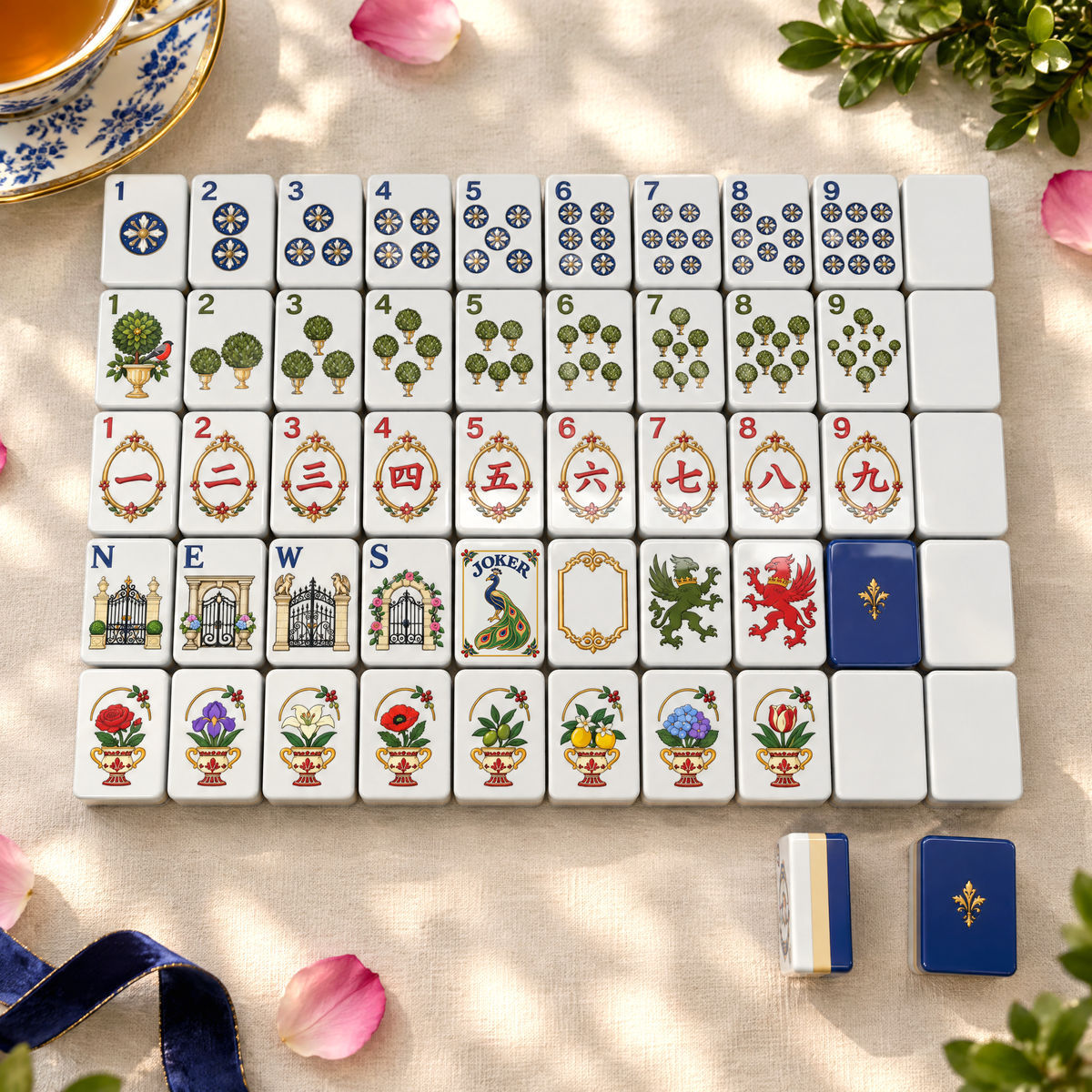
Riichi mahjong is played with 136 tiles (four suits: Bamboo, Circle, Character, plus Honors), features open calling and a discard phase, and draws players who want speed and strategy without the American card dependency. You can learn at Japanese community centers, gaming cafes in urban areas, and dedicated online platforms (Mahjong Soul, Tenhou, Reach Mahjong Online). Most beginner-friendly clubs run 6–12 week intro courses; online platforms offer free-to-play practice with ranked matches. The learning curve is 4–8 weeks for solid fundamentals, 6 months for tournament readiness. Unlike American mahjong's rigid annual card, riichi strategy rewards hand-pattern recognition and real-time tile reading. Costs range from free online play to modest club membership fees; we recommend starting free online to confirm interest before committing to in-person tuition, then adding a best-selling acrylic set once you decide to host home games.
What is riichi mahjong and how does it differ from American?
Riichi mahjong uses 136 tiles split into four families: Bamboo (1–9), Circle (1–9), Character (1–9), and Honors (winds + dragons). Players call melds openly mid-game—anyone can claim a discarded tile to form a pung, kong, or sequence (chow). The hand-winning mechanic revolves around waiting patterns (tenpai) and declaring "riichi" (a one-point wager) to lock your hand and signal you're one tile from victory. American mahjong, by contrast, uses 152 tiles, draws only from an annual National Mah Jongg League card, forbids sequences in play, and never allows open calling on all three meld types. Riichi rewards pattern memory and snap reads; American rewards card literacy and defensive positioning.

Where can you find in-person riichi mahjong clubs?
Japanese community centers in major cities host weekly or biweekly beginner circles; contact yours directly or check their events calendar online. Gaming cafes and mahjong parlors (especially in areas with significant Japanese populations: California, New York, Texas) often run casual tables or lessons. University Japanese cultural clubs sometimes organize weekend games. Your best approach: search "[your city] riichi mahjong club" or "mahjong cafe," check community center bulletin boards, ask at local Japanese restaurants, or browse Meetup.com for "mahjong" groups—many list variant preference. Many clubs require no prior experience and charge a small per-session or monthly fee to cover table rental and tiles. Call ahead to confirm beginner slots; some clubs have open nights, others require reservation.
🀄 Shop best-selling mahjong sets →
What online platforms teach riichi mahjong for free?
Three platforms dominate: Mahjong Soul (browser-based, cartoon graphics, easy-to-read UI, steep learning curve after rank 5), Tenhou (Japanese interface, more hardcore, free unlimited play), and Reach Mahjong Online (newest, English-friendly, matchmaking by skill level). All three let you start free, play unlimited practice games, and learn against bots or live players. Mahjong Soul offers in-game tutorials and a discord community with English speakers. Tenhou has the largest player base globally and is used in some official tournaments, though its interface demands patience. Reach Mahjong Online explicitly targets English learners and includes a rule guide linked to each hand. Start with the platform whose community language matches yours; switch if the culture doesn't fit. Most players combine 2–3 platforms: free practice on one, ranked climbing on another, and specific skill drills on a third.
How long does it take to go from beginner to tournament-ready?
Most players grasp hand-forming logic and tile-discard safety within 4 weeks of 3–4 hours weekly play. By week 8, you'll recognize winning patterns, read discards defensively, and avoid gross mistakes. Tournament readiness—consistent positive point ranking, sharp tile psychology, defensive discipline—takes 4–6 months of focused play (8+ hours weekly) and study of hand probability tables. A structured path: weeks 1–4 (online free play, daily 30 min), weeks 5–12 (join an in-person club twice weekly, watch YouTube hand breakdowns), months 4–6 (attend open tournaments, study specific scenarios). Online rank correlates loosely to in-person skill; a Tenhou 4-dan player is tournament-viable but not designed to place. The honest truth: speed improves fastest; strategy improves slowest. Join a club at week 4, not week 12.
Learning Phase | Time | Format | Focus | Next Step |
Basics (tiles, melds, winning) | 2–3 weeks | Online free play | Pattern recognition, rule comfort | Join a club |
Intermediate (discards, safety, reads) | 4–8 weeks | Club + online ranked | Defensive strategy, tile memory | Study probability |
Advanced (psychology, edge cases, tournament prep) | 3–5 months | Club + tournaments + study groups | Hand optimization, point management | Tournament entry |

What resources and study materials accelerate progress?
YouTube channels (Mahjong Tavern, Eurozero's English riichi guides, and channels in your club's language) break down hand theory and real-game analysis. Discord communities tied to Mahjong Soul and Tenhou offer peer feedback and strategy threads. Hand probability tables and "yaku" (winning hand pattern) charts are available free online; print them and drill daily. Books: "Riichi Mahjong Tactics" (English translations of Japanese strategy texts) and club-provided beginner handouts often cover yaku, discard safety, and tile-reading frameworks. Study partners: pairing with someone at your level accelerates learning; set weekly study goals (e.g., "master 5 yaku this week"). Most clubs lend tiles and basic rule sheets; if you decide to host home games with friends as you progress, a durable acrylic mahjong set with clear tile markings eliminates squinting and speeds up pattern recognition practice.
🎁 See our most-loved mahjong sets & accessories →
How do you choose between online play and in-person clubs?
Modality | Pros | Cons | Best for |
Online free | Instant access, no cost, play 24/7, ranked feedback | Slower pace, no hand-reading tells, can be isolating | Confirming interest, off-hours drills, housebound players |
In-person club | Real reads, social accountability, structured teaching, live psychology | Commute, scheduling, upfront club fees, fewer practice slots | Serious learners, hand-reading depth, community |
Hybrid (online + club) | Fast skill gain, diverse practice, peer + computer coaching, low churn | Time commitment, higher overall cost | Fastest progression, tournament prep |
Beginners should start online to avoid club intimidation and confirm the game fits their interest. Add an in-person club by week 4–6 if you're enjoying it. Hybrid players progress fastest: online ranked play builds speed and pattern recall; club play trains live psychology and discard reads. If you plan to host casual games later, start with online to know the hand taxonomy, then use a riichi-friendly acrylic set at home—136 tiles, clear suit markings, and durable plastic survive frequent play and teaching moments.
✨ Find your Mahstead set — free US shipping →
What to check before you commit to a club or platform
For in-person clubs:
Confirm beginner welcome (ask "Do you teach rank beginners?").
Check cost per session and whether payment is pay-as-you-go or monthly.
Verify meetup frequency and start date (many run seasonal cohorts).
Ask if tiles and racks are provided or if you bring your own.
Confirm language of instruction and whether English-speaker mentors exist.
For online platforms:
Download and complete the tutorial; spend 1 hour free before judgment.
Check if the interface feels natural to you (graphics, menu speed, chat moderation).
Verify player base size during your likely play hours (small communities = long waits).
Read recent community posts about toxicity or bugs; avoid platforms where learners report harassment.
Confirm whether mobile and desktop versions sync (matters if you play across devices).
For home hosting:
Before buying your own set, borrow or play at a club with their tiles first—confirm you like the tile feel, size, and sound.
If you decide riichi mahjong is your long-term hobby, our best-selling acrylic sets are designed for frequent teaching and play; acrylic tiles are durable, quiet, and easy to read under varied lighting.

FAQ
Can I learn riichi mahjong without a club nearby?
Yes, completely. Start free on Mahjong Soul or Tenhou, play 1–2 hours daily for 6 weeks, watch YouTube guides, and join a Discord study group. You'll reach tournament-viable skill without ever meeting another player in person. Adding a club later deepens your reads but isn't required.
What's the cost to join a riichi mahjong club?
Most beginner-friendly clubs charge a one-time orientation fee (if any) and then per-session fees (typically enough to cover room rental and tiles), or a monthly membership. Contact your local club directly for exact pricing; many offer a first free session or trial month.
How is riichi mahjong different from Hong Kong mahjong?
Riichi uses 136 tiles, open melds including sequences (chows), and a discard-phase declaration (riichi). Hong Kong uses 152 tiles, also allows open sequences, but emphasizes different winning patterns and does not require a riichi wager. Both are faster than American mahjong and simpler to learn than the American rule set.
Do I need to read Japanese to play riichi mahjong?
No. Online platforms have English interfaces (Mahjong Soul especially). In-person clubs in English-speaking countries use English instruction and English-marked tiles. A handful of yaku (winning hand names) are traditionally in Japanese, but clubs provide cheat sheets. You'll naturally pick up 10–15 key Japanese terms within a month of regular play.
Should I buy my own tiles before joining a club?
Not immediately. Borrow or use the club's tiles for your first 4–6 weeks; you'll learn what tile feel, size, and sound you prefer. If riichi becomes a regular hobby and you want to host friends, then buy a set. Most serious players own one personal set but still use club tiles for official play.
What's the biggest beginner mistake in riichi mahjong?
Discarding tiles unsafely too early. Beginners often throw tiles that could complete an opponent's hand without tracking the discards pile. Spend your first month watching discard sequences, not just your own hand. Ask club mentors to review your risky discards after each game.


View More
View More
View More
