
Luxury Mahjong Dice: How to Choose Quality, Precision & Style
Last updated: Nov 23, 2026

Luxury mahjong dice are precision-cast acrylic cubes—typically 16–18 mm—that roll with balanced weight and feature clean engraving or hand-painted pips. We stock them as part of best-selling mahjong sets designed for weekly players who host or compete. Premium dice differ from standard mass-produced ones in edge clarity, pip accuracy, and how they feel in your hand—denser acrylic, sharper numbering, and consistent weight across all six faces. A luxury pair usually arrives in a set alongside engraved tiles, a embossed mat, and quality racks; standalone dice are sometimes sold as upgrades or replacements. Cost reflects material grade and finish quality rather than a brand name. What to avoid: dice with blurry pips, uneven weight (tested by rolling 20 times), or thin walls that crack under pressure. Mahstead dice come packed in foam and ship free across the US.
You're rolling the same dice four times a game, minimum. If they're cheap, you'll feel it by week three—then regret spending half the set cost to replace them. Luxury dice are the one component we never scrimp on, because they anchor the whole ritual. We've rolled thousands, and here's what actually matters when you're choosing.
Why does dice weight matter more than you think?
Unbalanced dice roll bias toward heavier sides, skewing the luck across hands—especially over seasons. A quality luxury die is cast in a single acrylic batch, with pips drilled after pouring so weight distributes evenly. Test this before buying: roll a die 20 times and log the result. A balanced luxury die shows no clear pattern; a cheap one favors 1–2 numbers within ten rolls. Precision matters because American mahjong players roll roughly four times per game for up to 40 games per season. Over time, biased dice shift who wins—bad for league play, worse for friendship. Mahstead dice are cast and hand-checked in small batches to ensure balanced faces.

What's the difference between engraved and inlaid pips?
Engraved pips are routed into the acrylic surface after casting and filled with contrasting ink or enamel; inlaid pips (rarer in dice) are set into wells during production. Engraved is the standard for luxury dice because it's durable—the fill bonds to the resin—and the edges stay crisp for years. Inlaid looks flatter, almost painted-on, and chips more easily if you drop a die on tile. Engraved also lets makers customize: you can order engraved American mahjong sets with matching dice bearing initials, seasons, or house names. The best luxury dice use UV-cured epoxy ink that won't yellow or fade under tabletop lights. When you're comparing options, ask whether pips are engraved or printed; printed pips wear off, especially on the faces you roll most.
How do size and grip factor into luxury vs. standard?
Luxury dice run 16–18 mm (slightly larger than budget dice at 14–16 mm) so they sit more comfortably in your palm and roll with audible authority. The bigger cube also means thicker walls—acrylic at 6–8 mm versus 3–4 mm on cheap dice—so they don't crack if you nudge them across the mat or stack them. Size also affects roll distance: larger dice tumble farther and settle more predictably, reducing wobble on felt or embossed surfaces. A luxury die should feel substantial, not hollow or rattly. If you host weekly games, bigger dice also signal to newcomers that you're serious about the game. Grip is personal—translucent frosted acrylic feels softer than clear high-gloss, and some players prefer beveled corners (sharper edges) to rounded ones (slower rolls). Before committing to a full set, hold a sample if you can; if ordering online, check product photos for corner radius and surface finish.
Which design styles actually add value versus hype?
Design | Who It's For | Why It Works | Longevity |
Classic white/ivory | Purists, tournament players | Neutral, pairs any mat or tile set | 10+ years, never dated |
Engraved initials/names | Groups with standing games | Personal ownership, conversation starter | 10+ years if UV-cured ink |
Themed colors (jewel tones, pastels) | Casual home players, gifts | Matches modern mats, visually cohesive | 8–10 years, fades if sun-exposed |
Marbled or speckled acrylic | Collectors, special occasions | One-of-a-kind, premium look | 10+ years, unique finish hides age |
Metallic or pearl finish | High-end sets, luxury players | Reflects light, feels upscale | 5–8 years, finish can dull with use |
The most durable styles are classic white and engraved solid colors because they hide wear and don't depend on finishes that fade. Marbled and speckled designs gain character over time—tiny scratches read as texture, not damage. Metallic and pearl finishes look stunning in year one but can dull under regular handling, especially if your group rolls on a mat with embossed texture. Engraved details (initials, house names) hold value if the ink is UV-cured epoxy; cheaper ink yellows or cracks. For investment pieces, order from sets that ship engraved American mahjong dice and tiles together—they're color-matched and will age as one.
🎁 See our most-loved mahjong sets & accessories →
How do you avoid buyer's remorse on luxury dice?
Order dice as part of a full set rather than standalone if this is your first luxury purchase; you'll match them to tiles, racks, and a mat, and you'll know everything arrived safe. Request sample photos if the vendor offers it—ask to see the pips close-up, the edge radius, and rolled dice on a neutral surface so you can judge roll distance. Check that the pips are engraved, not printed, and confirm the acrylic grade (virgin acrylic beats recycled for clarity and longevity). Ask whether dice are hand-checked for balance or machine-sorted; hand-checked is slower and pricier but worth it for serious play. Test-roll the dice in your first week: if one consistently favors a face or feels unbalanced, contact the vendor immediately—most luxury dice ship with a no-question exchange policy. Avoid buying dice in bulk unless you're a club or host a tournament; one set per player is enough, and dice last years. If you play weekly, budget for a replacement pair every 7–10 years, not annually.
✨ Find your Mahstead set — free US shipping →
What size and color dice work with your existing setup?
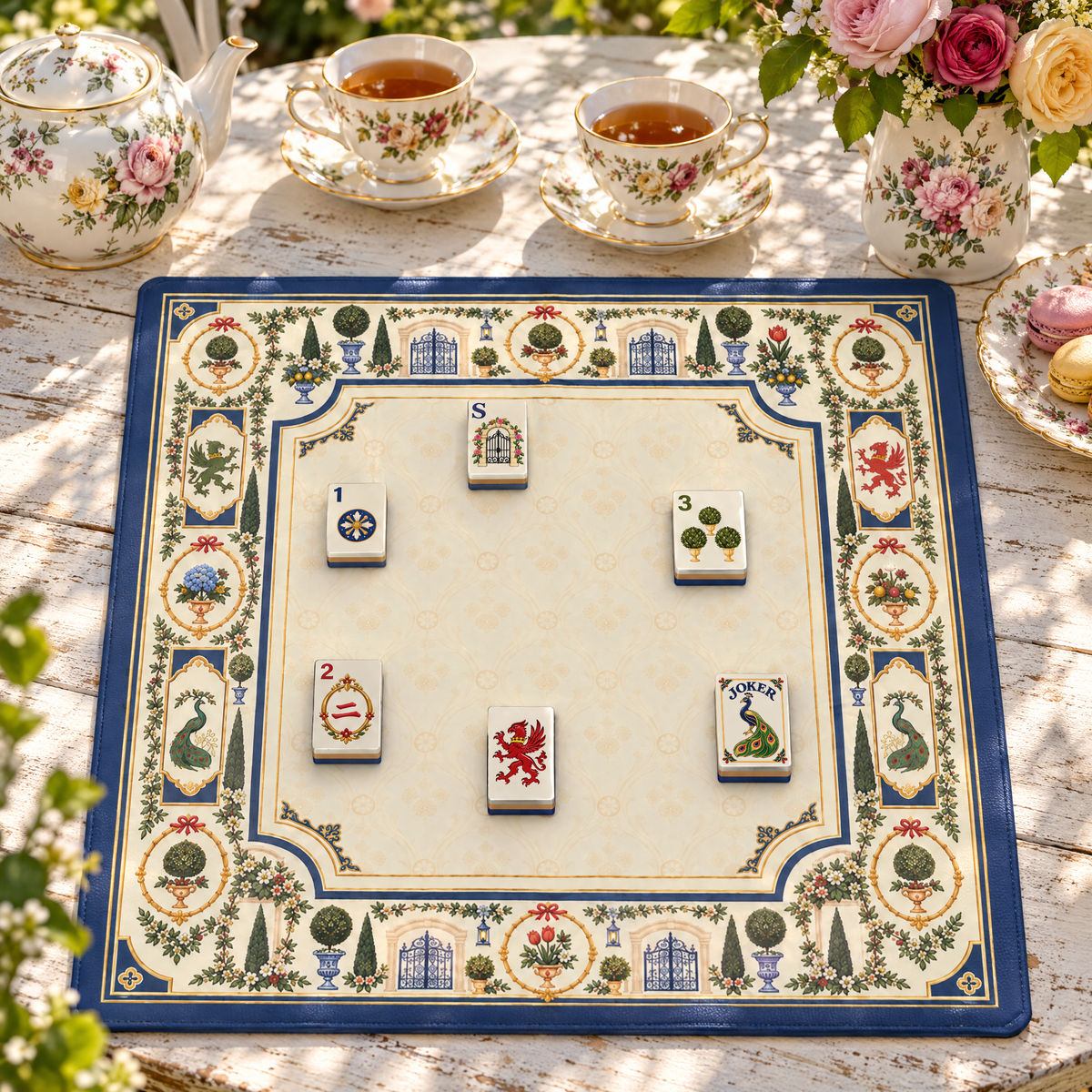
If you already own tiles, a mat, and racks, buy dice that echo one of those elements—don't create a fifth visual theme. A neutral white or ivory die pairs with any mat; a jewel-tone die (emerald, sapphire) picks up accents in modern mats or embossed surfaces. Size is fixed at 16–18 mm for luxury, so your main choice is finish: high-gloss reads formal, frosted reads approachable. Many serious players keep two pairs—one classic, one novelty—and rotate them, so dice stay fresh and you have a backup if one cracks. When ordering a full set, look at the mat and rack colors first; then order dice that tie them together. If you're gifting luxury dice as an upgrade to someone's existing set, photograph their current mat and tiles before you order—that way you're guaranteed a visual match. For next-level hosting, pair luxury dice with matching racks and pushers in the same finish—the coherence signals hospitality.
🀄 Shop best-selling mahjong sets →
What to check before you buy
Acrylic grade: Virgin (clear, bright) vs. recycled (milky, weaker). Virgin is always worth the difference.
Pip method: Engraved (routed + filled) vs. printed (surface). Engraved lasts 10+ years; printed fades in 2–3.
Weight uniformity: Roll each die 20 times. No consistent bias = good. If one number appears 8+ times, reject the pair.
Edge finish: Beveled (sharper) rolls farther; rounded (softer) feels safer in your hand. Pick based on mat texture.
Packing: Dice should ship in foam, not loose in the box. Loose dice arrive with chips or cracks.
Color match: Get a photo of your mat and tiles; confirm the dice vendor saw them before finalizing color.
Ink cure: Ask whether pips are UV-cured or air-dried. UV-cured holds color for a decade. Air-dried yellows in 2–3 years under table lights.
Ordering luxury mahjong dice is a one-time investment that pays dividends every time your group gathers. The difference between rolling premium dice and budget dice isn't about ego—it's about reliability, feel, and the ease of a game that flows without mechanical doubt.
FAQ
Can I buy luxury dice without buying a whole set?
Most vendors, including Mahstead, sell dice as part of best-selling mahjong sets. Standalone luxury dice are rare; if you need replacements, contact the original seller for a matched pair shipped within the US.
How long do engraved luxury dice actually last?
UV-cured engraved pips last 10+ years with weekly play. Air-dried inks yellow or crack within 2–3 years under table lights. Always confirm the cure method before ordering.
Are bigger dice (18 mm) always better than standard (16 mm)?
Bigger dice feel better in your hand and roll more predictably on embossed mats. If you play casually on a flat table, 16 mm is fine. For serious weekly play, 18 mm is worth the cost.
What's the cheapest way to get luxury dice?
Buy them as part of a bundled best-selling mahjong set rather than ordering dice alone. Bundle pricing spreads the cost across tiles, racks, and mats, so your per-item expense drops. Free US shipping also saves 10–15% versus separate orders.
Do I need to rotate pairs of dice to make them last longer?
Rotating pairs extends their visual life—constant use on the same two faces can dull high-gloss finishes. If you play 40+ times per year and want dice to look new at year ten, keep two pairs and alternate every other week.
How do I know if my dice are balanced before I order?
You can't test before you buy, but luxury vendors hand-check or machine-test every die. Request a photo or video of roll tests if available. Once they arrive, roll each die 20 times and log the results; balanced dice show no clear bias.


View More
View More
View More
