
Kitty Mahjong Rule Explained: How the Pool Works
Last updated: Nov 23, 2026
The kitty is a shared fund (usually the cost to set up the game or cover tiles and mats) that all four players contribute to equally before play starts. At game end, the winner collects double—once from each of the three losing players' individual accounts, and once from the kitty. Non-winners pay penalties into kitty (typically based on hand value per the scoring card) if they go out without winning or if they break certain rules. The kitty settles ties and covers shared expenses like hosting, tile replacement, or snack rounds; exact house rules vary by club and region, so always confirm your table's kitty rules before the first game.
What exactly is the kitty in American mahjong?
The kitty is a communal cash or chip pool that all four players seed equally at the start of each game. Think of it as the table's treasury—it covers shared costs (tiles, mats, refreshments, hosting) and acts as a buffer for penalties or consolation payouts. Unlike your personal account (which tracks wins and losses against other players), the kitty belongs to no one until it's disbursed. The size varies: some tables use loose change, others use chips or a running tally on paper. The key rule is transparency—everyone knows exactly how much is in the kitty before the first tile is drawn. Clarify your table's kitty amount and purpose before dealing; learn how to play American mahjong for more foundational rules.
How do players pay into the kitty?
All four players contribute equally to seed the kitty at game start—this is non-negotiable. If the table agrees the kitty covers one game's expenses, each player might put in the same amount (e.g., one unit per player). If the kitty also covers refreshments or mat rental for the season, the initial buy-in is larger and split evenly. During play, losing hands and rule violations add to the kitty: if a player draws out of turn or calls a tile incorrectly, they may owe the kitty a small penalty. The winner does not contribute additional payment; they collect from the kitty as part of their win. Write down the initial amount and any mid-game penalties on paper to avoid disputes. Every house has different rules—some kitties only accept end-of-game payouts, others penalize rule breaches immediately.
🀄 Shop best-selling mahjong sets →
Who wins the kitty and when?
The winner of the hand does not automatically collect the entire kitty—they collect from the kitty only once per win. Typically, the winner receives one full payout from the kitty (equal to the settlement amount per the scoring card for that hand). The winner also collects from each of the three losing players individually; the kitty payout counts as the fourth share. If no one wins (a dead hand or tie), the kitty may roll over to the next hand, or the table may split the kitty equally among all four players. Some house rules allow the kitty to double if no winner emerges in a set number of hands, creating higher stakes. The most common mistake: confusing kitty payout (one share) with triple payment from opponents (three separate shares). They are different; the winner gets all four.
Scenario | Kitty Payout? | Why | House Variation |
Player wins valid hand | Yes, once | Winner collects from kitty + three opponents | Some cap kitty payout |
No winner (dead hand) | No settlement | Kitty rolls to next hand or splits four ways | Depends on club rules |
Rule violation (wrong call) | Yes, offender pays kitty | Penalty fund grows | Amount varies |
Tie between two players | Split kitty equally | Kitty cannot go to one player only | Rare in American mahjong |
Entire game ends | Kitty goes to host/shared fund | Leftovers cover next game or refreshments | Usually agreed upfront |
Does kitty size affect the game strategy?
Yes, a larger kitty changes risk calculation and bluff behavior. If the kitty is large relative to individual payouts, players become bolder because a win pays out more, and a loss stings less. If the kitty is small, players play tighter defense, call tiles more cautiously, and avoid penalty situations. Competitive players use kitty size as a signal: a high kitty suggests a social game where big swings are tolerated; a low kitty signals a tight, conservative table. Your table's kitty rule should be stable across all games so players can predict payoff sizes. The kitty does not change hand difficulty or how jokers work—it only affects payment psychology.
How do house rules and regional differences shape kitty play?
Kitty rules are highly local. Some clubs pay the kitty only to winners; others impose a small kitty penalty on non-winners at game end (e.g., all three losing players pay one unit into the kitty each, in addition to their settlement to the winner). Some regions use the kitty exclusively for a season-end prize pool; others use it to retire damaged tiles from a complete mahjong set. A few clubs do not use a kitty at all—only head-to-head settlement. Before you join a new group, ask: How much is the initial kitty? Who receives payouts from it? Do rule breaches add to it? Is the kitty cleared or rolled over each night? Write the answers down so you remember for next week.
🎁 See our most-loved mahjong sets & accessories →
What to check before you buy or join a game
Confirm the kitty amount and purpose with the host before your first hand; ask how penalties flow into it.
Request the house rules in writing if this is a regular group; kitty disputes end friendships.
Bring the agreed amount in exact change (cash, chips, or tally sheet) so there is no delay at setup.
Track the kitty on paper alongside your individual win/loss record; do not rely on memory.
Know the settlement math: winner collects from kitty + three opponents separately; do not double-count.
Clarify what happens if no one wins: does kitty grow, split, or roll over? Different tables choose differently.
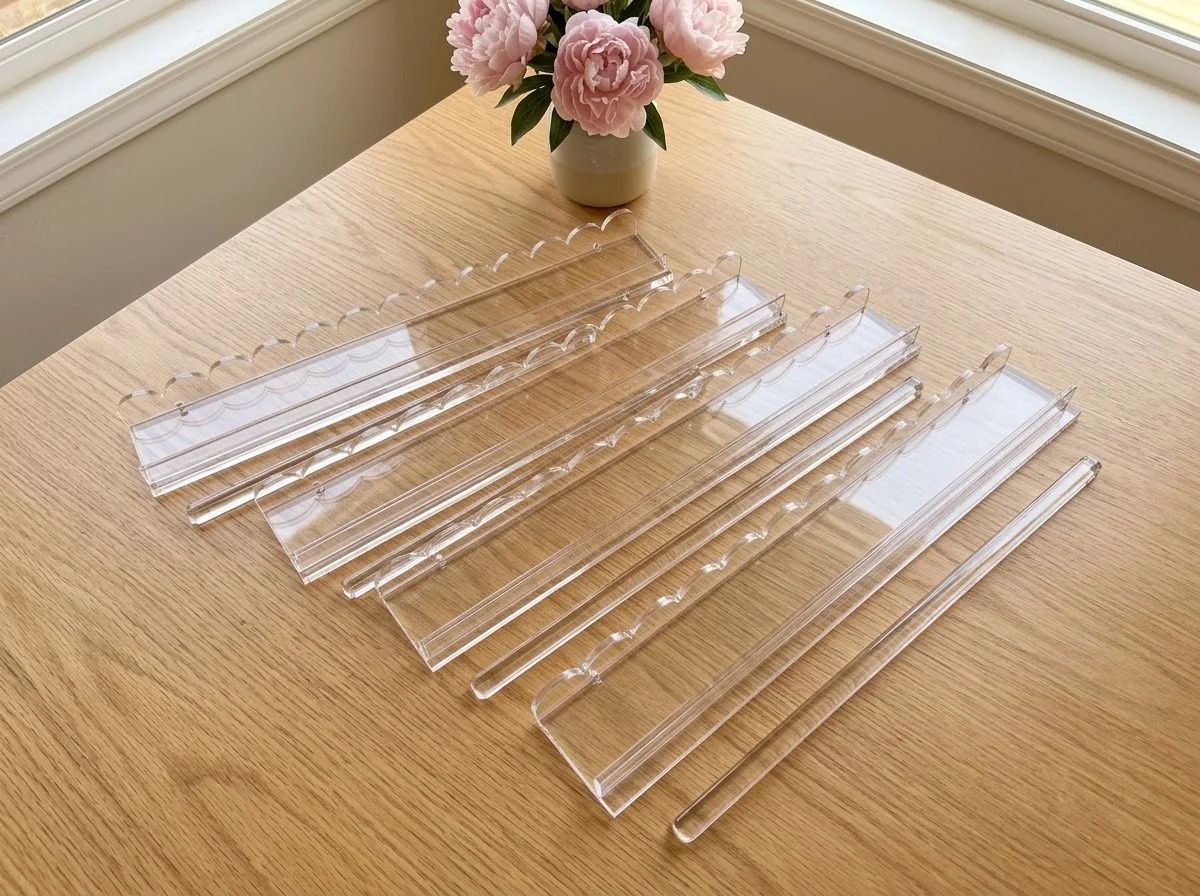
For a smooth, friendly game, invest in quality mahjong racks with pushers so all players can track their tiles clearly and reduce rule confusion. Pair them with a durable mahjong mat to protect the table and keep scoring visible.
✨ Find your Mahstead set — free US shipping →
FAQ
If there is no winner in a hand, what happens to the kitty?
House rules vary. Common options: kitty rolls over to the next hand, kitty is split equally among all four players, or kitty sits untouched until a winner emerges. Confirm this before dealing to avoid disputes.
Can the kitty be used to cover a player's debt if they run out of money mid-game?
No. The kitty is not a loan fund. Players must bring enough cash or chips to cover their potential losses. If someone cannot pay, most groups pause and settle accounts immediately or end the session.
Do all four players seed the kitty equally, or do guests pay more?
Standard practice is equal seeding for all four players, regardless of guest status. Some hosts waive their own kitty contribution as a "host's advantage," but this is rare and must be stated upfront.
How is the kitty different from settlement between individual players?
Settlement is one-to-one: winner collects directly from each of the three losing players. Kitty is separate: the winner collects one additional share from the communal pool. You collect from both.
What if a player accidentally contributes twice to the kitty at setup?
Immediately refund the overage before the first tile is drawn. Kitty seeding is equal and intentional; over-payment is a mistake to correct on the spot.


View More
View More
View More
