
Is Mahjong Similar to Pai Gow? Key Differences & Overlaps
Last updated: Nov 23, 2026
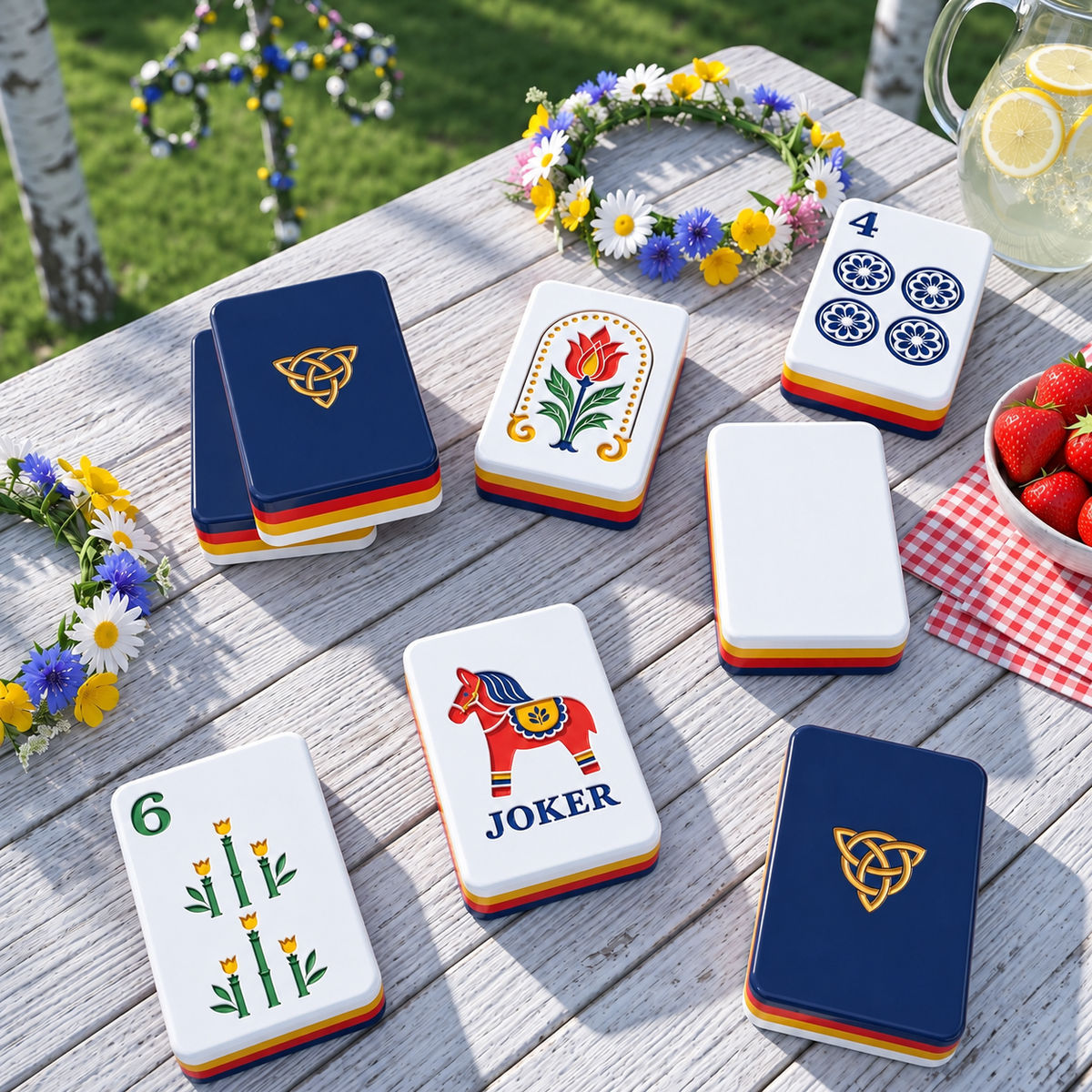
Mahjong and Pai Gow are not the same game, though both use 32 tiles and spring from Chinese gaming culture. Pai Gow is a banking game where two players or one player versus the bank split tiles into two poker-like hands—a higher and lower pair—and compare them; it has no melds, no drawing, and no multiplayer collaboration. Mahjong (particularly American mahjong) is a four-player game where you draw and discard tiles to build hand patterns (pungs, kongs, pairs) that match published hand charts. American mahjong games last around 2–3 hours per round and are played with 152 tiles from our best-selling mahjong sets. Pai Gow is faster—typically 20–30 minutes per round—and requires only one tile set between players. The core difference: Mahjong is about pattern-matching collaboration over many draws; Pai Gow is about binary hand ranking in a single deal.
Mahjong and Pai Gow are often confused because both sit in the same cultural family and both use tiles. If you're new to tile games, understanding what separates them is the fastest way to pick the right one for your table.
Do Mahjong and Pai Gow Use the Same Tiles?
Both games use tiles, but not in the same way. Pai Gow uses 32 tiles—28 dominoes (arranged in pairs) plus 4 special tiles. Mahjong uses 152 tiles organized into three numbered suits (Bams, Craks, Dots), winds, dragons, flowers, and jokers. Mahjong tiles display numbers and symbols; Pai Gow dominoes show pips (dots), similar to dice faces. You cannot play one game with the other's tile set.

What Are the Core Rules Differences?
Mahjong is a four-player turn-based game where each player draws and discards tiles over many rounds, trying to complete a hand that appears on the current year's hand chart. You build sets (pungs of three, kongs of four, pairs) through drawing, discarding, and calling other players' discards. Pai Gow is a two-player or player-versus-bank game where each side gets seven tiles once, splits them into a high hand and low hand, and compares rankings—highest hand wins the pot. Mahjong games run 2–3 hours; Pai Gow rounds finish in minutes. Mahjong has no betting per tile, though some groups play for nominal stakes.
How Does Strategy Differ Between the Games?
Mahjong strategy revolves around reading the hand chart, managing your tile options, watching what others discard and claim, and remembering which hands remain possible as the game unfolds. You balance offense (building your hand) with defense (blocking opponents' winning patterns). Pai Gow strategy is simpler: rank your seven tiles into the strongest possible high hand and a strong secondary low hand, knowing that both must beat the banker's hands to win. Pai Gow rewards quick ranking skill; Mahjong rewards long-term pattern memory and table awareness.
Can You Learn One and Then Play the Other?
Learning Mahjong does not teach Pai Gow rules—they share no gameplay mechanics. However, both games develop tile-reading comfort and sitting-at-a-table stamina. If you learn American mahjong from the official hand chart, you'll build familiarity with tile combinations and hand construction, which gives you a natural confidence when approaching any tile game. That said, a Pai Gow newcomer can start cold with no Mahjong experience. The two games are independent.
Which Game Should You Learn First?
If you want a four-player social game that plays over an evening and involves shared strategy and humor, Mahjong is the choice. If you want a fast, private game between two people (or player and bank) that finishes in one deal, Pai Gow is better. Mahjong requires buying a 160-tile set and learning a hand chart—a real commitment. Pai Gow needs only a Pai Gow tile set. For groups, Mahjong builds community and memory; for couples or casual quick rounds, Pai Gow is lighter. Consider your table size and available time before deciding.
Game | Players | Round Time | Tile Count | Betting | Learning Curve | Best For |
Mahjong | 4 | 2–3 hours | 152 | Optional | Moderate (chart-based) | Groups, regulars, evening events |
Pai Gow | 2 or vs. bank | 15–30 min | 32 | Per round | Low (hand ranking) | Couples, quick play, fast rounds |
🀄 Shop best-selling mahjong sets →

What's the Cultural Connection?
Both games emerged from Chinese tradition and remain popular throughout East and Southeast Asia and in diaspora communities worldwide. Mahjong evolved as a social game played in homes, tea houses, and cultural centers, emphasizing community and long storytelling sessions. Pai Gow originated as a gambling house game and retains that banking-game structure today. In the United States, both thrive in multigenerational families and community centers, though Mahjong has become the more widespread casual game among newer players. The games represent different values: Mahjong celebrates connection and memory; Pai Gow celebrates speed and probability.
How Do American Mahjong Rules Differ from Pai Gow?
American Mahjong (the standard in the US) plays exclusively from the National Mah Jongg League hand card, which changes every spring and lists only legal winning patterns. You cannot make up hands or play by older rules. Pai Gow has no annual card update—the hand rankings are fixed and universal. American Mahjong also requires the Charleston (a formal tile-passing ritual before the first draw), five jokers in play, and a "dead wall" of 14 tiles set aside. Pai Gow has no Charleston, no jokers, and no dead wall. If you've played Chinese Mahjong or Riichi Mahjong, American Mahjong will feel rigid—by design, for fairness.
🎁 See our most-loved mahjong sets & accessories →
What Should You Buy to Start?
If you choose Mahjong, you need a 160-tile American Mahjong set (which includes 152 playing tiles plus spares), a mat or table cover to protect tiles and organize play, and racks with pushers to manage your hand. A carrying case or bag protects your set during travel. If you choose Pai Gow, you need a Pai Gow tile set (32 tiles)—no mat, no racks, no pushers required. For Mahjong beginners at a shared table, we recommend starting with one of our engraved sets with rule titles or funny sayings so players can reference tile names easily and enjoy a lighter mood. For Pai Gow, a simple set is sufficient—no special equipment exists.
✨ Find your Mahstead set — free US shipping →
What to Check Before You Buy
Game choice: If unsure, ask a friend who plays each one to show you a round. Five minutes of watching beats an hour of reading.
Set size: American Mahjong sets come as 160-tile sets (152 playing tiles plus spares). Pai Gow sets are always 32 tiles. No flexibility.
Group size: Mahjong needs exactly four players. Pai Gow needs two. If your table is flexible, Mahjong is the bottleneck.
Time commitment: Mahjong games run long. Pai Gow games run short. Check your group's schedule tolerance.
Storage: Mahjong sets need a case or bag if you travel. Pai Gow tile sets are smaller and more portable.
Community: Look for local clubs, libraries, synagogues, or community centers that host one game or the other. Playing with regulars is where the real game lives.

FAQ
Is Mahjong harder to learn than Pai Gow?
Yes. Mahjong requires memorizing the hand chart (which changes annually), understanding tile combinations, and learning the Charleston ritual. Pai Gow requires only learning hand rankings—typically twenty minutes. Mahjong takes three to four months of regular play to become comfortable.
Can you use Pai Gow tiles to play Mahjong?
No. Pai Gow uses 32 dominoes; Mahjong uses 152 distinct tiles organized by suit, number, wind, dragon, and flower. The tile sets are incompatible. You need a separate Mahjong set.
Is Mahjong a gambling game like Pai Gow?
Mahjong can be played for stakes, but most casual American Mahjong groups play for no money or for nominal per-hand amounts. Pai Gow is traditionally a banking game where money changes hands per round. Both are social; neither requires gambling.
How long does a round of Mahjong versus Pai Gow take?
One round of American Mahjong (four players, one game) typically runs 30–60 minutes. One round of Pai Gow (two players or player vs. bank) takes 15–30 minutes. Mahjong nights often include 2–4 rounds plus breaks.
Can I play Mahjong with only two players?
Officially, American Mahjong is a four-player game. However, rule variants exist for two and three players using modified tile distributions. Check our guide to two and three-player mahjong if your group is smaller.
Do Pai Gow and Mahjong share any tiles or rules?
Both use tiles and come from Chinese culture, but they share no overlapping rules, hand names, or tile configurations. Learning one does not accelerate learning the other. They are separate games.
Where do I find people to play Mahjong or Pai Gow near me?
Check community centers, libraries, synagogues, senior centers, and country clubs in your area; many host weekly Mahjong groups. Meetup boards and local cultural associations also list games. Pai Gow is less common in casual communities and more common in casinos.


View More
View More
View More
