
How to Clean Mahjong Tiles: Step-by-Step Guide
Last updated: Nov 23, 2026
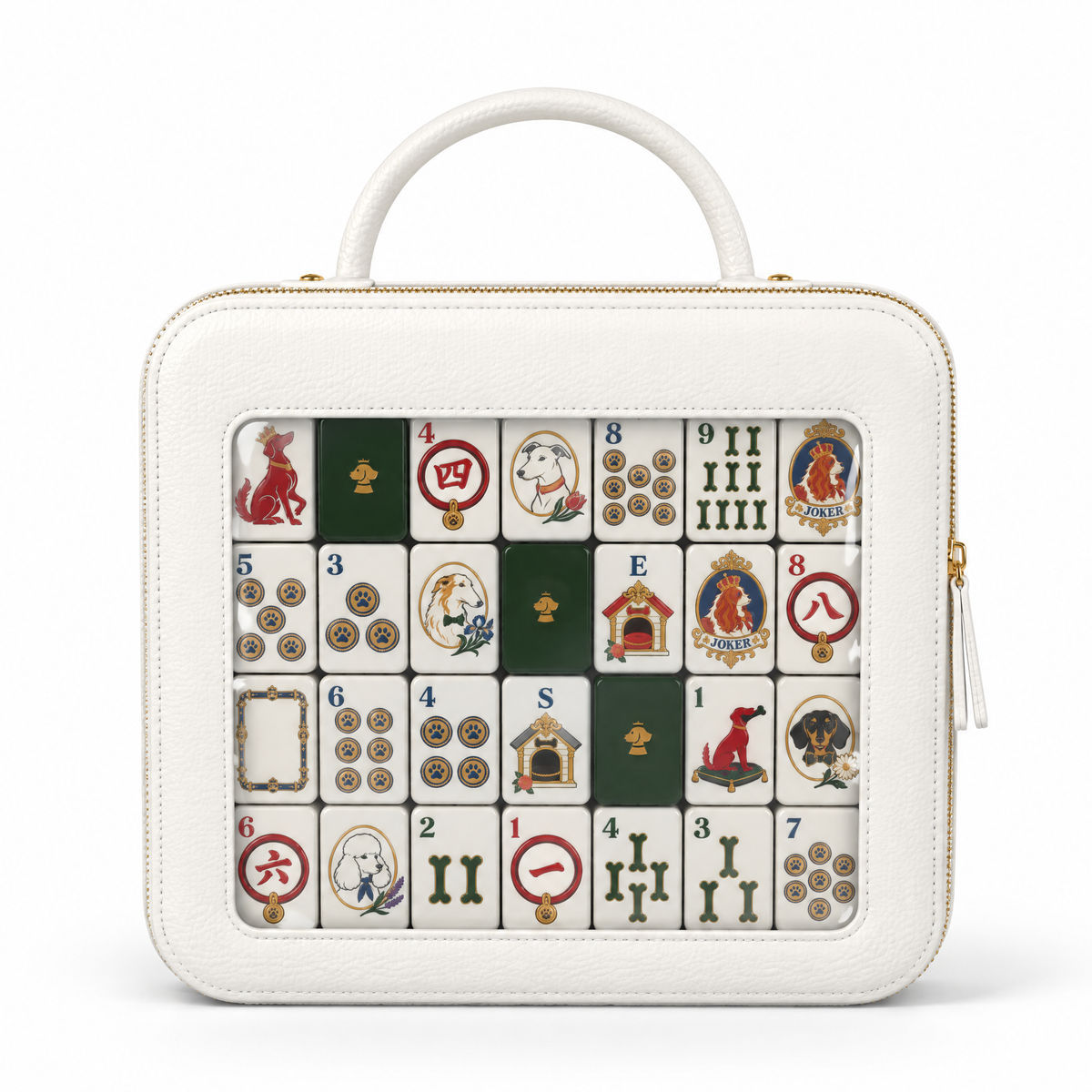
Clean mahjong tiles monthly with a soft, lint-free microfiber cloth slightly dampened with distilled water—never tap water or alcohol, which damage acrylic engravings. For stubborn grime, use a 1:1 mix of distilled water and white vinegar on the cloth only, never spray. Dry immediately with a separate dry cloth. Store tiles in a breathable bag or case (never sealed plastic) in a cool, dry place away from direct sunlight to prevent fading and warping. For bamboo or bone tiles, avoid all moisture; brush gently with a dry natural-bristle brush instead. Check your tiles' material before you start—engraved acrylic sets need different care than vintage bone pieces. Never use bleach, abrasive scrubbers, or ultrasonic cleaners, which strip engravings and discolor tiles permanently.
Why do my tiles get dirty so fast?
Mahjong tiles live in your hands, shuffle across mats, and rest on racks dozens of times per game. Skin oils, dust, and humidity settle into engravings and cling to matte finishes fastest. Acrylic tiles attract fingerprints more than smooth glazed bone, and jokers—handled most often—show grime first. If you play weekly on unlined mats or keep tiles in warm rooms, dirt accelerates. The good news: acrylic's porosity also means simple water removes most buildup before it hardens into permanent stains.

What's the difference between cleaning acrylic and bamboo tiles?
Acrylic tiles tolerate gentle moisture because the material is non-porous and engravings are inked into the surface. Bamboo and bone are porous, hygroscopic (they absorb moisture), and warp or crack if exposed to water. For acrylic, a damp cloth works; for bamboo, a dry brush only. If you own both types, label them clearly and keep separate cleaning supplies to prevent cross-contamination. Most modern engraved American mahjong sets are acrylic, but vintage sets may be bone or Catalin, which require professional restoration if heavily soiled.
How do I remove set-in stains without damaging engravings?
Start with distilled water and a microfiber cloth—tap water deposits minerals that make stains look worse. If that fails, dampen the cloth (not the tile) with a 1:1 white vinegar and distilled water solution and rub gently for 10–15 seconds, then dry immediately. Never let liquid pool on a tile or soak overnight. For greasy stains from food or sunscreen, a tiny amount of mild dish soap in water works, but rinse twice with plain distilled water and dry fast. Test your method on a joker first—it's a spare tile and less precious if something goes wrong. Never use acetone, rubbing alcohol (above 30% concentration), bleach, or scouring powders, which etch engravings and change tile color.
What storage stops tiles from fading or warping?
Store tiles in breathable fabric bags or hard cases with ventilation holes, never sealed plastic boxes or ziplock bags—trapped moisture causes mold and warping. Keep them in a climate-controlled room (60–75°F, 40–50% humidity) away from direct sun, heaters, and air conditioning vents. Sunlight fades colors noticeably over 6–12 months if tiles sit on a windowsill or game table in bright rooms. If your tiles are engraved with names or custom designs, UV exposure fades the ink first—store them in a drawer or closed cabinet when not in use. Check tiles every few months during humid seasons (summer in the South, for example) and wipe any moisture with a dry cloth immediately.

How often should I deep-clean my set?
Monthly light cleaning (dust and fingerprints) keeps tiles game-ready; deep cleaning once or twice a year addresses grime buildup. If you host weekly games, play on an unlined mat, or live in a dusty climate, monthly deep cleaning makes sense. If you play once a month or store tiles in a cool, dry bag most of the time, twice a year is enough. Avoid over-cleaning—each wipe with any solution risks micro-scratches in the tile surface. Instead, focus on storage: tiles kept in a fabric mahjong bag in a drawer stay cleaner longer than tiles on a game table between sessions.
Quick Cleaning Decision Table
Situation | Method | Frequency | Why It Works |
Fingerprints or light dust (acrylic) | Dry microfiber cloth only | Weekly before play | No moisture risk; fastest |
Monthly buildup on matte acrylic | Damp cloth + distilled water | Once a month | Safe; removes oils gently |
Stubborn stains (acrylic only) | Cloth dampened with water + vinegar (1:1) | Every 2–3 months | Vinegar cuts grease without etching |
Bamboo or bone tiles | Soft dry brush | Monthly | Avoids warping; preserves patina |
Seasonal humidity check | Wipe with dry cloth; air out | Quarterly in humid months | Prevents mold; maintains playability |
🀄 Shop best-selling mahjong sets →
What supplies do I actually need to clean tiles safely?
Three things: microfiber cloths (2–3, lint-free—not cotton dish towels), a small bottle of distilled water, and white vinegar for emergency stains. That's it. You do not need special tile cleaner, "mahjong polish," or sprays—they often contain silicone or wax that dulls engravings and builds up over time. Keep your supplies in a small pouch near your mahjong storage case or bag so they're ready when you set up a game. If tiles live on a mahjong mat, cover the mat with a towel when not in use to shield tiles from dust. Some players wipe tiles right before play to remove dust settled during the week—a dry cloth takes 30 seconds and keeps engravings crisp.
What goes wrong when people clean mahjong tiles—and how to avoid it?
Mistake 1: Spraying water directly on tiles. Liquid pools in engravings and migrates into acrylic, causing cloudiness or swelling. Always dampen the cloth first, squeeze out excess, then wipe. Mistake 2: Using tap water. Minerals build up and make tiles cloudy over time. Buy or filter distilled water—a gallon costs very little and lasts months. Mistake 3: Storing tiles wet or in humid bags. If tiles feel cool or damp after cleaning, air-dry them flat on a towel for 1–2 hours before storing. Mistake 4: Cleaning bone or bamboo tiles with water. This warps them permanently. Know your tile material before you start. Mistake 5: Scrubbing with rough cloths or sponges. Microfiber only—anything coarser scratches engravings and dulls matte finishes. Most damage happens from impatience, not from cleaning itself.
🎁 See our most-loved mahjong sets & accessories →
What to Check Before You Buy Cleaning Supplies
Material of your tiles: Acrylic can handle moisture; bamboo and bone cannot. Check the box or ask the seller. Modern engraved mahjong sets are almost always acrylic.
Microfiber quality: Look for 300+ gsm weight and lint-free certification. Cheap microfiber sheds fibers onto tiles and defeats the purpose.
Distilled water source: Bottled distilled water is cheapest at any grocery or drugstore. Do not use filtered tap water—it still contains some minerals.
Vinegar concentration: Standard 5% white vinegar works; no need for higher concentrations, which risk discoloring tiles.
Storage container: If tiles are in a fabric bag without a hard shell, store the bag in a drawer or cabinet away from light and moisture. If they're in a wooden case or acrylic display, ensure it has drainage holes or leave it unclosed.
✨ Find your Mahstead set — free US shipping →

FAQ
Can I use a dishwasher or ultrasonic cleaner on my mahjong tiles?
Never. Heat warps acrylic, and ultrasonic vibrations shatter tiles and strip engravings. These methods destroy sets permanently. Hand-cleaning only—it takes 5 minutes and keeps tiles intact.
Do engraved tiles need extra care during cleaning?
Yes. Avoid any abrasive cloth or chemical that could fade the ink. Stick to distilled water and a microfiber cloth. Test on a joker first if you're unsure about a new method.
How do I prevent tiles from yellowing over time?
Store away from direct sunlight and UV sources. Yellow discoloration in acrylic is often UV exposure, not dirt. Keep your set in a drawer, cabinet, or opaque bag when not in use. Avoid windowsills and bright game tables as permanent storage spots.
What if my tiles have mold or a musty smell?
This signals moisture exposure—tiles may be warped already. Wipe with a dry cloth immediately and move them to a warm, dry space with air circulation. If the smell persists, the tiles have absorbed moisture internally and may need professional restoration. Prevent this by storing in breathable bags only and checking humidity seasonally.
Can I clean tiles mid-game if they get sticky or dusty?
Yes. Keep a dry microfiber cloth at the table. A quick wipe on dusty jokers or tiles that feel sticky from food near the table keeps gameplay smooth. Never use a damp cloth mid-game—wet tiles slip and confuse the game's feel.


View More
View More
View More
