
Is Mahjong Similar to Euchre? Key Differences Explained
Last updated: Nov 23, 2026
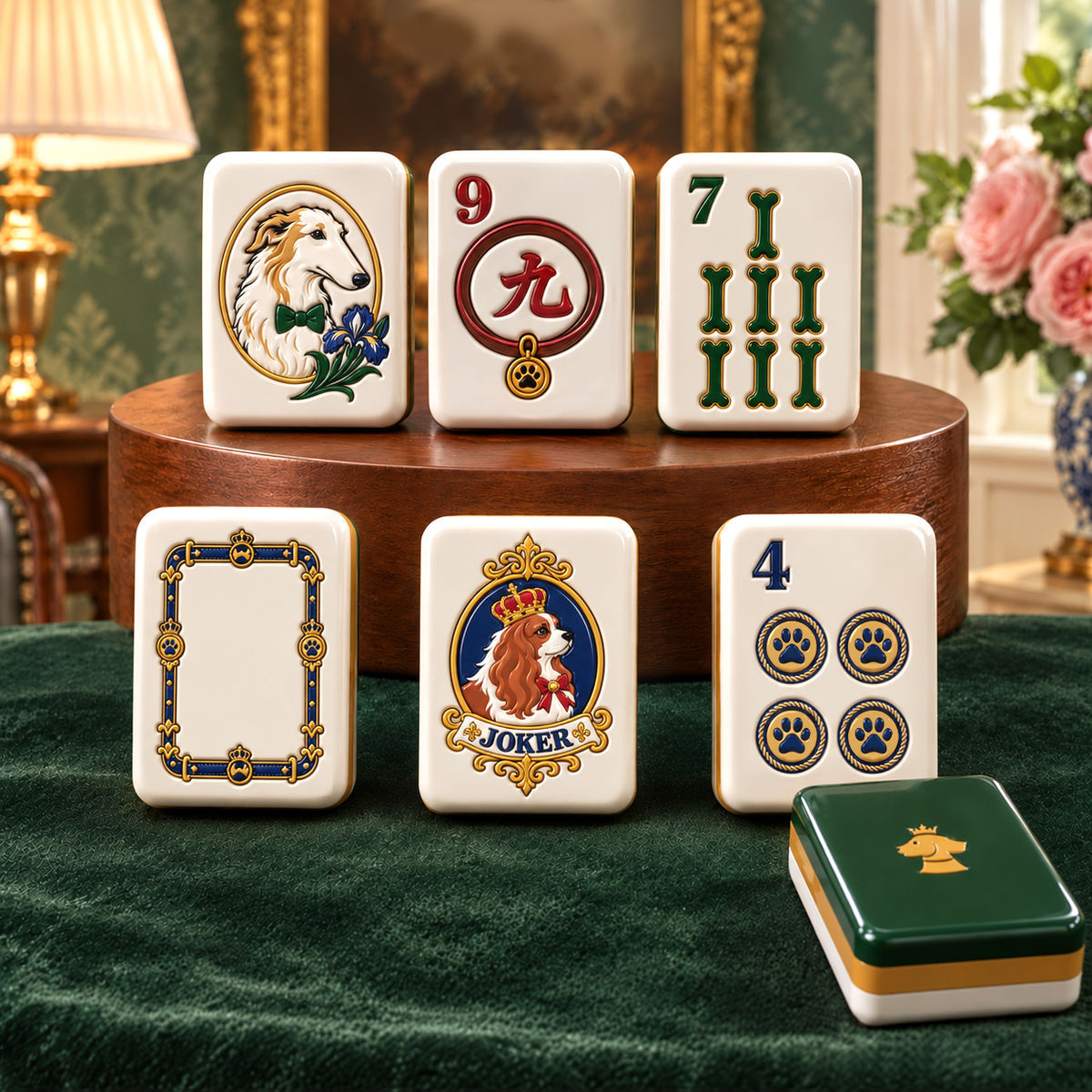
Euchre and mahjong share surface similarities—both use melds, strategic thinking, and four players—but they are distinct games with different roots and rule systems. Euchre is a trick-taking card game (32 cards, two teams, trump suits) popular in North America and Europe. Mahjong is a tile-based game (152 tiles across three numbered suits plus honors) from ancient China, played by individuals seeking patterns from a single year's National Mah Jongg League card. Euchre rounds finish in 5–15 minutes; mahjong hands take 10–30 minutes. Neither involves the other's mechanic: euchre has no jokers or tile-passing; mahjong has no trump or trick sequences. If you're drawn to pattern recognition and longer play sessions, mahjong may suit you better. You'll need a 160-tile set from our best-selling collection, a mat, and the current league card—a larger commitment than shuffling a deck.
Euchre and mahjong both involve building combinations and reading opponents, but they diverge sharply on tiles, hand complexity, and how plays are scored. Here's what you need to know if you're considering the switch.
What's the core difference between euchre and mahjong rules?
Euchre is a trick-taking card game where players compete to win tricks in teams, with trump suits determining rank. Mahjong is a tile-matching game where four individual players build hands of identical or sequential patterns (called melds) from a shared wall, with no trump. In euchre, you discard and follow suit; in mahjong, you draw, discard, and call exposed combinations. Euchre has one universal ruleset; American mahjong changes its legal hands every spring via the National Mah Jongg League card. The core mechanic is fundamentally different: euchre is about winning rounds of plays; mahjong is about completing one hand pattern before your opponents.

Why do euchre players sometimes try mahjong?
Both games reward attention to opponent discards and strategic hand-building, so players familiar with one often expect the other to feel natural. Euchre teaches you to read which suits are running out and when opponents will play certain cards—skills that transfer to mahjong's awareness of which tiles are exposed or gone. However, mahjong demands memorizing patterns from the current year's league card, understanding joker placement rules, and managing tile exposure across five hand combinations simultaneously. Euchre involves no external reference material; one night of euchre rules works forever. One session of mahjong without the card is impossible. The social rhythm also differs: euchre moves fast and keeps conversation light, while mahjong requires quiet focus and frequent rule lookups. Many euchre players find mahjong rewarding but steeper than expected.
Can you play mahjong with euchre-like strategy?
Yes, but not enough to win consistently. Mahjong strategy does include hand prioritization (balancing which pattern you chase), discard timing (knowing when to break up pairs to avoid being read), and defensive play (discarding tiles opponents appear to need). These echo euchre's bluffing and suit-management elements. However, mahjong also requires: memorizing which melds are legal from the league card (euchre has no equivalent mental load), managing joker allocation across patterns, understanding how Charleston (the pre-game tile exchange) reshapes your hand before play even starts, and calculating probability across 152 tiles instead of 32 cards. You cannot rely on euchre muscle memory. A strong euchre player starting mahjong typically loses games for 10–20 sessions before pattern recognition clicks. The card is non-negotiable; you cannot play on instinct alone.
How does hand complexity differ between the two games?
Aspect | Euchre | Mahjong |
Tiles/Cards | 32 cards, 4 suits | 152 tiles, 3 numbered suits + honors |
Hand Size | 5 cards drawn once | 13 tiles drawn one per turn over 8+ draws |
Legal Combinations | Any trick (any cards played in sequence) | Specific patterns from the annual league card only |
Exposed Play | Cards played per trick; one round visible | Melds exposed immediately; visible for rest of hand |
External Reference | None; rules memorized | Annual league card required; consulted every turn |
Hand Duration | One trick lasts seconds; one round ~5–15 min | One hand lasts 10–30 min |
Scoring | Points per round; simple addition | Points per pattern; complex chart lookup |
Euchre hands are small, visible, and fast. You hold five cards; you know all players' exposed cards within seconds. Mahjong hands grow tile-by-tile; you manage thirteen tiles plus mental maps of all discarded tiles. Euchre scoring is arithmetic (10, 20, 30 points per round). Mahjong scoring depends on which league card pattern you completed—same hand layout might score different points if you formed it a different way. This complexity is why how to read the mahjong card is one of the first hurdles for new players.
🀄 Shop best-selling mahjong sets →

What equipment do you actually need?
Euchre requires a deck of 32 cards, optionally a scorepad. Mahjong requires 152 playing tiles (sold in 160-tile sets with spares), a mat with designated seat areas, racks with pushers (one per player, to organize and display your tiles), the current National Mah Jongg League card, dice, a wind indicator, and optionally a score sheet or scorekeeper app. The tile set itself requires more storage than a card deck; many players invest in a dedicated travel bag or case to transport their set safely between homes. If you're hosting weekly games like we do, a durable mat becomes essential—it protects both tiles and table, and a quality mat lasts years. Euchre can be played anywhere with a flat surface; mahjong benefits from a stable mat to prevent tiles from shifting mid-hand. This is a genuine investment difference: euchre entry cost is minimal, mahjong entry cost includes the set, mat, and often racks.
What should you check before switching from euchre to mahjong?
Before buying a mahjong set, confirm these:
Do you have 30+ free minutes per hand? (Mahjong hands take longer than euchre rounds.)
Can you access the current National Mah Jongg League card? (It updates every spring; you cannot play without it.)
Will you play at the same table regularly? (Consistency helps you and opponents learn patterns together.)
Are your racks and tiles durable enough for weekly play? (Our best-selling sets are designed for long-term use.)
Do you prefer open-ended strategy, or do you need universal rules? (Euchre rules never change; mahjong's legal hands change annually.)
If you're drawn to longer, pattern-based games and don't mind the learning curve, mahjong is rewarding. If you want fast rounds and fixed rules, euchre remains superior. Both are legitimate—the question is fit.
🎁 See our most-loved mahjong sets & accessories →
How do you start learning mahjong if you know euchre?
Read our beginner guide first; it covers the 152-tile inventory, the Charleston tile-passing ritual, and how to interpret the league card. Then find a local mahjong group (check community centers, synagogues, libraries, or meetup boards in your area) and ask to observe one hand before joining. Bring a notebook; write down which patterns appear and which tiles were discarded when. Your euchre instinct for reading opponents will help you after 3–5 games, but pattern memory drives mahjong first. Most players recommend 10–15 practice hands before playing for stakes. Unlike euchre, mahjong involves no bluffing—your melds are exposed, so psychology matters less and tile-tracking matters more. This shift takes conscious effort but is learnable.
✨ Find your Mahstead set — free US shipping →
What to check before you buy
Tile clarity: Can you read the Bam, Crak, and Dot suit symbols clearly under your table lighting? Test this before committing to a set.
Rack stability: Do racks hold 13 tiles securely without tiles sliding during play? Pushers should move smoothly but not so loosely that tiles shift from vibration.
Mat size: Measure your table; a mat should leave 2–3 inches of table edge visible on all sides for comfort and safety.
Storage space: A full set plus mat takes 12–18 inches of shelf or closet space; confirm you have room before ordering.
Joker count: All Mahstead sets include enough jokers for legal play; spares help if you lose one over years of use.

FAQ
If I'm good at euchre, will I be good at mahjong right away?
No. Euchre teaches you to read opponents and manage a small hand. Mahjong requires memorizing patterns, understanding joker rules, and managing 152 tiles. Expect 10–20 practice hands before you're competitive.
Do mahjong and euchre use the same scoring system?
No. Euchre scoring is simple arithmetic (10, 20, 30 points per round). Mahjong scoring depends on which league card pattern you completed—the same tile layout can score different values. Mahjong requires chart lookup; euchre does not.
Can I play mahjong without the National Mah Jongg League card?
No. The card changes every spring and specifies which tile combinations are legal hands. You cannot play American mahjong without it. This is a core difference from euchre, which has one universal ruleset.
How long does a mahjong hand take compared to a euchre round?
Euchre rounds take 5–15 minutes per game (often played in rounds of 10 hands). Mahjong hands take 10–30 minutes each, depending on player experience and tile luck. Mahjong is a longer-term commitment per session.
Do I need special equipment for mahjong like I don't for euchre?
Yes. Mahjong requires a 160-tile set, a mat, racks with pushers (optional but recommended), the current league card, and dice. Euchre only needs a 32-card deck. Mahjong setup is more complex and more durable equipment is worth the investment if you play weekly.
Can euchre players join a mahjong game mid-session and learn as they go?
Not effectively. Without the league card and prior exposure to legal patterns, a beginner euchre player will slow the table significantly. Join an established beginner group or play 5–10 practice hands first.


View More
View More
View More
