
Is Mahjong Good for Seniors? Benefits, Rules & How to Start
Last updated: Nov 23, 2026
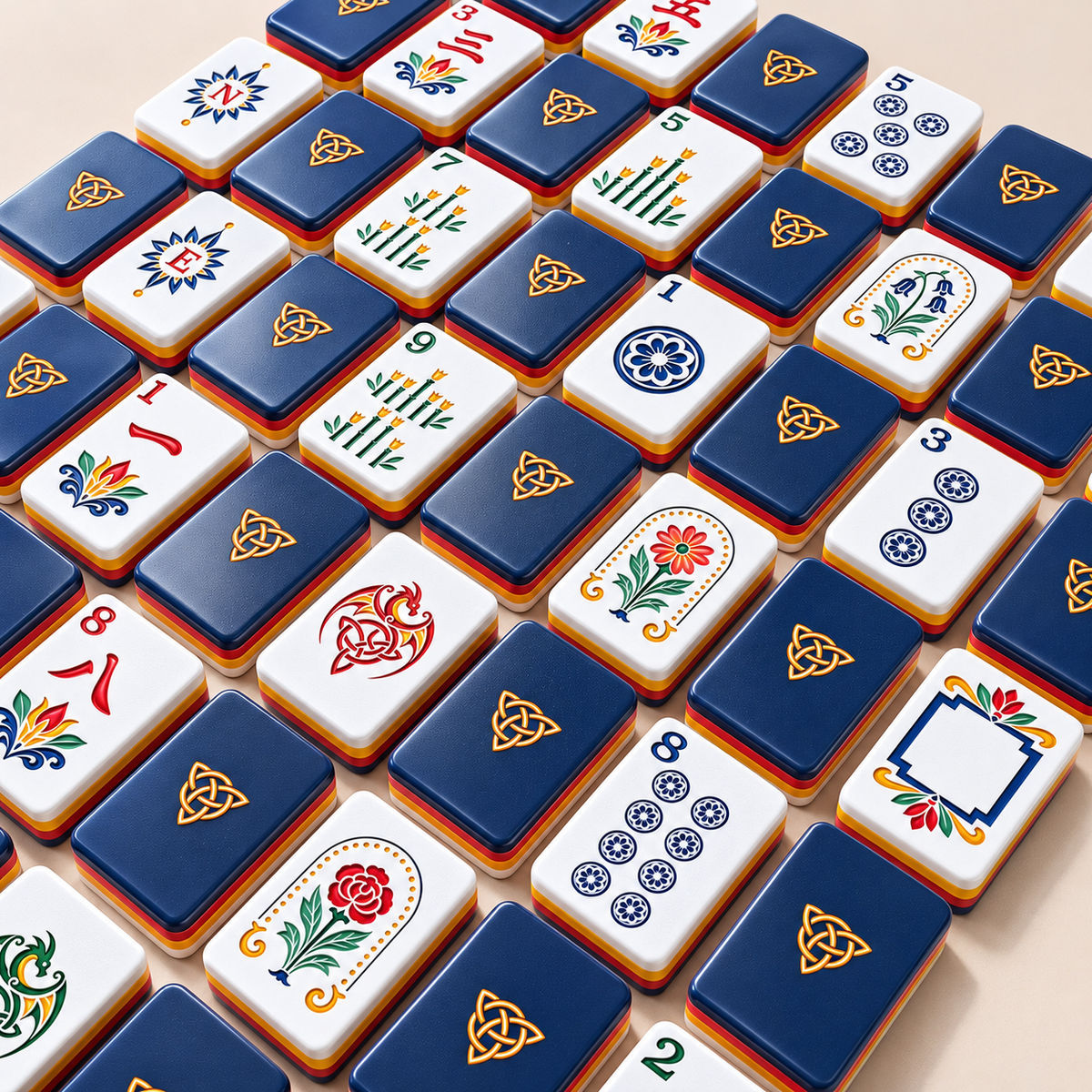
Yes, mahjong is genuinely good for seniors. The game sharpens memory, strategic thinking, and pattern recognition—all skills that decline with age but respond well to regular mental exercise. Socially, a weekly mahjong group builds lasting friendships and combats isolation; players sit around a table for 45–90 minutes, no standing required. American mahjong, the most common variant in senior communities, uses 152 tiles plus 8 jokers in three suits (Bams, Craks, Dots), winds, and dragons. A game requires exactly four players. The learning curve is steep but manageable with patient instruction—most seniors play competently within 6–8 weeks. Equipment costs are modest: a set from Mahstead runs in an accessible range, a mat protects surfaces and eases tile visibility, and padded racks with pushers reduce hand strain. Many senior centers, libraries, and community colleges in major cities run free or low-cost mahjong groups; check local community centers, synagogues, or meetup boards to find players near you.
Does mahjong really improve memory and focus in older adults?
Yes. Mahjong requires memorizing which tiles have been discarded, tracking opponents' melds, matching patterns on the annual National Mah Jongg League card, and calculating scoring—all within a single hand. Neuroimaging studies show games like mahjong activate the prefrontal cortex and hippocampus, areas tied to executive function and working memory. Seniors who play weekly report sharper recall of daily details and better concentration. Unlike passive hobbies, mahjong demands active decision-making every turn, which keeps neural pathways engaged far longer than watching television.

What specific cognitive benefits do seniors experience?
Mahjong exercises five cognitive domains at once: pattern recognition (spotting tile sequences and exposed melds), spatial reasoning (organizing your hand on the rack), working memory (remembering discarded tiles), strategic planning (deciding which tile to keep or throw), and mental flexibility (adapting tactics based on opponents' plays). Seniors who play regularly report improved ability to remember names, follow conversations, and organize tasks. The game's turn-based pace—wait, observe, decide, execute—also builds patience and reduces impulsive thinking. Because each hand varies (hands come from the current year's National Mah Jongg League card only), repetition doesn't lead to boredom; instead, novelty keeps the brain engaged.
How socially isolating is mahjong for players with hearing or mobility limits?
Mahjong is inherently accessible. Players sit in one spot for the entire game; no walking, climbing stairs, or prolonged standing required. Hearing loss is manageable: tiles click audibly when drawn or placed, and most communication happens via tile play, not conversation. For players with arthritis or tremors, padded racks with pushers handle heavy lifting—the rack holds tiles at a gentle angle, and the pusher slides one tile forward without requiring a full grip. A padded mahjong mat reduces noise and improves tile visibility on dimmer eyesight. Many multigenerational groups pair seniors with younger players to help with scoring or card-reading, turning potential frustration into mentorship.
🀄 Shop best-selling mahjong sets →
What is the realistic learning curve, and how long before a senior can play a full game?
Most seniors learn American mahjong in 4–8 weeks with weekly two-hour sessions and a patient teacher. The first two weeks feel abstract—learning tile names, suit symbols (Bams show stick patterns, Craks show Chinese coins, Dots show circles), and the basic rule that all melds must be identical tiles (a pung is three matching tiles, a kong is four). Weeks 3–4 introduce how the Charleston works (the tile-passing ritual before each hand) and how to read the current season's card. Weeks 5–8 add speed and strategy. The breakthrough comes when a player stops thinking "which tile is this?" and starts thinking "should I keep this tile for my hand?" That shift typically takes 6–8 sessions. Seniors are often faster learners than younger players because they're less distracted and bring patience to repetition.

Why is a good mahjong set and mat critical for senior players?
Tiles must be large enough to read comfortably and durable enough to survive hundreds of games. American mahjong tiles are smaller than some Asian variants, so magnified print matters for vision above 60. Acrylic tiles—as opposed to bamboo or bone—don't splinter, won't develop sharp edges after shuffling, and resist moisture from sweaty palms. A padded mat protects the table surface and dampens tile noise, which can be jarring during early-morning or quiet-hours play in senior housing. The mat's surface also grips tiles, preventing them from sliding during the shuffle. Racks with built-in pushers are essential for seniors with reduced hand strength or dexterity; without a pusher, drawing tiles from a crowded hand one-handed becomes frustrating and slow.
🎁 See our most-loved mahjong sets & accessories →
How do American mahjong rules differ from other variants seniors might encounter?
American mahjong is the standard in US senior centers and retirement communities—it uses the National Mah Jongg League card, which changes every spring, ensuring fresh hands and strategy. It has no "chow" (sequence of consecutive numbers), which simplifies the rule set and speeds up learning. Jokers are wild and can replace any tile except a pair or a single tile—this flexibility rewards strategic discarding. Players always draw one tile and discard one tile per turn, keeping hands stable. Chinese and Hong Kong variants allow chows, use a different hand system, and often play faster; Riichi mahjong (Japanese) involves risk bidding and hand concealment. For seniors new to mahjong, American rules are the easiest entry point because the mahjong-for-beginners guide emphasizes steady, predictable play over speed or hidden information.
Comparison: Mahjong Equipment Options for Senior Players
Item | Who It's For | Why It Helps | Check Before Buying |
Acrylic tile set with large print | Seniors with presbyopia or low vision | Tiles are readable without squinting; acrylic resists cracking | Font size ≥3mm; suits clearly color-coded |
Padded mat | All senior players | Reduces table noise; grips tiles; protects furniture | Thickness ≥5mm; non-slip backing |
Racks with padded pushers | Arthritis, tremors, reduced grip | Holds hand upright; pusher draws tiles one-handed | Pusher slides smoothly; rack depth fits 14 tiles |
Travel bag or case | Players who transport sets between venues | Protects tiles from damage during car travel or storage | Foam padding inside; zippered compartments for dice and card |
What to check before you buy a set for a senior player
Tile size and legibility: Hold tiles at 12 inches away in normal indoor light. Can you read the number and suit name clearly? If you squint, the font is too small.
Comfort of the rack: Does the holder sit at a 45-degree angle? Can you draw one tile without lifting the entire hand? Test with someone who has limited finger mobility.
Tile weight and surface: Acrylic tiles should feel smooth, not sharp or grainy. If edges catch on fingernails, return it.
Mat thickness: A thin, slippery mat frustrates older players. Look for padded mats at least ¼-inch thick with a non-slip base.
Joker count: Standard American mahjong uses 8 jokers. A set with extras is fine; a set with fewer means you can't play a full hand.
Dealer button and wind markers: Confirm the set includes clear wind tiles (North, East, South, West) and a dealer tile or button so players understand rotations.
✨ Find your Mahstead set — free US shipping →
Finding a senior mahjong group near you often requires light persistence. Call or visit your local senior center, community college, library, or synagogue and ask directly—many run free or low-cost groups but don't advertise heavily. Meetup.com and Nextdoor also host neighborhood mahjong posts. If no group exists, starting one is simpler than you'd think: recruit three friends, buy one best-selling set, and invite them for a trial afternoon. YouTube tutorials and the card walk through the basics. Most importantly, the first few hands feel confusing, but by hand five, the game clicks.

FAQ
Can a senior with arthritis comfortably play mahjong for 90 minutes?
Yes, with the right setup. A padded rack and pusher eliminate gripping and repetitive hand motion. Padded mats reduce strain on wrists and forearms. Anti-inflammatory medication before play helps. Breaks between hands also matter—most groups take 2–3 minutes between games.
Is mahjong safe for seniors with cognitive decline or early dementia?
Mahjong is beneficial for mild cognitive impairment and can slow decline when played consistently. Early-stage players with coaching still enjoy the social and sensory experience even if they don't "win." Advanced dementia may make the rule system inaccessible; consult the senior's primary care provider first.
Do seniors play American or Chinese mahjong more?
American mahjong dominates in US senior centers, especially on the East Coast and in Texas. It's simpler to learn, requires a standard deck (152 tiles), and uses the annual National Mah Jongg League card. Chinese variants are popular in specific immigrant communities but less common in mainstream senior programs.
What is the typical cost of a decent mahjong set for seniors?
See current price on the product page. Most durable acrylic sets with legible tiles range in the mid-range. A mat adds modest cost but is worth the investment for comfort and longevity.
Can seniors play mahjong online instead of in person?
Online versions exist but lack the cognitive and social benefits of in-person play. The physical act of touching tiles, reading faces, and sitting with friends strengthens memory and emotional connection in ways screens cannot replicate. Online is fine for learning rules, but real tiles and real opponents are the goal.
Are there mahjong sets specifically designed for seniors?
Not a separate "senior" category, but acrylic sets with large, clear print and sturdy tiles work best. Engraved sets with personalization make thoughtful gifts for lifelong players. Padded racks and thick mats are universal accessibility upgrades, not age-specific.


View More
View More
View More
