
Is Mahjong Good for Retirees? Benefits & How to Start
Last updated: Nov 23, 2026
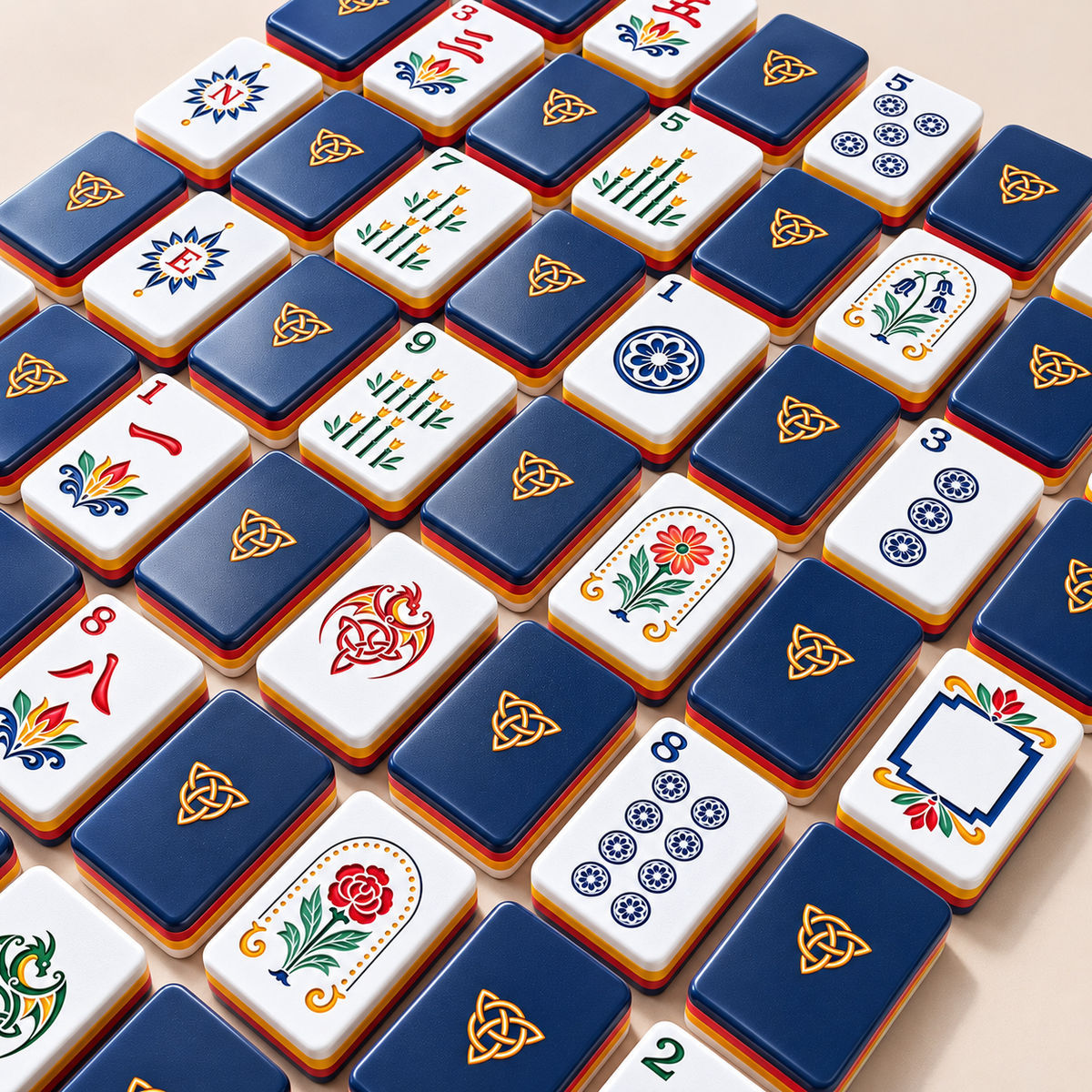
Yes: mahjong is excellent for retirees. It sharpens memory and pattern recognition, builds lasting friendships through weekly games, and keeps the mind engaged without physical strain. American mahjong, the most popular variant in retirement communities, uses tiles, a rotating dealer, the Charleston (tile-passing ritual), and hands drawn from the annual National Mah Jongg League card issued each spring. A typical game lasts 30–90 minutes with four players. Most retirees start by joining a community center, library, or synagogue game, or by asking neighbors. No experience needed—learners play alongside veterans every week. A complete 160-tile set with mat, racks, and bag costs moderate money and lasts decades. Many retirees report mahjong became their favorite post-career activity, offering mental stimulation, laughter, and belonging that outlast the game itself. Mahstead offers engraved sets tailored to retirement groups, though any quality set works fine.
Yes: mahjong is one of the most rewarding hobbies retirees can take up. It combines social connection, mental exercise, and accessible fun—and you can start today.
Does mahjong really help the brain?
Research consistently shows tile games strengthen memory, visual processing, and strategic thinking. Players must track discards, remember which tiles are gone, anticipate others' melds, and hold multiple hand patterns in mind simultaneously. Unlike passive hobbies, mahjong requires active decision-making every turn. Neurologically, this repeated mental engagement—especially in social settings—slows cognitive decline far better than solitary activities. Retirees who play weekly report sharper focus, better concentration, and often say they sleep better after game night. The pattern recognition required (matching the current year's hand card to your tiles) creates exactly the kind of neural pathway exercise doctors recommend for brain health.

What is American mahjong vs. other styles?
American mahjong differs from Chinese, Hong Kong, and Riichi variants in critical ways. American rules use 152 playing tiles (four copies each of numbers 1–9 in three suits—Bams, Craks, Dots—plus 16 winds, 12 dragons, 8 flowers, and 8 jokers), a four-player game, and hands drawn only from the official National Mah Jongg League card published each spring. You may expose only pungs (three identical tiles), kongs (four identical), quints (five), and sextets (six)—never sequences (chows) like 1-2-3. This makes American mahjong simpler to learn than Chinese variants, which allow sequences and have dozens of regional rule sets. The Charleston (tile-passing before play) is unique to American mahjong and adds ritual and fairness. For retirees, American is ideal: rules are stable, cards are standardized nationwide, and finding weekly games in retirement communities is straightforward.
🀄 Shop best-selling mahjong sets →
Where do retirees play mahjong?
Finding games is easier than you might think. Community centers, senior centers, and public libraries often host weekly mahjong mornings or afternoons—call ahead to ask. Synagogues, churches, and country clubs frequently have standing games. Social media meetup boards and neighborhood Facebook groups often list open games. Ask neighbors directly; you may be surprised how many play. Many retirees host games at home rotation-style (a different player's house each week). If no games exist nearby, start one: invite three friends, buy a beginner-friendly set, learn together from online tutorials or a simple guide, and set a standing day (Tuesdays, Thursdays, Sundays). Retirement communities often have formal mahjong clubs with tournaments. A single game grows quickly once word spreads. First-time players are always welcome—veterans remember being beginners and enjoy teaching.
Venue | Difficulty to Join | Social Depth | Weekly? |
Community/senior center | Easy; call ahead | Mixed strangers & regulars | Usually yes |
Synagogue/church | Easy; ask staff | Warm; often same group | Usually yes |
Home rotation | Hardest; need friends | Very deep; long-term bonds | Yes, you organize |
Country club | Moderate; member-only | Established; competitive | Often yes |
Meetup/neighbor group | Easy; low commitment | Variable; open to new faces | Varies |
Why is mahjong perfect for retirement specifically?
Retirement means freedom from work schedules, so mahjong fits naturally into a weekly rhythm—no boss, no rush. Most games are held during daytime hours, convenient for those who go to bed early. The game requires sitting, not standing for hours; it's physically undemanding yet mentally full. Mahjong doesn't require travel, special equipment beyond one set and mat, or expensive membership fees. It's affordable to learn and play for life. The social element is profound: retirees often miss workplace friendships and structure; mahjong provides both instantly. Games are short enough (one hand: 15–20 minutes; a whole game: 1–2 hours) to fit any energy level. Winning money is optional (many groups play for fun only, some play for small stakes to keep it lively). Perhaps most importantly, mahjong has zero age ceiling—players in their 80s and 90s often outdplay younger players because pattern memory is cumulative.

What equipment do you actually need?
A complete set includes 152 playing tiles, 8 jokers, a mat (wooden or vinyl), four racks with pushers (to hold and sort your hand), a wind indicator (bamboo piece showing north/east/west/south dealer), and often a bag or case. For home play, a 160-tile set with mat and racks is ideal: the extra tiles are spares for wear. Tiles are usually bamboo or acrylic; acrylic lasts longest and requires no special care. Mats can be large portable vinyl (easy to store) or wooden (beautiful, heavier). Many retirees buy engraved sets—tiles stamped with names, dates, or inside jokes—to commemorate a retirement group or milestone. For someone joining an existing game, the group often owns sets already; you might just bring snacks. For starting a home game, we recommend choosing a quality mat and rack set that will stay comfortable over years of weekly play.
🎁 See our most-loved mahjong sets & accessories →
What should retirees check before buying a set?
Size & comfort: Ensure tiles are large enough to read without strain—many retirees have vision changes and prefer larger numerals. Racks should be comfortable to hold for 1–2 hours; check the height and angle.
Durability: Acrylic sets outlast bamboo in daily play. Look for sets sold as 160 tiles (152 playing + spares), not 144, ensuring you have replacements for any chipped tiles over years.
Mat quality: A padded mat reduces hand fatigue and keeps tiles from sliding. Vinyl holds up better than cloth over hundreds of games.
Bag or case: If you transport the set weekly, a sturdy bag prevents damage. Hard cases protect better but take more storage space.
Reading the card: The National Mah Jongg League card (issued each spring, free online) shows all playable hands for that year. Ensure any tutorial or beginner guide you buy aligns with the current card—rules don't change yearly, but hand patterns do. Learn how to read the card before your first game.
Joker & wind handling: Confirm the set includes 8 jokers (not fewer—they're essential to American play) and a wind indicator. Some incomplete sets sold secondhand lack these.
Starting advice: Begin with a best-selling set from an established maker. Avoid very cheap sets (tiles crack, racks break) and overly ornate sets that are hard to read quickly during play.
✨ Find your Mahstead set — free US shipping →
How much does it cost to get started?
Costs vary widely. A basic set costs modest money; mid-range sets (including mat, racks, and bag) cost more. Premium or engraved sets cost more still. Mats alone range from inexpensive vinyl to premium wooden. Individual racks and pushers are affordable add-ons. Many retirees split costs by pooling money for a group set, then rotating who owns it. Once you own a set, ongoing costs are zero—mahjong is played for fun or small friendly stakes, not for gambling profits. No membership, app subscription, or lesson fees are required. Joining an existing game at a community center costs nothing beyond your time. The first-year investment (set + mat + racks) is a one-time expense that pays dividends through years of weekly entertainment and friendship. Compare this to travel, dining, or other retirement hobbies—mahjong is remarkably affordable over a lifetime.

FAQ
Can someone with arthritis or vision problems play mahjong?
Yes, with accommodations. Larger-tile sets reduce eye strain. Racks and pushers eliminate hand strain from holding tiles. Many games pause briefly for players who need extra time. Ask your game group if they can slow the pace—most will happily adapt. Sitting throughout is restful for sore knees or feet.
How long does it take to learn American mahjong?
Most retirees grasp the basics in one session (30–60 minutes). You'll play your first hand badly, your second better, and after three or four games, strategy clicks. Full mastery takes months, but you don't need it to enjoy games immediately. Veterans expect beginners and guide you.
Do I need to memorize the mahjong card?
No. You hold the card in front of you during play, scanning it to match your tiles. Experienced players internalize common patterns, but even pros reference the card. Beginners should always look—it's expected and prevents mistakes.
Is mahjong a good gift for a retiring relative?
Absolutely. A quality set with engraved tiles (commemorating a retirement date or group name) makes a memorable gift. Pair it with a beginner's guide or an invitation to join a local game. It says: "I want you to stay sharp and have fun in retirement."
Can I play mahjong online?
Yes, many sites and apps exist. However, most retirees report in-person play is far more rewarding—the social element, the physical tiles, the laughter around the table. Online works as a supplement or practice, never as a replacement for weekly games.
What if there are no mahjong groups in my area?
Start one. Post on local Facebook groups, neighborhood boards, or community center bulletin boards: "Beginners mahjong group forming—weekly, casual, free." You'll likely find dormant players eager to restart. One group of four becomes two groups within a year as interest spreads.
Do some players take mahjong seriously (tournaments, scoring)?
Yes, some retirement communities host tournaments and track scores using the National Mah Jongg League scoring rules. Most casual groups, however, play for fun and friendship, keeping score lightly or not at all. You choose your group's style.
Can I play mahjong if I've never heard of it before?
Completely normal for retirees who grew up in non-Asian cultures. The rules are learnable in an afternoon. Games are designed so beginners sit alongside experienced players every session. You'll be comfortable by game two.


View More
View More
View More
